Pressure Behind Eye: What Patients Need to Know

Pressure behind eye is a symptom that can have eye-related or non-eye-related causes. Common explanations include sinus inflammation, migraine, tension headache, digital eye strain, and dry eyes.
Key Takeaways
- Pressure behind eye is a symptom that can have eye-related or non-eye-related causes.
- Common explanations include sinus inflammation, migraine, tension headache, digital eye strain, and dry eyes.
- Sudden pain, vision loss, a red eye, nausea, double vision, or symptoms after injury need urgent medical assessment.
- An eye examination may include vision testing, eye pressure measurement, and evaluation of the optic nerve and retina.
- Treatment depends on the cause and may involve eye care, headache management, treatment of sinus disease, or urgent ophthalmic treatment.
Pressure behind eye usually describes a feeling of fullness, aching, or discomfort around or behind one eye or both eyes. It is not a diagnosis itself and can be linked to problems ranging from sinus congestion and headache disorders to eye conditions that need prompt medical attention.
Overview: what pressure behind eye usually means
Pressure behind eye usually means a person feels fullness, aching, tightness, or discomfort in or around the eye socket. In many cases, the sensation does not come from high pressure inside the eye itself. Instead, it may be related to nearby structures such as the sinuses, eye muscles, nerves, or the head and face.
This symptom can occur on one side or both sides. Some people notice it with headache, sinus congestion, blurry vision, or tired eyes after reading or screen use. Others describe it as soreness when moving the eyes, a heavy feeling around the brow, or pressure that comes and goes during the day.
Because the causes vary widely, the most useful next step is to look at the full pattern of symptoms rather than the pressure sensation alone. Mild symptoms may reflect common conditions such as eye strain or sinus irritation, while more concerning symptoms can point to diseases that need prompt specialist care.
How pressure behind the eye can feel
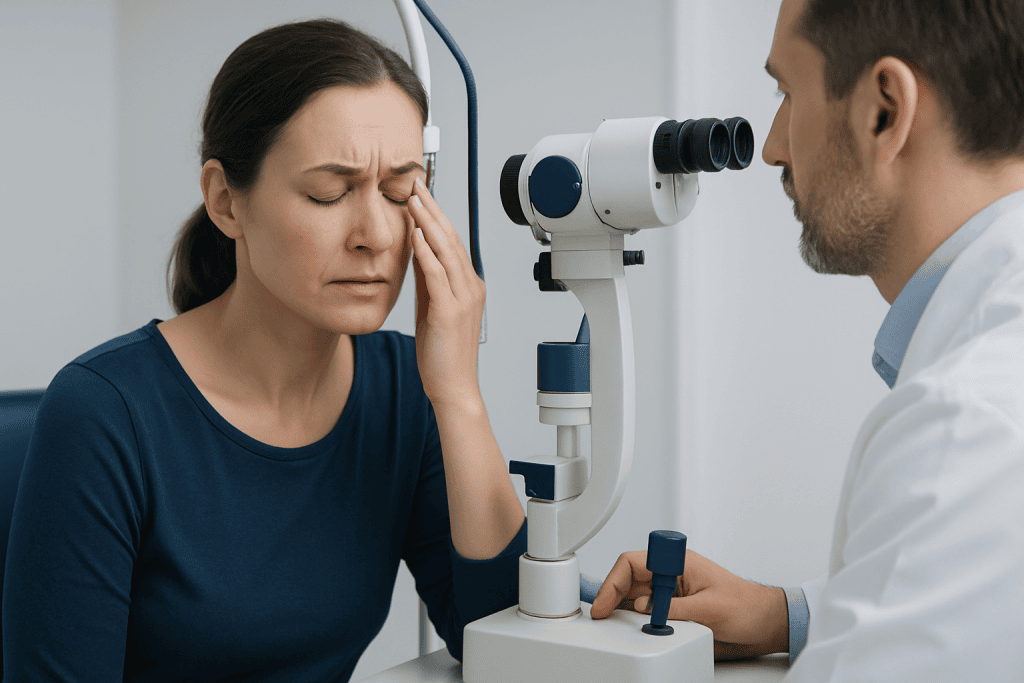
People describe this symptom in different ways. It may feel dull, throbbing, sharp, heavy, or like something is pushing from behind the eye. The discomfort may stay in one spot or spread to the forehead, temples, nose, cheeks, or jaw.
Associated symptoms often help narrow down the cause. For example, watery eyes, burning, or grittiness may suggest dry eye. Nasal congestion and facial pressure may suggest sinus disease. Light sensitivity, nausea, or visual aura may fit a migraine pattern. Pain with eye movement can happen with inflammation and other conditions that affect the tissues around the eye.
Symptoms that deserve special attention include sudden blurred vision, halos around lights, a visibly red eye, double vision, drooping eyelid, fever, vomiting, or a severe headache unlike usual headaches. These do not automatically mean a serious disorder, but they should not be ignored.
Common causes and risk factors

Many cases of pressure behind eye come from non-emergency causes. Sinusitis can create a deep ache behind the eyes because the sinuses sit close to the eye sockets. Migraine and tension-type headaches can also cause pain that feels centered behind one eye or around the brow. Digital eye strain, uncorrected vision problems, and dry eye may lead to aching after prolonged reading or screen use.
Eye-related causes are also important. Elevated eye pressure from glaucoma may cause symptoms in some situations, especially acute angle-closure glaucoma, which can cause severe eye pain, blurred vision, halos, nausea, and a red eye. Inflammatory conditions, infection, thyroid eye disease, optic nerve problems, and injuries can all create pressure or pain around the eye. Patients who want to learn more about glaucoma may benefit from a dedicated eye evaluation if symptoms raise concern.
Less common but significant causes include orbital cellulitis, inflammation behind the eye, and neurological conditions. People with autoimmune disease, recent sinus or dental infection, contact lens misuse, previous eye disease, thyroid disease, or trauma may have a higher risk of specific problems. A personal or family history of migraine, chronic sinus disease, or glaucoma can also be relevant.
- Common risk factors: prolonged screen time, dry environments, poor sleep, stress, allergies, and sinus congestion
- Eye-related risk factors: age, farsightedness, certain medications, prior eye surgery, and family history of glaucoma
- General health factors: uncontrolled blood pressure, thyroid disease, immune suppression, and recent infections
Symptoms that may point to specific conditions
A symptom-based approach can be helpful. Pressure behind eye with a stuffy nose, facial tenderness, and worse discomfort when bending forward often suggests sinus inflammation. Pressure with light sensitivity, nausea, one-sided headache, or aura may fit migraine. Aching after several hours of device use with dry, tired eyes is more consistent with eye strain or dry eye.
If pressure is accompanied by a red eye, halos around lights, nausea, and rapid worsening of vision, urgent glaucoma assessment is important. If there is eye bulging, pain with movement, or changes in color vision, an ophthalmologist may consider orbital or optic nerve causes. Patients with repeated headaches and visual symptoms may also need evaluation for conditions outside the eye, including neurological or vascular disorders.
Sometimes symptoms overlap. For example, a person may have sinus congestion and migraine, or dry eye plus an uncorrected need for glasses. That is why clinicians often ask when symptoms started, what makes them worse, and whether they occur with reading, screens, allergies, infection, or headache episodes.
How doctors diagnose the cause
Diagnosis begins with a focused history and examination. A doctor will ask where the pressure is felt, whether it affects one eye or both, how long it lasts, and whether there are related symptoms such as headache, congestion, tearing, vision changes, or nausea. Medication use, contact lens wear, past eye problems, and recent illness are also important.
An eye examination may include visual acuity testing, checking the pupils, evaluating eye movements, and looking at the front and back of the eye. Measuring intraocular pressure can help assess for glaucoma, but normal pressure does not rule out every eye condition, and a pressure sensation does not always mean pressure inside the eye is elevated. In some cases, further testing such as visual field testing, optic nerve imaging, or dilation of the pupils is needed.
If sinus, neurological, or orbital disease is suspected, blood tests or imaging may be recommended. Depending on the findings, a patient may be referred for a comprehensive eye examination, neurology assessment, or brain MRI to clarify the cause. The goal is to identify whether symptoms are benign and manageable or whether they reflect a condition that requires urgent treatment.
Treatment options depend on the underlying cause
There is no single treatment for pressure behind eye because treatment follows the diagnosis. Dry eye may improve with lubrication, environmental adjustments, and better blinking habits. Eye strain may respond to updated glasses, screen breaks, and improved lighting. Sinus-related symptoms may improve with treatment directed at allergy or sinus inflammation, based on a clinician’s assessment.
Migraine and headache-related causes are treated differently from eye disease. A doctor may recommend lifestyle measures, identification of triggers, or prescription treatment if headaches are frequent or disabling. Eye inflammation, infections, or optic nerve disorders need targeted medical care, and some conditions require rapid specialist treatment to protect vision.
If glaucoma is diagnosed or strongly suspected, treatment may involve medicated eye drops, laser procedures, or surgery depending on the type and severity. Some patients may be evaluated for glaucoma treatment when high eye pressure or optic nerve damage is present. In more complex cases, multidisciplinary specialists at Acibadem International and its JCI-accredited hospitals evaluate and treat international patients with coordinated ophthalmology, neurology, and imaging support.
Self-care, prevention, and daily habits that may help
When symptoms are mild and not accompanied by warning signs, simple self-care may reduce discomfort. Taking regular breaks from screens, blinking more often, staying hydrated, and using appropriate room humidity can help if the eyes feel dry or overworked. If reading or computer tasks regularly trigger symptoms, an eye test may be useful to check for uncorrected refractive error.
Managing allergy symptoms, getting enough sleep, and paying attention to headache triggers may also help reduce recurrent pressure around the eyes. Good contact lens hygiene is important to lower the risk of irritation and infection. It is best not to self-treat recurring or worsening eye symptoms for long periods without an examination.
Prevention is especially important for people with risk factors for glaucoma or chronic eye disease. Regular eye examinations can detect problems before symptoms become advanced. People with diabetes, a strong family history of eye disease, or past eye surgery may need more structured follow-up based on their doctor’s advice.
- Follow the 20-20-20 rule during screen use: every 20 minutes, look 20 feet away for 20 seconds
- Use prescribed glasses or contact lenses correctly
- Avoid rubbing the eyes and sharing eye products
- Seek routine eye checks if there is a family history of glaucoma or ongoing visual symptoms
When to seek medical care
Pressure behind eye should be assessed promptly if it is severe, sudden, or associated with vision changes. Immediate medical care is important for a red painful eye, loss of vision, double vision, halos around lights, nausea or vomiting, fever, symptoms after an injury, or eye bulging. These features can be linked to urgent eye or neurological conditions.
Non-urgent medical review is still appropriate if the symptom lasts more than a few days, comes back often, interferes with daily life, or occurs with repeated headaches or sinus problems. A clinician can help determine whether the cause is related to the eyes, sinuses, nerves, or another part of the body. Early evaluation is particularly important for older adults and anyone with glaucoma risk factors.
If the symptom keeps returning, patients should avoid assuming it is only sinus pressure or screen fatigue. Similar sensations can come from very different causes, and a proper diagnosis helps prevent missed treatment opportunities and unnecessary worry.
Frequently asked questions
Does pressure behind eye mean high eye pressure?
Not necessarily. Many people who feel pressure behind the eye do not have elevated pressure inside the eye. The sensation can also come from sinus inflammation, headache disorders, dry eye, or muscle strain, which is why an examination matters.
Can sinus problems cause pressure behind the eyes?
Yes. The sinuses sit close to the eye sockets, so congestion or inflammation can create a feeling of fullness or aching behind the eyes. This is more likely if there is also nasal blockage, facial pressure, or discomfort that worsens when bending forward.
Is pressure behind one eye a sign of migraine?
It can be. Migraine often causes one-sided head or eye-area pain and may come with nausea, light sensitivity, or visual changes. However, one-sided eye pressure can also have other causes, so new or unusual symptoms should be discussed with a doctor.
When is pressure behind eye an emergency?
Urgent evaluation is needed if the symptom is sudden or severe, especially with blurred vision, vision loss, a red eye, halos around lights, vomiting, double vision, or symptoms after trauma. These features may indicate a condition that can threaten vision or require rapid treatment.
Can screen time cause pressure behind the eyes?
Yes, prolonged screen use can contribute to eye strain and dry eye, both of which may feel like pressure or aching around the eyes. Frequent breaks, proper lighting, and blinking more often often help, but ongoing symptoms should still be assessed.
How is the cause of pressure behind eye diagnosed?
Doctors usually start with questions about symptoms, timing, headaches, sinus problems, and vision changes. Diagnosis may involve an eye examination, vision testing, measurement of eye pressure, and sometimes imaging or referral to a specialist if symptoms suggest a sinus, neurological, or orbital cause.
This article is for general information only and is not a substitute for professional medical advice. Please consult a qualified doctor about your individual situation.
Explore treatments in Turkey — costs, top hospitals & a free quote
JCI-accredited · board-certified surgeons · reply within 24h
Add us as a Preferred Source to see more of our trusted health content across Google Search, AI Overviews and Discover.
Check your numbers in seconds
BMI, calories, due date, blood pressure and 30+ more clinical calculators — free, instant, doctor-reviewed ranges.

More from the Health Library

Lurasidone: What Patients Need to Know

Clogged Milk Duct: What Patients Need to Know

Blighted ovum: A Complete Medical Guide for Patients

Pertussis Injection: What Patients Need to Know

Tightness in Chest: A Complete Medical Overview