11 Weeks Pregnant Explained: Causes, Management, and When to See a Doctor

At 11 weeks pregnant, common symptoms include nausea, tiredness, bloating, breast changes, and frequent urination. The baby is growing rapidly, and early organs and body structures continue to develop during this stage.
Key Takeaways
- At 11 weeks pregnant, common symptoms include nausea, tiredness, bloating, breast changes, and frequent urination.
- The baby is growing rapidly, and early organs and body structures continue to develop during this stage.
- Regular prenatal visits, balanced nutrition, fluids, and rest support health in the first trimester.
- Light cramping can happen, but heavy bleeding, severe abdominal pain, fever, or persistent vomiting should be assessed by a doctor.
- Early prenatal screening and ultrasound may be discussed around this time, depending on the care plan.
At 11 weeks pregnant, many people notice ongoing nausea, fatigue, breast tenderness, and bloating while the pregnancy continues to develop quickly. This stage is usually managed with routine prenatal care, healthy daily habits, and prompt medical advice if concerning symptoms such as heavy bleeding, severe pain, or dehydration occur.
Overview at 11 Weeks Pregnant
At 11 weeks pregnant, the pregnancy is still in the first trimester, and many of the changes felt day to day are linked to rising hormone levels and the body’s adjustment to supporting the developing baby. For most people, this stage brings a mix of very normal symptoms such as nausea, tiredness, constipation, and breast tenderness, along with questions about what is expected and what should be checked.
The baby is developing quickly at this point. Major organs have begun forming, the head is still relatively large compared with the body, and tiny facial features, limbs, fingers, and toes continue to take shape. Although the pregnancy may not be visibly obvious from the outside, important internal growth is happening every day.
Routine prenatal care becomes especially important during this period. A doctor or midwife may review medical history, estimate the due date, discuss nutrition and supplements such as folic acid, and consider early blood tests or ultrasound depending on the pregnancy. The focus is usually on supporting maternal health, identifying any early concerns, and helping the pregnant person understand what symptoms are common.
What Symptoms Are Common at 11 Weeks
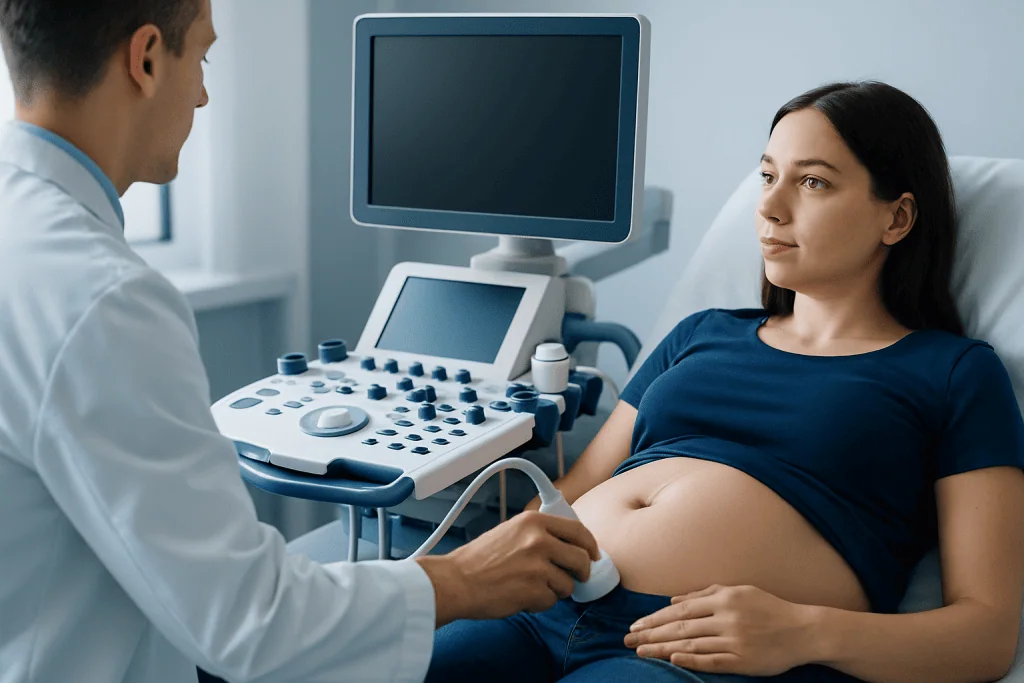
Symptoms at 11 weeks pregnant can vary widely. Some people feel quite unwell with morning sickness and fatigue, while others have only mild symptoms. Both experiences can be normal. Hormonal shifts remain one of the main reasons symptoms are still noticeable during this part of the first trimester.
Common symptoms may include nausea with or without vomiting, food aversions, stronger sense of smell, tiredness, mood changes, bloating, constipation, mild headaches, breast tenderness, and frequent urination. Vaginal discharge that is thin or milky may also increase. Light cramping can occur as the uterus grows, but this should not be severe.
Some people begin to notice that symptoms change from day to day. Feeling better on one day and more tired or nauseated the next is common. A temporary decrease in nausea does not automatically mean something is wrong, especially if there are no other concerning signs.
- Nausea often improves with small, frequent meals.
- Fatigue may remain strong because the body is using extra energy.
- Bloating and constipation can be related to slower digestion.
- Breast fullness and tenderness are common due to hormonal changes.
Baby Development and Body Changes
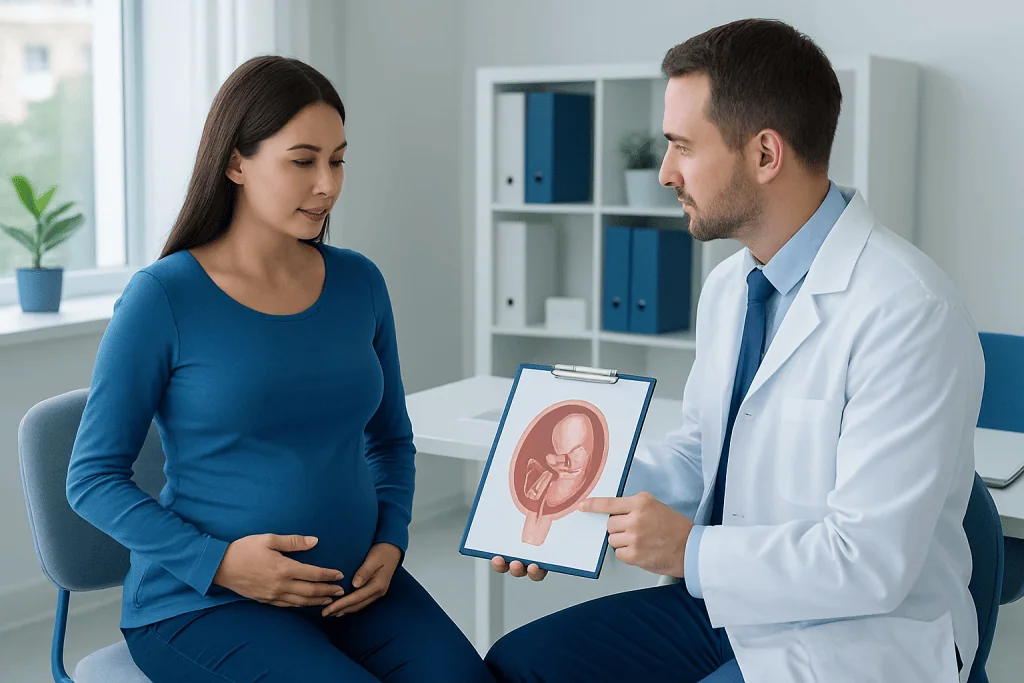
By 11 weeks pregnant, the baby is no longer in the earliest embryonic stage and is continuing to develop into a fetus with more recognizable human features. The head, brain, limbs, and internal organs are progressing, even though development is still far from complete. Tiny movements may begin, but they are usually too small to be felt by the mother at this stage.
The placenta is also taking on a more active role in supporting the pregnancy. It helps deliver oxygen and nutrients while removing waste. This growing support system is an important reason why regular prenatal follow-up matters, especially if there are any medical conditions such as anemia, diabetes, thyroid disease, or high blood pressure.
The mother’s body is changing too. Blood volume gradually increases, digestion may slow, and the uterus continues to enlarge inside the pelvis. These shifts can cause bloating, dizziness when standing quickly, and the need to urinate more often. In some pregnancies, a small weight change may occur, but weight patterns can differ depending on appetite and nausea.
Why Symptoms Happen and What Can Increase Discomfort
The main cause of first-trimester symptoms is hormonal change. Human chorionic gonadotropin, progesterone, and estrogen all rise during early pregnancy and affect the digestive system, energy levels, mood, and circulation. This helps sustain the pregnancy, but it can also lead to symptoms that are unpleasant even when they are not dangerous.
Certain factors may make symptoms feel stronger. A history of motion sickness or migraines, carrying twins or more, poor sleep, dehydration, stress, and an empty stomach can all worsen nausea or fatigue. Constipation may become more noticeable if fluid intake is low or if iron supplements are started and the bowel becomes slower.
Not all discomfort in early pregnancy is expected, however. Significant pelvic pain, fever, fainting, shoulder pain, heavy bleeding, or vomiting that prevents fluid intake are not typical signs to ignore. These symptoms can sometimes point to complications such as infection, dehydration, miscarriage, or, less commonly, ectopic pregnancy, which needs urgent assessment.
Prenatal Visits, Tests, and Ultrasound at This Stage
Many people will have an early prenatal appointment by 11 weeks pregnant, although timing varies. The clinician may ask about the last menstrual period, prior pregnancies, medications, allergies, family history, and lifestyle factors such as smoking or alcohol exposure. Blood pressure, weight, and basic blood and urine tests are often part of this first-trimester assessment.
Screening discussions may also happen around this time. Depending on local practice and the individual pregnancy, the care team may offer blood tests for anemia, blood group and Rh factor, infections, thyroid concerns, or inherited conditions. Some families also discuss first-trimester screening for chromosomal conditions and whether ultrasound will be used as part of this process.
An ultrasound at 11 weeks pregnant may help confirm the location of the pregnancy, estimate gestational age, check whether there is one baby or more, and look at early development. Ultrasound is also useful when there is bleeding, pain, or uncertainty about dates. If symptoms suggest a concern, doctors may use ultrasonography as part of prompt evaluation.
When needed, specialist assessment can support pregnancies with complications or maternal health conditions. For example, additional care may be recommended if there is a known uterine problem such as uterine fibroids or a history of recurrent pregnancy loss.
Management: Daily Care, Nutrition, and Symptom Relief
Management at 11 weeks pregnant usually focuses on prenatal care, hydration, nutrition, and symptom control. Most people benefit from eating small meals every few hours rather than having a very empty stomach. Plain foods, crackers, toast, yogurt, soup, fruit, and protein-rich snacks may be easier to tolerate during nausea. Sipping fluids regularly is often more manageable than drinking large amounts at once.
Rest is also important. Fatigue is common in early pregnancy, and listening to the body can help. Gentle physical activity such as walking may improve energy, digestion, and mood for some people, as long as a doctor has not advised activity limits. Prenatal vitamins are usually recommended, but if they worsen nausea, the timing or type may need to be discussed with a clinician.
Constipation may improve with fiber-rich foods, fluids, and regular movement. Headaches can sometimes improve with hydration, food, and rest. Medicines, even over-the-counter products, should not be started without checking what is considered safe in pregnancy. If nausea and vomiting are interfering with eating or drinking, a doctor may suggest treatment to prevent dehydration and weight loss.
When symptoms are severe or there are pregnancy complications, management may involve a multidisciplinary approach. In more complex cases, doctors may coordinate imaging, medication review, and, if another gynecologic problem is present, related care such as myomectomy outside of pregnancy planning or after delivery when appropriate.
When to Seek Medical Care
Most first-trimester symptoms are manageable, but certain warning signs should lead to medical advice without delay. Heavy vaginal bleeding, passing clots or tissue, severe abdominal or pelvic pain, shoulder pain, fainting, shortness of breath, chest pain, fever, or vomiting that prevents keeping liquids down all need prompt assessment. These symptoms do not always mean an emergency, but they should not be self-diagnosed at home.
Medical care is also important for signs of dehydration, such as very dark urine, minimal urination, dizziness, rapid heartbeat, or inability to eat or drink for many hours. Burning urination, new strong-smelling discharge, or significant itching should also be checked because infection can occur during pregnancy and may need treatment.
If there is concern about miscarriage, the right approach is evaluation rather than assumption. Bleeding in early pregnancy can have several causes, including a normal but sensitive cervix, a small subchorionic bleed, miscarriage, or less commonly an ectopic pregnancy. A clinician may use examination, blood tests, and ultrasound to clarify what is happening.
For international patients who need specialist assessment, Acibadem International’s multidisciplinary teams in JCI-accredited hospitals diagnose and treat pregnancy-related and gynecologic conditions with individualized care plans.
Healthy Habits for the Rest of the First Trimester
Healthy habits at 11 weeks pregnant are not about perfection. They are about steady, realistic choices that support the pregnancy and the parent’s wellbeing. Taking prenatal vitamins as advised, keeping follow-up appointments, drinking enough fluids, choosing balanced foods when possible, and avoiding smoking, alcohol, and non-prescribed drugs all remain important.
Food safety also matters. Pregnant people are generally advised to avoid undercooked meat, unpasteurized dairy products, and high-mercury fish, and to wash produce carefully. Caffeine intake may need to be limited based on a clinician’s advice. Medication review is another useful step, including herbal products and supplements that may seem harmless but are not always recommended in pregnancy.
Emotional health deserves attention as well. Anxiety can rise in early pregnancy, especially after infertility, prior loss, or medical complications. Asking questions, seeking support from trusted family members, and speaking openly with the care team can help. If persistent sadness, panic, or overwhelming worry develops, professional support should be considered as part of prenatal care.
Frequently asked questions
What should a person expect at 11 weeks pregnant?
At 11 weeks pregnant, many people experience nausea, tiredness, breast tenderness, bloating, and frequent urination. The baby is developing rapidly, and routine prenatal care may include early blood tests, counseling, and sometimes ultrasound.
Is cramping normal at 11 weeks pregnant?
Mild cramping can be normal as the uterus grows and the body changes. However, severe pain, pain on one side, or cramping with heavy bleeding should be assessed by a doctor promptly.
Can pregnancy symptoms come and go at 11 weeks?
Yes. Symptoms often vary from day to day, and some people notice that nausea or fatigue is less intense on certain days. A change in symptoms alone is not always concerning, but it should be discussed with a clinician if it is accompanied by bleeding, pain, or other warning signs.
When is an ultrasound done around 11 weeks pregnant?
An ultrasound may be done around this time to confirm dating, check the pregnancy location, assess fetal development, or investigate bleeding or pain. The exact timing depends on the care plan, prior history, and local prenatal screening practices.
What helps with nausea at 11 weeks pregnant?
Small frequent meals, bland foods, adequate fluids, rest, and avoiding triggers such as strong smells can help. If vomiting is persistent or fluids cannot be kept down, medical advice is important because treatment may be needed.
Is it normal not to have a visible baby bump at 11 weeks?
Yes. Many people do not show much externally at 11 weeks, especially in a first pregnancy. The uterus is growing, but the changes are often still subtle and can be hidden by normal bloating.
References
- American College of Obstetricians and Gynecologists
- Centers for Disease Control and Prevention
- National Health Service
- World Health Organization
- March of Dimes
This article is for general information only and is not a substitute for professional medical advice. Please consult a qualified doctor about your individual situation.
Persistent digestive symptoms? Get evaluated in Turkey
JCI-accredited · board-certified surgeons · reply within 24h
Add us as a Preferred Source to see more of our trusted health content across Google Search, AI Overviews and Discover.
Check your numbers in seconds
BMI, calories, due date, blood pressure and 30+ more clinical calculators — free, instant, doctor-reviewed ranges.