Phantom Pregnancy: A Complete Clinical Guide for Patients

Phantom pregnancy, also called pseudocyesis, can cause real physical and emotional symptoms of pregnancy without an actual pregnancy. Diagnosis usually relies on a pregnancy test, pelvic examination, and ultrasound to confirm that no fetus is present.
Key Takeaways
- Phantom pregnancy, also called pseudocyesis, can cause real physical and emotional symptoms of pregnancy without an actual pregnancy.
- Diagnosis usually relies on a pregnancy test, pelvic examination, and ultrasound to confirm that no fetus is present.
- Hormonal changes, psychological stress, strong desire for pregnancy, fear of pregnancy, and some medical conditions may contribute.
- Treatment focuses on compassionate explanation, addressing underlying medical or mental health factors, and ongoing support.
- A doctor should assess missed periods, abdominal enlargement, breast changes, or pregnancy symptoms that do not match test results.
Phantom pregnancy is a condition in which a person believes they are pregnant and may develop real pregnancy-like symptoms, even though no fetus is present. It is a genuine medical and psychological condition that needs careful, respectful evaluation to confirm the diagnosis and guide support.
Overview
Phantom pregnancy, also called pseudocyesis, is a condition in which a person is convinced they are pregnant and may experience many of the same signs and sensations associated with pregnancy, despite there being no developing fetus. This is not “pretending” or deliberate deception. The symptoms are real to the patient, and the condition deserves the same respectful clinical attention as any other health concern.
People with phantom pregnancy may report missed periods, nausea, breast enlargement, weight gain, abdominal swelling, or even sensations that feel like fetal movement. These changes can be distressing and confusing, especially when home pregnancy tests or medical examinations do not confirm pregnancy. In some cases, the emotional impact of the diagnosis can be significant.
Phantom pregnancy is uncommon, but it remains medically important because similar symptoms can also occur with hormonal disorders, gynecologic conditions, and certain mental health conditions. A careful evaluation helps rule out true pregnancy, including ectopic pregnancy, and identify any underlying cause that may need treatment.
How phantom pregnancy differs from other conditions
Phantom pregnancy is different from a hidden or “cryptic” pregnancy. In a cryptic pregnancy, a fetus is actually present, but the pregnancy may go unrecognized for some time. In phantom pregnancy, medical testing shows that no pregnancy is present.
It is also different from delusion of pregnancy, although the two can overlap in some settings. In pseudocyesis, the person may develop physical signs such as abdominal enlargement or breast changes. In delusion of pregnancy, the belief of being pregnant may occur as part of a psychiatric condition without the same degree of physical symptoms.
Other health issues can mimic pregnancy symptoms and should be considered. These include irregular menstrual cycles, hormonal imbalance, uterine fibroids, ovarian cysts, menopause-related changes, gastrointestinal bloating, and certain endocrine disorders. A clinician may also consider related gynecologic concerns such as polycystic ovary syndrome if symptoms suggest a broader hormone-related problem.
Symptoms and signs

The symptoms of phantom pregnancy can closely resemble those of early or even later pregnancy. Some people have only a few symptoms, while others experience many. The intensity can vary, and symptoms may persist for weeks or months if the condition is not evaluated.
Common symptoms may include:
- Missed or lighter menstrual periods
- Abdominal enlargement or bloating
- Nausea or vomiting
- Breast tenderness, enlargement, or nipple changes
- Weight gain
- Fatigue
- Frequent urination
- Sensation of fetal movement
- Labor-like pains in rare cases
These symptoms can arise through complex interactions between the brain, hormones, and the body’s stress response. For example, emotional distress may influence hormonal signaling, which in turn may affect menstruation, appetite, fluid retention, and breast tissue. Because the symptoms are physical as well as emotional, patients benefit from being taken seriously and evaluated with sensitivity.
Some people seek care after repeated negative pregnancy tests despite persistent symptoms. Others may only discover the diagnosis during an examination or imaging study. If symptoms include severe abdominal pain, heavy bleeding, fainting, or one-sided pelvic pain, urgent assessment is important because these signs can occur with conditions unrelated to phantom pregnancy that require prompt care.
Causes and risk factors
There is no single cause of phantom pregnancy. Instead, it is usually understood as a multifactorial condition involving psychological, hormonal, and social factors. In some people, an intense desire to become pregnant may contribute. In others, fear of pregnancy, prior pregnancy loss, infertility, relationship stress, or major life stress may play a role.
Hormonal changes may also be involved. Stress and emotional factors can affect the hypothalamic-pituitary-ovarian axis, which helps regulate menstruation and reproductive hormones. This may lead to missed periods, breast changes, or other symptoms that reinforce the belief of pregnancy. Conditions that alter hormone balance, including menopause transition, thyroid disease, or elevated prolactin levels, can contribute to similar symptoms.
Risk may be higher in people with a history of infertility, recurrent miscarriage, depression, anxiety, trauma, or limited access to timely medical care. Social and cultural pressures around pregnancy can also influence how symptoms are interpreted. In some cases, clinicians may need to assess for underlying gynecologic conditions such as endometriosis or ovarian disorders if pelvic symptoms are present.
Importantly, phantom pregnancy is not a sign of weakness or lack of intelligence. It reflects a complex mind-body process. Understanding this can reduce shame and help patients feel more comfortable accepting evaluation and support.
How doctors diagnose phantom pregnancy
Diagnosis begins with a medical history and physical examination. A clinician will ask about menstrual patterns, sexual activity, fertility history, prior pregnancies, pregnancy tests, medications, emotional stress, and symptoms such as pain, bleeding, nausea, or breast changes. The aim is to understand the full picture rather than focus only on whether a person is pregnant.
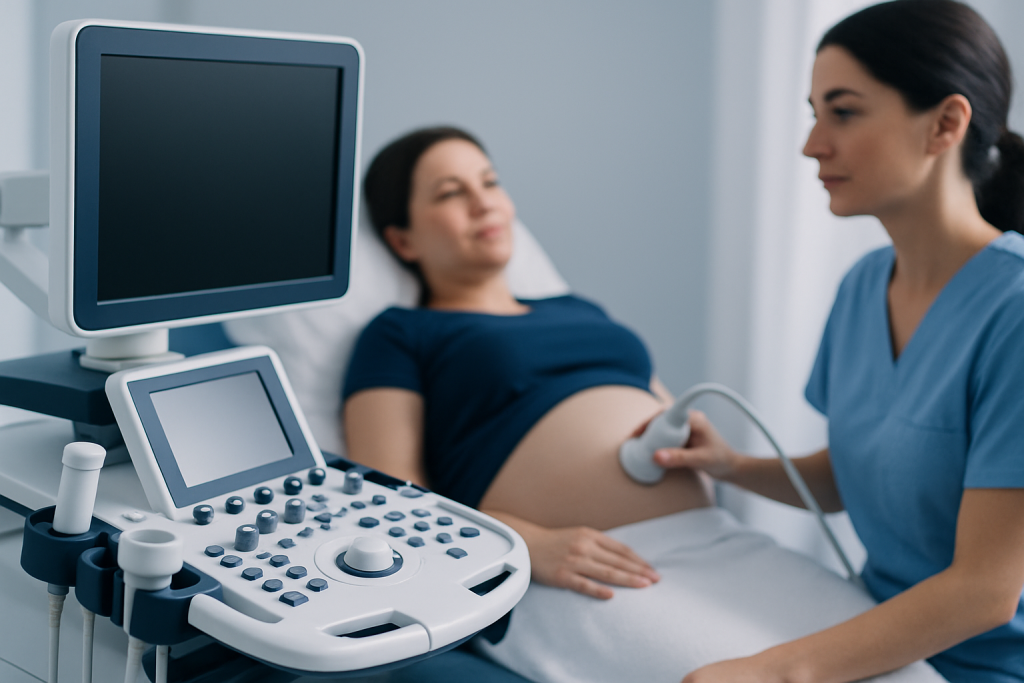
The most important tests are those that confirm whether a pregnancy is present. These commonly include a urine or blood pregnancy test and pelvic ultrasound. Ultrasound is especially helpful because it can show whether there is a gestational sac or fetus in the uterus. In phantom pregnancy, these findings are absent. Depending on symptoms, doctors may also recommend ultrasound and other evaluations to look for conditions that may explain abdominal swelling or menstrual changes.
Additional testing may be needed if the symptoms suggest another medical cause. This can include hormone tests, thyroid function tests, pelvic imaging, or further gynecologic evaluation. A gynecologist may assess the uterus and ovaries, while other specialists may help if digestive, endocrine, or mental health causes are suspected.
The way the diagnosis is communicated matters. Many patients need time to process the results, especially if they were strongly convinced they were pregnant. A compassionate explanation, supported by clear test findings, often helps people begin to understand what is happening and accept follow-up care.
Treatment and supportive care
Treatment for phantom pregnancy focuses on the underlying factors and on emotional support. There is no single medicine that “cures” the condition. Instead, care is individualized. A doctor first addresses any identified medical issue, such as a hormonal imbalance, thyroid problem, or gynecologic condition. If menstrual irregularity, pelvic masses, or other structural concerns are suspected, further evaluation in gynecology care may be recommended.
Equally important is supportive communication. Seeing ultrasound results and discussing the findings with a trusted clinician can help some patients come to terms with the diagnosis. However, this process can be emotionally difficult. Gentle, nonjudgmental reassurance is important, especially if the patient has experienced infertility, pregnancy loss, or significant emotional stress.
Mental health support can be very helpful. Counseling or psychotherapy may help a person process grief, stress, trauma, or anxiety that may be linked to the symptoms. If a coexisting mental health condition is present, referral for psychiatric assessment and support may be appropriate. Treatment may include therapy, stress management, or other interventions recommended by a qualified professional.
In some cases, a multidisciplinary approach is best. Gynecologists, endocrinologists, primary care doctors, and mental health specialists may all contribute. Near the end of the care pathway, some international patients may choose centers such as Acibadem International, where multidisciplinary specialists in JCI-accredited hospitals evaluate reproductive, hormonal, and emotional aspects of the condition in a coordinated way.
Self-care, coping, and emotional recovery
After diagnosis, many people experience sadness, embarrassment, confusion, anger, or grief. These reactions are understandable. Emotional recovery may take time, and support from a clinician, partner, family member, or counselor can make a meaningful difference. Patients often benefit from hearing clearly that their symptoms were real, even though no pregnancy was present.
Helpful self-care steps may include keeping follow-up appointments, asking questions about test results, and discussing any continuing symptoms with a doctor. If menstruation remains irregular or abdominal swelling persists, further review may be needed. It can also help to reduce stress where possible through regular sleep, physical activity as tolerated, and relaxation strategies, although these steps do not replace medical care.
People trying to conceive may want further evaluation if pregnancy has not occurred after an appropriate time. Fertility-related assessment should be individualized and may include fertility and IVF evaluation when clinically appropriate. Others may need help with contraception counseling if fear of pregnancy contributed to symptoms and distress.
Support groups, individual therapy, or couples counseling may also be useful, especially when phantom pregnancy affects relationships or future family planning decisions. Recovery is often easier when the condition is approached as a real health issue rather than a personal failing.
When to seek medical care
Medical care should be sought whenever a person thinks they may be pregnant but has conflicting or unusual symptoms, especially if repeated home tests are negative. A doctor can confirm whether a pregnancy is present and check for other causes of missed periods, abdominal enlargement, nausea, or breast changes. This is important because symptoms that resemble pregnancy can sometimes be linked to treatable gynecologic, endocrine, or digestive conditions.
Prompt evaluation is especially important if there is severe abdominal or pelvic pain, heavy vaginal bleeding, fainting, fever, or one-sided pain. These symptoms are not typical signs to monitor at home and may point to urgent medical problems. Anyone with intense emotional distress, worsening anxiety, or difficulty accepting the diagnosis should also seek professional support, as compassionate mental health care can be an important part of recovery.
Frequently asked questions
What is phantom pregnancy?
Phantom pregnancy, or pseudocyesis, is a condition in which a person believes they are pregnant and may have real pregnancy-like symptoms, but no fetus is present. It is a genuine medical and psychological condition rather than intentional behavior.
Can phantom pregnancy cause real physical symptoms?
Yes. A person may have missed periods, nausea, breast changes, abdominal enlargement, weight gain, or even sensations that feel like fetal movement. These symptoms are real and should be evaluated respectfully by a doctor.
How is phantom pregnancy diagnosed?
Doctors usually confirm the diagnosis with a pregnancy test and pelvic ultrasound. They may also do a physical examination and other tests to look for hormone problems or gynecologic conditions that could explain the symptoms.
What causes phantom pregnancy?
There is not always one clear cause. Emotional stress, infertility, pregnancy loss, strong desire for pregnancy, fear of pregnancy, and hormone-related changes may all contribute. Sometimes another medical condition is also present.
Is phantom pregnancy a mental illness?
Not by itself. It is best understood as a complex mind-body condition that can involve both physical and emotional factors. However, some people may also have anxiety, depression, trauma-related distress, or another mental health condition that needs care.
How is phantom pregnancy treated?
Treatment focuses on confirming the diagnosis, explaining the results clearly, and addressing any underlying medical or emotional factors. Support may include gynecologic care, hormone evaluation, counseling, and mental health treatment when needed.
When should someone see a doctor for phantom pregnancy symptoms?
A doctor should be seen if pregnancy symptoms continue despite negative tests, or if periods stop without explanation. Urgent care is important for severe pain, heavy bleeding, fainting, fever, or strong emotional distress.
References
- American College of Obstetricians and Gynecologists
- National Institute of Mental Health
- Merck Manual Professional Edition
- Mayo Clinic
- World Health Organization
This article is for general information only and is not a substitute for professional medical advice. Please consult a qualified doctor about your individual situation.
Explore treatments in Turkey — costs, top hospitals & a free quote
JCI-accredited · board-certified surgeons · reply within 24h
Add us as a Preferred Source to see more of our trusted health content across Google Search, AI Overviews and Discover.