Transverse Fracture — Explained by Medical Evidence, Not Myths

A transverse fracture is a straight-across break in a bone rather than a diagonal or spiral one. Common symptoms include pain, swelling, bruising, tenderness, and difficulty using the injured limb.
Key Takeaways
- A transverse fracture is a straight-across break in a bone rather than a diagonal or spiral one.
- Common symptoms include pain, swelling, bruising, tenderness, and difficulty using the injured limb.
- Diagnosis usually relies on physical examination and imaging, especially X-rays.
- Treatment depends on the bone involved and whether the fracture is stable, displaced, or open.
- Prompt medical assessment helps lower the risk of poor healing, deformity, or long-term loss of function.
A transverse fracture is a bone break that runs horizontally, or nearly straight across, the bone. It usually happens after a direct injury or repeated stress and often heals well with proper diagnosis, stabilization, and follow-up care.
Overview: what a transverse fracture means
A transverse fracture is a type of broken bone in which the fracture line runs across the width of the bone, usually at a right angle or close to it. In simple terms, the bone breaks straight across rather than splitting on a slant or twisting pattern. This description refers to the shape and direction of the break, which helps clinicians understand how the injury may have happened and how best to treat it.
These fractures can happen in many bones, including the arm, leg, wrist, hand, foot, and ribs. Some are caused by a single strong impact, such as a fall, sports injury, or traffic accident. Others can develop more gradually when a bone is exposed to repetitive stress over time, especially if the bone is already weakened.
Not every transverse fracture is equally serious. A small, stable fracture may heal with a cast or brace, while a displaced fracture, in which the broken bone ends have moved out of place, may need a procedure to realign the bone or surgery to hold it in position. The outlook is often good when diagnosis and treatment happen early.
How it differs from other fracture patterns
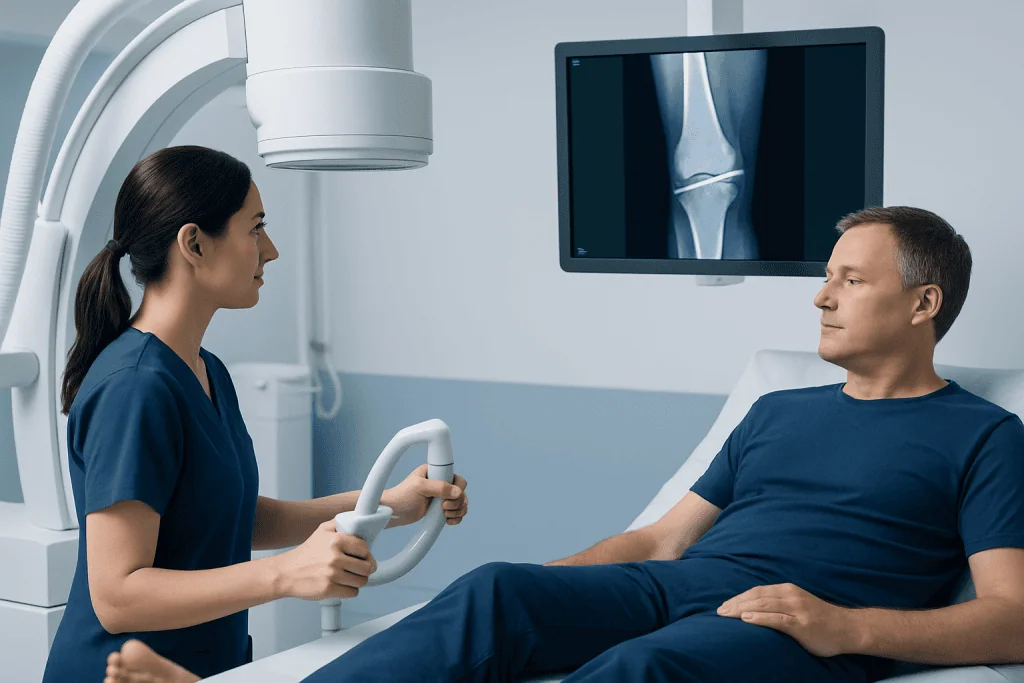
People often assume that all broken bones are basically the same, but fracture patterns matter. A transverse fracture differs from an oblique fracture, which runs diagonally, and from a spiral fracture, which wraps around the bone after a twisting force. Doctors use this pattern information together with the injury history to understand the amount and direction of force involved.
A transverse fracture is often linked to a direct blow or bending force. Because the fracture line is straight across, it can sometimes suggest that the bone was loaded in a way that caused it to snap rather than twist. However, the exact cause still depends on the person, the bone involved, and whether the injury was sudden or repetitive.
The pattern also helps guide treatment decisions. Some transverse fractures are stable and stay well aligned once the area is immobilized. Others may shift more easily, especially if nearby muscles pull on the broken segments. This is why careful follow-up imaging is often part of treatment, even when the first plan does not involve surgery.
In a broader discussion of fractures, transverse injuries are one recognized pattern among several. The pattern alone does not determine severity, but it does contribute to decisions about support, rehabilitation, and expected healing time.
Symptoms and signs to look for

The symptoms of a transverse fracture are similar to those of other broken bones. Pain is usually the first and most noticeable symptom. It may start suddenly after an injury or build more gradually if the fracture is related to repeated stress. The area often becomes tender to touch, and movement usually makes the pain worse.
Swelling and bruising are also common. Some people notice a visible change in shape, especially if the fracture is displaced. Depending on the bone involved, it may be difficult or impossible to put weight on the limb, grip objects, lift the arm, or move a nearby joint comfortably. In children, the person may simply stop using the injured body part.
Other warning signs can include:
- A snapping or cracking sensation at the time of injury
- Limited range of motion
- Numbness or tingling if nearby nerves are irritated
- Coldness or color change in the limb if circulation is affected
- An open wound over the injury, which may suggest an open fracture
Symptoms can overlap with a severe sprain, bruise, or dislocation, so it is not always possible to tell the difference without medical evaluation. If pain, swelling, or function loss is significant, it is safer to have the injury assessed.
Causes and risk factors
A transverse fracture commonly results from direct trauma. Falls, sports collisions, workplace injuries, and motor vehicle accidents are typical examples. In these situations, the force applied to the bone can exceed its strength and cause it to break across. The exact location and severity depend on the mechanism of injury and the underlying condition of the bone.
Repeated stress can also lead to a transverse break, particularly in athletes, military recruits, or people whose work involves repetitive impact. If bone tissue does not have enough time to recover between periods of stress, a small crack can enlarge into a more defined fracture. This can overlap with what clinicians classify as stress fracture patterns in some cases.
Certain factors can increase the risk of any fracture, including older age, osteoporosis, poor nutrition, low vitamin D, smoking, balance problems, and some medications that affect bone strength. Medical conditions that weaken bone can also make fractures more likely after only minor trauma.
In younger people, high-energy injuries are more common causes, while in older adults, a relatively low-impact fall may be enough to cause a break. Understanding risk factors matters because treatment is not only about fixing the fracture itself but also about reducing the chance of another one.
How doctors diagnose a transverse fracture
Diagnosis begins with a medical history and physical examination. The doctor will ask how the injury happened, where the pain is located, whether the person could move or bear weight afterward, and whether there are symptoms such as numbness, weakness, or skin wounds. The injured area is then checked for swelling, deformity, tenderness, circulation, and nerve function.
X-rays are usually the first imaging test because they can show the location, pattern, and alignment of most fractures. In many cases, a transverse fracture is clearly visible on standard views. Sometimes additional views are needed, especially when the break is near a joint or when the first images do not fully explain the symptoms.
If the injury is complex or if a fracture is suspected but not clearly seen on X-ray, advanced imaging may be recommended. MRI can be helpful for stress-related injuries or soft tissue damage, while CT scanning can give a more detailed view of complicated fractures. Imaging is chosen based on the clinical situation rather than used automatically in every case.
Accurate diagnosis is important because treatment depends not only on whether a bone is broken, but also on whether the fracture is open or closed, stable or unstable, displaced or nondisplaced, and whether nearby joints, nerves, or blood vessels are involved.
Treatment options and healing
Treatment for a transverse fracture depends on the bone, the position of the broken ends, the person’s age and health, and whether there are associated injuries. Many nondisplaced fractures can be treated without surgery. This usually involves immobilization with a splint, cast, or brace so the bone can heal in the correct position while pain gradually improves.
If the bone is out of alignment, a doctor may need to perform a reduction, which means gently repositioning the fracture before applying immobilization. Some fractures remain stable after this step, while others need surgery because the bone is likely to move again or because the fracture extends into a joint. Surgical treatment may use metal plates, screws, rods, or pins to keep the bone aligned during healing. In selected cases, orthopedic rehabilitation is an important part of recovery after immobilization or surgery.
Healing takes time, and the timeline varies. Factors such as smoking, diabetes, poor circulation, infection, and inadequate immobilization can slow recovery. During follow-up visits, repeat X-rays may be used to check whether the bone is healing in the correct position. Pain control, gradual movement, and a supervised return to activity are all part of the process.
Rehabilitation aims to restore strength, flexibility, and normal function. Muscles often become stiff or weak after a period in a cast or sling, so guided exercises may help. For international patients needing specialized assessment or follow-up, Acibadem International’s multidisciplinary specialists in JCI-accredited hospitals diagnose and treat bone injuries with individualized care planning.
Self-care, prevention, and daily recovery tips
Self-care after a fracture should support healing, not replace professional treatment. Early on, the person may be advised to rest the injured area, keep it elevated when possible, and use cold packs over the cast or dressing area if recommended by the care team. It is important not to put weight on or use the injured body part beyond the doctor’s instructions.
Good nutrition can support bone healing. Adequate protein, calcium, vitamin D, and overall calorie intake are important, especially during recovery from injury or surgery. Smoking cessation also matters because tobacco use can impair blood flow and delay bone healing. People should ask their clinician before taking supplements, especially if they have kidney disease or other medical conditions.
Prevention focuses on lowering both trauma risk and bone fragility. Helpful measures may include regular strength and balance exercises, safe sports technique, protective equipment, home fall-prevention steps, and evaluation for low bone density when appropriate. Older adults and people with repeated fractures may benefit from an assessment for osteoporosis or other causes of weak bones.
Recovery is usually gradual. Even when pain improves early, the bone may still be healing. Returning to sports, driving, work, or heavy lifting too soon can raise the risk of reinjury or delayed union. Following the treatment plan and attending follow-up appointments are key parts of a safe return to normal activity.
When to seek medical care
Medical care should be sought promptly after a significant injury if there is severe pain, swelling, visible deformity, inability to bear weight, or loss of normal function. These symptoms can suggest a fracture even when the skin is not broken. Early assessment can help prevent complications and improve alignment and healing.
Urgent care is especially important if there is an open wound near the injury, heavy bleeding, numbness, weakness, a pale or cold limb, or worsening pain after splinting. These signs can indicate damage to blood vessels, nerves, or surrounding tissues and should not be ignored.
People should also contact a doctor during recovery if a cast feels too tight, the fingers or toes become blue or numb, fever develops, pain suddenly worsens, or the injured area is not improving as expected. Follow-up matters because some fractures shift after the initial injury, even when they seemed stable at first.
If symptoms are uncertain, it is reasonable to seek evaluation rather than wait. A clinician can determine whether the injury is a bruise, sprain, or fracture and whether imaging, immobilization, or specialist orthopedic care is needed.
Frequently asked questions
Is a transverse fracture the same as a simple fracture?
Not exactly. A transverse fracture describes the direction of the break across the bone, while a simple fracture usually means the bone is broken without the skin being pierced. A fracture can be transverse and simple at the same time, but the terms describe different features.
Can a transverse fracture heal without surgery?
Yes, many transverse fractures heal without surgery if the bone ends are well aligned and stable. Treatment may involve a splint, cast, brace, and regular follow-up imaging. Surgery is more likely if the fracture is displaced, unstable, open, or involves a joint.
How long does a transverse fracture take to heal?
Healing time varies based on the bone involved, the person's age, overall health, and whether the fracture is complicated. Some fractures heal in a matter of weeks, while others take longer and need rehabilitation afterward. A doctor can give a more realistic timeline after examining the injury and reviewing imaging.
What is the most common symptom of a transverse fracture?
Pain at the site of injury is usually the most common symptom. It is often accompanied by swelling, tenderness, bruising, and difficulty moving or using the affected limb. In some cases, the area may also look deformed.
Can someone walk on a transverse fracture?
Sometimes a person can still walk, especially if the fracture is small or incomplete, but that does not mean the injury is minor. Walking on an untreated fracture can worsen pain or move the bone out of position. Any suspected leg or foot fracture should be assessed by a clinician.
Are transverse fractures caused only by major accidents?
No. Although they often result from a direct injury such as a fall or collision, they can also develop from repeated stress or occur more easily in weakened bone. Bone health, age, and activity level all influence risk.
This article is for general information only and is not a substitute for professional medical advice. Please consult a qualified doctor about your individual situation.
Joint and spine care in Turkey — expert assessment & treatment
JCI-accredited · board-certified surgeons · reply within 24h
Add us as a Preferred Source to see more of our trusted health content across Google Search, AI Overviews and Discover.

More from the Health Library

Squats for a Bigger But: A Complete Medical Overview

L-methionine: What Patients Need to Know

Basil Seeds Advantages: What Patients Need to Know

Central Line: A Complete Medical Overview
HPV in Mouth: What Patients Need to Know

Manic Eyes: A Complete Medical Overview
Orthopedic Surgery & Traumatology Specialists at Acibadem

Fzt. Ahsen Ercan
Physical Medicine & Rehabilitation
Fzt. Ali Furkan Gürler
Physical Medicine & Rehabilitation
Dr. Ali Koç
Orthopedic Surgery & Traumatology
Dr. Ali Osman Çiçek
Orthopedic Surgery & Traumatology