Digestive System Amazing Facts: A Complete Medical Overview

The digestive system is more than the stomach; it includes the mouth, esophagus, intestines, liver, gallbladder, pancreas, and rectum. Digestion depends on coordinated muscle movement, enzymes, hormones, nerves, and the gut microbiome.
Key Takeaways
- The digestive system is more than the stomach; it includes the mouth, esophagus, intestines, liver, gallbladder, pancreas, and rectum.
- Digestion depends on coordinated muscle movement, enzymes, hormones, nerves, and the gut microbiome.
- The intestines absorb most nutrients and water, making them central to energy, hydration, and overall health.
- Many common digestive symptoms are mild and short-lived, but persistent pain, bleeding, weight loss, or trouble swallowing should be assessed by a doctor.
- Daily habits such as balanced eating, hydration, physical activity, and avoiding tobacco can support digestive function.
Digestive system amazing facts include how food is moved, broken down, absorbed, and finally eliminated through a highly coordinated process involving the gut, liver, pancreas, and nervous system. Understanding these facts can help people recognize what is normal, support digestive health, and know when symptoms may need medical attention.
Overview: What Makes the Digestive System So Remarkable?
Digestive system amazing facts begin with one simple truth: digestion is not a single event but a continuous, organized process. From the moment food is seen, smelled, and chewed, the body starts preparing enzymes, muscle contractions, and chemical signals to turn food into nutrients, water, and energy. At the same time, it safely removes waste and helps protect the body from harmful germs and substances.
Another important fact is that the digestive system is not limited to the stomach. It includes the mouth, salivary glands, esophagus, stomach, small intestine, large intestine, rectum, anus, liver, gallbladder, and pancreas. Each organ has a specific role, and even small disruptions in one area can affect comfort, appetite, bowel habits, and nutrient absorption.
The digestive tract also communicates closely with the brain and immune system. This is why stress may affect appetite or bowel habits, and why digestive health can influence general well-being. Rather than being just a food-processing tube, the gut is an active system that helps regulate metabolism, immunity, and fluid balance every day.
Amazing Facts About How Digestion Works
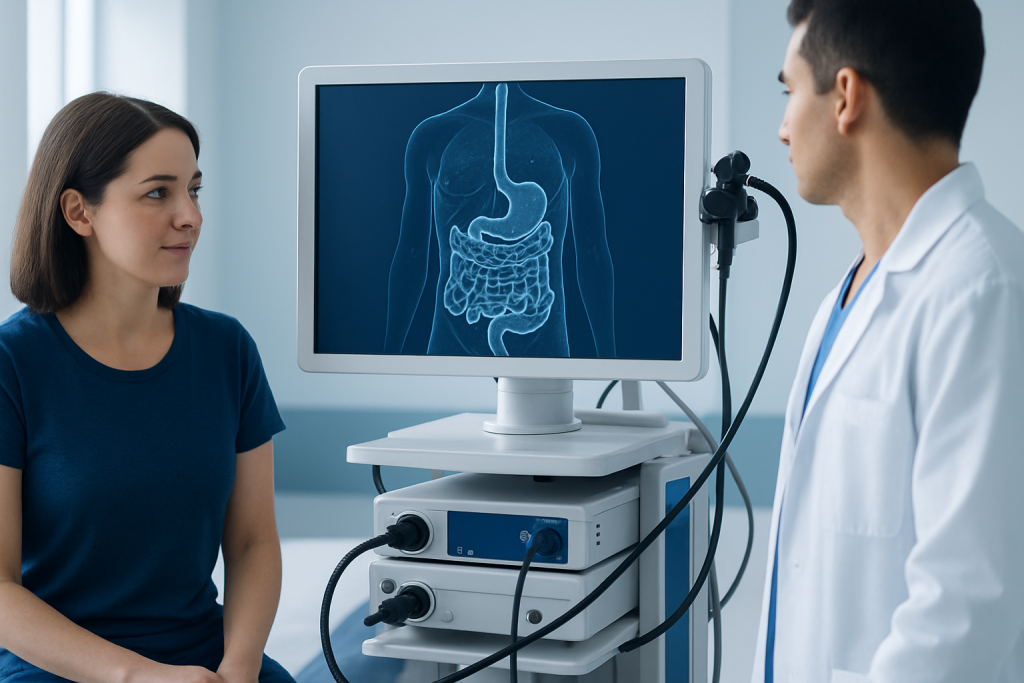
One of the most interesting digestive system amazing facts is that digestion begins in the mouth. Chewing breaks food into smaller pieces, while saliva starts chemical digestion, especially of carbohydrates. This early step matters because well-chewed food is easier for the stomach and intestines to handle.
Food does not simply fall into the stomach. It is pushed downward by rhythmic muscle movements called peristalsis. These wave-like contractions continue throughout much of the digestive tract, helping move food, mix it with digestive juices, and direct waste toward elimination. Even when a person is lying down, these muscles can still move food effectively.
The stomach then acts as both a mixer and a chemical processor. It releases acid and enzymes that help break down proteins and kill many swallowed microbes. The small intestine takes over next, and this is where most digestion and absorption occur. Enzymes from the pancreas and bile from the liver and gallbladder help the intestine break down fats, proteins, and carbohydrates into forms the body can absorb.
- The small intestine is the main site of nutrient absorption.
- The large intestine mainly absorbs water and electrolytes.
- The liver processes nutrients absorbed from the intestine before they circulate more widely.
- The pancreas supports digestion by producing enzymes and bicarbonate.
The Gut Does More Than Digest Food

A key medical fact is that the digestive system supports far more than eating. The intestines help absorb vitamins, minerals, fats, proteins, carbohydrates, and water that the body needs for growth, energy production, tissue repair, and hormone function. Without healthy digestion and absorption, even a balanced diet may not fully meet the body’s needs.
The gut also plays an important role in immune defense. A large part of the body’s immune activity is linked to the gastrointestinal tract, where specialized tissues help identify harmful organisms while tolerating food and beneficial bacteria. This is one reason infections, inflammation, and changes in gut bacteria can affect both digestive and overall health.
Another of the digestive system amazing facts is the importance of the gut microbiome. Trillions of microorganisms live in the intestines and contribute to digestion, vitamin production, and immune balance. Research continues to explore how the microbiome may influence conditions such as diarrhea, bloating, inflammatory bowel disease, and even aspects of mental well-being, although these relationships are complex and still being studied.
Common Symptoms and What They May Mean
Many digestive symptoms are common and often temporary. Bloating, heartburn, nausea, constipation, diarrhea, and mild abdominal discomfort may happen after dietary changes, infections, stress, medications, or overeating. In many cases, these symptoms improve with time, hydration, and attention to eating habits.
However, symptoms can sometimes point to an underlying digestive disorder. Persistent acid reflux may be related to reflux disease, while repeated abdominal pain, altered bowel habits, and bloating may need evaluation for conditions affecting the stomach or intestines. Diarrhea, cramping, or unexplained fatigue can occasionally suggest inflammation, malabsorption, or infection.
Symptoms become more concerning when they are severe, recurrent, or accompanied by warning signs. These include blood in the stool, black stools, vomiting blood, unintentional weight loss, ongoing vomiting, yellowing of the skin or eyes, trouble swallowing, or pain that wakes a person from sleep. Although these signs do not always mean a serious illness, they should be assessed by a qualified healthcare professional.
Digestive Conditions Doctors Commonly Evaluate
Doctors assess a wide range of digestive conditions, from common functional problems to inflammatory or structural diseases. Acid reflux, peptic ulcers, gallstones, food intolerances, irritable bowel syndrome, infections, hemorrhoids, and constipation are among the issues frequently discussed in clinical care. Some conditions involve the upper digestive tract, while others mainly affect the intestines, liver, pancreas, or gallbladder.
Inflammatory bowel diseases can also affect digestion and quality of life. For example, Crohn’s disease may cause abdominal pain, diarrhea, weight loss, and fatigue because inflammation can interfere with normal intestinal function. Other people may develop ulcerative colitis, diverticular disease, celiac disease, or liver-related conditions that require targeted evaluation and follow-up.
It is also important to remember that symptoms from different disorders can overlap. A person with heartburn may have reflux, but similar discomfort may come from an ulcer or another upper gastrointestinal condition. This is why diagnosis is based not only on symptoms, but also on medical history, examination, and when needed, tests such as blood work, imaging, or endoscopy.
How Digestive Problems Are Diagnosed and Treated
Digestive diagnosis usually begins with a careful conversation about symptoms, eating habits, bowel patterns, medications, medical history, and family history. A doctor may ask when symptoms started, what makes them better or worse, and whether warning signs such as bleeding or weight loss are present. Physical examination can provide clues about tenderness, swelling, dehydration, or nutritional concerns.
Testing depends on the person’s symptoms. Blood tests, stool tests, abdominal ultrasound, CT or MRI scans, and breath tests may help identify infections, inflammation, bleeding, gallbladder disease, or absorption problems. For symptoms involving the esophagus, stomach, or intestines, procedures such as endoscopy or colonoscopy allow doctors to look directly at the digestive tract and, if needed, take small tissue samples for analysis.
Treatment is based on the cause. It may include dietary changes, fluid replacement, medication, management of triggers, treatment of infection, or follow-up for chronic conditions. In selected cases, gastroenterology care involves coordinated support from specialists in nutrition, imaging, endoscopy, surgery, and internal medicine. The goal is not only symptom relief, but also protecting nutrition, hydration, and long-term digestive health.
Supporting Digestive Health in Daily Life
Many practical habits can support healthy digestion. Eating regular meals, chewing thoroughly, drinking enough water, and including fiber-rich foods can help bowel function and comfort. Fiber from vegetables, fruits, legumes, and whole grains helps many people maintain more regular stools, although sudden large increases may cause gas or bloating in some individuals.
Physical activity is also helpful because movement supports normal bowel motility. Limiting tobacco, reducing excess alcohol, and taking medicines only as advised can lower the risk of irritation or complications in the digestive tract. People who notice that specific foods trigger symptoms may benefit from keeping a brief food and symptom diary to discuss with a clinician or dietitian.
Stress management can matter too. The digestive tract and nervous system are closely connected, so stress may contribute to nausea, abdominal pain, altered appetite, or changes in bowel habits. Relaxation techniques, adequate sleep, and consistent routines may help some people, although persistent symptoms still deserve medical review rather than self-diagnosis alone.
When to Seek Medical Care
Medical care is appropriate when digestive symptoms are severe, frequent, or continue despite simple measures. A person should arrange a medical assessment for ongoing heartburn, repeated vomiting, persistent diarrhea or constipation, abdominal pain that does not improve, swallowing difficulty, or symptoms that interfere with eating, sleep, or daily activities.
Urgent evaluation is important for vomiting blood, black or bloody stools, signs of dehydration, fainting, chest pain with indigestion-like symptoms, jaundice, severe abdominal swelling, or sudden intense abdominal pain. These symptoms do not always indicate a dangerous condition, but they should not be ignored.
For people seeking specialist assessment, Acibadem International’s multidisciplinary specialists and JCI-accredited hospitals diagnose and treat digestive conditions for international patients. Early evaluation can help clarify the cause of symptoms and guide safe, appropriate treatment.
Frequently asked questions
What are the most interesting digestive system amazing facts?
Digestion starts in the mouth, not the stomach, because chewing and saliva begin breaking down food right away. The small intestine performs most nutrient absorption, while the gut also supports immunity and houses a large microbiome that influences digestion and health.
How long does digestion usually take?
Digestion is different for each person and can vary depending on the type of food, hydration, activity level, and overall health. In general, food moves through the digestive tract over many hours rather than minutes, with stomach emptying and intestinal transit occurring at different speeds.
Why does stress affect the stomach and bowels?
The gut and brain communicate closely through nerves, hormones, and immune signals. Because of this connection, stress can contribute to symptoms such as nausea, cramping, bloating, diarrhea, constipation, or appetite changes in some people.
Is bloating always a sign of digestive disease?
No, bloating is common and may happen after overeating, eating quickly, swallowing air, or consuming foods that are harder to digest. However, persistent or painful bloating, especially with weight loss, vomiting, or bowel changes, should be discussed with a doctor.
What are common warning signs that need medical attention?
Warning signs include blood in the stool, black stools, vomiting blood, trouble swallowing, unexplained weight loss, persistent vomiting, jaundice, or severe abdominal pain. These symptoms should be medically assessed because they can signal conditions that need prompt evaluation.
Can diet alone fix every digestive problem?
Diet can improve many mild digestive symptoms, but it does not treat every underlying condition. Some problems require testing, medication, endoscopic evaluation, or specialist care, so persistent symptoms should not be managed only with home remedies.
References
- National Institute of Diabetes and Digestive and Kidney Diseases
- National Institutes of Health
- American College of Gastroenterology
- National Health Service
- World Gastroenterology Organisation
This article is for general information only and is not a substitute for professional medical advice. Please consult a qualified doctor about your individual situation.
Persistent digestive symptoms? Get evaluated in Turkey
JCI-accredited · board-certified surgeons · reply within 24h
Add us as a Preferred Source to see more of our trusted health content across Google Search, AI Overviews and Discover.

More from the Health Library

Bradycardia: A Complete Medical Overview

Snacks: An Evidence-Based Guide for Patients

Probiotics for Constipation: A Complete Medical Overview

Ipratropium: A Complete Medical Overview

Pimple on Finger: Common Causes and Warning Signs