Does Spironolactone Cause Weight Gain? Causes, Explanations, and Next Steps

Spironolactone is not commonly linked to true body-fat gain. Short-term weight changes may reflect fluid shifts rather than lasting weight gain.
Key Takeaways
- Spironolactone is not commonly linked to true body-fat gain.
- Short-term weight changes may reflect fluid shifts rather than lasting weight gain.
- A doctor may review symptoms, medications, hormone-related conditions, and lab tests to find the real cause.
- Rapid swelling, shortness of breath, dizziness, or major changes in urination need prompt medical advice.
- Patients should not stop spironolactone on their own without speaking to a clinician.
Spironolactone does not usually cause true fat gain. If weight changes happen while taking it, they are more often related to fluid balance, the condition being treated, eating patterns, or another health issue that should be assessed in context.
Overview: does spironolactone cause weight gain?
In most cases, the answer to does spironolactone cause weight gain is no. Spironolactone is not generally known to cause true fat gain, and many people taking it do not notice any lasting increase in body weight.
When weight changes happen, they are often mild and may be related to fluid shifts, changes in the underlying condition being treated, or factors unrelated to the medicine itself. Because spironolactone can affect salt and water balance, some people may notice the scale moving up or down over a short period without this meaning they have gained body fat.
For many patients, this is harmless and temporary. However, rapid weight gain, visible swelling, trouble breathing, faintness, or major changes in urination should be reviewed by a doctor, because these can point to fluid retention, dehydration, or another medical issue rather than a simple medication side effect.
Why weight may change while taking spironolactone
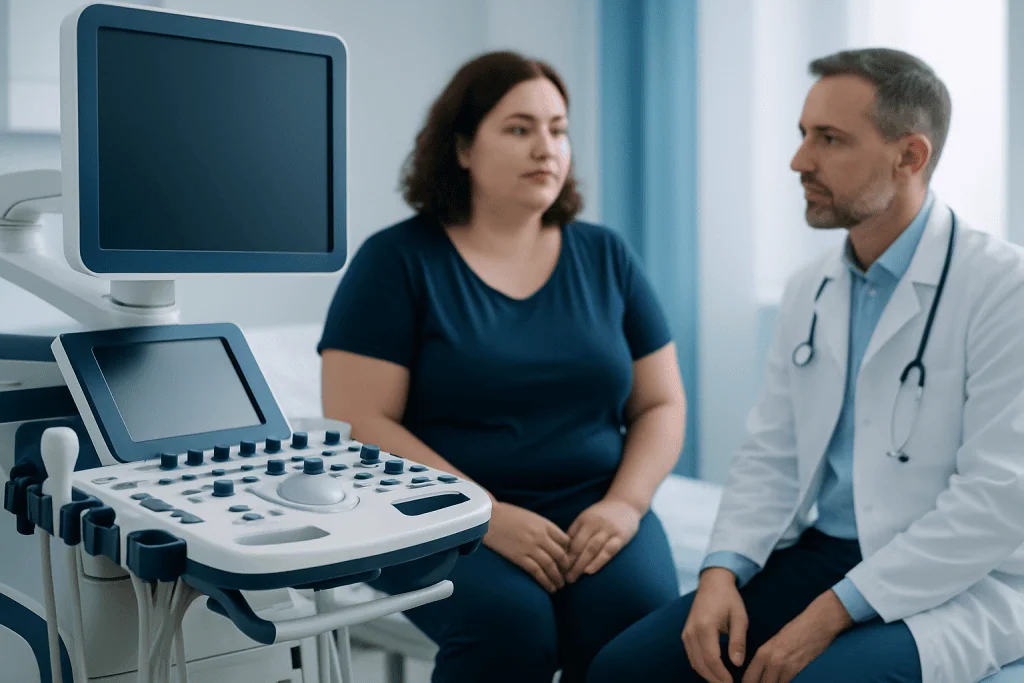
Spironolactone is a potassium-sparing diuretic, sometimes called a “water pill.” It is used for several reasons, including high blood pressure, heart-related fluid buildup, hormone-related acne, hair growth concerns, and some conditions linked to excess androgens. Since it changes how the body handles fluid and electrolytes, body weight can fluctuate for reasons that have little to do with fat gain.
In the early stages of treatment, some people actually lose water weight. Others may feel bloated at times because of menstrual cycle changes, digestive factors, or the condition being treated. For example, people with hormone-related symptoms may already have monthly shifts in appetite, bloating, and scale weight before starting the medication.
Weight change during spironolactone treatment can also happen because of everyday factors that are easy to overlook. These include:
- Normal day-to-day fluid variation
- Menstrual cycle–related bloating
- Changes in appetite or eating habits
- Reduced activity because of illness or stress
- Another medicine taken at the same time
- An underlying condition such as thyroid, kidney, liver, or heart disease
Because these causes are common, doctors usually look at the full picture rather than assuming spironolactone itself is responsible.
Possible explanations: fluid shifts, hormones, and other causes

A helpful way to understand this issue is to separate fluid-related weight change from true fat gain. Fluid-related changes often happen quickly, over days rather than weeks or months. Clothes may feel tighter, rings may leave marks, or the face, ankles, or abdomen may look puffy. True fat gain usually develops more gradually and reflects a sustained excess of calorie intake over calorie use.
Hormonal conditions can complicate the picture. Spironolactone is often prescribed in people with acne, excess facial or body hair, or suspected hormone imbalance, including polycystic ovary syndrome (PCOS). PCOS itself can be associated with weight changes, insulin resistance, and bloating, so it may be difficult to tell whether the scale change is from the medicine or from the underlying condition.
Other medications can matter too. Birth control pills, steroids, some antidepressants, insulin, and certain blood pressure treatments may influence appetite, water retention, or metabolism. In patients taking several medicines, the apparent link to spironolactone may simply be timing rather than cause.
Less commonly, unexplained weight gain can point to another health problem that needs evaluation, such as thyroid disease, kidney disease, liver disease, or heart-related fluid retention. That is why persistent or rapid changes deserve medical review rather than guesswork.
Symptoms that may occur along with weight gain
If someone gains a small amount of weight without any other symptoms, the cause is often not urgent. Still, it helps to watch for patterns. A morning weight that rises quickly over a few days, swelling in the legs, abdominal fullness, or puffiness around the eyes may suggest fluid retention rather than true fat gain.
Some symptoms may suggest the opposite problem: that the medicine is causing too much fluid loss or affecting blood pressure. These can include lightheadedness, weakness, dry mouth, increased thirst, muscle cramps, or feeling faint on standing. Although these symptoms do not mean weight gain, they are important because they may occur while a patient is trying to interpret body-weight changes.
People taking spironolactone should also be aware of general side effects such as menstrual irregularity, breast tenderness, nausea, or stomach upset. In some cases, these symptoms may indirectly affect appetite and eating habits. Weight gain may then appear related to the drug, even though the actual mechanism is lifestyle change rather than direct fat accumulation.
When swelling is significant, a doctor may also consider related causes such as kidney or heart problems. In that setting, tests may be needed to rule out conditions where fluid balance is a central issue, including heart failure in the appropriate clinical context.
How doctors evaluate unexpected weight gain on spironolactone
If weight gain becomes noticeable, persistent, or concerning, a doctor will usually start with a careful history. They may ask when spironolactone was started, how quickly the weight changed, whether there is swelling, how urine output has changed, and whether there are menstrual, dietary, or exercise-related explanations. Reviewing all medicines and supplements is also important.
A physical examination can help distinguish fat gain from fluid retention. Doctors may check blood pressure, signs of ankle or leg swelling, abdominal bloating, hydration status, and heart and lung findings. This often provides more useful information than the scale number alone.
Depending on the situation, tests may include blood work to look at kidney function, electrolytes such as potassium, liver function, blood sugar, and thyroid levels. A urine test may also be used. In selected patients, imaging or cardiac evaluation may be recommended if symptoms suggest a separate medical cause.
When a hormone-related condition is suspected, further assessment may be needed. Some patients may benefit from an endocrinology review and treatment planning for endocrine and metabolic disorders, especially if weight gain is accompanied by irregular periods, acne, excess hair growth, or blood sugar concerns.
Treatment options and what to do next
The best next step depends on the likely cause. If the issue is simple daily fluctuation, no treatment may be needed beyond monitoring. If bloating or swelling is present, a doctor may review fluid intake, salt intake, kidney function, and whether the current spironolactone plan is still appropriate.
Patients should not stop spironolactone suddenly without medical advice, especially if it is being used for blood pressure, heart, kidney, or hormone-related reasons. Stopping on one’s own can create new problems, including worsening of the condition being treated.
If another cause is found, treatment is directed at that problem rather than automatically blaming spironolactone. This may involve adjusting medications, managing a hormonal condition, or investigating fluid retention further. In patients with edema or unexplained swelling, clinicians may evaluate whether additional cardiology care or kidney-related follow-up is appropriate.
Where symptoms suggest a broader hormonal picture, treatment may focus on lifestyle support, blood sugar assessment, menstrual health, and weight patterns over time. For some patients, structured support through weight management and obesity care may be relevant, but only when weight change reflects a broader metabolic issue rather than a simple medication effect.
Self-care and monitoring at home
Home monitoring can make medical advice more accurate. Rather than relying on a single reading, patients can weigh themselves at the same time of day, ideally in the morning after using the bathroom and before eating. Looking for trends over one to two weeks is more useful than reacting to one-day changes.
It also helps to track symptoms alongside weight. A brief note about swelling, menstrual timing, appetite, exercise, and salt intake can show whether the pattern fits fluid retention or a broader lifestyle change. If available, waist measurement and how clothes fit may provide additional context.
General self-care steps include staying hydrated, limiting excessive salty processed foods, maintaining regular physical activity when possible, and attending follow-up blood tests as advised. Patients should also mention any over-the-counter products, since some supplements and pain relievers can affect fluid balance or kidney function.
Near the end of evaluation or treatment, some patients may choose specialist review. Acibadem International’s multidisciplinary specialists and JCI-accredited hospitals diagnose and treat conditions related to fluid balance, hormones, and metabolic health for international patients.
When to seek medical care
Medical review is recommended if weight gain is rapid, continues for several weeks, or is accompanied by swelling of the legs, hands, face, or abdomen. Patients should also speak to a doctor if they notice severe bloating, marked fatigue, menstrual changes that are difficult to manage, or a clear change in appetite that is affecting daily life.
More urgent assessment is important if weight gain comes with shortness of breath, chest discomfort, confusion, fainting, severe dizziness, very low urine output, or significant weakness. These symptoms do not always mean a serious problem, but they should not be ignored.
Anyone taking spironolactone should also seek advice if they have vomiting, diarrhea, dehydration, or start a new medication, because these situations can affect kidney function and electrolyte balance. A qualified doctor can decide whether the medicine is still appropriate and what testing, if any, is needed.
Frequently asked questions
Can spironolactone make someone gain fat?
It is not commonly associated with true fat gain. If weight increases while taking spironolactone, doctors often look first at fluid changes, the underlying condition, eating patterns, and other medicines.
Why did the scale go up after starting spironolactone?
A higher scale reading can happen for many reasons, including normal fluid fluctuation, menstrual bloating, constipation, diet changes, or another health condition. A quick rise over a few days is more suggestive of fluid change than body-fat gain.
Does spironolactone usually cause water retention?
Spironolactone is generally used to help the body release excess salt and water, not retain it. If swelling develops while taking it, a doctor may look for another explanation such as heart, kidney, liver, or hormonal issues.
Should a patient stop spironolactone if they think it is causing weight gain?
No one should stop prescribed spironolactone without medical advice. The medicine may be important for blood pressure, fluid control, or hormone-related symptoms, and a doctor can help decide whether the weight change is truly related.
What tests might be done for unexpected weight gain on spironolactone?
A doctor may check blood pressure, look for swelling, and review all medications and symptoms. Blood tests often include kidney function, electrolytes, thyroid function, and sometimes blood sugar or hormone-related testing depending on the situation.
When is weight gain on spironolactone an emergency?
Urgent assessment is needed if weight gain is accompanied by shortness of breath, chest symptoms, fainting, severe dizziness, confusion, or very low urine output. These signs may point to a fluid or electrolyte problem or another condition needing prompt care.
References
- U.S. National Library of Medicine
- National Health Service
- American Heart Association
- National Institute of Diabetes and Digestive and Kidney Diseases
- Mayo Clinic
This article is for general information only and is not a substitute for professional medical advice. Please consult a qualified doctor about your individual situation.
Medical weight-loss options in Turkey — costs & eligibility
JCI-accredited · board-certified surgeons · reply within 24h
Add us as a Preferred Source to see more of our trusted health content across Google Search, AI Overviews and Discover.
Check your numbers in seconds
BMI, calories, due date, blood pressure and 30+ more clinical calculators — free, instant, doctor-reviewed ranges.