A Spot in Female: What Patients Need to Know
A spot in female means light vaginal bleeding or blood-stained discharge outside a normal period. Spotting may be linked to hormones, contraception, pregnancy, infection, or conditions of the cervix or uterus.
Key Takeaways
- A spot in female means light vaginal bleeding or blood-stained discharge outside a normal period.
- Spotting may be linked to hormones, contraception, pregnancy, infection, or conditions of the cervix or uterus.
- The pattern matters: spotting after sex, between periods, after menopause, or during pregnancy should be assessed carefully.
- Medical evaluation may include a pelvic exam, pregnancy test, infection testing, and ultrasound.
- Urgent care is important for heavy bleeding, severe pain, dizziness, fainting, or bleeding in pregnancy.
- Many causes are treatable once the source of the bleeding is identified.
A spot in female usually refers to light vaginal bleeding outside the usual menstrual period. Spotting can happen for many reasons, including hormonal changes, pregnancy-related causes, infections, or conditions affecting the cervix or uterus, so the meaning depends on timing, symptoms, and age.
Overview: what “a spot in female” usually means
When people search for “a spot in female,” they are usually asking about light vaginal bleeding or blood-stained discharge that appears outside a regular menstrual period. This is often called spotting. It may show up as a few drops of pink, red, or brown blood on underwear, toilet paper, or a panty liner.
Spotting is common and does not always mean something serious. In many cases, it is related to ovulation, starting or changing hormonal contraception, or mild irritation of the cervix or vagina. Still, because bleeding can also be a sign of pregnancy-related problems, infection, polyps, fibroids, or less commonly cancer, the cause should be understood rather than guessed.
The most helpful clues are when the spotting happens, how long it lasts, whether it happens after sex, and whether there are other symptoms such as pain, discharge, fever, or missed periods. Age also matters. Spotting in teenagers, reproductive-age adults, pregnancy, perimenopause, and after menopause can have different explanations.
Symptoms and patterns that can help explain spotting
Spotting is usually much lighter than a menstrual period. Some people notice only a smear of blood, while others may need a light pad. The blood may be bright red if it is fresh or brown if it is older and leaving the body more slowly. It may happen once or recur over days or weeks.
Doctors often ask about the pattern because it gives important clues. Spotting may occur between periods, around ovulation, after sex, after a pelvic exam, after inserting a tampon, after starting birth control, or after menopause. It can also happen in early pregnancy or after childbirth.
Other symptoms may point toward a specific cause. These can include pelvic pain or cramping, pain during sex, unusual vaginal discharge, bad odor, itching, burning with urination, fever, nausea, or a missed period. If spotting is accompanied by heavy bleeding, severe pain, dizziness, or weakness, it needs prompt medical attention.
- Light bleeding between periods may be related to hormones or contraception.
- Spotting after sex can occur with cervical irritation, infection, polyps, or other cervical changes.
- Brown spotting may simply be old blood, but persistent episodes still deserve review.
- Bleeding after menopause is not considered normal and should always be evaluated.
Common causes and risk factors

Hormonal changes are one of the most common reasons for spotting. This can happen around ovulation, during puberty, in perimenopause, or after starting, stopping, or missing hormonal contraception such as pills, implants, injections, or intrauterine devices. Stress, significant weight change, intense exercise, thyroid disorders, and polycystic ovary syndrome can also affect hormone balance and lead to irregular bleeding.
Pregnancy-related causes are another major consideration. Very early in pregnancy, some people have light bleeding around the time the embryo implants, although not all early bleeding is implantation bleeding. Spotting can also occur with miscarriage, ectopic pregnancy, or changes in the cervix during pregnancy. Any bleeding in pregnancy should be discussed with a clinician.
Local conditions affecting the vagina, cervix, or uterus can also cause spotting. These include vaginal dryness, minor trauma, sexually transmitted infections, cervicitis, pelvic inflammatory disease, cervical polyps, uterine polyps, uterine fibroids, or endometriosis. A condition such as cervical cancer is less common but can present with bleeding after sex or unexpected bleeding, which is why persistent spotting should not be ignored.
Risk factors depend on the underlying cause. They may include a recent change in birth control, unprotected sex, a history of irregular periods, thyroid disease, being pregnant, approaching menopause, smoking, or not being up to date with cervical screening. Blood-thinning medicines can also make spotting more noticeable.
How doctors diagnose the cause
Diagnosis begins with a careful medical history. A doctor usually asks when the spotting started, how often it happens, how much blood there is, the date of the last menstrual period, whether pregnancy is possible, what contraception is used, and whether there is pain, discharge, fever, or bleeding after sex. The goal is to place the spotting in context rather than treat every case the same way.
A physical and pelvic exam may be recommended to look for irritation, infection, polyps, or other visible causes. Testing often includes a pregnancy test, especially if there is any chance of pregnancy. Depending on symptoms, clinicians may also perform cervical screening review, vaginal or cervical swabs for infection, blood tests to assess anemia or hormone-related problems, and thyroid testing.
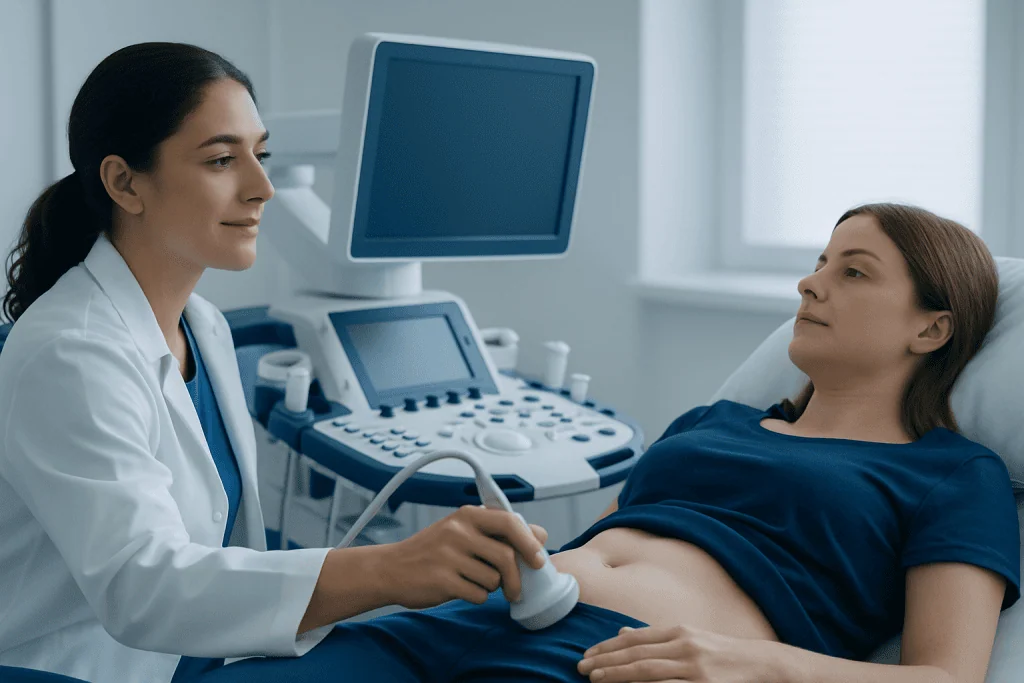
If the bleeding pattern suggests a uterine cause, imaging may be used. A pelvic ultrasound is commonly ordered to look for fibroids, polyps, ovarian cysts, or changes in the uterine lining. In some cases, a specialist may recommend pelvic ultrasound as the first imaging step, or additional assessment such as hysteroscopy or sampling of the uterine lining, especially in persistent bleeding or after menopause.
The exact workup depends on age and risk profile. For example, a young person with a recent contraceptive change may need a different evaluation from someone with new bleeding after menopause. The purpose of testing is to rule out urgent causes, identify treatable conditions, and guide the safest next step.
Treatment options depend on the underlying cause
There is no single treatment for spotting because the best approach depends on why it is happening. If spotting is linked to a new contraceptive method, a clinician may advise monitoring for a short time, adjusting the method, or switching to another option. When hormones are contributing, managing thyroid problems or other endocrine issues can also help regulate bleeding.
If an infection is present, treatment may include antibiotics or other medicines, and sexual partners may sometimes need evaluation depending on the infection. Vaginal dryness or minor irritation may improve with avoiding irritating products, using lubrication during sex, or specific treatments advised by a doctor. Polyps or fibroids may need follow-up, medication, or procedures if they are causing persistent symptoms.
When a structural problem inside the uterus is suspected, treatment may involve targeted procedures. For some patients, doctors may recommend hysteroscopy to look inside the uterus and, if appropriate, remove a polyp or take a sample. If larger fibroids are responsible for bleeding, care may range from observation to medical therapy or selected procedures.
Bleeding in pregnancy is managed differently and should never be self-treated without professional advice. Likewise, bleeding after menopause needs proper evaluation because treatment depends on whether the cause is thinning tissue, a polyp, medication effect, or a more serious condition. In all cases, the goal is to treat the cause while also protecting comfort, fertility when relevant, and long-term health.
Self-care and prevention
Some episodes of spotting cannot be prevented, especially those related to natural hormonal shifts. Even so, a few practical steps can reduce irritation and help clinicians assess the problem accurately. Keeping a simple diary of bleeding days, period timing, pain, discharge, sexual activity, contraception use, and any missed pills can be very useful.
Good genital care matters. It helps to avoid douching, strongly scented washes, or harsh products that may irritate the vagina and cervix. Using condoms can lower the risk of sexually transmitted infections, and staying up to date with cervical screening supports early detection of cervical changes. If hormonal contraception is used, taking it exactly as prescribed may reduce breakthrough bleeding.
General health habits also support menstrual and reproductive health. These include maintaining a balanced diet, managing stress, getting regular sleep, and seeking care for thyroid disease, PCOS, or other ongoing conditions. People with heavy or recurrent bleeding should ask whether they need blood tests for iron deficiency or anemia.
If spotting is frequent or difficult to explain, self-care should not replace evaluation. A gynecologist may suggest further assessment, especially if there is pain, infertility, postmenopausal bleeding, or a family or personal history that raises concern. In complex cases, specialist care may include gynecology evaluation to plan individualized treatment.
When to seek medical care
Medical review is advisable if spotting lasts more than a few cycles, happens repeatedly between periods, occurs after sex, starts after menopause, or appears during pregnancy. It is also wise to seek care if spotting comes with pelvic pain, unusual discharge, fever, pain during sex, or signs of anemia such as unusual tiredness or shortness of breath.
Urgent care is important for heavy bleeding that soaks pads quickly, severe lower abdominal pain, shoulder pain, fainting, dizziness, or weakness. These symptoms can occur with emergencies such as significant blood loss or ectopic pregnancy. Sudden severe symptoms should not be watched at home.
People who are unsure whether the bleeding is vaginal, urinary, or rectal should also see a doctor, since the source is not always obvious. Clear diagnosis allows safe treatment and reassurance. Near the end of the care pathway, some patients may need multidisciplinary support; Acibadem International’s specialists in JCI-accredited hospitals diagnose and treat gynecologic conditions for international patients when this is needed.
Frequently asked questions
Is spotting the same as a period?
No. Spotting usually means a small amount of bleeding outside the expected menstrual period, while a period is the regular shedding of the uterine lining. Spotting is often lighter, shorter, and may appear as pink, red, or brown marks rather than steady menstrual flow.
Can stress cause spotting in females?
Yes, stress can affect hormone signals that regulate the menstrual cycle and may contribute to irregular bleeding or spotting. However, stress is only one possible cause, so persistent or unexplained spotting should still be discussed with a doctor.
Is spotting during pregnancy normal?
Light bleeding can happen in pregnancy, especially early on, but it should never be assumed to be normal without medical advice. Because pregnancy bleeding can also signal miscarriage, ectopic pregnancy, or placental problems, a clinician should assess it.
What does spotting after sex mean?
Spotting after sex can happen from minor irritation, vaginal dryness, or small cervical changes. It can also be related to infection, cervical polyps, or other conditions, so repeated bleeding after sex should be evaluated.
Should spotting after menopause be checked?
Yes. Any vaginal bleeding after menopause should be assessed by a healthcare professional. Many causes are treatable, but postmenopausal bleeding needs evaluation because it can sometimes be linked to changes in the uterine lining or other gynecologic conditions.
How do doctors find the cause of spotting?
They usually start with a medical history, pregnancy test, and sometimes a pelvic exam. Depending on the situation, they may also use infection tests, blood tests, cervical assessment, or pelvic ultrasound to look at the uterus and ovaries.
References
- American College of Obstetricians and Gynecologists
- National Health Service
- Mayo Clinic
- World Health Organization
- Office on Women's Health
This article is for general information only and is not a substitute for professional medical advice. Please consult a qualified doctor about your individual situation.
Explore treatments in Turkey — costs, top hospitals & a free quote
JCI-accredited · board-certified surgeons · reply within 24h
Add us as a Preferred Source to see more of our trusted health content across Google Search, AI Overviews and Discover.
Check your numbers in seconds
BMI, calories, due date, blood pressure and 30+ more clinical calculators — free, instant, doctor-reviewed ranges.

More from the Health Library

Immunosuppressant: What Patients Need to Know

Ureter: An Evidence-Based Guide for Patients

Almond Milk: A Complete Medical Overview

Coq10: A Complete Medical Overview

Oatmeal Bath for Babies: An Evidence-Based Guide for Patients