Buckle Kneed — Explained by Medical Evidence, Not Myths
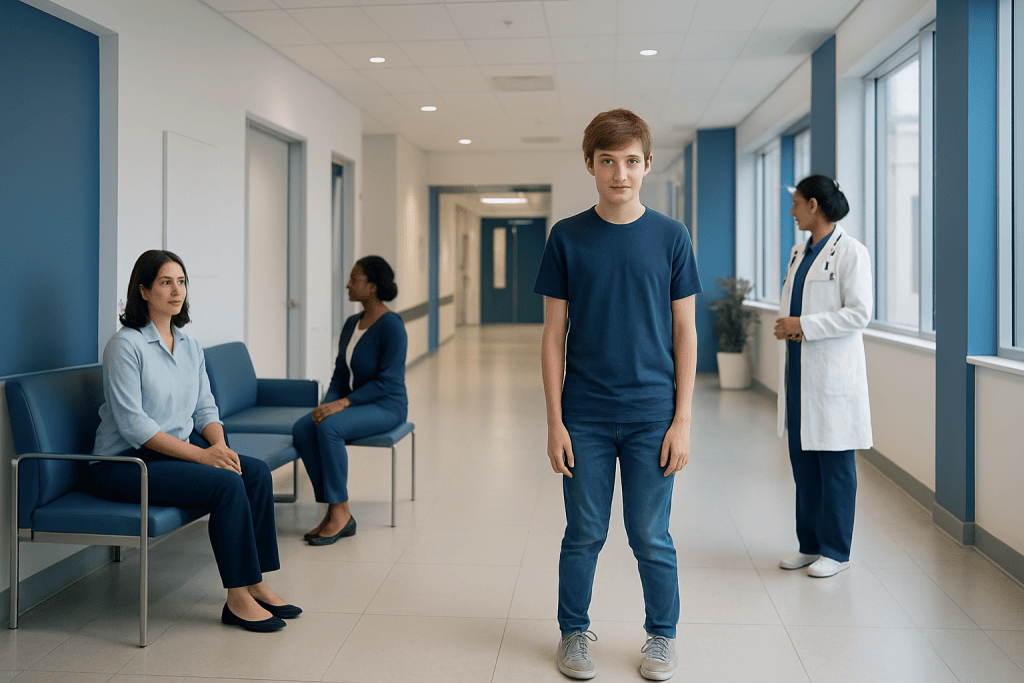
Buckle kneed most often describes knock knees, or genu valgum, where the knees move inward. In toddlers and preschool children, mild knock knees are commonly part of normal development.
Key Takeaways
- Buckle kneed most often describes knock knees, or genu valgum, where the knees move inward.
- In toddlers and preschool children, mild knock knees are commonly part of normal development.
- Medical review is more important when the condition is severe, one-sided, painful, worsening, or still present later in childhood or adulthood.
- Evaluation may include a physical examination, gait assessment, and sometimes imaging or blood tests.
- Treatment depends on the cause and can range from observation and exercise guidance to orthotic support or surgery in selected cases.
Buckle kneed usually refers to knees that angle inward so the ankles stay apart when standing, a pattern doctors call genu valgum or knock knees. In many young children this is a normal stage of growth, but in older children or adults it can sometimes point to an underlying bone, joint, or alignment problem that deserves medical assessment.
What buckle kneed means
Buckle kneed is a common non-medical way to describe knees that angle inward when a person stands or walks. The medical term is genu valgum, often called knock knees. In this alignment, the knees may touch or come close together while the ankles remain apart.
This finding is not automatically a disease. In early childhood, inward knee alignment often appears as a temporary and expected part of growth. As bones develop, leg alignment usually changes naturally over time, moving from bow-leggedness in infancy toward mild knock knees in the preschool years before settling into typical adult alignment.
The key question is not simply whether someone looks buckle kneed, but whether the pattern matches normal growth or suggests a problem with bone development, joint mechanics, muscle balance, injury, or another health condition. That is why age, symptoms, severity, and whether one or both legs are affected all matter during assessment.
How it can look and feel
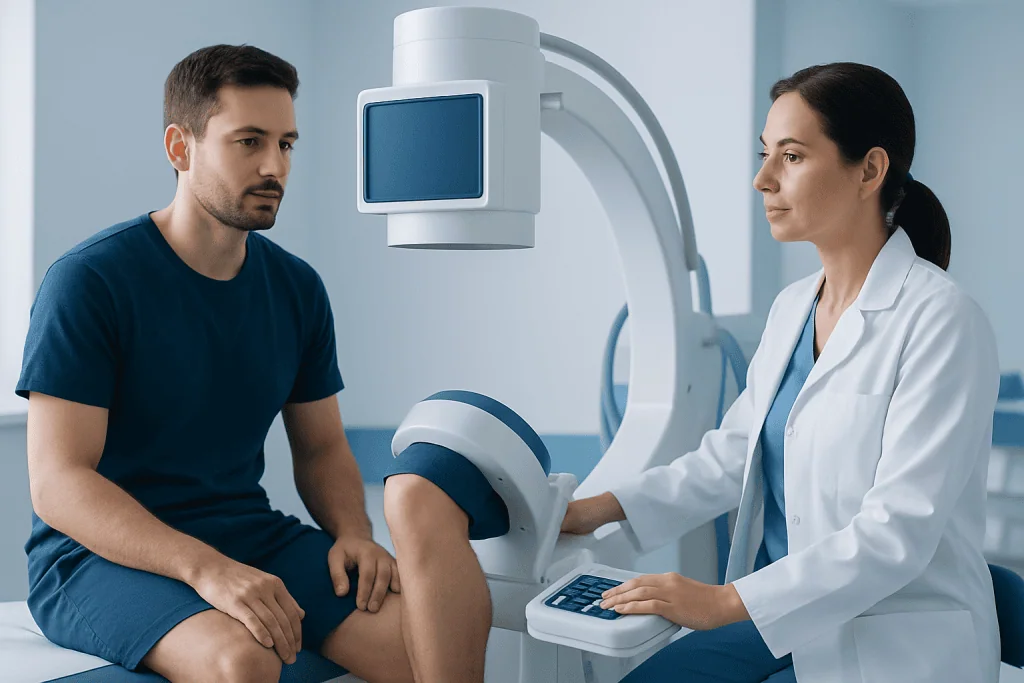
Some people with buckle kneed notice only a change in appearance, while others also have symptoms. The most obvious sign is inward angling of the knees when standing. A child may appear clumsy, run with the knees turned in, or have ankles that do not come together even when the knees touch.
When symptoms occur, they may include knee pain, fatigue with walking, altered gait, hip or ankle discomfort, or uneven shoe wear. In adults, long-standing leg misalignment can sometimes place extra pressure on parts of the knee joint and contribute to pain during activity.
Features that deserve closer attention include:
- One leg more affected than the other
- Progressive worsening over time
- Pain, limping, or frequent falls
- Short stature or other signs of growth problems
- Symptoms that continue beyond the usual age when alignment should improve
Although many cases are mild, persistent symptoms should not be dismissed, especially if they interfere with daily movement, sports, or comfort.
Why buckle kneed happens

In children, the most common cause is simply normal development. Leg alignment changes as a child grows, and mild knock knees often improve without treatment. However, not every case is developmental. Doctors also consider whether the shape of the bones, joints, or growth plates is contributing to the inward angle.
Other possible causes include previous injury around the growth plate, bone disorders, nutritional problems such as vitamin D deficiency leading to rickets, obesity that increases stress on the legs, or less commonly genetic and metabolic conditions that affect bone formation. In adolescents and adults, joint wear, prior trauma, and alignment differences can also play a role.
Sometimes buckle kneed appears alongside other musculoskeletal concerns, such as foot pronation, hip rotation differences, or conditions affecting the knee joint itself. Related orthopedic issues may need separate evaluation, including meniscus problems or knee osteoarthritis when pain and joint symptoms are present. Identifying the cause helps guide whether simple observation is enough or whether specific treatment is needed.
How doctors diagnose it
Diagnosis starts with a careful history and physical examination. The doctor asks about the person’s age, when the leg shape was first noticed, whether it is getting worse, and whether there is pain, limping, previous fracture, family history, or concerns about growth and nutrition.
During the examination, the doctor looks at standing posture, walking pattern, leg length, joint motion, and how the knees and ankles line up. Measurements may be taken to assess the distance between the ankles when the knees are together, or to estimate the degree of angulation.
Imaging is not always needed for a young child with typical, mild, symmetrical knock knees. However, X-rays may be recommended if the deformity is marked, asymmetrical, painful, present at an unusual age, or suspected to be related to injury or bone disease. Blood tests may be used if there is concern about vitamin deficiency, metabolic bone disease, or another underlying condition.
When symptoms affect function, further assessment may include gait analysis or referral to an orthopedic specialist. In selected cases, advanced imaging may help evaluate associated joint problems, and MRI scanning can be useful if soft tissue injury or cartilage damage is suspected.
Treatment options based on the cause
Treatment for buckle kneed depends on age, severity, symptoms, and the reason for the alignment change. In many young children with typical developmental knock knees, the safest and most appropriate approach is observation over time. Parents are usually advised to attend follow-up visits so the doctor can confirm that the legs are improving as expected.
If an underlying problem is identified, treatment focuses on that cause. For example, vitamin deficiencies are corrected, weight management may be discussed when excess body weight is adding strain, and pain-related activity modifications may be recommended. Physical therapy can sometimes help improve strength, balance, and walking mechanics, especially when muscle control or gait issues contribute to symptoms. Some patients may benefit from physical therapy and rehabilitation as part of a broader care plan.
Braces and special shoes do not routinely correct normal developmental genu valgum, but supportive footwear or orthotics may occasionally help comfort or walking mechanics in selected cases. If the knee or surrounding joints are painful, doctors may also evaluate for associated structural problems that need targeted care.
For significant deformity that persists, worsens, or causes functional problems, orthopedic surgery may be considered. Depending on age and bone maturity, options may include guided growth procedures in children or corrective bone realignment surgery in older adolescents and adults. When surgery is appropriate, it may be discussed alongside broader orthopedic care and, in carefully selected cases, knee replacement if advanced joint damage is present in adults.
Self-care, monitoring, and prevention
There is no single home remedy that can straighten all buckle kneed legs, because the approach depends on the cause. However, good general bone and joint health is helpful. Children should receive balanced nutrition, including adequate vitamin D and calcium intake according to their clinician’s guidance, and have regular health checks when growth concerns exist.
Maintaining a healthy body weight can reduce extra load on the knees. Regular physical activity supports strength, balance, and mobility. Exercises are best chosen based on individual needs rather than internet trends, especially if pain is present. A doctor or physiotherapist can suggest safe stretches and strengthening work when needed.
Monitoring is especially important in children. Parents can watch whether the legs appear to be improving with age, whether the child walks comfortably, and whether one side looks different from the other. Persistent or worsening changes should be reviewed rather than managed with unproven devices or myths about posture alone causing the problem.
For adults, preventing joint strain includes supportive footwear, appropriate exercise, and early assessment of knee pain. Long-term misalignment can sometimes contribute to wear in the knee joint, so early advice may help preserve comfort and function.
When to seek medical care
Medical care is advisable if buckle kneed is severe, painful, one-sided, worsening, or still clearly present beyond the age when normal childhood alignment usually improves. A child should also be evaluated if there is limping, delayed walking, frequent falls, short stature, a history of fracture, or signs of poor nutrition or bone weakness.
Adults should seek assessment if inward knee alignment is new, associated with pain, swelling, instability, reduced mobility, or difficulty with daily activities. These features can sometimes signal a joint or bone problem rather than a simple variation in alignment.
A qualified doctor can decide whether reassurance and follow-up are enough or whether tests and treatment are needed. Near the end of the care pathway, patients may be referred to orthopedic specialists; Acibadem International’s multidisciplinary teams in JCI-accredited hospitals evaluate and treat musculoskeletal alignment conditions for international patients when specialist care is required.
Frequently asked questions
Is buckle kneed the same as knock knees?
Yes, buckle kneed usually refers to knock knees, which doctors call genu valgum. It means the knees angle inward, often making the ankles stay apart when standing with the knees together.
Is buckle kneed normal in children?
Often, yes. Mild knock knees are commonly part of normal growth in young children and usually improve as the legs develop. A doctor should review cases that are severe, uneven, painful, or persistent in older children.
Can exercise fix buckle kneed?
Exercise does not correct every cause of buckle kneed, especially when bone alignment is the main issue. However, strengthening and balance work may help movement, comfort, and gait in some people. A clinician or physiotherapist can advise which exercises are appropriate.
When is surgery needed for buckle kneed?
Surgery is generally considered only when the deformity is significant, persistent, and causing symptoms or functional limitations. The decision depends on age, severity, growth potential, and the underlying cause. An orthopedic specialist can explain whether guided growth or corrective realignment is suitable.
Can buckle kneed cause knee pain later in life?
It can, especially if the alignment is marked or has lasted for many years. Abnormal leg alignment may change how force passes through the knee joint and can contribute to strain or joint wear. Not everyone with knock knees develops pain, but persistent symptoms should be assessed.
Should adults with buckle kneed see a doctor?
Adults should seek medical advice if the condition is painful, worsening, affects walking, or appears on one side more than the other. New changes in alignment can sometimes point to arthritis, injury, or another orthopedic problem that needs evaluation.
References
- American Academy of Orthopaedic Surgeons
- American Academy of Pediatrics
- National Institute of Arthritis and Musculoskeletal and Skin Diseases
- MedlinePlus
- NHS
This article is for general information only and is not a substitute for professional medical advice. Please consult a qualified doctor about your individual situation.
Joint and spine care in Turkey — expert assessment & treatment
JCI-accredited · board-certified surgeons · reply within 24h
Add us as a Preferred Source to see more of our trusted health content across Google Search, AI Overviews and Discover.

More from the Health Library
Whiplash Injury: An Evidence-Based Guide for Patients

Jamba Juice Fruit Smoothies — Explained by Medical Evidence, Not Myths

Acarbose — Explained by Medical Evidence, Not Myths

Drinking Water Before Bed: An Evidence-Based Guide for Patients

Stomach Vacuum: An Evidence-Based Guide for Patients
Wegovy Dosing Schedule: An Evidence-Based Guide for Patients
Orthopedic Surgery & Traumatology Specialists at Acibadem

Assoc. Prof. Dr. Çağrı Örs
Orthopedic Surgery & Traumatology
Fzt. Canberk Altan
Physical Medicine & Rehabilitation
Dr. Cem Tangay
Orthopedic Surgery & Traumatology
Dr. Cem Tekin Baran
Orthopedic Surgery & Traumatology