How to Get Shorter? A Doctor-Reviewed Answer

There is no safe, medically recommended way to intentionally become shorter. A person may seem shorter because of posture, spinal curvature, shoe changes, or normal age-related height loss.
Key Takeaways
- There is no safe, medically recommended way to intentionally become shorter.
- A person may seem shorter because of posture, spinal curvature, shoe changes, or normal age-related height loss.
- Sudden or noticeable loss of height can sometimes point to osteoporosis, vertebral fractures, or spine conditions.
- Doctors evaluate height concerns with a history, physical exam, height measurement, and sometimes imaging or bone testing.
- Improving posture, bone health, and treatment of underlying spine problems may help with apparent height loss.
- Back pain, fractures, spinal curvature, numbness, or rapid change in height should be medically assessed.
Most people cannot safely or intentionally make themselves shorter, and in many cases concerns about height are really concerns about posture, body proportions, or recent height loss. When someone seems shorter than before, a doctor looks first for common, often treatable explanations such as spinal posture changes, bone loss, or disc-related problems, while checking for warning signs that need medical attention.
Overview: Can a Person Get Shorter on Purpose?
For most people, the honest medical answer to how to get shorter is that they cannot safely make themselves shorter. Adult height is determined by bone growth during childhood and adolescence. Once growth plates close, the long bones do not naturally shorten, and doctors do not recommend trying to reduce height outside of very rare, carefully selected medical situations.
In everyday life, this question often reflects something else: feeling unusually tall, noticing a recent decrease in measured height, or looking shorter because of posture. These concerns are common and are often harmless. For example, slouching, rounded shoulders, spinal curvature, aging changes in the discs, or weak core muscles can change how tall a person appears without changing bone length.
What matters most is whether the change is stable and expected, or new and unexplained. A gradual, small reduction in height can happen with age. But more noticeable height loss, a hunched posture, or new back pain may point to a medical issue that deserves evaluation, such as bone thinning, a compression fracture, or a spinal condition.
Why Someone May Seem Shorter Than Before
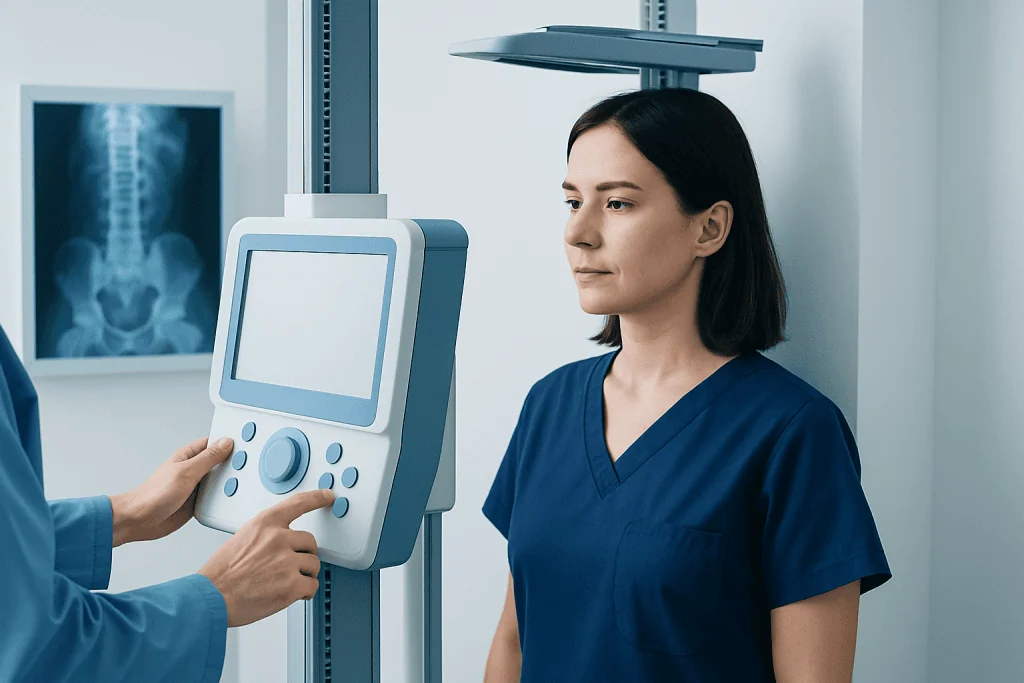
A person may seem shorter for several reasons, and not all of them mean true loss of body height. Posture is one of the most common explanations. Tight chest muscles, weak back muscles, prolonged desk work, and habitual slouching can make the spine curve forward and reduce standing height. In these cases, the concern may be more about alignment than actual shortening.
Normal aging can also play a role. Over time, the discs between the vertebrae can lose some water content and thickness. This can lead to a small decrease in height, especially later in adulthood. Bone density loss may contribute as well, particularly in postmenopausal women and older adults.
Sometimes the cause is more specific. A compression fracture in the spine can cause sudden height loss or a more stooped appearance. Conditions that affect spinal shape, such as scoliosis or excessive kyphosis, may also alter how tall a person looks. If there is concern about a curved spine, a clinician may assess for scoliosis or other structural changes.
Measurement differences can confuse the picture too. Height can vary slightly during the day because spinal discs compress with standing and activity. Different shoes, hairstyles, wall markings, or measuring techniques may make someone think they have become shorter when they have not.
Symptoms and Red Flags That Need Attention

Many people asking how to get shorter are not experiencing a dangerous symptom. Still, doctors pay attention when an apparent change in height comes with other signs. Back pain, especially mid-back pain, can suggest a vertebral compression fracture. A visibly worsening stooped posture may indicate bone loss or progressive spinal curvature.
Other red flags include height loss that seems rapid, repeated fractures after minor injuries, loss of balance, and chronic pain that limits daily activity. Numbness, tingling, leg weakness, or changes in bladder or bowel control need prompt medical review because they can point to nerve or spinal cord involvement.
People should also mention unexplained weight loss, long-term steroid use, past cancer, major trauma, or a family history of osteoporosis. These details can help a doctor understand whether the issue is mainly postural and benign or whether it may involve a more serious bone or spine condition.
- Gradual mild height loss with aging is often not dangerous.
- New back pain and sudden height loss are more concerning.
- A rounded upper back may reflect posture, but it can also signal vertebral fractures.
- Nerve symptoms require urgent assessment.
Common Causes and Risk Factors Doctors Consider
When someone reports getting shorter, clinicians think first about common causes. Poor posture, prolonged sitting, deconditioning, and weak spinal support muscles are frequent contributors. These factors can change appearance and measured height, especially if a person is not standing fully upright during measurement.
Bone health is another key issue. Osteopenia and osteoporosis can weaken vertebrae, increasing the risk of compression fractures and progressive height loss. This is especially relevant in older adults, people after menopause, those with low body weight, smokers, people with low calcium or vitamin D intake, and anyone using corticosteroids for a long time. If doctors suspect underlying bone weakness, they may assess for osteoporosis.
Spinal problems may also contribute. Disc degeneration, severe kyphosis, scoliosis, inflammatory disorders, or prior injuries can change spinal alignment and reduce standing height. In some cases, pain from a spinal problem leads to protective stooping or reduced mobility, which further affects posture. Imaging and specialist review may be needed if symptoms suggest a structural issue.
Less commonly, endocrine or metabolic disorders can affect bones and posture over time. A doctor may ask about thyroid disease, hormone changes, nutritional status, and chronic illness, particularly if the height change seems greater than expected for age.
How Doctors Evaluate Height Loss or a Shorter Appearance
The first step is a careful history. A doctor asks when the change was first noticed, whether it was sudden or gradual, and whether there is pain, fracture history, stiffness, weakness, or reduced mobility. They also ask about medications, menopause status, past injuries, exercise habits, nutrition, and family history of bone disease or spinal conditions.
The physical exam includes measuring height accurately, often comparing it with previous records if available. Posture, shoulder symmetry, spinal curvature, gait, and flexibility are assessed. The doctor may examine muscle strength, reflexes, and sensation if there are any symptoms suggesting nerve involvement.
If there are clues to bone loss or structural spine changes, further testing may be recommended. This can include spine X-rays, a bone mineral density scan, or advanced imaging when needed. Some patients with persistent back symptoms may need MRI scanning to look more closely at the spine, discs, or nerves. If there are signs of spinal instability or fracture, imaging helps guide treatment.
Blood tests are sometimes used to look for contributing factors such as vitamin D deficiency, calcium imbalance, thyroid issues, or other metabolic conditions. The goal is not simply to explain the change in height, but to identify any treatable cause and prevent further problems.
What Can Help: Treatment and Practical Management
Because people generally cannot and should not try to become shorter, treatment focuses on the real cause behind the concern. If posture is the main issue, guided exercises, core strengthening, and ergonomic changes may improve alignment and help a person stand more comfortably and naturally. Physical therapy can be especially helpful for retraining posture and improving flexibility.
If spinal pain, disc disease, or nerve-related symptoms are present, treatment depends on the diagnosis. It may include medication, supervised exercise, posture correction, and in selected cases more targeted interventions through physical therapy and rehabilitation. When symptoms suggest disc involvement, doctors may evaluate for a herniated disc or other spine disorders.
For bone loss, care often focuses on fracture prevention. A doctor may advise weight-bearing exercise, adequate calcium and vitamin D intake, fall-prevention measures, and medication when appropriate. If a compression fracture or another structural issue is confirmed, referral to an orthopedic or spine specialist may be needed. Some patients benefit from specialist-led orthopedic assessment and treatment depending on the cause.
When appearance rather than medical disease is the main concern, supportive counseling may also help. Distress about height can affect self-image, clothing choices, and social confidence. A calm medical review can reassure the person that no dangerous condition is present while offering practical ways to improve posture and comfort.
Prevention and Self-Care for Healthy Height and Posture
While a person cannot safely choose to be shorter, they can protect spinal health and reduce unnecessary height loss over time. Daily habits matter. Regular movement, strength training, and attention to posture support the muscles that keep the spine aligned. Breaking up long periods of sitting can reduce rounded shoulders and forward head posture.
Bone health is equally important. Adequate nutrition, including enough protein, calcium, and vitamin D, helps maintain skeletal strength. Avoiding smoking and limiting excess alcohol are also sensible steps. For adults at risk of osteoporosis, timely screening can identify bone loss before fractures occur.
Simple self-care habits can make a visible difference:
- Use supportive sitting and standing posture during work and daily activities.
- Strengthen back, hip, and core muscles with regular exercise.
- Seek assessment for persistent back pain or progressive stooping.
- Review medications and bone health risks with a clinician.
- Have height measured correctly during routine checkups if concerned.
Near the end of the care pathway, some people may need coordinated specialist evaluation. Acibadem International’s multidisciplinary specialists and JCI-accredited hospitals assess spine, bone, and posture-related causes of height loss for international patients when medically appropriate.
When to Seek Medical Care
Medical care is advisable when a person notices a meaningful change in height, especially if it is new, progressive, or accompanied by pain. A doctor should assess sudden back pain, a newly hunched posture, or a clear decrease in height over a short period. These may be signs of vertebral compression fractures or other spine problems.
Urgent medical attention is needed for weakness, numbness, trouble walking, or changes in bladder or bowel control. These symptoms can indicate nerve compression or spinal cord involvement. After a fall or injury, new height loss or severe back pain should also be evaluated promptly.
Even without emergency symptoms, it is reasonable to schedule an appointment if concerns about posture, height, or spinal shape are affecting daily life. A clinician can confirm whether the change is harmless, age-related, or linked to a condition that should be treated early. In some cases, further review by neurosurgery specialists or spine teams may be considered if structural or neurologic causes are found.
Frequently asked questions
Can an adult safely get shorter?
In general, no. Once growth plates close, adults cannot safely shorten their bones through routine methods, and doctors do not recommend trying to reduce height intentionally. If someone feels too tall, it is better to discuss posture, clothing fit, or emotional concerns with a qualified professional.
Why do I look shorter even if my bones have not changed?
Posture is a common reason. Slouching, rounded shoulders, weak back muscles, or a curved spine can make a person appear shorter without changing true bone length. Measurement differences and time of day can also affect height slightly.
Is it normal to lose height with age?
A small amount of height loss can happen with aging as spinal discs and posture change over time. However, more significant loss may suggest osteoporosis or spinal compression fractures. That is why noticeable or rapid changes should be checked by a doctor.
Can improving posture make me taller again?
Improving posture can help a person stand closer to their full natural height. It may not reverse bone or disc changes, but it can reduce a stooped appearance and improve comfort. Physical therapy and strengthening exercises are often useful.
What tests might a doctor order for height loss?
A doctor may start with accurate height measurement, posture assessment, and a physical examination. Depending on symptoms and risk factors, they may recommend spine X-rays, bone density testing, MRI, or blood tests. The exact workup depends on whether the concern is postural, bone-related, or neurologic.
When is height loss a warning sign?
Height loss is more concerning when it is sudden, clearly progressive, or linked to back pain, fractures, or a stooped posture. Numbness, weakness, balance problems, or changes in bladder or bowel control need urgent medical attention. These signs can indicate a spine or nerve problem rather than a harmless posture issue.
References
- National Institute on Aging
- National Institute of Arthritis and Musculoskeletal and Skin Diseases
- International Osteoporosis Foundation
- American Academy of Orthopaedic Surgeons
- Mayo Clinic
This article is for general information only and is not a substitute for professional medical advice. Please consult a qualified doctor about your individual situation.
Joint and spine care in Turkey — expert assessment & treatment
JCI-accredited · board-certified surgeons · reply within 24h
Add us as a Preferred Source to see more of our trusted health content across Google Search, AI Overviews and Discover.