Respiratory Arrest: What Patients Need to Know

Respiratory arrest is different from shortness of breath because it means breathing has stopped. Common causes include airway blockage, severe asthma, drug overdose, neurological problems, and advanced lung or heart disease.
Key Takeaways
- Respiratory arrest is different from shortness of breath because it means breathing has stopped.
- Common causes include airway blockage, severe asthma, drug overdose, neurological problems, and advanced lung or heart disease.
- Fast recognition and emergency response can be lifesaving.
- Doctors treat respiratory arrest by restoring breathing first and then identifying the underlying cause.
- People with chronic lung disease, sleep-disordered breathing, opioid use, or neurological conditions may need closer monitoring and prevention plans.
Respiratory arrest means breathing has stopped, either suddenly or after severe breathing difficulty. It is a life-threatening medical emergency that requires immediate emergency care and prompt treatment of the cause.
Overview
Respiratory arrest is the complete توقف of breathing. In practical terms, it means air is no longer moving in and out of the lungs well enough to support life. This can happen suddenly, or it can follow a period of worsening breathing trouble, extreme fatigue, confusion, or loss of consciousness.
For patients and families, the most important point is simple: respiratory arrest is a medical emergency. It is different from feeling short of breath after exercise or during a mild illness. When breathing stops, oxygen levels can fall quickly and carbon dioxide can rise, which can affect the brain, heart, and other organs within minutes.
Respiratory arrest is closely related to respiratory failure, but the two terms are not exactly the same. Respiratory failure means the lungs cannot exchange oxygen and carbon dioxide adequately; respiratory arrest means breathing has stopped altogether. Respiratory failure can progress to respiratory arrest if treatment is delayed. Readers who want broader context on severe breathing problems may also find respiratory failure helpful to understand.
What Happens During Respiratory Arrest
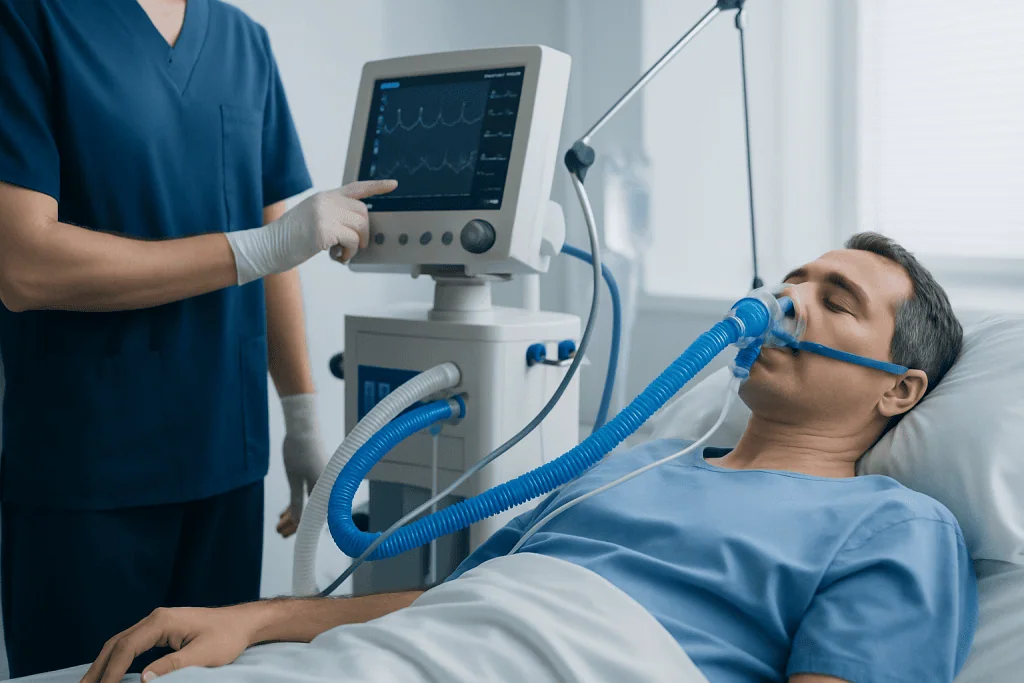
Normal breathing depends on several systems working together: the brain must send signals to breathe, the airway must stay open, the respiratory muscles must move the chest, and the lungs must exchange gases efficiently. Respiratory arrest occurs when one or more parts of this system fail.
Without breathing, the body cannot take in oxygen or remove carbon dioxide. Low oxygen can lead to bluish lips or fingertips, confusion, collapse, seizures, or cardiac arrest. High carbon dioxide may cause drowsiness, headache, flushed skin, or reduced alertness before breathing stops completely.
Sometimes respiratory arrest is sudden, such as with choking, drowning, or a severe drug overdose. In other cases, it develops after warning signs such as increasingly labored breathing, very fast or very slow breathing, inability to speak full sentences, unusual sleepiness, or a person who becomes less responsive.
Symptoms and Warning Signs

The clearest sign of respiratory arrest is absent breathing. A person may not have visible chest movement, may not respond normally, and may appear limp or collapsed. In some cases, there may be gasping or irregular breaths just before breathing stops; these are not normal, effective breaths.
Warning signs that may happen before respiratory arrest include severe shortness of breath, noisy breathing, choking, wheezing, chest tightness, blue or gray lips, confusion, panic, extreme fatigue, or difficulty staying awake. Infants and children may show flaring nostrils, chest retractions, grunting, or poor feeding before their condition worsens.
Because respiratory arrest can progress rapidly, it should not be monitored at home while waiting to see if it improves. If a person is not breathing normally, is hard to wake, or turns blue, emergency services should be called immediately. If available, trained bystanders may begin basic life support while waiting for help.
- No breathing or only gasping
- Sudden unresponsiveness
- Blue, pale, or gray skin color
- Severe choking or inability to speak
- Marked confusion or sudden collapse
Causes and Risk Factors
Respiratory arrest has many possible causes. Airway blockage is one of the most urgent examples and can happen with choking, swelling, vomit, blood, or severe allergic reactions. Lung-related causes include severe asthma attacks, advanced chronic obstructive pulmonary disease, serious pneumonia, or major chest injury. Heart problems can also reduce oxygen delivery and contribute to collapse.
Another major group of causes affects the brain or nerves that control breathing. These include head injury, stroke, seizures, certain infections, and neuromuscular conditions. Sedative medications, alcohol, opioid pain medicines, and illicit drugs can slow or stop the brain’s breathing drive, especially if taken in high doses or in combination.
Risk is higher in people with chronic lung disease, untreated sleep-related breathing disorders, obesity hypoventilation, advanced neurological disease, substance use disorder, or recent surgery requiring sedating medicines. Some cases happen in people already living with conditions such as asthma or severe airway infections, where breathing problems can worsen quickly if treatment is delayed.
In children, common concerns include choking, severe infections, asthma, and accidental medication exposure. In older adults, multiple medical conditions and medication effects may contribute at the same time, making early recognition especially important.
How Doctors Diagnose the Cause
Doctors first focus on immediate stabilization. They check whether the airway is open, whether the person is breathing, and how well oxygen is being delivered to the body. Once emergency breathing support is underway, the team looks for the cause, because long-term treatment depends on understanding what led to the arrest.
Evaluation may include a physical examination, oxygen monitoring, blood tests, and an arterial blood gas test to measure oxygen and carbon dioxide levels. Imaging such as a chest X-ray or CT scan may be needed to look for pneumonia, lung collapse, fluid in the lungs, or chest injury. Electrocardiography and heart monitoring may also be used if a heart problem is suspected.
If airway obstruction is possible, doctors may assess the throat and upper airway directly. If drug exposure is suspected, they may review medications, family reports, and toxicology testing. In selected cases, specialists may use bronchoscopy to examine the airways or remove a blockage, depending on the clinical situation.
Treatment Options and Emergency Care
Treatment starts with restoring effective breathing and oxygenation. Emergency responders and hospital teams may provide oxygen, open the airway, use suction, remove visible blockages, or assist breathing with a bag-mask device. If breathing does not resume adequately, a breathing tube may be placed and the person may be supported with mechanical ventilation while the cause is treated.
Additional treatment depends on the reason breathing stopped. A person with a severe asthma attack may receive rapid bronchodilator therapy and other medicines. Someone with suspected opioid overdose may be given naloxone. Allergic airway swelling may require emergency treatment for anaphylaxis, while severe infection may need antibiotics and supportive care.
Some patients need intensive care monitoring after the immediate crisis, especially if there is concern about recurrent breathing problems, pneumonia, neurologic injury, or underlying lung disease. If the event is related to a chronic respiratory condition, doctors may recommend further evaluation such as pulmonary function testing after recovery to guide long-term management.
When ongoing airway or lung disease is involved, a team approach may include emergency medicine specialists, pulmonologists, intensivists, neurologists, and rehabilitation professionals. Near the end of the care pathway, some patients may benefit from follow-up for conditions linked to COPD or other chronic breathing disorders.
Prevention and Self-Care After Recovery
Not every case of respiratory arrest can be prevented, but many risks can be reduced. The most useful strategy is to manage underlying conditions well. That includes following treatment plans for asthma, COPD, sleep-disordered breathing, epilepsy, or neuromuscular disease, and attending regular follow-up visits when symptoms are changing.
Medication safety also matters. Sedative drugs, opioids, and alcohol can suppress breathing, especially when combined. Patients should take medicines only as prescribed, avoid mixing substances unless a doctor has advised it is safe, and let their care team know about all medications and supplements they use.
General prevention steps include avoiding smoking, reducing exposure to respiratory irritants, staying current with recommended vaccines, and seeking prompt care for worsening infections or severe breathing symptoms. Families of people at higher risk may also ask clinicians about emergency action plans, home monitoring when appropriate, and training in basic life support.
For international patients who need evaluation after a serious breathing event, Acibadem International’s multidisciplinary specialists and JCI-accredited hospitals diagnose and treat respiratory conditions with individualized care plans.
When to Seek Medical Care
Emergency care is needed immediately if a person stops breathing, is gasping, becomes unresponsive, or develops blue or gray lips or face. Emergency services should also be called for severe choking, sudden collapse, or breathing trouble that rapidly worsens. These situations are not appropriate for home observation.
Urgent medical assessment is also important for warning signs that may come before respiratory arrest. Examples include severe shortness of breath at rest, new confusion, unusual drowsiness, difficulty speaking because of breathlessness, chest retractions in a child, or any breathing problem in someone with a high-risk condition such as advanced lung disease, recent overdose, or serious neurological illness.
After recovery from a respiratory emergency, follow-up matters even if the person feels better. A clinician can review whether the event was caused by infection, asthma, medication effects, sleep-related breathing problems, airway blockage, or another issue, and can help lower the chance of it happening again.
Frequently asked questions
Is respiratory arrest the same as cardiac arrest?
No. Respiratory arrest means breathing stops, while cardiac arrest means the heart stops pumping effectively. Respiratory arrest can lead to cardiac arrest if oxygen levels fall and emergency treatment is delayed.
Can someone survive respiratory arrest?
Yes, survival is possible, especially when the problem is recognized quickly and treated immediately. Outcome depends on how long breathing stopped, the underlying cause, and how fast oxygen and circulation were restored.
What usually causes respiratory arrest in adults?
Common causes include airway obstruction, severe asthma or COPD flare-ups, drug or alcohol overdose, severe infections, neurological problems, and major trauma. Often, clinicians find more than one contributing factor.
What should a bystander do if someone stops breathing?
They should call emergency services right away and start basic life support if they are trained to do so. If an opioid overdose is suspected and naloxone is available, it may be used according to local guidance while waiting for medical help.
Are there warning signs before respiratory arrest happens?
Sometimes yes. Severe shortness of breath, bluish lips, confusion, unusual sleepiness, choking, wheezing, or struggling to breathe can appear beforehand. However, in some emergencies such as choking or overdose, breathing may stop very suddenly.
Can respiratory arrest happen during sleep?
It can, particularly in people with severe sleep-related breathing disorders, certain neurological conditions, or drug-related breathing suppression. Any concern about abnormal breathing during sleep should be discussed with a qualified doctor.
References
- American Heart Association
- National Heart, Lung, and Blood Institute
- American Thoracic Society
- Centers for Disease Control and Prevention
- World Health Organization
This article is for general information only and is not a substitute for professional medical advice. Please consult a qualified doctor about your individual situation.
Explore treatments in Turkey — costs, top hospitals & a free quote
JCI-accredited · board-certified surgeons · reply within 24h
Add us as a Preferred Source to see more of our trusted health content across Google Search, AI Overviews and Discover.

More from the Health Library

Dysdiadochokinesia: A Complete Medical Overview

Hepatology: An Evidence-Based Guide for Patients

Blood Clotting in Skin: An Evidence-Based Guide for Patients

First Aid: A Complete Medical Overview

Medical Emergency: What Patients Need to Know