Acne Mechanica — Explained by Medical Evidence, Not Myths

Acne mechanica is driven by friction, pressure, heat, and occlusion rather than poor hygiene. It often affects areas under masks, helmets, collars, sports bras, backpacks, or tight workout clothing.
Key Takeaways
- Acne mechanica is driven by friction, pressure, heat, and occlusion rather than poor hygiene.
- It often affects areas under masks, helmets, collars, sports bras, backpacks, or tight workout clothing.
- Gentle cleansing, breathable fabrics, and reducing rubbing can help prevent new breakouts.
- Treatment may include non-comedogenic skin care and standard acne therapies recommended by a clinician.
- Medical review is helpful if breakouts are painful, persistent, scarring, or difficult to distinguish from other rashes.
Acne mechanica is a type of acne flare caused or worsened by repeated friction, pressure, heat, and trapped sweat on the skin. It commonly appears where clothing, masks, helmets, straps, or athletic equipment rub against the face or body, and it often improves when the trigger is reduced and skin care is adjusted.
Overview: what acne mechanica is
Acne mechanica is a form of acne that develops when the skin is exposed to repeated friction, pressure, heat, and trapped moisture. In practical terms, it means breakouts can appear or worsen where something regularly rubs against the skin, such as a face mask, helmet, headband, backpack strap, tight collar, or athletic clothing.
This condition is not a myth and it is not simply the result of “dirty skin.” Medical evidence supports that mechanical irritation can contribute to blocked pores and inflammation, especially in people who are already acne-prone. Sweat and occlusion can intensify this process by keeping oil, dead skin cells, and heat close to the surface.
Acne mechanica may look similar to ordinary acne, but the pattern often gives it away. Lesions tend to cluster exactly where gear, seams, straps, or tight fabrics touch the skin. Common sites include the cheeks, jawline, forehead, chin, shoulders, upper back, chest, and thighs.
Because it is triggered by external factors, acne mechanica can often be improved with targeted changes in daily habits, exercise routines, and skin care. If needed, doctors may also treat it using the same evidence-based approaches used for other forms of acne.
How it differs from other acne and look-alike skin problems
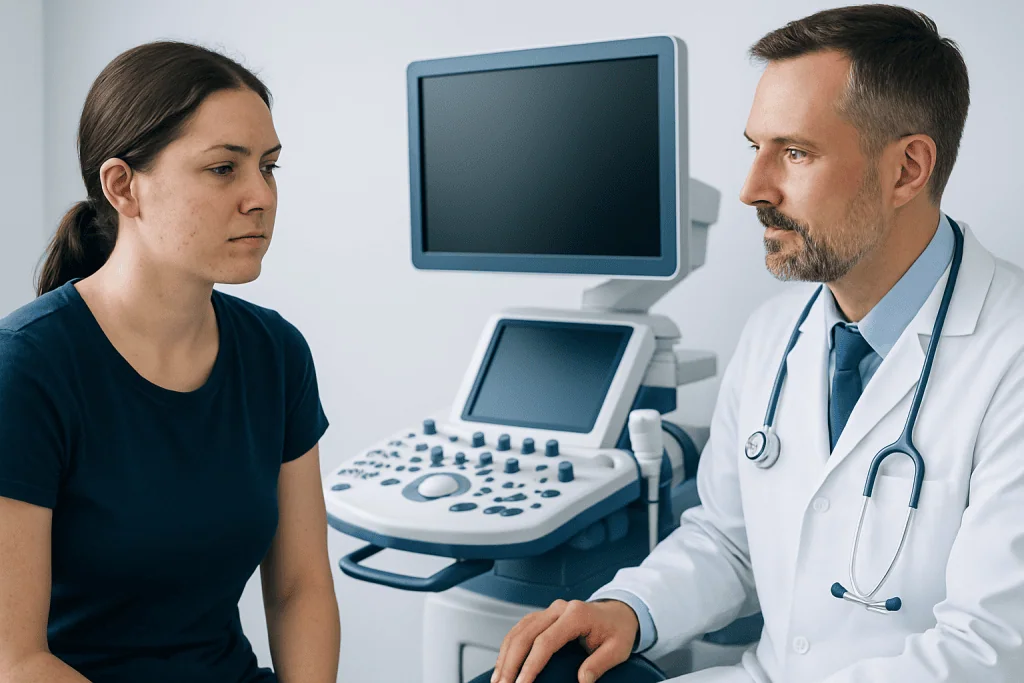
One reason acne mechanica can be confusing is that it overlaps with several other skin conditions. It may resemble typical acne vulgaris, especially when small pimples, whiteheads, or inflamed bumps appear in friction-prone areas. However, the timing and location are often more specific in acne mechanica, with flares linked to sports, work equipment, uniforms, or prolonged mask use.
It can also be mistaken for folliculitis, which is inflammation around hair follicles and may be caused by bacteria, yeast, or irritation. Folliculitis often produces small, similar-looking bumps, sometimes with tenderness or itching. Heat rash and contact dermatitis can also mimic acne mechanica, particularly if the skin becomes red, irritated, or itchy under clothing or protective gear.
Another important difference is that acne mechanica is strongly shaped by repetitive physical stress on the skin barrier. Friction can damage the outer layer of skin, while pressure and occlusion can trap oil and sweat. In people who already produce more sebum or have a history of breakouts, this creates an environment where pores clog more easily and inflammation develops.
If the rash does not behave like acne, spreads beyond pressure points, causes significant itching, or fails to improve with simple acne care, a dermatologist may look for other conditions such as eczema or infection. A clear diagnosis matters because similar-looking rashes may need different treatment.
Symptoms and common triggers

Acne mechanica usually causes small bumps, whiteheads, blackheads, papules, or pustules in places where the skin is rubbed or compressed. Some people notice tender red spots, while others mainly develop rough clogged pores. The skin may feel warm, irritated, or sensitive, especially after exercise or long periods of wearing equipment.
Symptoms often become more noticeable during hot weather, workouts, or work shifts that involve tight uniforms or protective gear. Breakouts may flare after sweating and may improve during periods when the trigger is removed. This pattern can help distinguish acne mechanica from acne that appears more randomly.
Common triggers include:
- Face masks, especially if worn for long periods
- Helmets, hat bands, headscarves, and chin straps
- Tight collars, bras, shapewear, and compression garments
- Backpack straps, shoulder bags, and sports padding
- Workout clothing that traps heat and sweat
- Repeated rubbing from musical instruments or occupational equipment
Cosmetics, sunscreens, and hair products can also play a part when they are heavy or occlusive and are combined with friction. The problem is usually not one single factor but a combination of rubbing, sweat, oil, and blocked airflow against the skin.
Causes and risk factors
The immediate cause of acne mechanica is mechanical stress on the skin. Friction and pressure can irritate follicles and make it easier for pores to clog with sebum and dead skin cells. Heat and moisture then add to the problem by softening the skin, increasing occlusion, and promoting inflammation.
People who already have oily skin or a personal history of acne are generally more likely to develop this form of breakout. Teenagers and young adults may be affected more often because acne is already common in these age groups, but acne mechanica can occur at any age if the right triggers are present.
Risk may also increase in athletes, healthcare workers, military personnel, industrial workers, and anyone who wears protective equipment for long hours. Tight synthetic fabrics, infrequent changing of sweaty clothing, and layered products such as makeup under masks may make flares more likely. Stress does not directly cause acne mechanica, but stress-related sweating and skin picking can worsen it.
It is important to note what does not cause acne mechanica. It is not a sign of poor character, and it is not always due to poor hygiene. Over-scrubbing the skin in response can actually damage the skin barrier further and make breakouts more stubborn.
How doctors diagnose it
Diagnosis is usually based on a clinical skin examination and a careful history. A doctor will ask where the spots appear, when they started, whether they worsen with exercise or certain equipment, and what skin care products are being used. The shape and location of the rash often provide strong clues.
There is usually no special laboratory test for acne mechanica. Instead, clinicians focus on distinguishing it from other causes of bumps or irritation, such as folliculitis, fungal overgrowth, contact dermatitis, or heat rash. If lesions are unusually painful, widespread, or atypical, further evaluation may be needed.
Photos can be helpful, especially if the skin changes during the day or after sports or work. Some patients benefit from keeping a simple trigger diary to identify patterns related to clothing, masks, weather, or exercise. This can make treatment more precise and practical.
When the diagnosis is uncertain, referral to a dermatologist may be appropriate. In some cases, a specialist may recommend additional tests or targeted treatment plans, including dermatology care for persistent or complicated acne-like eruptions.
Treatment options supported by medical practice
The most effective treatment plan usually combines trigger reduction with standard acne therapy. Reducing friction and occlusion helps prevent new lesions, while acne treatment addresses clogged pores and inflammation that are already present. Improvement may take several weeks, so a consistent routine is important.
Doctors commonly recommend gentle cleansing once or twice daily, especially after sweating, along with lightweight non-comedogenic moisturizers and sunscreens. Over-the-counter ingredients such as benzoyl peroxide or salicylic acid may be suitable for some people, while prescription options may include topical retinoids, topical antibiotics in selected cases, or other clinician-guided acne medicines. Treatment depends on the type and severity of the lesions and the person’s skin sensitivity.
If equipment or clothing cannot be avoided, practical adaptations may help. These can include better-fitting gear, breathable fabrics, moisture-wicking layers, soft barrier dressings in selected areas, and regular breaks from prolonged pressure when possible. For facial breakouts, avoiding heavy makeup under a mask may also reduce occlusion.
For more severe, scarring, or resistant acne, specialist review is appropriate. Depending on the overall acne pattern, some patients may need a broader plan similar to acne treatment. In larger centers, evaluation can also be coordinated with a dermatology consultation to rule out mimicking conditions and tailor care.
Prevention and self-care in daily life
Prevention focuses on minimizing the skin conditions that promote acne mechanica. Washing the skin soon after sweating, changing out of damp clothes promptly, and choosing breathable fabrics can all help. Loose or well-fitted gear is usually better than clothing or equipment that repeatedly presses into the same area.
Skin care should be simple and non-irritating. A gentle cleanser, an oil-free moisturizer if needed, and products labeled non-comedogenic are often the best starting point. Harsh scrubs, rough exfoliating gloves, and frequent picking should be avoided because they can worsen inflammation and increase the chance of marks or scarring.
People who exercise regularly may benefit from planning around known triggers. Examples include placing a clean towel between the skin and equipment when practical, cleaning helmet liners or straps, and avoiding sitting in sweaty workout clothes for long periods. If a face covering is needed, changing it when damp and using a clean one each time may help reduce irritation.
Near the end of care planning, some patients prefer structured specialist advice, especially if prevention steps are difficult to balance with work or sports demands. Acibadem International’s multidisciplinary specialists in JCI-accredited hospitals diagnose and treat skin conditions for international patients, including cases that need coordinated dermatology assessment.
When to seek medical care
Medical care is appropriate if acne mechanica is painful, spreading, leaving dark marks, or causing scars. A doctor should also assess breakouts that do not improve after several weeks of gentle skin care and trigger reduction. Early evaluation can help prevent unnecessary irritation from trial-and-error treatments.
Professional review is especially important if the bumps are very itchy, all look identical, drain pus, or are accompanied by fever or extensive redness, as these features may suggest another condition or infection rather than acne. People with darker skin tones may also wish to seek early care because ongoing inflammation can increase the risk of post-inflammatory pigmentation.
Anyone with significant emotional distress, reduced confidence, or avoidance of work, sports, or social activities because of their skin deserves support and treatment. Acne of any type can affect quality of life, and effective help is available.
A qualified clinician can confirm whether the condition is truly acne mechanica, check for look-alike disorders, and recommend a safe treatment plan. This is particularly useful when over-the-counter products sting, dry the skin, or seem to make the rash worse.
Frequently asked questions
What is acne mechanica?
Acne mechanica is a type of acne caused or worsened by friction, pressure, heat, and trapped sweat on the skin. It often appears where masks, helmets, straps, tight clothing, or athletic gear repeatedly touch the body.
Is acne mechanica the same as regular acne?
It is related to regular acne but has a more specific trigger pattern. The lesions can look similar, yet acne mechanica tends to cluster in areas exposed to rubbing, pressure, and occlusion.
Can sweat alone cause acne mechanica?
Sweat by itself is usually not the only cause. The combination of sweat with friction, heat, pressure, and blocked airflow is what commonly leads to this type of breakout.
How can someone prevent acne mechanica during exercise?
Helpful steps include wearing breathable clothing, changing out of sweaty garments promptly, showering after workouts, and reducing rubbing from straps or equipment when possible. Using gentle, non-comedogenic skin care products can also support prevention.
Will acne mechanica go away if the trigger is removed?
It often improves when the trigger is reduced, but existing clogged pores and inflammation may still need treatment. Consistent skin care and, in some cases, acne medication can help the skin clear more fully.
When should a person see a doctor for acne mechanica?
Medical advice is a good idea if the skin is painful, scarring, leaving dark marks, or not improving after several weeks of self-care. A doctor should also evaluate rashes that are very itchy, widespread, or unusual in appearance.
This article is for general information only and is not a substitute for professional medical advice. Please consult a qualified doctor about your individual situation.
Acne in Turkey — costs, top hospitals & a free quote
JCI-accredited · board-certified surgeons · reply within 24h
Add us as a Preferred Source to see more of our trusted health content across Google Search, AI Overviews and Discover.

More from the Health Library

Swayback: An Evidence-Based Guide for Patients
CT Urogram — Explained by Medical Evidence, Not Myths

Rosemary Water: An Evidence-Based Guide for Patients

Newborns and Soothers: A Complete Medical Overview

Brewers Yeast Benefits: What Patients Need to Know