How to Make Your Period End Faster? Causes, Explanations, and Next Steps

There is no proven, instant home method that safely makes a period end faster. Periods can vary from month to month, and mild changes are often harmless.
Key Takeaways
- There is no proven, instant home method that safely makes a period end faster.
- Periods can vary from month to month, and mild changes are often harmless.
- Heavy bleeding, periods lasting longer than about a week, severe pain, or bleeding between periods should be medically reviewed.
- Doctors assess menstrual changes by asking about cycle patterns, symptoms, medications, and possible pregnancy, then may use blood tests or imaging.
- Treatment depends on the cause and may include hormonal options, medicines to reduce bleeding, or treatment of an underlying condition.
Most periods that feel a little longer or heavier than usual are not a sign of a serious problem. If someone wants to know how to make their period end faster, the safest answer is that there is no guaranteed home method to stop a period immediately, but a doctor can look for causes of heavy or prolonged bleeding and discuss appropriate treatment options.
Overview: Can a Period Be Made to End Faster?
Many people search for ways to make a period finish sooner, especially if bleeding is inconvenient, uncomfortable, or heavier than expected. In most cases, a slightly long or irregular period is harmless and may happen because of stress, recent illness, weight changes, hormonal shifts, or normal month-to-month variation. Still, there is no reliable home remedy that can safely stop a period on demand.
The practical medical answer to how to make your period end faster is that the period itself usually cannot be quickly shortened without addressing the reason behind it. If bleeding is unusually heavy, lasts longer than a person’s typical pattern, or keeps happening repeatedly, a doctor can check for causes such as hormone imbalance, fibroids, thyroid problems, or pregnancy-related issues.
Because online advice often mixes myths with facts, it helps to focus on what is evidence-based. Rest, hydration, and comfort measures may help someone feel better during a period, but they do not reliably end bleeding faster. Medical treatment, when needed, is aimed at the underlying cause and at reducing bleeding safely.
What Is Normal Menstrual Bleeding?
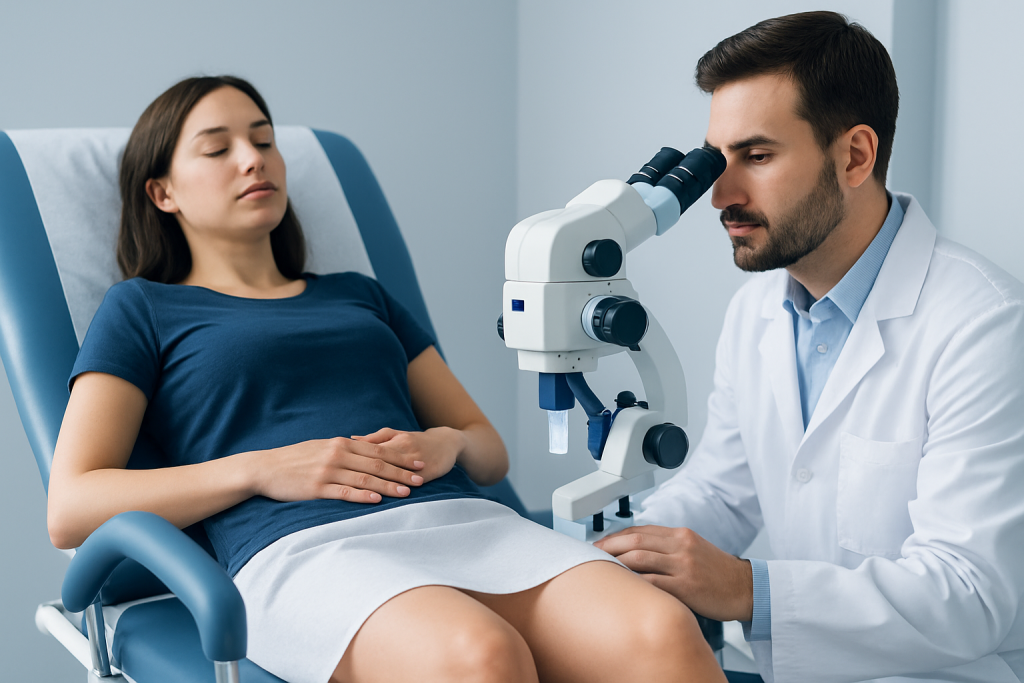
A normal menstrual cycle varies from person to person. Many periods last around 2 to 7 days, and cycle length may range roughly from 21 to 35 days in adults. Flow is also different for each individual: some people have light bleeding, while others have a few heavier days followed by lighter spotting.
It is common for bleeding to seem different at times of life when hormones are changing, such as the first few years after periods begin, after childbirth, during breastfeeding, or in the years leading up to menopause. Birth control changes, travel, stress, intense exercise, and shifts in sleep can also affect timing and flow.
A person may benefit from tracking periods in a calendar or app. Recording the start and end dates, number of pads or tampons used, clotting, pain, and bleeding between periods can help show whether a pattern is still within normal variation or whether it should be discussed with a clinician.
Why a Period May Seem Longer or Heavier

Several common factors can make a period feel like it is not ending quickly enough. Hormonal fluctuations are one of the most frequent reasons. These can happen naturally or be related to polycystic ovary syndrome, thyroid disorders, recent emergency contraception, or starting or stopping hormonal birth control.
Structural conditions affecting the uterus may also lead to prolonged or heavy bleeding. These include uterine fibroids, polyps, adenomyosis, and sometimes endometriosis. It may be helpful to read more about endometriosis or uterine fibroids if symptoms such as pelvic pain, pressure, or very heavy bleeding are also present.
Other possible causes include pregnancy-related bleeding, miscarriage, some infections, blood-clotting problems, liver disease, and medications such as blood thinners. In some cases, a longer period is due to an anovulatory cycle, meaning ovulation did not happen that month, which can make the uterine lining shed irregularly.
Rarely, abnormal uterine bleeding can be linked to precancerous changes or cancer, especially after age 45, after menopause, or when bleeding patterns change significantly. This is one reason persistent or unusual bleeding should not be ignored, even though many causes are benign and treatable.
What Can and Cannot Help at Home
There is no strong evidence that common internet suggestions such as certain teas, exercise routines, supplements, or sexual activity will reliably make a period end faster. Some of these approaches are harmless for many people, but they should not be viewed as proven treatments. Herbal products can also interact with medicines or be unsafe in pregnancy.
Supportive self-care can still make a period easier to manage. Helpful steps may include staying hydrated, using a heating pad for cramps, resting when needed, and taking over-the-counter pain relievers if a doctor or pharmacist says they are appropriate. Some nonsteroidal anti-inflammatory medicines may reduce period pain and can also lessen menstrual blood loss in some people, but they do not work for everyone and are not suitable for all medical conditions.
If someone has repeated heavy or prolonged bleeding, self-treatment should not replace medical evaluation. The safest next step is to identify the reason for the bleeding rather than trying to force it to stop with unproven methods. Anyone who could be pregnant should consider pregnancy testing if bleeding is unusual for them.
How Doctors Evaluate Prolonged Menstrual Bleeding
When someone seeks care for a period that seems unusually long or heavy, the first step is usually a careful history. A doctor may ask how long bleeding lasts, how often pads or tampons need changing, whether there are large clots, whether there is pelvic pain, whether bleeding occurs after sex or between periods, and whether pregnancy is possible. They may also ask about medications, medical conditions, stress, recent weight changes, and family history.
A physical examination may be recommended, depending on age, symptoms, and the clinical situation. Tests often include a pregnancy test and blood work, such as a complete blood count to look for anemia. Depending on the pattern, other blood tests may check thyroid function or hormone levels.
Imaging is sometimes used to look at the uterus and ovaries. A pelvic ultrasound is commonly the first test if a structural cause is suspected, and some patients may need additional gynecologic assessment. If symptoms suggest an underlying disorder such as fibroids, cysts, or a uterine abnormality, evaluation may overlap with services such as gynecology assessment or pelvic ultrasonography.
In certain cases, especially in older adults or those with risk factors for endometrial disease, a doctor may recommend sampling the uterine lining. This helps rule out more serious causes and guides treatment. The main goal is not only to shorten the current bleeding episode but to understand why it is happening.
Medical Treatment Options That May Shorten Bleeding
Treatment depends on the cause, the person’s age, whether pregnancy is possible, whether future fertility is desired, and how severe the bleeding is. If the problem is due to a temporary hormonal fluctuation, watchful waiting may be reasonable. If the bleeding is more troublesome or recurrent, a clinician may recommend treatment to reduce flow and regulate cycles.
Hormonal options are commonly used. Depending on the situation, these may include combined hormonal contraception, progestin-only treatment, or an intrauterine device that releases hormone into the uterus. These approaches do not usually stop a period instantly, but they can make future periods shorter, lighter, or more predictable.
Other medicines may be used to reduce menstrual blood loss or treat pain. If tests show anemia, iron treatment may be advised. If a structural cause such as fibroids or polyps is found, management may involve procedures or surgery. In selected cases, care may include hysteroscopy to examine the inside of the uterus and sometimes treat certain causes of bleeding.
People who have severe pain, infertility concerns, or symptoms that point to specific conditions may need more specialized care. Near the end of the care pathway, some international patients choose centers such as Acibadem International, where multidisciplinary specialists in JCI-accredited hospitals evaluate abnormal uterine bleeding and related gynecologic conditions.
When to Seek Medical Care
Most menstrual changes are not emergencies, but some symptoms should be assessed promptly. Medical review is important if bleeding is very heavy, if a period lasts longer than about 7 days on a regular basis, or if bleeding happens between periods, after sex, or after menopause. It is also wise to seek care for periods that suddenly become much different from a usual pattern.
Urgent care may be needed if someone soaks through pads or tampons every hour for several hours, feels faint, has shortness of breath, chest pain, severe weakness, or signs of significant blood loss. Severe one-sided pelvic pain, fever, or possible pregnancy with abnormal bleeding should also be treated as important warning signs.
A doctor should also be consulted if there is severe cramping not relieved by usual measures, repeated large clots, new bleeding while using blood thinners, or symptoms of anemia such as fatigue, dizziness, pale skin, or headaches. Even when the cause turns out to be benign, getting checked can provide reassurance and help prevent ongoing problems.
Prevention, Cycle Tracking, and Next Steps
Not every long or heavy period can be prevented, because many causes are hormonal or structural. However, cycle tracking can make it easier to recognize a change early. Recording bleeding days, pain, clots, spotting, and associated symptoms gives useful information to both the patient and the clinician.
General health habits may support menstrual health overall. These include maintaining a balanced diet, sleeping regularly, managing stress, and following up on known conditions such as thyroid disease. Anyone using hormonal contraception should take it exactly as directed, since missed doses can lead to irregular bleeding.
If a person is repeatedly asking how to make a period end faster, the more useful next question may be: why is this period long or heavy in the first place? A medical review can clarify whether the bleeding is within normal variation or linked to a treatable condition. That approach is usually safer and more effective than relying on unproven shortcuts.
Frequently asked questions
Can drinking more water make a period end faster?
Drinking water is good for overall health and may help someone feel better during menstruation, but it does not reliably shorten a period. Hydration can support comfort, especially if bleeding is heavy or cramps are causing fatigue.
Does exercise help stop a period sooner?
Exercise may improve mood, reduce cramps for some people, and support general health, but it is not a proven way to make a period end faster. Intense exercise can sometimes affect the menstrual cycle over time, but that is not a safe or predictable method to use.
Are there any home remedies that safely stop a period immediately?
No home remedy has been shown to stop a period immediately in a safe, reliable way. If bleeding is unusually heavy, prolonged, or different from normal, the safest step is medical advice rather than trying multiple internet remedies.
How long is too long for a period?
Many periods last up to about 7 days, though normal patterns vary. If bleeding lasts longer than that regularly, or is much longer than usual for that person, it is reasonable to speak with a doctor.
Can birth control make periods shorter?
Yes, some hormonal birth control methods can make periods lighter, shorter, or more predictable over time. The best option depends on a person’s health history, symptoms, and whether they want contraception, so it should be discussed with a clinician.
When is heavy menstrual bleeding an emergency?
Urgent care is needed if bleeding is so heavy that pads or tampons are soaked very quickly for several hours, or if there is fainting, severe weakness, shortness of breath, chest pain, or possible pregnancy with abnormal bleeding. These symptoms may suggest significant blood loss or another urgent condition.
References
- American College of Obstetricians and Gynecologists
- National Institute for Health and Care Excellence
- Office on Women's Health
- Mayo Clinic
- World Health Organization
This article is for general information only and is not a substitute for professional medical advice. Please consult a qualified doctor about your individual situation.
Explore treatments in Turkey — costs, top hospitals & a free quote
JCI-accredited · board-certified surgeons · reply within 24h
Add us as a Preferred Source to see more of our trusted health content across Google Search, AI Overviews and Discover.
Check your numbers in seconds
BMI, calories, due date, blood pressure and 30+ more clinical calculators — free, instant, doctor-reviewed ranges.