Hypertrophic — Explained by Medical Evidence, Not Myths

Hypertrophic is a descriptive medical term that means tissue has thickened or enlarged. The most important context is hypertrophic cardiomyopathy, a condition that affects the heart muscle.
Key Takeaways
- Hypertrophic is a descriptive medical term that means tissue has thickened or enlarged.
- The most important context is hypertrophic cardiomyopathy, a condition that affects the heart muscle.
- Hypertrophic can also describe scars, muscles, adenoids, tonsils, or other tissues that become enlarged.
- Symptoms and treatment vary widely depending on which organ or tissue is affected.
- Evaluation by a qualified doctor is important when hypertrophic changes involve the heart, breathing, swallowing, or ongoing pain.
Hypertrophic describes tissue that has become thicker or larger than usual. In medicine, the term is most commonly used for heart muscle thickening, called <a href="https://acibademinternational.com/diseases/hypertrophic-cardiomyopathy/”>hypertrophic cardiomyopathy, and for raised, thick scars known as hypertrophic scars.
What does hypertrophic mean in medicine?
Hypertrophic means that a tissue or organ has become thicker, larger, or overgrown because its cells have increased in size. It is a descriptive term rather than a diagnosis by itself. Doctors use it to explain what they see on an exam, imaging test, biopsy, or pathology report.
This matters because hypertrophic changes can be normal in some situations and unhealthy in others. For example, a muscle may become hypertrophic after strength training, while heart muscle thickening may signal an inherited condition or a response to high blood pressure. A scar can also become hypertrophic if healing produces extra collagen, causing a raised, firm area on the skin.
In everyday health information, people often search “hypertrophic” when they want to understand hypertrophic cardiomyopathy, a condition in which the heart muscle becomes abnormally thick. Others are asking about hypertrophic scars, enlarged tonsils or adenoids, or findings on an ultrasound or scan. The key point is that the meaning depends on the body part involved.
Where is the term hypertrophic used most often?
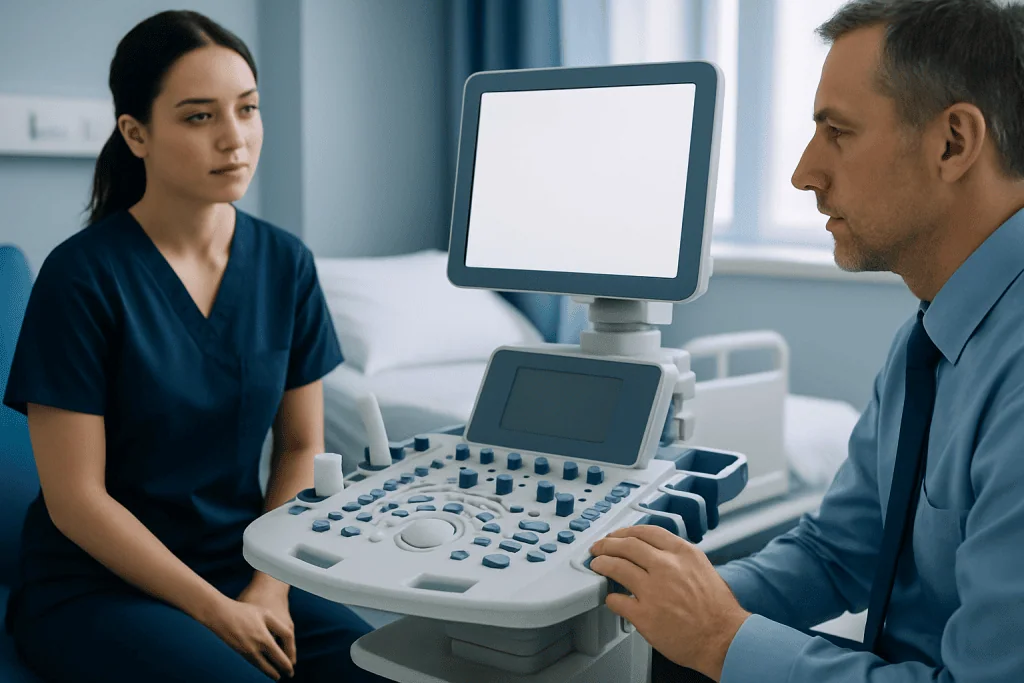
The term hypertrophic appears across many medical specialties. In cardiology, it most often refers to hypertrophic cardiomyopathy, where the wall of the heart, especially the left ventricle, becomes thicker than normal. This can make it harder for the heart to relax, fill properly, or in some cases allow blood to leave the heart efficiently.
In dermatology and plastic surgery, a hypertrophic scar is a raised scar that stays within the borders of the original injury. It differs from a keloid, which grows beyond the original wound edges. Hypertrophic scars may feel itchy, tight, tender, or cosmetically bothersome, but they are not cancer.
Doctors may also use hypertrophic to describe enlarged tissues in the nose and throat, such as hypertrophic adenoids or tonsils, and in other settings such as pyloric muscle thickening in infants or overgrown gum tissue. Because the same word can describe very different conditions, a person should always ask which tissue is affected and what caused the change.
- Heart: hypertrophic cardiomyopathy or thickened heart muscle
- Skin: hypertrophic scar after surgery, acne, burns, or injury
- ENT tissues: hypertrophic tonsils, adenoids, or nasal structures
- Muscles or organs: enlargement due to overuse, strain, hormones, or disease
Symptoms depend on the tissue involved

Hypertrophic changes do not always cause symptoms. Some are found by chance during a routine checkup or imaging test. When symptoms are present, they reflect the function of the affected tissue. This is why thickened heart muscle causes different problems from a raised skin scar.
In hypertrophic cardiomyopathy, symptoms may include shortness of breath, chest discomfort, palpitations, lightheadedness, fainting, reduced exercise tolerance, or fatigue. Some people have very mild symptoms, while others notice problems only during exertion. In some cases, family history is the first clue, even before symptoms appear.
With hypertrophic scars, symptoms usually involve the skin rather than overall health. A scar may look raised, red or darker than surrounding skin, and feel itchy, tight, or sensitive. If hypertrophic tissue affects the throat or airway, it may contribute to snoring, mouth breathing, swallowing difficulty, or a blocked sensation.
Because symptoms vary so much, the same word can mean very different levels of concern. Heart-related hypertrophic disease deserves careful medical assessment, while skin scars are often less urgent but may still benefit from treatment if they are painful, function-limiting, or emotionally distressing.
Causes and risk factors
Hypertrophy happens when cells become larger in response to signals such as genetics, workload, inflammation, hormones, or healing. Sometimes this is a useful adaptation. For example, skeletal muscle can enlarge with exercise. In other cases, hypertrophy reflects disease or long-term strain on an organ.
For the heart, hypertrophic cardiomyopathy is often inherited and linked to gene changes that affect the heart muscle. It can run in families, which is why relatives may be advised to have screening. Thickening of the heart muscle can also occur for other reasons, including long-standing high blood pressure or valve disease, though these are not the same as classic inherited hypertrophic cardiomyopathy.
Hypertrophic scars usually develop after injury to the deeper layers of the skin. Risk can be influenced by burns, surgery, acne, piercing, wound tension, delayed healing, inflammation, and individual skin-healing patterns. Some body areas, such as the chest, shoulders, jawline, and upper back, are more prone to raised scars.
Other hypertrophic conditions have their own triggers. Enlarged adenoids or tonsils may relate to repeated infections or chronic inflammation. The main message is that hypertrophic changes are not a single disease; they are a physical response with many possible causes, ranging from harmless to clinically significant.
How doctors diagnose hypertrophic conditions
Diagnosis starts with context: what tissue is enlarged, what symptoms are present, and whether there is a family history or known trigger. A doctor will take a medical history, perform an examination, and choose tests based on the organ involved. The word hypertrophic often appears only after that evaluation has started.
If a heart condition is suspected, doctors may use an electrocardiogram, echocardiogram, ambulatory rhythm monitoring, exercise testing, and sometimes cardiac MRI. These tests help measure heart muscle thickness, check blood flow, and look for rhythm disturbances. If inherited cardiomyopathy is possible, family screening and genetic counseling may also be discussed.
Skin-related hypertrophic scars are usually diagnosed by examination alone. The doctor looks at the scar’s shape, height, color, symptoms, and timing after injury. Additional testing is not often needed unless there is uncertainty about the diagnosis or concern for another skin condition.
In the nose and throat, diagnosis may involve an ENT examination, a flexible camera, or imaging if needed. Across all forms of hypertrophic disease, the goal is not just to label the thickening but to understand whether it is affecting function and whether treatment is necessary.
Treatment options and what they aim to do
Treatment for hypertrophic conditions depends entirely on the cause, symptoms, and level of risk. Not every hypertrophic change needs active treatment. In many cases, doctors monitor the condition and focus on symptom control, preventing complications, and treating the underlying problem.
For hypertrophic cardiomyopathy, treatment may include medicines to reduce symptoms and improve heart function, guidance on physical activity, rhythm monitoring, and procedures in selected cases if blood flow is obstructed or arrhythmias occur. Some people may need expert evaluation through cardiology care or advanced imaging such as cardiac MRI to guide management. The best plan is individualized and may involve a multidisciplinary team.
Hypertrophic scars may improve over time, but treatment is considered when they are uncomfortable, limit movement, or are cosmetically troubling. Options can include silicone gel or sheets, pressure therapy, corticosteroid injections, laser-based treatments, and in selected cases scar revision. When a scar affects appearance or function, a doctor may discuss plastic and reconstructive surgery as one possible option.
If hypertrophic tissue involves the nose or throat, treatment may focus on the cause of blockage or inflammation. Some people benefit from medicines, while others may need an ENT procedure if enlarged tissues interfere with breathing, sleep, or swallowing. Care should always be tailored to the person rather than the label alone.
Self-care, monitoring, and preventing complications
Self-care begins with understanding the diagnosis clearly. A person should ask what tissue is hypertrophic, what caused it, whether it is stable or progressive, and what symptoms should be monitored. This can prevent confusion, especially because the same term can refer to a minor scar or an important heart condition.
People with hypertrophic cardiomyopathy should follow their doctor’s advice about exercise, hydration, medications, and family screening. It is important not to change activity levels or start intense training programs without medical guidance. Regular follow-up helps detect changes in symptoms, heart rhythm, or heart structure over time.
For hypertrophic scars, good wound care and early scar management may help reduce thickening after surgery or injury. This can include protecting healing skin from sun exposure, avoiding unnecessary tension or friction, and using doctor-recommended scar therapies consistently. New or changing scars should be reviewed if they are painful, infected, or unusually fast-growing.
Near the end of the care pathway, some patients may seek specialist evaluation abroad. Acibadem International’s multidisciplinary specialists and JCI-accredited hospitals diagnose and treat hypertrophic conditions, including heart and scar-related problems, for international patients when expert assessment is needed.
When to seek medical care
A person should seek medical care if hypertrophic changes are linked to chest pain, fainting, shortness of breath, fast or irregular heartbeat, or reduced exercise tolerance. These symptoms deserve prompt evaluation, especially if there is a family history of heart disease, sudden cardiac death, or known hypertrophic cardiomyopathy.
Medical review is also important for raised scars that are painful, itchy, repeatedly inflamed, restricting movement, or causing significant distress. Enlarged throat tissues should be assessed if they lead to noisy breathing, persistent snoring, pauses in breathing during sleep, difficulty swallowing, or recurrent infections.
Urgent medical attention is needed for severe chest pain, collapse, significant breathing difficulty, or symptoms of a serious allergic or infectious reaction around a scar or wound. Even when a hypertrophic finding seems minor, a qualified doctor can explain whether it is a normal response, a treatable condition, or a sign of something that needs closer follow-up.
Frequently asked questions
What does hypertrophic mean in simple terms?
Hypertrophic means a body tissue has become thicker or larger than usual because its cells have increased in size. It is a descriptive medical term, not a single disease, so the meaning depends on which organ or tissue is affected.
Is hypertrophic the same as hypertrophic cardiomyopathy?
No. Hypertrophic is a broad term, while hypertrophic cardiomyopathy is one specific heart condition. In hypertrophic cardiomyopathy, the heart muscle becomes abnormally thick and may affect blood flow or heart rhythm.
Is a hypertrophic scar dangerous?
A hypertrophic scar is usually not dangerous, but it can be uncomfortable or limit movement if it forms over a joint or a tight area of skin. It stays within the borders of the original wound, which helps distinguish it from a keloid.
Can hypertrophic changes go away on their own?
Some can improve or remain stable, while others need treatment or monitoring. Hypertrophic scars often soften and flatten over time, but heart muscle thickening usually needs medical follow-up to assess symptoms and risks.
How is a hypertrophic condition diagnosed?
Diagnosis depends on the location. Doctors may use a physical examination, imaging, heart tests such as echocardiography, or specialist evaluation to confirm what tissue is enlarged and whether it is affecting function.
When should someone worry about the word hypertrophic on a report?
The word itself is not enough to judge severity. It is more important to know what structure is hypertrophic, why it has changed, and whether symptoms are present, so reviewing the report with a doctor is the safest next step.
This article is for general information only and is not a substitute for professional medical advice. Please consult a qualified doctor about your individual situation.
Explore treatments in Turkey — costs, top hospitals & a free quote
JCI-accredited · board-certified surgeons · reply within 24h
Add us as a Preferred Source to see more of our trusted health content across Google Search, AI Overviews and Discover.
Check your numbers in seconds
BMI, calories, due date, blood pressure and 30+ more clinical calculators — free, instant, doctor-reviewed ranges.

More from the Health Library

Gleason Score: A Complete Medical Overview

Afternose: A Complete Medical Overview

Expressive Aphasia: An Evidence-Based Guide for Patients

Kidney inflammation: A Complete Medical Guide for Patients

Puss in Zits: A Complete Medical Overview