Sleep Cycle App: An Evidence-Based Guide for Patients
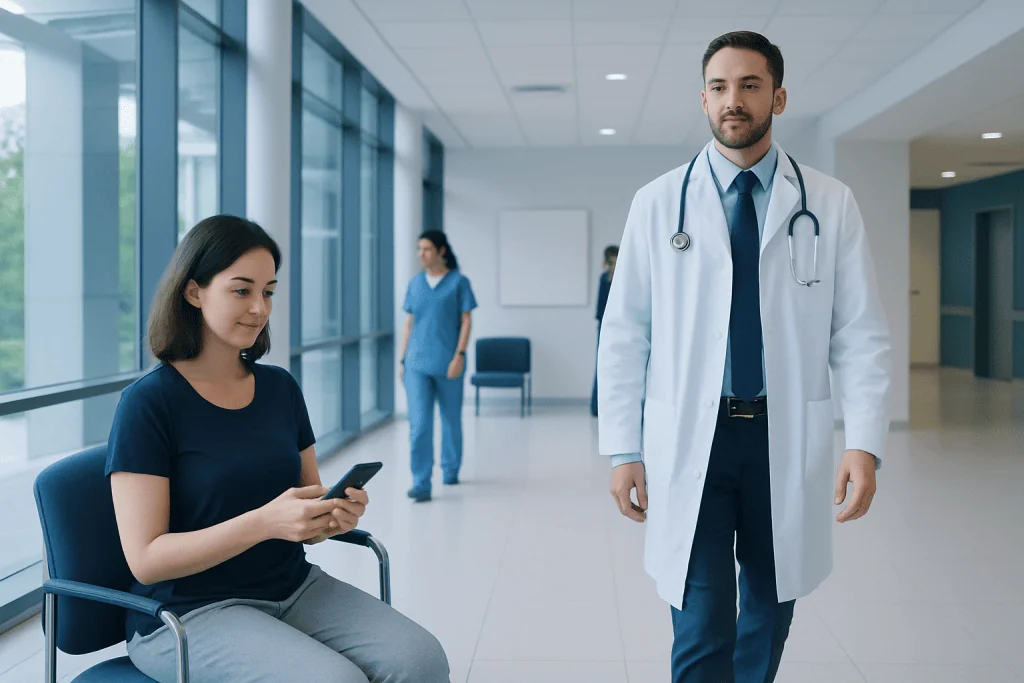
A sleep cycle app may help users monitor sleep timing, consistency, and lifestyle patterns that affect rest. Most apps estimate sleep stages using movement, sound, or wearable data, so results are not the same as a formal sleep study.
Key Takeaways
- A sleep cycle app may help users monitor sleep timing, consistency, and lifestyle patterns that affect rest.
- Most apps estimate sleep stages using movement, sound, or wearable data, so results are not the same as a formal sleep study.
- Sleep apps are best used to support behavior change, such as keeping a regular sleep schedule and identifying habits that disturb sleep.
- Persistent snoring, pauses in breathing, insomnia, or severe daytime sleepiness should be assessed by a qualified doctor.
- Sleep data can be helpful to bring to a medical appointment, especially when paired with a symptom history or sleep diary.
A sleep cycle app can be a useful tool for noticing sleep patterns, bedtime habits, and possible triggers for poor rest. It may support better sleep routines, but it does not replace a medical evaluation for snoring, insomnia, excessive daytime sleepiness, or other possible sleep disorders.
What a sleep cycle app can and cannot do
A sleep cycle app is a smartphone or wearable-based tool that estimates how a person sleeps over time. It may track bedtime, wake time, total sleep duration, nighttime movement, sounds such as snoring, and sometimes estimated sleep stages. For many people, the main benefit is practical: it helps them see patterns that are easy to miss in daily life.
The most important point is that a sleep cycle app is not a medical test. Even when an app displays light sleep, deep sleep, or REM sleep, these are estimates based on indirect signals rather than direct measurement of brain activity. A medical sleep study uses specialized equipment to assess breathing, oxygen levels, heart rhythm, body movements, and brain waves in a much more detailed way.
Used wisely, an app can support healthy routines and more informed conversations with a clinician. Used alone, it can sometimes create confusion or unnecessary worry if the numbers are treated as exact. The most helpful approach is to see the app as a trend-tracking tool, not as a diagnosis.
How sleep cycle apps work
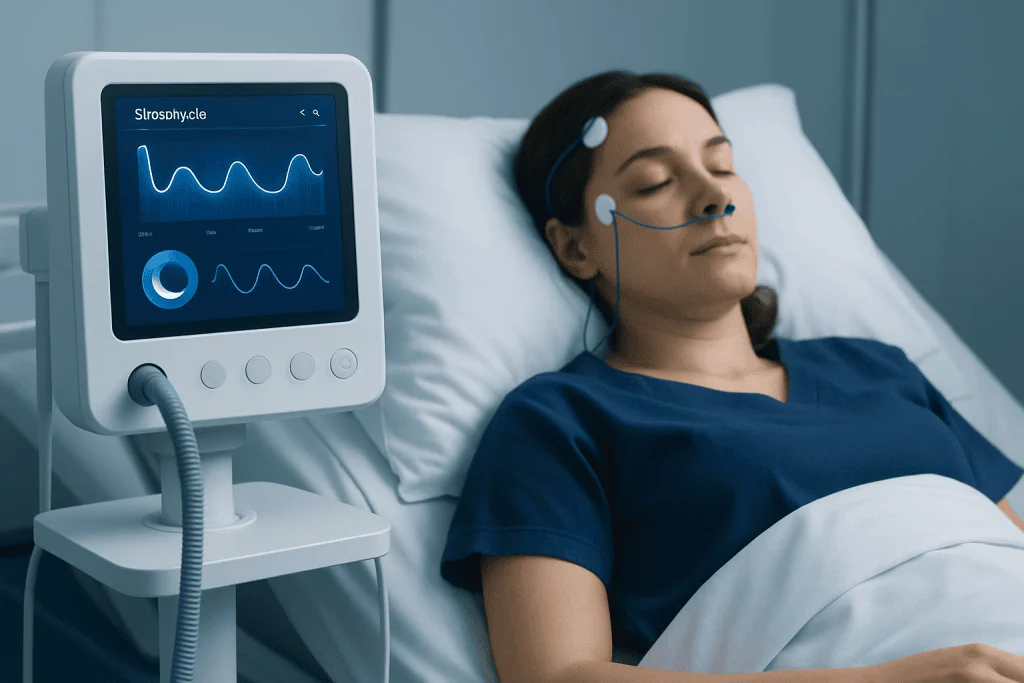
Different apps use different methods. Some rely on the phone’s motion sensors when the device is placed on or near the bed. Others use the microphone to detect sounds such as movement, talking, or snoring. Wearable-connected apps may also use heart rate, heart rate variability, skin temperature, or blood oxygen trends, depending on the device.
These signals are then processed through algorithms that estimate when a person is awake, lightly asleep, or in deeper sleep. Some apps also offer smart alarms that aim to wake the user during a lighter stage of sleep within a chosen time window. People may find this gentler than waking abruptly at a fixed minute.
Accuracy varies because the device is measuring proxies for sleep rather than sleep itself. For example, someone lying still while awake may be counted as asleep, while a restless sleeper may appear to have more awakenings than they actually do. Shared beds, room noise, pets, and different mattress surfaces can also affect app readings.
Because of these limitations, app results are usually more reliable for broad trends than for exact stage-by-stage interpretation. If a person notices that sleep is regularly short, irregular, or disrupted on the app and they also feel unwell during the day, that pattern may be worth discussing with a doctor.
Potential benefits for patients
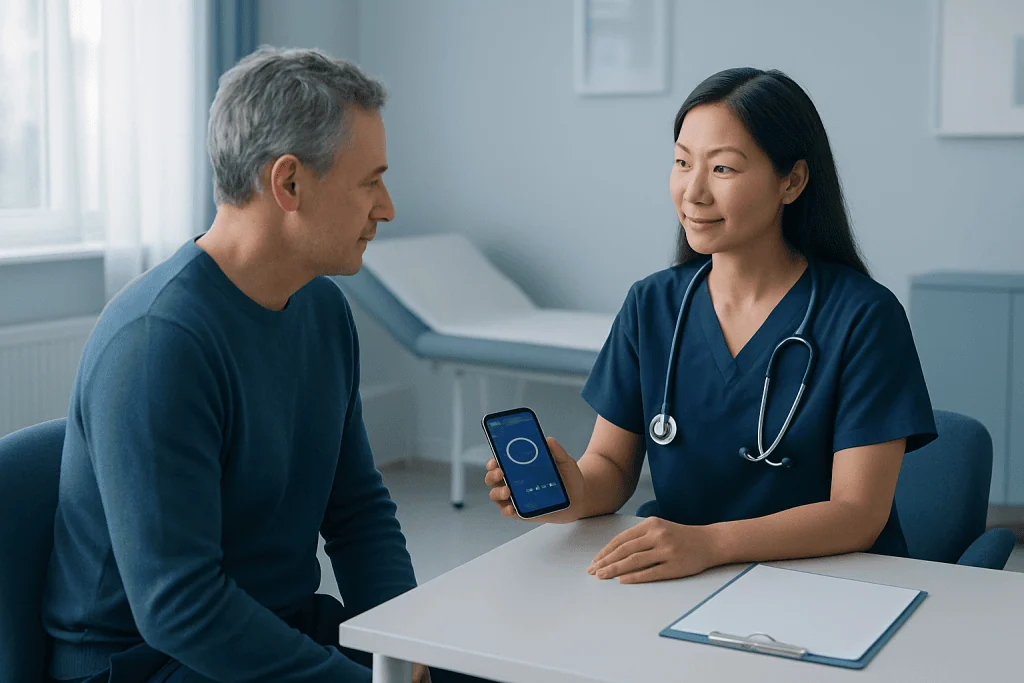
The strongest value of a sleep cycle app is often behavior awareness. Many people underestimate how late they go to bed, how much their sleep schedule shifts on weekends, or how often they wake during the night. Seeing these patterns clearly may motivate small, meaningful changes.
Apps can also help users connect sleep with daily habits. A person may notice poorer sleep after alcohol, caffeine late in the day, heavy evening meals, high stress, or extended screen time before bed. Over several weeks, this kind of tracking may make sleep hygiene advice more practical and personalized.
For some patients, an app works much like a digital sleep diary. It can make it easier to remember rough bedtimes, wake times, naps, and subjective sleep quality. This information may be useful if symptoms suggest conditions such as sleep apnea or persistent trouble falling or staying asleep.
Apps may be especially helpful during lifestyle changes, shift adjustments, travel recovery, or a structured plan for better rest. They can support goal-setting around sleep consistency, but they are not a substitute for a clinical evaluation when symptoms are significant or ongoing.
Limitations, accuracy, and possible downsides
Although sleep cycle apps are popular, they have important limits. Consumer devices are generally better at estimating whether a person is asleep or awake than at identifying exact sleep stages. They may miss breathing-related events, brief awakenings, or medical problems that require formal testing.
One downside is overinterpretation. A person may feel rested but become concerned because the app reports too little deep sleep or a low score. This can contribute to unhealthy preoccupation with perfect sleep, sometimes called orthosomnia. Good sleep is about how a person feels and functions as well as what a device reports.
Privacy is another consideration. Sleep apps may collect sensitive health-related data, including patterns of sleep, sound recordings, and wearable metrics. Before using one, it is sensible to review the app’s privacy settings, data sharing policies, and whether information is stored securely.
Apps can be less useful in certain situations, such as bed-sharing, caring for an infant, sleeping with pets, or having a highly irregular schedule. In these settings, the recording may reflect the environment as much as the user’s own sleep. If symptoms are concerning, objective medical assessment is more important than app-based estimates.
How to use a sleep cycle app in an evidence-based way
To get the most from a sleep cycle app, it helps to focus on patterns over at least two to four weeks instead of reacting to a single night. Sleep naturally varies from day to day. Looking for repeated trends is more useful than trying to optimize every number.
Patients often benefit from combining app data with a simple symptom record. This can include bedtime, wake time, naps, caffeine or alcohol intake, exercise timing, stress level, snoring, and daytime sleepiness. Together, these details may offer a clearer picture than the app alone.
A practical way to use the app is to ask questions such as:
- Is total sleep time usually shorter than intended?
- Does bedtime vary widely across the week?
- Are awakenings more common after certain habits or medications?
- Do poor app trends match fatigue, headaches, low concentration, or mood changes during the day?
If a person is seeking clinical help, bringing this information to an appointment may be useful. In some cases, a doctor may recommend further assessment, such as a structured sleep evaluation or sleep study (polysomnography), to investigate symptoms more accurately.
Signs that point to a sleep disorder rather than a tracking issue
Sometimes poor app results reflect an imperfect device reading. At other times, they may align with symptoms that suggest a real sleep problem. Repeated loud snoring, witnessed pauses in breathing, waking up gasping, morning headaches, and pronounced daytime sleepiness can raise concern for sleep-disordered breathing.
Difficulty falling asleep, frequent waking, waking too early, or feeling unrefreshed despite enough time in bed may suggest insomnia or another sleep-related condition. Restless legs, unusual nighttime behaviors, vivid dream enactment, or sudden sleep episodes during the day also deserve medical attention.
Sleep difficulties may be related to other health issues such as anxiety, depression, chronic pain, reflux, hormonal changes, medication effects, or neurologic conditions. In these cases, the app may show disruption, but it cannot identify the cause. A clinician may evaluate symptoms, medical history, and overall health to guide next steps.
For patients whose main problem is persistent sleeplessness, a doctor may discuss treatments for insomnia or referral to a sleep specialist. Depending on the situation, management may include behavioral approaches, mental health support, medication review, or targeted testing.
When to seek medical care
A person should seek medical care if sleep problems are frequent, last for several weeks, or interfere with work, school, driving, mood, or daily functioning. It is also important to seek evaluation for loud habitual snoring, breathing pauses during sleep, choking or gasping at night, or marked daytime drowsiness.
Medical advice is also appropriate for chest discomfort at night, severe morning headaches, high blood pressure with suspected sleep-disordered breathing, unusual sleep behaviors, or concern about medication-related sleep effects. Children, older adults, and people with heart, lung, or neurologic conditions may particularly benefit from early assessment.
A clinician may recommend lifestyle changes, a review of current medicines, or more detailed testing. Some patients may be referred for sleep apnea treatment or broader assessment in a sleep clinic. At Acibadem International, multidisciplinary specialists in JCI-accredited hospitals evaluate sleep-related symptoms for international patients when a formal diagnosis or treatment plan is needed.
Healthy sleep habits that matter more than the app
Technology may support better sleep, but daily habits usually matter more than the app itself. A regular sleep-wake schedule, a dark and quiet bedroom, and a wind-down routine before bed are basic steps that often improve sleep quality. Limiting caffeine late in the day and reducing alcohol near bedtime can also help.
It may be useful to keep phones, bright screens, and stimulating content out of the final hour before sleep. For many people, light exposure in the morning and regular daytime movement support the body’s internal clock. Long or late naps may make nighttime sleep harder, especially for those with insomnia symptoms.
If stress is a major factor, calming techniques such as breathing exercises, gentle stretching, reading, or relaxation training may be beneficial. People with ongoing sleep difficulty should avoid self-diagnosing based only on app scores. Professional assessment is the safest way to identify whether symptoms relate to behavior, stress, or an underlying condition.
In some situations, treatment goes beyond sleep habits alone. For example, if enlarged tonsils, nasal blockage, or other airway issues contribute to disturbed sleep, a specialist may suggest targeted care, and selected patients may need approaches such as tonsillectomy depending on the cause and clinical findings.
Frequently asked questions
Is a sleep cycle app accurate?
A sleep cycle app can be reasonably helpful for spotting general patterns such as sleep timing and consistency. However, it does not measure sleep the same way a medical sleep study does, so stage estimates and sleep scores are not exact.
Can a sleep cycle app diagnose sleep apnea or insomnia?
No. A sleep cycle app may raise suspicion if it shows disrupted sleep or records snoring, but it cannot diagnose sleep apnea, insomnia, or other sleep disorders. Diagnosis requires a clinical evaluation and sometimes formal sleep testing.
Are wearable sleep trackers better than phone-based apps?
Wearables may offer more data because they can track movement and heart-related signals continuously. Even so, they still provide estimates rather than direct measurement of brain activity, so they should be interpreted cautiously.
What should someone do if their app shows poor sleep every night?
It helps to look at trends over a few weeks and compare them with symptoms such as fatigue, snoring, headaches, or trouble concentrating. If poor results are persistent or match daytime problems, a doctor or sleep specialist should assess the situation.
Can using a sleep app make sleep anxiety worse?
Yes, for some people it can. Focusing too much on scores or trying to achieve perfect sleep may increase stress at bedtime, which can make sleep harder. In that case, reducing tracking or reviewing the data less often may be helpful.
What information from a sleep app is most useful to bring to a doctor?
The most useful details are usually bedtime, wake time, total sleep time, awakenings, snoring records, naps, and any patterns linked to caffeine, alcohol, stress, or shift work. A brief summary of symptoms and how sleep affects daily life is also valuable.
This article is for general information only and is not a substitute for professional medical advice. Please consult a qualified doctor about your individual situation.
Explore treatments in Turkey — costs, top hospitals & a free quote
JCI-accredited · board-certified surgeons · reply within 24h
Add us as a Preferred Source to see more of our trusted health content across Google Search, AI Overviews and Discover.
Check your numbers in seconds
BMI, calories, due date, blood pressure and 30+ more clinical calculators — free, instant, doctor-reviewed ranges.

More from the Health Library

Red Toes: A Complete Medical Overview

Tabbouleh: An Evidence-Based Guide for Patients

Endemic: An Evidence-Based Guide for Patients

Ceclor — Explained by Medical Evidence, Not Myths
Irritation: An Evidence-Based Guide for Patients