Essential Oils for Headaches: Common Causes, Related Conditions, and When to See a Doctor
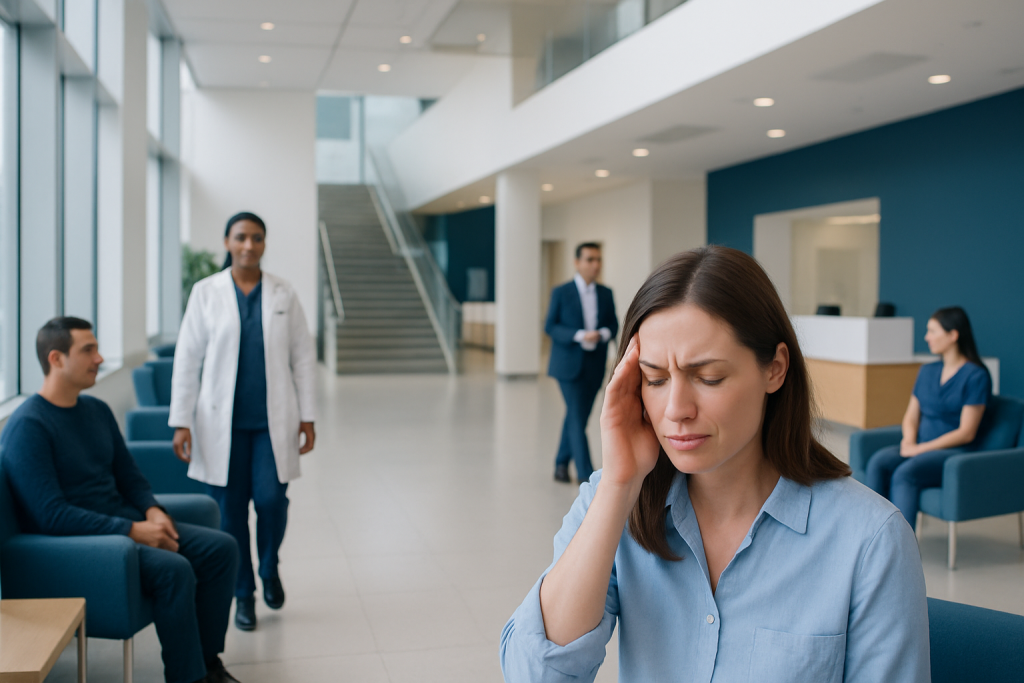
Essential oils may ease headache discomfort for some people, but evidence is limited and they do not treat the underlying cause. Tension-type headache, migraine, sinus-related pain, dehydration, stress, and poor sleep are common reasons for headaches.
Key Takeaways
- Essential oils may ease headache discomfort for some people, but evidence is limited and they do not treat the underlying cause.
- Tension-type headache, migraine, sinus-related pain, dehydration, stress, and poor sleep are common reasons for headaches.
- Headaches that are sudden, severe, recurrent, or linked with neurological symptoms need medical assessment.
- Safe use matters: essential oils should be diluted, kept away from the eyes, and stopped if they trigger irritation or worsen symptoms.
- A headache pattern, associated symptoms, and personal triggers often help guide diagnosis and treatment.
Essential oils for headaches may provide temporary comfort for some people, especially when used with rest, hydration, and trigger management. However, they are supportive measures rather than a cure, and understanding the type and cause of a headache is the most important step.
Overview: Can Essential Oils Help Headaches?
Essential oils for headaches may help some people feel more comfortable for a short time, particularly when headache pain is linked with stress, muscle tension, or a need for rest in a calm environment. Scents such as peppermint or lavender are commonly used, but their effects vary from person to person and they should be viewed as supportive care rather than treatment for the cause.
Headache is a symptom, not a single disease. It can be related to common problems such as tension, poor sleep, eye strain, dehydration, sinus congestion, or missed meals, but it can also happen with conditions such as migraine or less common medical problems that need prompt evaluation. For that reason, the most useful question is not only whether an oil helps, but also what type of headache is present and whether any warning signs are involved.
People who choose to try essential oils usually use them by inhaling the scent or applying a properly diluted product to the skin, often on the temples or neck area while avoiding the eyes. Even natural products can irritate the skin, trigger allergy, or worsen nausea in scent-sensitive people. If headaches are frequent, changing, severe, or disabling, a medical assessment is more important than continued self-treatment.
Common Types of Headache and How They Feel

Headaches are often grouped by pattern and associated symptoms. Tension-type headache commonly causes a dull, pressing, or tightening pain, often on both sides of the head or across the forehead. The neck and shoulders may feel tight, and symptoms are frequently linked with stress, long periods at a desk, poor posture, or fatigue.
Migraine is different. It can cause moderate to severe throbbing or pulsing pain, often on one side of the head, and may come with nausea, vomiting, sensitivity to light, sensitivity to sound, or worsening pain with activity. Some people also have an aura before the headache, such as visual changes, tingling, or speech difficulty. In these situations, recognizing migraine matters because treatment is often more specific than general pain relief.
Sinus-related headache is frequently described as pressure around the eyes, cheeks, or forehead, but true sinus headache is less common than many people think. Nasal congestion, thick discharge, fever, or facial tenderness make a sinus cause more likely. Cluster headache, a rarer type, causes very severe one-sided pain around one eye with tearing, redness, nasal symptoms, or restlessness and needs medical attention.
- Tension-type headache: pressure or tight band sensation
- Migraine: throbbing pain, nausea, light or sound sensitivity
- Sinus-related headache: facial pressure with nasal symptoms
- Cluster headache: intense one-sided pain around the eye
What Causes Headaches and Which Conditions Can Be Related?

Many headaches are primary headaches, meaning the headache itself is the main problem, as in tension-type headache or migraine. Others are secondary headaches, where pain is a symptom of another issue. Common triggers and contributors include dehydration, skipped meals, too much or too little caffeine, poor sleep, emotional stress, prolonged screen time, medication overuse, and hormonal changes.
Related conditions can include upper respiratory infections, sinus inflammation, neck muscle strain, temporomandibular joint problems, high blood pressure in some cases, and eye problems such as uncorrected vision issues. Less commonly, headaches may be associated with head injury, meningitis, bleeding in or around the brain, or other neurological conditions. The setting, timing, and accompanying symptoms often help separate a common headache from a more serious one.
Some people have recurring headaches because of underlying triggers that are not obvious at first. A headache diary can be helpful. Recording the time, location, intensity, food intake, menstrual cycle, sleep quality, stress level, medications, and associated symptoms can reveal patterns and support a more accurate diagnosis if medical care is needed.
Using Essential Oils Safely and Realistically
Research on essential oils for headaches is limited, and results are mixed. Some people report temporary relief with scents such as peppermint or lavender, possibly because cooling sensations, relaxation, or a soothing routine can reduce the perception of pain. Others notice no benefit, and some find that strong smells actually trigger headache or migraine symptoms.
If essential oils are used, safety is important. They should generally be diluted in a carrier oil before skin application, used in small amounts, and kept away from the eyes, inside the nose, broken skin, and children unless a clinician gives specific guidance. Diffusers should be used in a well-ventilated space, and anyone with asthma, fragrance sensitivity, skin disease, or a history of allergy should be especially cautious.
Essential oils should not replace proven headache care. Supportive steps such as drinking water, eating regularly, resting in a quiet dark room, stretching the neck and shoulders, practicing stress reduction, and managing sleep habits are often more consistently helpful. If headaches are frequent or severe, a doctor may recommend a formal evaluation and, when appropriate, imaging such as MRI scanning or CT scanning based on the symptoms and exam findings.
How Doctors Diagnose Recurrent or Severe Headaches
Diagnosis begins with a detailed history. A clinician usually asks when the headache started, how often it happens, where the pain is located, how long it lasts, what it feels like, what makes it better or worse, and whether nausea, visual changes, fever, neck stiffness, weakness, numbness, or confusion occur with it. Family history, current medicines, caffeine use, and sleep patterns are also important.
A physical and neurological examination helps look for clues to the cause. Blood pressure may be checked, and the doctor may examine the eyes, sinuses, jaw, neck, strength, sensation, balance, and reflexes. In many people with a clear pattern of tension-type headache or migraine and no warning signs, diagnosis can be made without extensive testing.
Tests are considered when the pattern is unusual or when red flags are present. Depending on the situation, these may include blood tests, sinus evaluation, or brain imaging. A person with ongoing or complex symptoms may benefit from a specialist review, and in selected cases a doctor may suggest neurological rehabilitation or other supportive care if headache is related to broader neurological recovery needs.
Treatment Options Beyond Home Remedies
Treatment depends on the type of headache and its cause. Tension-type headache often improves with rest, hydration, posture changes, stress management, and appropriate over-the-counter pain relief when medically suitable. Migraine may need specific medicines to stop an attack or reduce how often attacks happen. If sinus disease, infection, eye strain, or a medication side effect is involved, treatment should focus on that underlying issue.
Non-drug strategies can also be valuable. Regular sleep, consistent meals, hydration, exercise, ergonomic adjustments at work, and relaxation techniques may reduce headache frequency in many people. Some individuals benefit from physical therapy for neck and shoulder tension, counseling for stress management, or review of medication use if rebound headaches are suspected.
For patients with repeated or disabling headaches, a structured treatment plan is often more effective than trying one remedy after another. Near the end of the care pathway, it can be reassuring to know that Acibadem International’s multidisciplinary specialists and JCI-accredited hospitals diagnose and treat headache-related conditions for international patients when more detailed assessment is needed.
When to Seek Medical Care
Medical review is important if a headache is new, unusually severe, or changing from a familiar pattern. Urgent assessment is needed for a sudden explosive headache that reaches maximum intensity within seconds or minutes, especially if it is described as the worst headache a person has ever had. Headache after head injury also needs prompt attention.
Other warning signs include fever, neck stiffness, fainting, seizures, confusion, trouble speaking, weakness, numbness, vision loss, persistent vomiting, or severe headache during pregnancy or after delivery. A headache that wakes someone from sleep, steadily worsens, or starts later in life without a clear explanation should also be assessed by a doctor.
Even without emergency warning signs, people should arrange a routine appointment if headaches are happening often, interfering with work or daily life, requiring frequent pain medicine, or coming with migraine-type symptoms. Early assessment can help identify triggers, rule out secondary causes, and create a safer, more effective treatment plan.
Frequently asked questions
Do essential oils cure headaches?
No. Essential oils may provide temporary comfort for some people, but they do not cure headaches or treat the underlying cause. If headaches are frequent, severe, or unusual, a medical evaluation is more important than relying on home remedies alone.
Which headaches are most likely to improve with self-care?
Mild tension-type headaches related to stress, fatigue, dehydration, or muscle tightness often respond best to self-care measures such as rest, fluids, regular meals, and a quiet environment. Migraine and secondary headaches may need more specific treatment.
Can essential oils make headaches worse?
Yes, they can in some people. Strong scents may trigger migraine, worsen nausea, or irritate sensitive skin or airways. If symptoms increase after using an oil, it is best to stop and discuss other options with a clinician.
How can someone use essential oils more safely?
Essential oils should generally be diluted before skin use and kept away from the eyes, mouth, and broken skin. It is wise to use a small amount first, avoid prolonged exposure in enclosed spaces, and be cautious in children, pregnancy, asthma, or allergy-prone individuals.
When is a headache an emergency?
Emergency care is needed for a sudden severe headache, headache after a head injury, or headache with weakness, confusion, seizure, fainting, high fever, neck stiffness, or vision loss. These symptoms may suggest a serious underlying problem that needs immediate assessment.
Should recurring headaches always be checked by a doctor?
Recurring headaches should be discussed with a doctor if they are new, changing, frequent, or affecting quality of life. Many recurring headaches are not dangerous, but identifying the pattern can help guide more effective and safer treatment.
This article is for general information only and is not a substitute for professional medical advice. Please consult a qualified doctor about your individual situation.
Explore treatments in Turkey — costs, top hospitals & a free quote
JCI-accredited · board-certified surgeons · reply within 24h
Add us as a Preferred Source to see more of our trusted health content across Google Search, AI Overviews and Discover.
Check your numbers in seconds
BMI, calories, due date, blood pressure and 30+ more clinical calculators — free, instant, doctor-reviewed ranges.

More from the Health Library

Does Alcohol Cause Inflammation? A Doctor-Reviewed Answer

Is Vitamin Water Good for You? A Doctor-Reviewed Answer

Is Corn Oil Healthy? Here Is What the Evidence Says

How Long Does Prednisone Stay in Your System? Here Is What the Evidence Says

Eye Strain Headache: Common Causes, Related Conditions, and When to See a Doctor