IUD Brands: A Complete Medical Overview

IUD brands fall into two main groups: hormonal IUDs and the copper IUD. The best IUD depends on factors such as bleeding patterns, menstrual cramps, hormone preferences, and how long contraception is desired.
Key Takeaways
- IUD brands fall into two main groups: hormonal IUDs and the copper IUD.
- The best IUD depends on factors such as bleeding patterns, menstrual cramps, hormone preferences, and how long contraception is desired.
- Insertion is a medical procedure, and follow-up may be advised if symptoms such as severe pain, fever, or very heavy bleeding occur.
- Hormonal IUDs often lighten periods over time, while the copper IUD may make periods heavier or crampier, especially at first.
- A clinician can help determine eligibility based on pregnancy status, pelvic infection risk, uterine anatomy, and medical history.
IUD brands are not all the same: some release hormones, one uses copper, and each option differs in size, duration, bleeding effects, and typical side effects. Understanding these differences can help patients have a more informed discussion with a gynecologist about which IUD may fit their health needs and preferences.
Overview of IUD Brands
IUD brands are long-acting reversible contraceptives placed inside the uterus by a trained clinician. In practical terms, the available options are divided into two categories: hormonal IUDs, which release a small amount of levonorgestrel, and the copper IUD, which contains no hormones. Each brand has its own approved duration of use, device size, and expected effects on menstrual bleeding.
Patients often search for “iud brands” because they want more than a simple list of names. What matters medically is how the brands differ in daily life: whether a person wants hormone-free contraception, hopes for lighter periods, has a history of painful cramps, or wants a method that lasts for several years. These details usually shape the best choice more than brand recognition alone.
Commonly discussed hormonal IUD brands include Mirena, Kyleena, Liletta, and Skyla, though availability can vary by country. The copper IUD is often known by the brand ParaGard in some regions. A gynecologist can explain which products are available locally and whether one may be better suited to a person’s age, menstrual pattern, reproductive plans, and overall health.
How Hormonal and Copper IUDs Differ
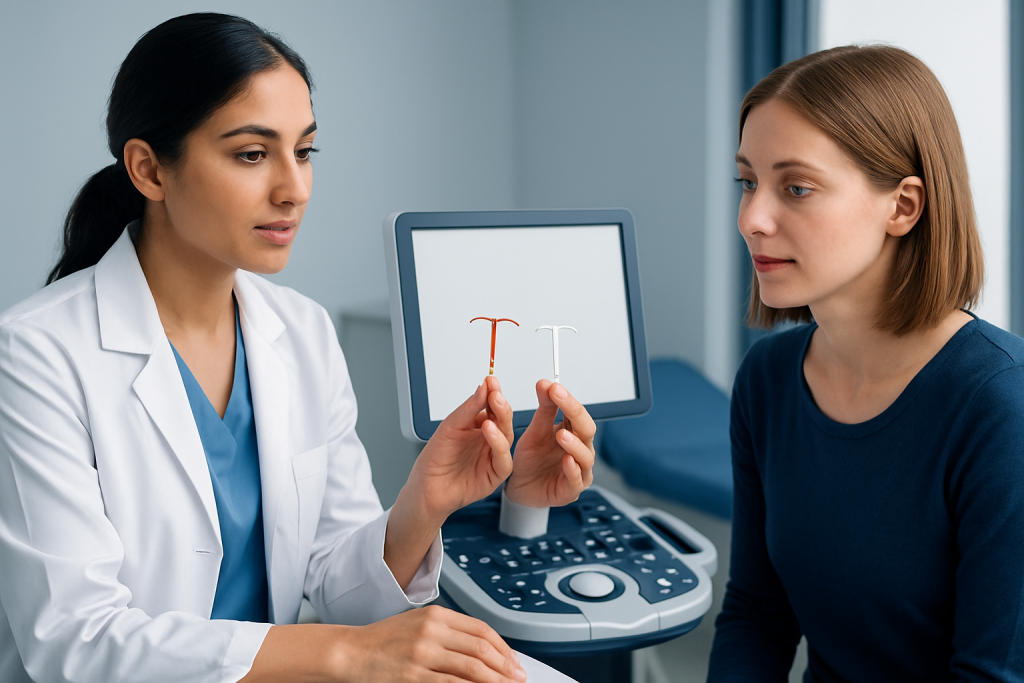
Hormonal IUDs work mainly by thickening cervical mucus, making it harder for sperm to reach an egg. They also thin the uterine lining and may reduce or suppress menstrual bleeding over time. Some people choose a hormonal IUD specifically because they want highly effective contraception along with lighter periods or less period pain.
The copper IUD works differently. Copper affects sperm movement and function, helping prevent fertilization without using hormones. This makes it a useful option for people who prefer to avoid hormone exposure or who cannot use certain hormone-based contraceptives for personal or medical reasons.
These differences often show up most clearly in bleeding patterns. Hormonal IUDs may cause irregular spotting in the first months, then lighter bleeding and sometimes very infrequent periods. The copper IUD may lead to heavier periods and more cramping, especially in the early months after insertion. Neither pattern is automatically dangerous, but both should be discussed before choosing a device.
For people comparing contraception more broadly, a specialist may also review other birth control options and discuss when an IUD is the most suitable long-term choice.
Comparing Common IUD Brands

Among hormonal IUD brands, the main differences are hormone dose, size, and approved duration of use. Some brands are slightly smaller and may be preferred in certain situations, such as for younger patients or those who have concerns about insertion comfort. Others contain more levonorgestrel and are more commonly chosen when menstrual suppression or reduced heavy bleeding is an important goal.
Mirena and Liletta are hormonal IUDs that are often considered longer-duration options. Kyleena also provides long-term contraception but with a lower hormone content than some other brands. Skyla is typically discussed as a smaller hormonal IUD with a shorter duration of approved use. Exact labeling may change over time, so patients should confirm current approval details with their clinician.
ParaGard is the best-known copper IUD brand in the United States and is hormone-free. It is often selected by people who want very long-lasting contraception without levonorgestrel exposure. It can also be discussed in time-sensitive situations because a copper IUD may be used in emergency contraception when inserted within an appropriate medical timeframe after unprotected intercourse.
The right comparison is not simply “best brand” but “best match.” Someone with heavy periods may lean toward a hormonal IUD, while someone who wants to avoid hormones may prefer copper. A gynecology consultation can help weigh these trade-offs in a structured way.
Who May Be a Good Candidate for an IUD
Many adults and adolescents can safely use an IUD, including people who have never been pregnant. Eligibility depends on an individual medical assessment rather than age alone. Clinicians usually review pregnancy possibility, recent pelvic infection, unexplained vaginal bleeding, certain uterine abnormalities, and past contraceptive experiences before recommending a specific device.
Hormonal IUDs may be especially helpful for people who want contraception and also hope to reduce heavy menstrual bleeding or cramping. The copper IUD may appeal to those who prefer a hormone-free method or want a very long-lasting device. Medical history matters because some symptoms attributed to contraception can overlap with other gynecologic conditions, including endometriosis or uterine fibroids.
An IUD may be less suitable in some situations, such as current pelvic infection, suspected pregnancy, or a uterine cavity shape that makes placement difficult. In some cases, doctors may recommend testing or imaging first. If symptoms such as very painful periods, irregular bleeding, or chronic pelvic pain are present before insertion, the clinician may investigate those concerns rather than assuming an IUD alone will solve them.
Insertion, Side Effects, and Possible Risks
IUD insertion is an in-office procedure that usually takes only a short time. Many people feel cramping during and shortly after placement, but the intensity varies. Some resume normal activities the same day, while others prefer a day of rest. A clinician may suggest ways to improve comfort before or after the procedure.
Expected short-term side effects include cramping, spotting, and changes in bleeding during the first weeks to months. With hormonal IUDs, irregular spotting is common at first and often improves over time. With the copper IUD, bleeding and cramping may be more noticeable during periods, especially in the beginning.
Although IUDs are generally safe, there are important risks to understand. These include expulsion, when the device partially or completely comes out; perforation, when the device passes through the uterine wall during insertion; and infection, usually related to insertion timing rather than the IUD itself remaining in place. Pregnancy with an IUD is uncommon, but if it happens it needs prompt medical assessment.
If there is concern about difficult placement, persistent pain, or abnormal bleeding after insertion, a specialist may use pelvic examination and ultrasound to confirm the device position and check for other causes.
How Doctors Help Patients Choose Between IUD Brands
Choosing among IUD brands is usually a preference-based medical decision rather than a one-size-fits-all recommendation. Doctors often begin with a few practical questions: Does the patient want to avoid hormones? Are lighter periods important? Is there a history of painful menstruation, anemia, migraine, or sensitivity to hormonal side effects? How long is contraception desired?
Bleeding patterns are one of the most important discussion points. A person bothered by heavy or painful periods may prefer a hormonal IUD because these devices often reduce menstrual flow. Someone who wants a hormone-free option and accepts the possibility of heavier periods may prefer the copper IUD. This side-by-side counseling often matters more than comparing brands by name alone.
Other factors may include uterine size or shape, comfort with amenorrhea, plans for pregnancy in the future, and previous experience with pills, implants, or injections. Patients should also ask about what to expect in the first few months after insertion and how to check for changes that might suggest expulsion.
For people with coexisting gynecologic symptoms, a clinician may recommend a broader gynecology evaluation before or after IUD placement. Near the end of the care pathway, Acibadem International’s multidisciplinary specialists and JCI-accredited hospitals also diagnose and treat gynecologic conditions for international patients.
Self-Care After Insertion and Follow-Up
After insertion, mild cramping and light spotting can be normal for a short period. Many patients find that rest, hydration, and simple comfort measures are enough while the body adjusts. It can be helpful to track bleeding and cramping over the first few months, since pattern changes provide useful information at follow-up visits.
A clinician may advise checking IUD strings periodically, especially early on, although not everyone can feel them easily. Patients should avoid tugging on the strings and should contact a healthcare professional if the strings suddenly feel much longer or shorter, if the hard plastic part of the IUD seems to be felt, or if the device may have come out.
Follow-up recommendations vary. Some clinicians schedule a routine check after insertion, while others advise follow-up only if symptoms develop. In either case, ongoing gynecologic care remains important, because an IUD does not protect against sexually transmitted infections and does not replace cervical screening or other preventive care.
When to Seek Medical Care
Medical advice should be sought promptly if there is severe or worsening pelvic pain, fever, chills, fainting, unusually heavy bleeding, foul-smelling discharge, or concern about pregnancy. These symptoms do not always mean a serious problem, but they deserve professional evaluation. Sudden inability to feel strings after previously feeling them, or feeling the plastic part of the device, also warrants a check.
Patients should also contact a doctor if irregular bleeding remains troublesome after the expected adjustment period, if sex becomes painful, or if there is persistent pelvic discomfort. A clinician can determine whether the symptoms are related to the IUD itself, device position, or another condition that needs care. Prompt assessment is especially important after recent insertion.
Anyone unsure whether an IUD is causing symptoms should err on the side of asking a qualified healthcare professional. Personalized medical advice is the safest way to decide whether reassurance, monitoring, or treatment is needed.
Frequently asked questions
What are the main IUD brands?
The main IUD brands commonly discussed include hormonal IUDs such as Mirena, Kyleena, Liletta, and Skyla, and the copper IUD often known as ParaGard in the United States. Availability may differ by country, so a local gynecologist can confirm which brands are offered.
Which IUD brand is best?
There is no single best IUD brand for everyone. The best option depends on whether a person wants hormones, how they feel about possible changes in bleeding, how long they want contraception, and their overall medical history.
Do hormonal IUD brands stop periods?
Hormonal IUDs can make periods much lighter, and some people eventually have very little bleeding or no periods at all. This effect varies by brand and by individual, and spotting can still happen during the first few months.
Is the copper IUD safer because it has no hormones?
Hormone-free does not automatically mean safer for every person. The copper IUD is a good option for many people, but it can cause heavier periods and more cramping, so the safest and most suitable choice depends on the individual's needs and medical profile.
Can someone who has never had children use an IUD?
Yes, many people who have never had children can safely use an IUD. Eligibility is based on clinical factors such as uterine anatomy, infection risk, and overall gynecologic health rather than parenthood status alone.
How long do different IUD brands last?
Different IUD brands are approved for different lengths of time, ranging from several years to longer-term use depending on the device. Because official labeling can change, the exact duration should be confirmed with a clinician at the time of counseling.
References
- American College of Obstetricians and Gynecologists
- Centers for Disease Control and Prevention
- World Health Organization
- Office on Women's Health
- Faculty of Sexual and Reproductive Healthcare
This article is for general information only and is not a substitute for professional medical advice. Please consult a qualified doctor about your individual situation.
Explore treatments in Turkey — costs, top hospitals & a free quote
JCI-accredited · board-certified surgeons · reply within 24h
Add us as a Preferred Source to see more of our trusted health content across Google Search, AI Overviews and Discover.