

Tubal Ligation Reversal: What Patients Need to Know

Tubal ligation reversal may restore the chance of natural pregnancy in selected patients. Not everyone is a good candidate; age, tube condition, and the type of prior tubal procedure matter greatly.
Key Takeaways
- Tubal ligation reversal may restore the chance of natural pregnancy in selected patients.
- Not everyone is a good candidate; age, tube condition, and the type of prior tubal procedure matter greatly.
- Evaluation usually includes a review of prior records, fertility testing, and assessment of the partner as well.
- Possible benefits must be weighed against risks such as scarring, surgical complications, and ectopic pregnancy.
- For some patients, IVF may be a more suitable alternative than tubal reversal surgery.
Tubal ligation reversal is an operation that attempts to reconnect the fallopian tubes after sterilization so a natural pregnancy may be possible again. It can help some patients, but whether it is appropriate depends on age, ovarian reserve, the original sterilization method, remaining tube length, and overall fertility health.
Overview: what tubal ligation reversal means
Tubal ligation reversal is surgery performed to reconnect or reopen the fallopian tubes after a previous tubal ligation. The goal is to allow an egg and sperm to meet again in the tube, making natural conception possible in some cases. Whether this can be done successfully depends on how the tubes were blocked or removed, how much healthy tube remains, and the patient’s broader fertility picture.
This procedure is different from fertility treatment that bypasses the tubes, such as IVF treatment. Reversal aims to restore the normal pathway for conception, while IVF brings the egg and sperm together outside the body. For some people, the possibility of trying for pregnancy naturally over time is an important reason to consider reversal, but it is not the right solution for everyone.
Before recommending surgery, a specialist usually looks beyond the tubes themselves. Age, menstrual history, ovarian reserve, prior pregnancies, pelvic surgery, endometriosis, and the male partner’s fertility can all influence the likelihood of pregnancy after reversal. This broader view helps patients compare realistic options and make an informed decision.
Who may be a candidate for tubal reversal
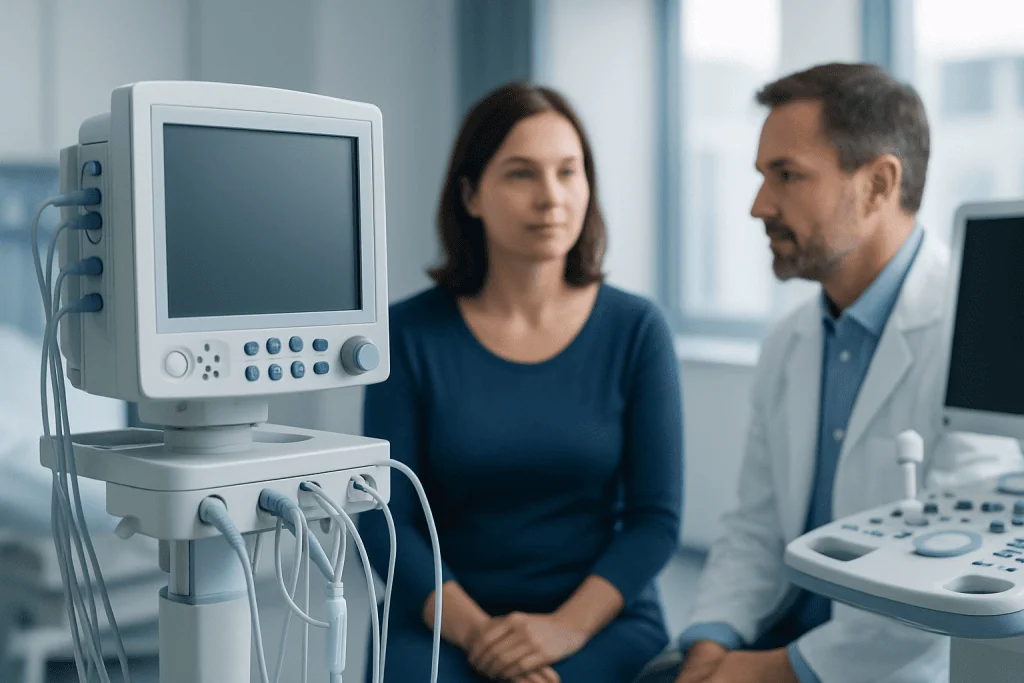
A patient may be considered for tubal ligation reversal if there is enough healthy fallopian tube left to reconnect and if there are no major fertility problems that would make surgery less useful. In general, outcomes are more favorable when the original tubal procedure used clips or rings, or when only a small segment of tube was removed or sealed. Reversal is often more difficult after extensive damage to the tube or complete removal of large portions.
Age is one of the most important factors. Because fertility naturally declines over time, especially in the later reproductive years, an older patient may have less chance of pregnancy even if the tubes are successfully reopened. Ovarian reserve testing can help estimate egg supply, though it does not guarantee pregnancy or rule it out.
Doctors also consider the health of the uterus and ovaries, the presence of pelvic scarring, and whether a male partner’s semen analysis is normal. If significant tubal damage, advanced endometriosis, severe male factor infertility, or markedly reduced ovarian reserve is present, alternatives such as in vitro fertilization may be discussed instead of surgery.
How evaluation and diagnosis are done before surgery
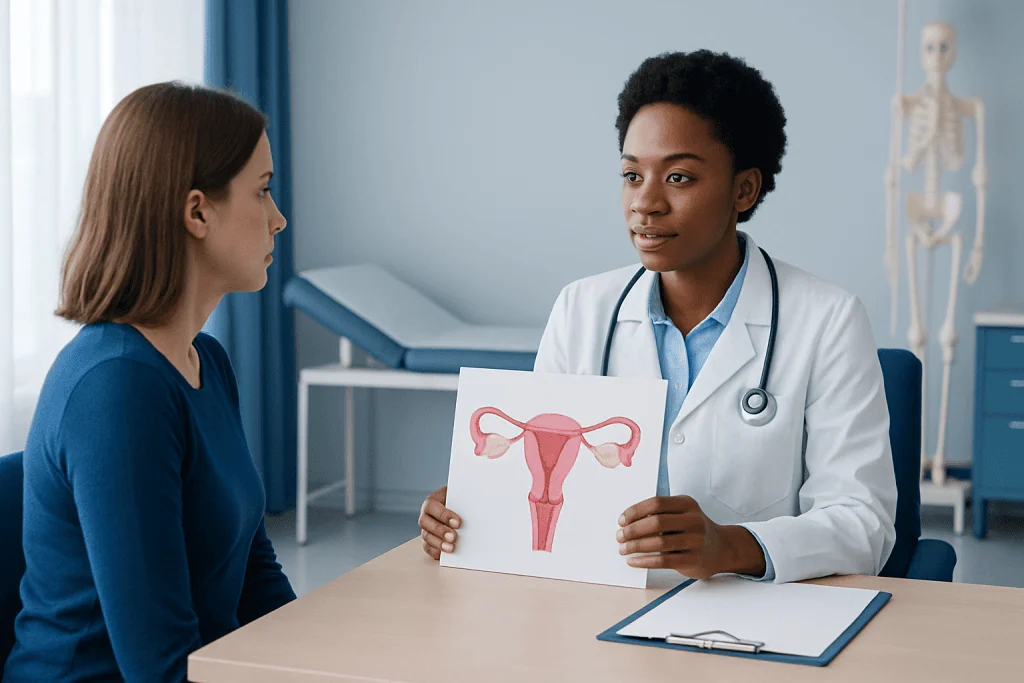
The preoperative assessment usually begins with a detailed review of the patient’s medical and surgical history. If available, records from the original tubal ligation are especially helpful because they may show which method was used and how much tube remains. This information can help a surgeon estimate whether reconstruction is technically possible.
Testing often includes blood work related to fertility, such as ovarian reserve evaluation, along with pelvic imaging and a general gynecologic examination. Some specialists may use ultrasound to assess the uterus and ovaries, while others recommend additional studies if there is concern for fibroids, adhesions, or other pelvic conditions. If symptoms suggest another disorder, further evaluation may be needed for conditions such as endometriosis.
A fertility evaluation is usually not complete without assessing the male partner. Semen analysis can identify issues that would affect the chance of pregnancy after surgery. This step is important because a technically successful reversal may not lead to pregnancy if another fertility factor is present.
In some situations, a specialist may also discuss whether the tubes themselves remain suitable for function even if they can be reconnected. The inner lining of the tubes, prior infection, and scar tissue can affect how well the tube transports the egg and embryo. This is one reason why careful counseling matters before deciding on surgery.
How tubal ligation reversal is performed
Tubal ligation reversal is commonly performed under general anesthesia. During the operation, the surgeon identifies the blocked or separated sections of the fallopian tubes, removes damaged ends if needed, and reconnects the healthy segments using delicate microsurgical techniques. The aim is to restore an open passage while preserving as much normal structure as possible.
The exact approach may vary depending on the patient’s anatomy, the original sterilization method, and the surgeon’s expertise. Some cases are done through a small abdominal incision, while others may use minimally invasive methods when appropriate. In all approaches, precise alignment of the tube is important because the tubes are narrow and their lining plays a key role in natural conception.
At the time of surgery, the doctor may assess whether dye or fluid can pass through the reconnected tubes, suggesting that they are open. However, an open tube at surgery does not always predict future pregnancy. Function also depends on healing, absence of new scar tissue, and the ability of the tube to move the egg normally.
Benefits, limitations, and possible risks
The main potential benefit of tubal ligation reversal is the possibility of natural conception without needing IVF for each pregnancy attempt. If the reversal is successful and fertility is otherwise favorable, some patients may have more than one opportunity for pregnancy over time. For people who prefer trying to conceive naturally, this may be a meaningful advantage.
At the same time, the procedure has clear limitations. Successful reconnection does not guarantee pregnancy, and pregnancy rates vary based on age, tube length after repair, prior sterilization technique, and coexisting fertility factors. Some patients undergo surgery and still need fertility treatment later if conception does not occur.
As with any operation, there are surgical risks, including bleeding, infection, anesthesia-related complications, and damage to nearby structures. There is also a higher risk of ectopic pregnancy, which means a pregnancy developing outside the uterus, most often in a fallopian tube. Because ectopic pregnancy can become serious quickly, early pregnancy monitoring is very important after a reversal.
Patients with a history of pelvic infection, extensive scar tissue, or conditions such as ovarian cysts or endometriosis may need extra evaluation to understand whether the tubes and surrounding anatomy can support pregnancy. A careful discussion with a gynecologist or fertility specialist helps place the benefits and risks in the context of the individual patient’s goals.
Recovery, fertility planning, and alternatives
Recovery after tubal reversal depends on the surgical approach and the patient’s general health. Many people need a short period of reduced activity while the incision heals and postoperative discomfort improves. The surgeon usually gives specific guidance about wound care, pain relief, exercise, work, and when sexual activity can be resumed.
Conception does not usually happen immediately, and many patients need time for healing before trying to become pregnant. Follow-up visits allow the doctor to monitor recovery and discuss next steps. If pregnancy occurs, early medical review is recommended so the location of the pregnancy can be confirmed and ectopic pregnancy can be ruled out promptly.
When reversal is unlikely to work well, alternatives may be more appropriate. IVF can be considered for patients with significant tubal damage, reduced ovarian reserve, male factor infertility, or those who prefer not to undergo tubal surgery. In some fertility evaluations, additional procedures may also be discussed depending on the cause of infertility, such as microinjection methods used in assisted reproduction.
Near the end of the decision-making process, some patients benefit from a consultation in a center that offers both reconstructive surgery and fertility treatment options. Acibadem International’s multidisciplinary specialists and JCI-accredited hospitals diagnose and treat fertility-related conditions for international patients, helping align the treatment plan with the patient’s medical needs and reproductive goals.
Self-care and when to seek medical care
Good self-care before and after surgery can support recovery and overall reproductive health. Patients are often advised to stop smoking if applicable, manage chronic conditions such as diabetes, maintain a balanced diet, and follow preoperative instructions carefully. After surgery, rest, hydration, and attention to incision care are important, along with keeping all follow-up appointments.
It is also helpful to track menstrual cycles and discuss any irregular bleeding, pelvic pain, fever, or unusual discharge with a doctor. These symptoms do not always mean a serious problem, but they should not be ignored, especially after pelvic surgery. Emotional support can also matter, since decisions around fertility treatment can feel complex and personal.
Medical care should be sought promptly if there is severe abdominal pain, heavy bleeding, fainting, persistent fever, redness or drainage from the incision, or worsening symptoms during recovery. After a positive pregnancy test following tubal ligation reversal, early evaluation is important to confirm that the pregnancy is inside the uterus and developing in the expected location.
Frequently asked questions
Can tubal ligation reversal restore fertility?
It can restore the possibility of natural pregnancy for some patients, but it does not guarantee conception. Success depends on factors such as age, the type of prior tubal ligation, the amount of healthy tube remaining, and whether any other fertility issues are present.
Is tubal ligation reversal better than IVF?
Neither option is automatically better for every patient. Tubal reversal may be appealing for those who want the chance of natural conception, while IVF may be more suitable when there is significant tubal damage, male factor infertility, or reduced ovarian reserve.
How long does recovery usually take?
Recovery varies by surgical technique and individual health. Many patients need a short period of rest and activity restriction, but the surgeon will provide personalized advice about healing time, work, exercise, and when to try for pregnancy.
What are the main risks after tubal ligation reversal?
The main risks include bleeding, infection, scar tissue, anesthesia-related complications, and failure to achieve pregnancy. There is also an increased risk of ectopic pregnancy, so early monitoring is important if pregnancy occurs.
Will a doctor need records from the original tubal ligation?
If available, those records are very helpful. They can show how the tubes were blocked and how much tissue may remain, which helps the surgeon assess whether reversal is technically possible and likely to be worthwhile.
When should a patient call a doctor after surgery?
A doctor should be contacted if there is severe pain, heavy bleeding, fever, fainting, increasing redness around the incision, or unusual discharge. After a positive pregnancy test, prompt medical review is also recommended to confirm the pregnancy is in the uterus.
References
- American College of Obstetricians and Gynecologists
- American Society for Reproductive Medicine
- Centers for Disease Control and Prevention
- National Institute for Health and Care Excellence
- World Health Organization
This article is for general information only and is not a substitute for professional medical advice. Please consult a qualified doctor about your individual situation.
IVF & fertility treatment in Turkey — success rates and costs
JCI-accredited · board-certified surgeons · reply within 24h
Add us as a Preferred Source to see more of our trusted health content across Google Search, AI Overviews and Discover.

More from the Health Library



Related Specialists

Prof. Dr. Metin Gürsürer
Cardiology
Prof. Dr. Tülin Tuğlular
Hematology
Prof. Dr. Ata Can Atalar
Orthopedic Surgery & Traumatology
Fzt. Nursena Altınkaya
Physical Medicine & Rehabilitation