Chronic Respiratory Failure: What Patients Need to Know

Chronic respiratory failure develops or persists over time and may involve low oxygen, high carbon dioxide, or both. Breathlessness, fatigue, morning headaches, sleepiness, and confusion can be important warning symptoms.
Key Takeaways
- Chronic respiratory failure develops or persists over time and may involve low oxygen, high carbon dioxide, or both.
- Breathlessness, fatigue, morning headaches, sleepiness, and confusion can be important warning symptoms.
- Testing may include pulse oximetry, arterial blood gas testing, lung function tests, imaging, and sleep studies.
- Treatment may include oxygen therapy, non-invasive ventilation, medicines, pulmonary rehabilitation, and care for the underlying condition.
- Sudden worsening breathlessness, blue lips, severe drowsiness, or confusion needs urgent medical assessment.
Chronic respiratory failure occurs when the respiratory system cannot provide enough oxygen to the blood, remove enough carbon dioxide, or both over a prolonged period. It is usually linked to an underlying lung, airway, chest wall, nerve, muscle, or sleep-related condition, and treatment focuses on supporting breathing while managing its cause.
Overview: What Is Chronic Respiratory Failure?
Chronic respiratory failure is a long-lasting condition in which the lungs and breathing system cannot consistently keep oxygen and carbon dioxide in the blood within a healthy range. It may develop gradually over months or years, or it may remain after an episode of acute respiratory failure. The condition does not always mean that breathing stops; rather, it means that the body needs extra support or treatment to maintain effective gas exchange.
Doctors generally describe chronic respiratory failure according to the main blood-gas problem. Hypoxemic respiratory failure involves too little oxygen in the blood. Hypercapnic respiratory failure involves too much carbon dioxide, often because breathing is too shallow or inefficient to remove it adequately. Some people have both patterns. The outlook varies widely and depends largely on the underlying illness, its severity, and how well it responds to treatment.
With an individualized care plan, many people can manage symptoms, remain active within safe limits, and reduce the risk of flare-ups. Regular review is important because oxygen and ventilation needs can change over time, particularly after infections, hospital admissions, weight changes, or progression of a lung or neuromuscular condition.
How Chronic Respiratory Failure May Feel
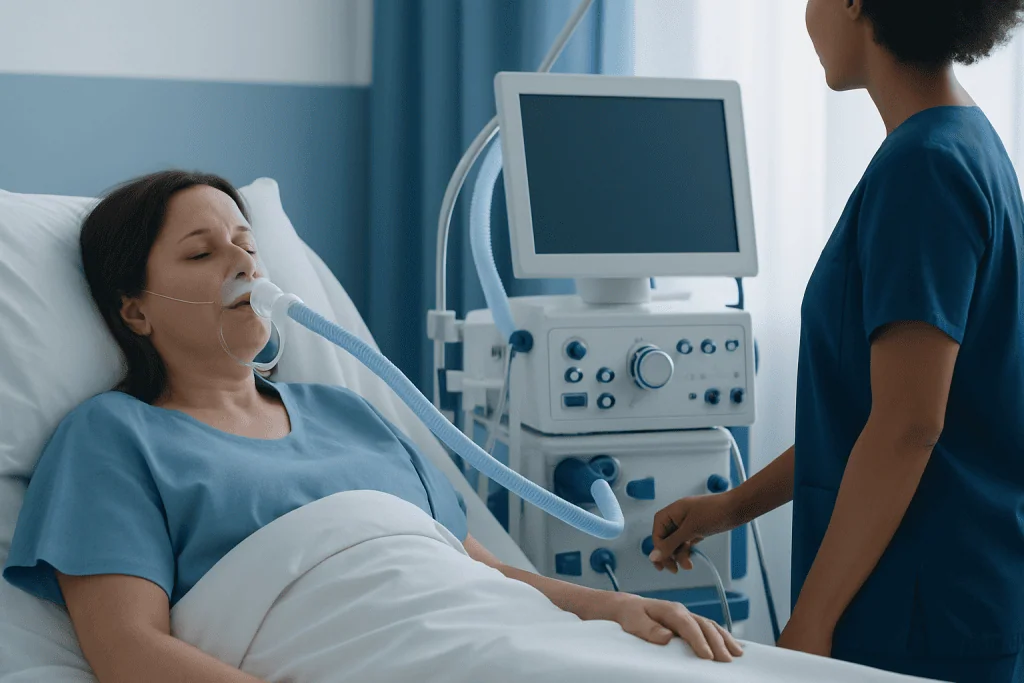
Symptoms can appear slowly, which may make them easy to attribute to aging, poor fitness, or another health problem. Shortness of breath during activity is common, but symptoms can also occur at rest in more advanced disease. A person may notice reduced stamina, frequent pauses while walking, difficulty climbing stairs, or needing extra pillows to sleep comfortably.
Low oxygen levels may contribute to tiredness, reduced exercise tolerance, headaches, poor concentration, and a faster heartbeat. Persistently high carbon dioxide can cause morning headaches, excessive daytime sleepiness, difficulty thinking clearly, low mood, or confusion. In some cases, family members first notice changes such as unusual drowsiness, restless sleep, snoring, or pauses in breathing.
Symptoms may worsen during a chest infection, an exacerbation of chronic lung disease, or after sedating medicines. Not everyone experiences the same symptoms, and symptom severity does not always precisely reflect oxygen or carbon dioxide levels. For this reason, assessment should be based on both how the person feels and objective testing ordered by a clinician.
Why It Develops: Common Causes and Risk Factors

Chronic respiratory failure is most often a complication of another condition rather than a diagnosis with a single cause. Chronic obstructive pulmonary disease (COPD) is a common cause, especially when airflow limitation is advanced. Other lung-related causes include severe asthma, bronchiectasis, interstitial lung disease, cystic fibrosis, and conditions that cause long-term scarring or damage to lung tissue.
Breathing can also be affected when the brain, nerves, muscles, chest wall, or upper airway cannot support normal ventilation. Examples include obesity hypoventilation syndrome, obstructive sleep apnea, certain neuromuscular disorders, spinal cord disorders, and significant chest wall deformities. Heart disease may worsen breathlessness and oxygen levels, although it is assessed separately from primary respiratory causes.
Smoking or previous tobacco exposure increases the risk of several chronic lung diseases. Repeated respiratory infections, air pollution, occupational dusts or fumes, untreated sleep-disordered breathing, and poor adherence to prescribed therapies may also contribute. However, chronic respiratory failure can occur in people who have never smoked, particularly when there is a genetic, inflammatory, neuromuscular, or sleep-related cause.
How Doctors Confirm the Diagnosis
Diagnosis begins with a detailed history, physical examination, and review of existing lung, heart, sleep, and neurological conditions. Clinicians ask about symptoms during activity and sleep, recent infections, smoking history, medicines, and whether symptoms have changed. They also assess how the condition affects daily tasks, mobility, nutrition, and sleep quality.
A pulse oximeter can estimate the oxygen saturation in the blood, but it does not measure carbon dioxide and cannot by itself diagnose chronic respiratory failure. An arterial blood gas test is often used to measure oxygen, carbon dioxide, and blood acidity more directly. This helps clinicians identify whether low oxygen, high carbon dioxide, or both are present and whether the body has adapted to a long-standing problem.
Additional tests may include chest X-ray or CT imaging, spirometry and other pulmonary function tests, blood tests, electrocardiography, echocardiography, and a sleep study. The exact combination depends on the suspected cause. Testing also helps distinguish chronic respiratory failure from a temporary decline due to pneumonia, fluid overload, a blood clot in the lung, or another acute condition.
Treatment: Supporting Breathing and Treating the Cause
Treatment is tailored to the cause and the person’s blood-gas results, symptoms, and daily needs. Managing the underlying condition is central. This may include inhaled medicines for airway disease, treatment of infections, therapies for inflammatory lung disorders, management of heart problems, or treatment for sleep-disordered breathing. Clinicians also review medicines that may suppress breathing, including some sedatives and opioid pain medicines.
Long-term oxygen therapy may be prescribed for selected people with chronically low oxygen levels. Oxygen should only be used as directed by a qualified clinician, because the required flow and timing vary from person to person. In people with chronic carbon dioxide retention, too much oxygen without appropriate monitoring can sometimes worsen carbon dioxide levels. Regular reassessment helps ensure that oxygen remains safe and appropriate.
Non-invasive ventilation, commonly delivered through a fitted mask during sleep or for longer periods, may help people who retain carbon dioxide or have weak breathing muscles. This support can reduce the work of breathing and improve overnight ventilation. In more complex situations, invasive ventilation through a tracheostomy may be considered after careful discussion of goals, expected benefits, and long-term care needs.
Pulmonary rehabilitation can be valuable for eligible patients. It typically combines supervised activity, breathing strategies, education, and support for daily living. Nutritional assessment, vaccination, smoking cessation support, and a written plan for managing flare-ups may also form part of comprehensive care.
Living With Chronic Respiratory Failure
Daily self-care should complement, not replace, medical treatment. Taking prescribed medicines correctly, using oxygen or ventilation equipment as instructed, attending follow-up appointments, and reporting changes early can help prevent complications. Equipment such as masks, tubing, humidifiers, and oxygen devices should be maintained according to the provider’s instructions to support safe and effective use.
People are usually encouraged to avoid smoking and secondhand smoke, as well as unnecessary exposure to dust, strong fumes, and respiratory irritants. Keeping recommended vaccinations up to date may lower the chance of serious respiratory infections. Hand hygiene and avoiding close contact with people who are acutely unwell can also be sensible precautions, particularly during respiratory virus seasons.
Gentle activity may improve confidence and conditioning when it is approved by the care team. Patients should pace activities, take planned rests, and use breathing techniques taught by a respiratory therapist or rehabilitation professional. A balanced diet and adequate fluids can support overall health, although people with heart, kidney, or swallowing problems may need individualized advice.
Family members and caregivers can play an important role by learning how prescribed equipment works and recognizing changes such as increasing sleepiness, confusion, breathlessness, or reduced ability to perform usual tasks. It can be helpful to discuss advance care planning early, while the person is well enough to share preferences about future treatment and support.
When to Seek Medical Care
New or gradually worsening breathlessness, reduced exercise tolerance, persistent morning headaches, increasing daytime sleepiness, or sleep disruption should be discussed with a doctor. A clinician should also review frequent chest infections, a new need to use more oxygen than prescribed, swelling in the legs, unexplained weight loss, or difficulty using ventilation equipment. Early review may help identify a treatable trigger before symptoms become severe.
Urgent medical care is needed for severe difficulty breathing, chest pain, fainting, blue or gray lips or fingertips, severe confusion, unusual inability to stay awake, or a rapid deterioration from the person’s usual condition. These symptoms can indicate dangerously low oxygen, high carbon dioxide, infection, heart-related problems, or another emergency. Patients should follow their local emergency procedures rather than attempting to manage severe symptoms at home.
Care is often coordinated between respiratory physicians, primary care clinicians, sleep specialists, physiotherapists, rehabilitation teams, and other specialists depending on the cause. Acibadem International’s multidisciplinary specialists and JCI-accredited hospitals diagnose and treat chronic respiratory conditions for international patients, with care plans based on individual clinical needs.
Frequently asked questions
Is chronic respiratory failure the same as COPD?
No. COPD is one possible cause of chronic respiratory failure, but not everyone with COPD develops respiratory failure. Chronic respiratory failure can also result from sleep-related breathing disorders, obesity hypoventilation syndrome, lung scarring, neuromuscular conditions, and other disorders.
Can chronic respiratory failure improve?
It may improve when a contributing cause is treated, such as an infection, poorly controlled airway disease, or untreated sleep-disordered breathing. Some underlying conditions are long term, but symptoms, blood-gas levels, and quality of life can often improve with appropriate treatment and monitoring.
Does everyone with chronic respiratory failure need oxygen?
No. Oxygen therapy is recommended only for selected patients whose testing shows that they would benefit from it. People with high carbon dioxide levels may require particularly careful oxygen assessment, and some benefit more from ventilation support than oxygen alone.
What is the difference between acute and chronic respiratory failure?
Acute respiratory failure develops quickly and is often an emergency. Chronic respiratory failure persists over time, allowing the body to partially adapt in some cases, although it still requires medical care. A person with chronic respiratory failure can also develop an acute worsening, sometimes called acute-on-chronic respiratory failure.
Can a pulse oximeter diagnose chronic respiratory failure?
A pulse oximeter can provide useful information about oxygen saturation, but it cannot measure carbon dioxide and does not identify the cause of a low reading. Diagnosis usually requires a clinical assessment and may include arterial blood gas testing, lung function testing, imaging, or sleep studies.
What should patients avoid with chronic respiratory failure?
Patients should avoid smoking, secondhand smoke, and unprotected exposure to respiratory irritants where possible. They should also avoid changing oxygen settings, stopping ventilation, or taking sedating medicines without discussing this with their clinician, as these changes can affect breathing safety.
References
- American Thoracic Society
- European Respiratory Society
- National Heart, Lung, and Blood Institute
- Global Initiative for Chronic Obstructive Lung Disease
- World Health Organization
This article is for general information only and is not a substitute for professional medical advice. Please consult a qualified doctor about your individual situation.
Explore treatments in Turkey — costs, top hospitals & a free quote
JCI-accredited · board-certified surgeons · reply within 24h
Add us as a Preferred Source to see more of our trusted health content across Google Search, AI Overviews and Discover.