Open Eyes When Sleeping: An Evidence-Based Guide for Patients
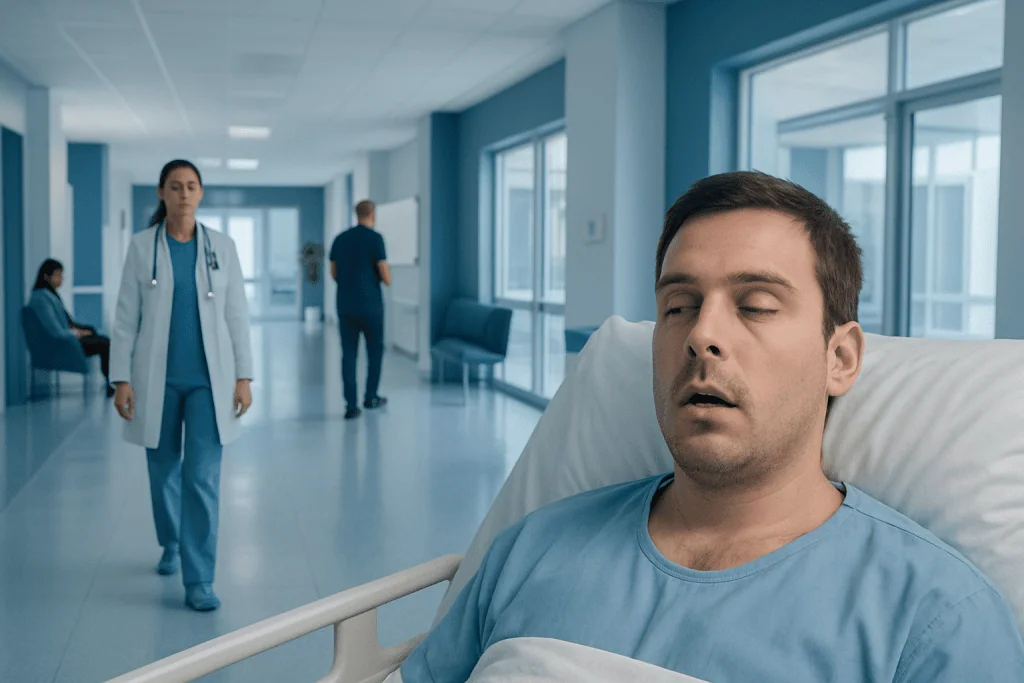
Sleeping with partly open eyes is commonly linked to incomplete eyelid closure, known as nocturnal lagophthalmos. Morning dryness, redness, blurred vision, burning, or a gritty feeling may suggest the eyes are exposed during sleep.
Key Takeaways
- Sleeping with partly open eyes is commonly linked to incomplete eyelid closure, known as nocturnal lagophthalmos.
- Morning dryness, redness, blurred vision, burning, or a gritty feeling may suggest the eyes are exposed during sleep.
- Causes range from eyelid anatomy and facial nerve weakness to thyroid eye disease, injury, or prior eyelid surgery.
- Lubricating eye products, moisture protection, and treatment of the underlying cause can help prevent corneal irritation.
- Persistent symptoms, eye pain, light sensitivity, or vision changes should be assessed promptly by an eye specialist.
Open eyes when sleeping usually means that the eyelids do not close completely during sleep, a condition called nocturnal lagophthalmos. Even a small gap can allow the eye surface to dry out overnight, but appropriate eye protection and treatment of the underlying cause can often relieve symptoms and protect vision.
What Does It Mean to Sleep With Open Eyes?
Open eyes when sleeping usually refers to incomplete eyelid closure rather than being fully awake with the eyes wide open. The medical term is nocturnal lagophthalmos. During normal sleep, the eyelids form a protective seal that helps keep tears on the surface of the eye and shields the cornea, the clear front layer of the eye.
When the lids leave even a narrow opening, tears may evaporate more quickly. The exposed part of the cornea can become dry and irritated by airflow, bedding, heating, air conditioning, or reduced tear production. Some people notice the problem themselves, while others learn about it from a partner, family member, or a photograph or video taken during sleep.
Occasional mild eyelid opening may not lead to serious problems, particularly if it causes no symptoms. However, repeated overnight exposure can contribute to dry eye symptoms and, in some cases, damage to the corneal surface. An eye examination can identify whether incomplete lid closure is present and whether treatment is needed.
Signs That the Eyes May Be Open During Sleep
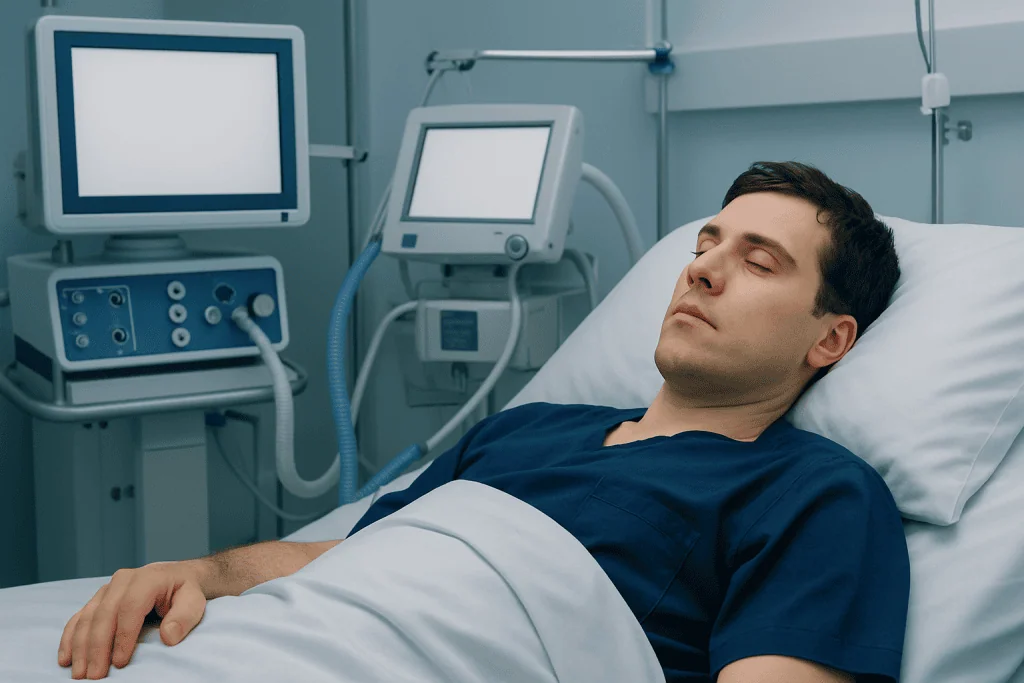
Symptoms are often most noticeable on waking because the eye surface has been exposed overnight. A person may wake with burning, stinging, redness, watering, crusting around the lashes, or a sensation that there is sand or grit in the eye. Vision may be briefly blurry in the morning and improve after blinking, using lubricating drops, or being awake for some time.
Other possible clues include light sensitivity, frequent rubbing of the eyes, discomfort when opening the eyes in the morning, or recurrent irritation that does not fully settle with ordinary daytime dry-eye measures. Some people have few symptoms because their eyelids close almost completely or because their tear film is sufficiently protective.
These symptoms are not unique to nocturnal lagophthalmos. Allergies, blepharitis, contact lens problems, infections, and daytime dry eye can cause similar complaints. For this reason, ongoing symptoms should be evaluated rather than self-diagnosed, especially when one eye is consistently worse than the other.
Why Do Some People Sleep With Their Eyes Open?

Incomplete eyelid closure can occur for several reasons. In some people, the shape or position of the eyelids, eyes, or surrounding facial tissues makes it harder for the lids to meet fully during relaxation and sleep. This may run in families or become more noticeable with age as eyelid tissues change.
Facial nerve weakness can also affect eyelid closure. The facial nerve controls muscles that close the eyelids, so conditions such as Bell’s palsy, facial trauma, stroke, or complications involving the facial nerve may leave one eye unable to close normally. This can begin suddenly and usually requires timely medical assessment to protect the cornea.
Other contributing factors include eyelid scarring after injury or surgery, prominent eyes associated with thyroid eye disease, inflammation around the eyelids, and certain neurological or muscle conditions. Sedatives, alcohol, and profound fatigue may reduce normal muscle tone during sleep in some individuals, but they are not usually the only explanation for persistent incomplete closure.
Children may occasionally sleep with their eyelids partly open. If this is brief and there are no eye symptoms, it may not be concerning. However, repeated redness, rubbing, discharge, apparent facial asymmetry, or difficulty closing an eye when awake should be discussed with a pediatrician or eye specialist.
How Doctors Assess Nocturnal Lagophthalmos
An optometrist, ophthalmologist, or other qualified clinician may ask about morning symptoms, sleep observations, prior facial weakness, eye surgery, thyroid conditions, injuries, medication use, and dry-eye symptoms. It can be helpful to bring a partner’s observations or a short video showing the eyelids during sleep, if available and comfortable to share.
The examination usually includes checking vision, eyelid position and movement, blink strength, facial symmetry, and the ability to close the eyes gently and tightly. The clinician examines the cornea and tear film with a slit lamp microscope. Special dyes may be used to reveal small areas of dryness or surface injury that are not visible without magnification.
Further evaluation depends on the findings. If facial weakness is new, a clinician may assess for neurological causes. Signs of thyroid eye disease may lead to thyroid testing and referral to appropriate specialists. In many cases, the diagnosis is based on the history and eye examination, without the need for a sleep study.
Treatment Options and Nighttime Eye Protection
Treatment is tailored to the degree of eyelid opening, the health of the cornea, and the underlying cause. For mild cases, a clinician may recommend preservative-free lubricating drops during the day and a thicker lubricating gel or ointment before bedtime. Ointments can blur vision temporarily, so they are generally used only when the person is ready to sleep.
Physical protection may also help. Depending on clinical advice, options can include a moisture-chamber eye shield, a well-fitting sleep mask designed to reduce airflow, or carefully applied eyelid taping. Taping should only be used with guidance from an eye-care professional, particularly for people with sensitive skin, recent surgery, infection risk, or significant eyelid weakness. The eye should not be taped in a way that puts pressure on the eyeball.
When eyelid closure is significantly impaired, doctors may recommend additional measures such as temporary eyelid weights, special contact lenses that protect the cornea, or procedures to improve lid position and closure. Treating an associated condition, such as facial nerve palsy or thyroid eye disease, is an important part of care. Surgical approaches are usually reserved for selected cases where conservative methods do not adequately protect the eye.
People with persistent dry-eye symptoms may benefit from a broader assessment of dry eye disease and eyelid health. The aim of treatment is not simply to reduce discomfort, but to maintain a healthy, protected corneal surface over time.
Practical Self-Care Steps
Simple changes in the sleep environment can reduce overnight irritation. Avoiding direct airflow from fans, air conditioning, or heating vents toward the face may help. A humidifier can be useful in dry indoor environments, provided it is cleaned regularly according to the manufacturer’s instructions.
People who use contact lenses should remove them before sleeping unless an eye specialist has specifically prescribed overnight wear. Eye makeup should be removed gently before bed, and eyelid hygiene may be recommended when blepharitis or blocked oil glands are contributing to tear-film instability. It is best to avoid using redness-relieving eye drops regularly unless a clinician recommends them, as some can worsen dryness or mask ongoing irritation.
Lubricants should be chosen with professional guidance when symptoms are frequent, when there is a history of eye surgery, or when a person has glaucoma or uses prescribed eye drops. Home measures can support comfort, but they should not replace examination if symptoms are persistent or worsening.
When to Seek Medical Care
Medical advice is appropriate when a person regularly wakes with eye discomfort, redness, blurred vision, excessive tearing, or a gritty sensation. An appointment with an optometrist or ophthalmologist is particularly important if symptoms persist despite lubricating measures, if one eye is more affected, or if someone else has observed the eyelids remaining open during sleep.
Urgent assessment is needed for eye pain, marked redness, sensitivity to light, reduced vision, discharge, or a feeling that the eye cannot be kept open. These symptoms may indicate a corneal problem or another condition that needs prompt treatment. Sudden inability to close one side of the face, new facial drooping, difficulty speaking, weakness in an arm or leg, severe headache, or confusion should be treated as an emergency.
Acibadem International’s multidisciplinary specialists and JCI-accredited hospitals can assess eyelid closure problems, dry eye symptoms, and related neurological or thyroid concerns for international patients. A timely evaluation can help identify the cause and support an eye-protection plan suited to the individual.
Frequently asked questions
Is it normal to sleep with eyes partly open?
A small amount of eyelid opening during sleep can occur and may not cause problems in every person. However, repeated or significant opening can dry the eye surface and should be assessed if it causes morning redness, discomfort, blurred vision, or recurrent irritation.
Can sleeping with open eyes damage vision?
If the cornea is repeatedly exposed and dries out, it can develop surface irritation or injury. Most cases can be managed before permanent vision problems occur, but pain, light sensitivity, or reduced vision require prompt eye care.
What is nocturnal lagophthalmos?
Nocturnal lagophthalmos is the medical term for incomplete eyelid closure during sleep. It may occur because of eyelid shape, facial nerve weakness, eye prominence, scarring, or other conditions affecting the eyelids or facial muscles.
How can a person tell whether they sleep with their eyes open?
Morning dry-eye symptoms can be a clue, but they do not confirm the cause. A sleeping partner may notice eyelid opening, and an eye specialist can examine eyelid closure and look for corneal dryness or exposure-related changes.
Can eye drops help when the eyes do not close at night?
Lubricating drops, gels, or ointments may help protect the eye surface and improve comfort. A clinician can advise which type is appropriate, especially if symptoms are frequent or if there is an underlying eye condition.
Should eyelids be taped shut at night?
Some people are advised to use eyelid taping as part of treatment, but it should be done only after professional instruction. Incorrect taping can irritate the skin, place pressure on the eye, or fail to protect the cornea adequately.
References
- American Academy of Ophthalmology
- National Eye Institute
- American Optometric Association
- Mayo Clinic
- National Health Service
This article is for general information only and is not a substitute for professional medical advice. Please consult a qualified doctor about your individual situation.
Explore treatments in Turkey — costs, top hospitals & a free quote
JCI-accredited · board-certified surgeons · reply within 24h
Add us as a Preferred Source to see more of our trusted health content across Google Search, AI Overviews and Discover.