Dry Eyelids: A Complete Medical Overview

Dry eyelids can be caused by irritants, allergies, eczema, blepharitis, dry air and some cosmetic or skin-care products. The eyelid skin is especially delicate, so gentle cleansing and fragrance-free moisturising are important.
Key Takeaways
- Dry eyelids can be caused by irritants, allergies, eczema, blepharitis, dry air and some cosmetic or skin-care products.
- The eyelid skin is especially delicate, so gentle cleansing and fragrance-free moisturising are important.
- Eye redness, pain, vision changes, marked swelling or discharge need prompt medical assessment.
- Avoid rubbing the eyes and stop using newly introduced products that may be causing irritation.
- A doctor may recommend treatment for eczema, allergies, infection or eyelid inflammation when self-care is not enough.
Dry eyelids are a common concern that may cause flaking, tightness, itching, redness or discomfort in the thin skin around the eyes. They often result from irritation, allergies or inflammatory skin conditions, but persistent symptoms should be assessed to identify the cause and protect eye health.
What Are Dry Eyelids?
Dry eyelids describe dryness, roughness, flaking or irritation of the skin on the upper or lower eyelids and the surrounding eye area. Because eyelid skin is very thin and frequently exposed to tears, cosmetics, cleansers, airborne particles and hand contact, it can become irritated more easily than skin elsewhere on the face.
Symptoms may affect one or both eyelids. In many cases, dry eyelids are temporary and improve after avoiding a trigger and restoring the skin barrier with gentle care. However, dryness can also be a sign of eyelid dermatitis, eczema, allergy, blepharitis or another condition that may require a clinician’s guidance.
It is useful to distinguish dry eyelid skin from dry eye disease. Dry eye disease mainly affects the tear film on the surface of the eye and may cause burning, grittiness, watering or fluctuating vision. Both problems can occur together, but they are assessed and treated differently.
Symptoms That May Accompany Dry Eyelids
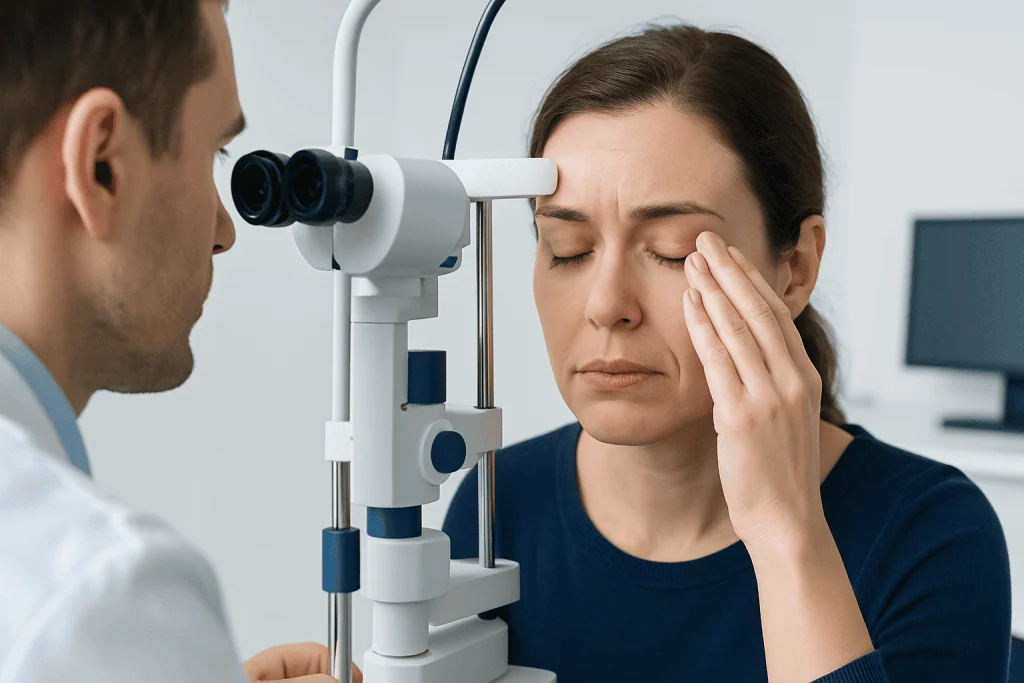
Dry eyelids may feel tight, itchy, stinging or tender. The skin can look dull, scaly, cracked, flaky or mildly swollen. Some people notice fine lines becoming more visible during a flare, while others develop redness along the eyelid crease or close to the eyelashes.
When inflammation involves the eyelid margins, there may be crusting at the base of the lashes, a gritty eye sensation or lashes that stick together after sleep. This pattern can occur with blepharitis, an inflammation of the eyelid edges. Repeated rubbing may worsen redness and can further damage the protective skin barrier.
Symptoms associated with an allergic reaction can include itching, puffiness and watery eyes, often affecting both sides. In contrast, rapidly increasing swelling, significant pain, pus-like discharge, blisters or a change in vision are not typical features of simple dryness and should be medically evaluated.
Why Eyelid Skin Becomes Dry

Contact irritation is a frequent cause of dry eyelids. Potential triggers include makeup, makeup removers, facial cleansers, sunscreen, eye drops, fragrances, hair products, nail products and preservatives. A product does not need to be applied directly to the eyelids to cause a reaction; it may be transferred by the fingers, hair or pillowcase.
Allergic contact dermatitis occurs when the immune system reacts to a substance after prior exposure. It may develop even with a product that has been used for a long time. Common possibilities include fragrance ingredients, preservatives, certain cosmetic pigments, metals, false-eyelash adhesives and some topical medicines. A dermatologist may use patch testing to help identify an allergen in recurring cases.
Inflammatory skin disorders can also affect the eyelids. Atopic dermatitis, often called eczema, may cause dry, itchy, inflamed patches. Seborrheic dermatitis may cause fine greasy scale, frequently alongside dandruff or redness around the nose and eyebrows. Psoriasis is less common on the eyelids but may also cause scaling.
Environmental factors can contribute as well. Cold weather, low humidity, indoor heating, air conditioning, wind, smoke and frequent washing can all reduce moisture in the outer skin layer. Lack of sleep, stress and frequent eye rubbing may aggravate symptoms but are not usually the only underlying cause.
Risk Factors and Everyday Triggers
People with a history of eczema, asthma, hay fever, seasonal allergies, rosacea or sensitive skin may be more prone to dry eyelids. Contact lens use, eye makeup and repeated use of multiple facial products can increase exposure to potential irritants. Aging may also make skin more vulnerable to dryness because natural oil production and skin-barrier function can change over time.
Work and home environments matter. Prolonged screen use can reduce blinking and contribute to eye-surface dryness, which may lead to rubbing of the eyelids. Frequent handwashing or use of sanitising products can also transfer irritants from hands to the eye area. Swimming-pool chemicals, dust and pet allergens may be relevant for some people.
Keeping a brief symptom diary can be helpful. Recording when symptoms appear, which products were used, seasonal changes, new medicines and related symptoms such as sneezing or dandruff can help a clinician identify likely triggers. This approach is particularly useful when symptoms repeatedly return after improving.
How Dry Eyelids Are Diagnosed
A clinician usually diagnoses the cause of dry eyelids through a medical history and an examination of the eyelids, lashes, surrounding skin and eyes. They may ask about recent cosmetic or skin-care changes, workplace exposures, allergies, medications, contact lenses and symptoms elsewhere on the skin.
The examination helps distinguish simple irritation from conditions such as eczema, allergic contact dermatitis, blepharitis, infection or dry eye disease. An ophthalmologist may examine the eye surface and tear film when eye symptoms are present. A dermatologist may be involved if there is persistent dermatitis, widespread skin involvement or concern about allergy.
Testing is not always necessary. If allergic contact dermatitis is suspected and the trigger is unclear, patch testing may identify substances that cause a delayed skin reaction. Swabs, laboratory tests or other investigations may be considered when infection or another specific medical condition is suspected.
Treatment and Gentle Self-Care
The most important first step is to simplify the routine around the eyes. People can temporarily stop new or non-essential cosmetics, eye creams, fragranced products and makeup removers until the skin settles. The area should be washed gently with lukewarm water or a mild, fragrance-free cleanser recommended for sensitive skin, then patted dry rather than rubbed.
A bland, fragrance-free moisturiser designed for sensitive facial skin may help support the skin barrier when applied carefully to the eyelid skin, avoiding direct contact with the eye. Cool compresses can ease itchiness and mild puffiness. If symptoms occur during dry weather, using a humidifier and protecting the face from cold wind may also be useful.
Medical treatment depends on the diagnosis. A clinician may recommend a specific moisturiser, allergy treatment, eyelid-hygiene routine or a carefully selected anti-inflammatory medicine for a short period. The eye area absorbs medicines differently from thicker skin, so steroid creams and other medicated products should not be used near the eyes unless prescribed or specifically advised by a qualified healthcare professional.
For blepharitis, regular gentle eyelid hygiene and warm compresses may be recommended. If dry eye symptoms occur at the same time, an eye specialist may suggest preservative-free lubricating drops or other treatments. Treatment should address the underlying condition rather than only the visible flaking.
Preventing Flare-Ups and When to Seek Medical Care
Once dry eyelids improve, gradual prevention can reduce recurrence. Choose fragrance-free products, introduce only one new product at a time and remove eye makeup gently before sleep. Avoid sharing eye makeup, replace old products regularly and avoid rubbing or scratching the eyelids. People who have identified an allergy should check product labels carefully and avoid the confirmed trigger.
Medical advice is appropriate if symptoms last longer than one to two weeks despite gentle care, recur often, spread beyond the eyelids or interfere with daily activities. A doctor should also assess substantial itching, persistent swelling, rash, crusting, eyelash loss or possible allergy to a product or medicine.
Urgent medical assessment is needed for eye pain, light sensitivity, reduced or blurred vision, marked redness of the eye itself, fever, rapidly worsening swelling, a rash with blisters, or thick discharge. These features may indicate a problem beyond dry eyelid skin and should not be managed with home care alone.
Acibadem International’s multidisciplinary specialists and JCI-accredited hospitals can assess persistent eyelid and eye-surface symptoms for international patients, coordinating dermatology and ophthalmology care when appropriate.
Frequently asked questions
What is the most common cause of dry eyelids?
Irritation from cosmetics, cleansers, fragrances, makeup removers or environmental exposure is a common cause. Allergies, eczema and inflammation along the eyelid margins can also cause dryness. A medical assessment can help identify the cause when symptoms persist or recur.
Can dry eyelids be caused by allergies?
Yes. Seasonal allergies and allergic contact dermatitis can cause itchy, dry, red or swollen eyelids. Allergic contact dermatitis may be triggered by products used around the eyes, on the face or hair, or transferred from the hands.
Should moisturiser be used on dry eyelids?
A simple fragrance-free moisturiser formulated for sensitive skin may help some people when applied sparingly to the eyelid skin. It should be kept out of the eyes. Medicated creams, especially steroid creams, should only be used around the eyes with professional advice.
Are dry eyelids and dry eyes the same condition?
No. Dry eyelids affect the skin around the eyes, while dry eye disease affects the tear film and eye surface. They can occur together, particularly when irritation causes rubbing or when eyelid inflammation affects normal tear production.
How long do dry eyelids take to heal?
Mild irritation may improve within days after the trigger is avoided and gentle skin care is started. Recovery can take longer when eczema, allergy or blepharitis is involved. Symptoms that do not improve within one to two weeks should be reviewed by a healthcare professional.
When are dry eyelids an emergency?
Dry eyelids alone are usually not an emergency. Prompt or urgent assessment is important if there is eye pain, vision change, severe swelling, marked eye redness, light sensitivity, fever, blisters or thick discharge. These symptoms may point to an eye or skin condition requiring timely treatment.
References
- American Academy of Ophthalmology
- American Academy of Dermatology Association
- National Eye Institute
- National Health Service
- Mayo Clinic
This article is for general information only and is not a substitute for professional medical advice. Please consult a qualified doctor about your individual situation.
Explore treatments in Turkey — costs, top hospitals & a free quote
JCI-accredited · board-certified surgeons · reply within 24h
Add us as a Preferred Source to see more of our trusted health content across Google Search, AI Overviews and Discover.