Best Menstrual Cramp Medication: What It Treats, How It Works, and What to Watch For

NSAIDs are commonly first-line medicines for menstrual cramps because they reduce pain-causing prostaglandins. No single medicine is best for everyone; stomach, kidney, heart, bleeding, allergy, and pregnancy considerations matter.
Key Takeaways
- NSAIDs are commonly first-line medicines for menstrual cramps because they reduce pain-causing prostaglandins.
- No single medicine is best for everyone; stomach, kidney, heart, bleeding, allergy, and pregnancy considerations matter.
- Acetaminophen may be an alternative for some people who cannot use NSAIDs, although it may not relieve cramps as effectively.
- Hormonal contraceptive methods can reduce period pain for some people and require individualized clinical advice.
- Severe, new, worsening, or treatment-resistant menstrual pain should be assessed for conditions such as endometriosis, fibroids, or pelvic infection.
The best menstrual cramp medication is often a nonsteroidal anti-inflammatory drug (NSAID), such as ibuprofen or naproxen, because these medicines reduce the prostaglandins that drive uterine cramping. The safest and most suitable choice depends on a person’s health history, current medicines, symptoms, and whether an underlying condition may be causing the pain.
Overview: Choosing the Best Menstrual Cramp Medication
For many people, the best menstrual cramp medication is an NSAID, a group that includes ibuprofen and naproxen. These medicines are widely used for primary dysmenorrhea, the medical term for painful periods without another pelvic condition causing the pain. They work by lowering prostaglandin production, which can reduce the strength of uterine contractions as well as pain, nausea, headache, and diarrhea that may occur around menstruation.
However, “best” does not mean the same product is right for every person. A suitable option depends on the intensity and pattern of symptoms, other medical conditions, allergies, pregnancy possibility, and medicines or supplements already in use. Package labels provide important instructions and warnings, but individual questions about product selection, timing, or dosage should be discussed with a pharmacist, gynecologist, or other qualified clinician.
Menstrual cramps commonly begin shortly before or at the start of bleeding and may last for one to three days. Mild cramps can often be managed with self-care and an appropriate over-the-counter medicine. Pain that is severe, changes noticeably over time, occurs outside menstruation, or does not improve with usual treatment deserves medical evaluation.
Why Menstrual Cramps Happen
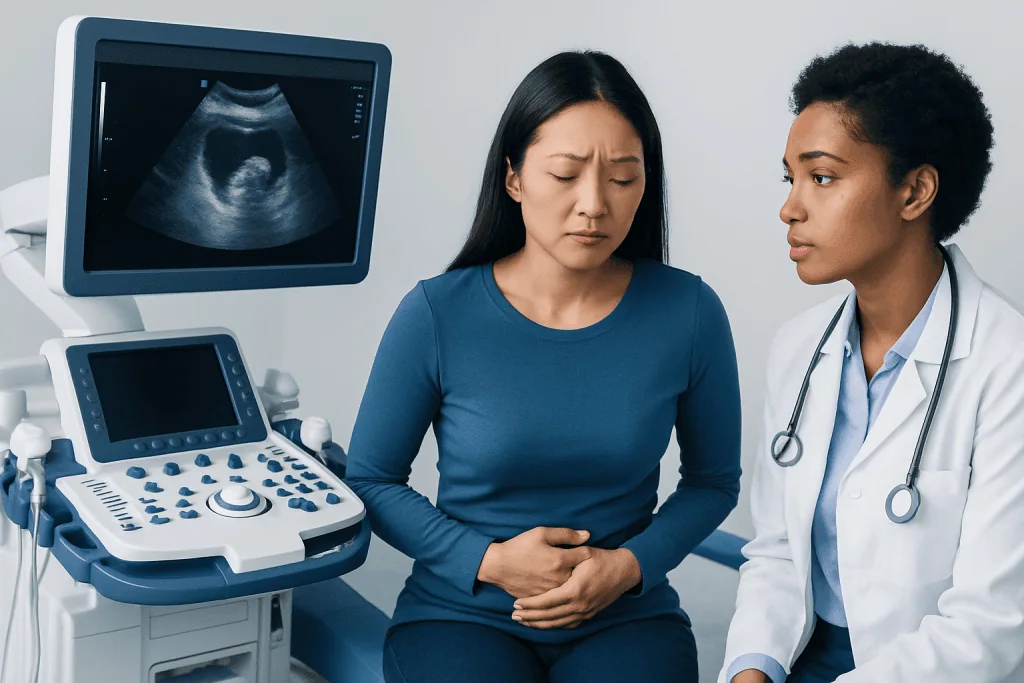
During a menstrual period, the uterus contracts to help shed its lining. The body produces hormone-like substances called prostaglandins that trigger these contractions. Higher prostaglandin activity may lead to stronger contractions, reduced blood flow to uterine tissue, and more intense cramping. This is why medicines that reduce prostaglandins can be particularly helpful for period pain.
Primary dysmenorrhea often starts in adolescence or early adulthood after periods become established. Cramps may spread to the lower back or thighs and can occur with fatigue, loose stools, nausea, dizziness, or headache. Although the discomfort can be disruptive, it is common and can often be managed effectively with a combination of medication and supportive measures.
Secondary dysmenorrhea means menstrual pain is related to another condition. Possible causes include endometriosis, adenomyosis, uterine fibroids, ovarian cysts, pelvic inflammatory disease, or narrowing of the cervix. These conditions require diagnosis and treatment tailored to the cause, rather than simply increasing pain medicine use.
Medication Options and How They Work

NSAIDs are generally the preferred medication category for menstrual cramps when they are medically appropriate. Examples available in different countries include ibuprofen, naproxen, and mefenamic acid. By blocking enzymes involved in prostaglandin production, NSAIDs address a key biological cause of menstrual cramps. Some are sold over the counter and others require a prescription, depending on the medicine and local regulations.
Acetaminophen, also called paracetamol in many countries, can relieve pain but does not reduce inflammation or prostaglandins in the same way as NSAIDs. It may be considered for people who cannot take NSAIDs, but may be less effective for moderate or severe cramping. Acetaminophen is included in many combination cold, flu, and pain products, so checking all labels is important to avoid taking more than directed.
Hormonal contraceptive methods may be an option for people who want contraception or who continue to have significant menstrual pain. Combined hormonal pills, progestin-only pills, hormonal intrauterine devices, implants, injections, patches, or vaginal rings can make periods lighter, less frequent, or less painful for some individuals. These methods are not appropriate for everyone and should be selected with a clinician after reviewing medical history and personal preferences.
For cramps linked to an underlying gynecologic condition, treatment may include a different hormonal approach, targeted medicines, or a procedure. Stronger pain medicines are not usually the routine answer for recurrent period pain without an evaluation, especially if symptoms are not responding to first-line care.
Label Warnings, Side Effects, and Interactions
NSAIDs can cause stomach upset, indigestion, nausea, heartburn, or dizziness. More serious warnings on product labels may include stomach or intestinal bleeding, ulcers, allergic reactions, kidney problems, fluid retention, and cardiovascular risks. The likelihood of certain complications may be higher in people with a history of ulcers or gastrointestinal bleeding, kidney disease, heart disease, uncontrolled high blood pressure, asthma triggered by aspirin or NSAIDs, or heavy alcohol use.
People should not combine different NSAIDs unless a clinician specifically instructs them to do so. For example, taking ibuprofen alongside naproxen can increase side-effect risks without necessarily improving relief. NSAIDs may also interact with blood thinners, some blood pressure medicines, certain antidepressants, corticosteroids, lithium, methotrexate, and other medicines. A pharmacist can help check potential interactions, including those involving herbal products.
Acetaminophen may cause few side effects when used according to its label, but taking more than directed can seriously damage the liver. Extra caution is needed for people with liver disease or those who regularly consume alcohol. Because acetaminophen is present in many multi-symptom products, it is important to read active-ingredient lists before combining medicines.
Before using any menstrual cramp medication, people should review the label for age restrictions, allergy warnings, pregnancy and breastfeeding information, and maximum-use instructions. A clinician should guide medicine decisions for anyone who is pregnant, trying to become pregnant, breastfeeding, managing a chronic condition, or taking regular prescription medicines.
Using Medication Safely and Effectively
Period pain medicines tend to work best when used according to the product label and as part of a plan that matches the person’s symptoms. Some clinicians recommend beginning an NSAID when cramps first appear or when bleeding starts, and in certain cases before expected symptoms begin. The right timing and any dosage question should be individualized; people should follow the official label or seek advice from a healthcare professional rather than exceed labeled directions.
Taking an NSAID with food or milk may reduce stomach discomfort for some people, although this does not remove the risk of stomach bleeding or other serious side effects. A person should use the lowest amount and shortest duration stated on the label that adequately controls symptoms, unless a clinician advises otherwise. Persistent need for medication beyond the label’s recommended use period should prompt medical advice.
Keeping a simple menstrual symptom diary can be useful. It may include the first day of bleeding, pain severity, where the pain occurs, associated symptoms, missed work or school, medicines used, and whether relief occurred. This information helps a clinician distinguish typical primary dysmenorrhea from patterns that may suggest another cause.
Supportive Measures Alongside Medicine
Medication is only one part of menstrual cramp care. Heat therapy, such as a heating pad, heat wrap, or warm bath, can relax muscles and provide meaningful comfort for many people. Gentle movement, stretching, yoga, or regular aerobic exercise may also help reduce pain for some individuals. Rest, hydration, and regular meals can be supportive when cramps are accompanied by fatigue or nausea.
Stress management may be useful because stress can affect pain perception and sleep. Relaxed breathing, mindfulness, and maintaining a regular sleep routine are low-risk options that can complement medical treatment. These approaches should not replace evaluation for severe pain or symptoms that interfere substantially with daily life.
Dietary supplements and herbal remedies are sometimes promoted for period pain, but product quality, effectiveness, interactions, and safety can vary. People should tell their clinician or pharmacist about all vitamins, supplements, and traditional remedies they use, especially if they take blood thinners, have liver or kidney disease, or are planning pregnancy.
When to Seek Medical Care
Medical care is appropriate when menstrual pain is severe, progressively worsening, newly begins after years of relatively comfortable periods, or regularly prevents normal activities despite appropriate over-the-counter treatment. A clinician can assess for conditions such as endometriosis, fibroids, adenomyosis, or infection and discuss options beyond short-term pain relief.
Urgent assessment is important for sudden severe pelvic pain, fainting, fever, vomiting that prevents fluids from being kept down, unusual vaginal discharge, a possible pregnancy, or very heavy bleeding. Heavy bleeding may include soaking through menstrual products unusually quickly, passing large clots, or feeling weak, short of breath, or lightheaded. These symptoms can have several causes and should not be self-treated with pain medication alone.
A clinician may ask about menstrual history, sexual and reproductive history, other symptoms, medication use, and family history. Depending on the situation, evaluation may involve a physical examination, pregnancy test, blood tests, pelvic ultrasound, or referral to a gynecologist. Acibadem International’s multidisciplinary specialists and JCI-accredited hospitals can evaluate and treat menstrual pain and underlying gynecologic conditions for international patients.
Frequently asked questions
What is the best menstrual cramp medication?
For many people, an NSAID such as ibuprofen or naproxen is the most effective medication category for menstrual cramps because it reduces prostaglandins. The best individual option depends on medical history, other medicines, allergies, and label warnings. A clinician or pharmacist can help identify a suitable choice.
Is acetaminophen effective for period cramps?
Acetaminophen, also called paracetamol, can relieve pain and may be useful for people who cannot take NSAIDs. It may not be as effective as an NSAID for cramping because it does not lower prostaglandins in the same way. It should always be used within official label directions, particularly because it may be included in other medicines.
Can NSAIDs be taken for every period?
Some people use an NSAID during each menstrual period, following the product label or a clinician’s instructions. Regular use may not be appropriate for people with kidney disease, ulcer history, gastrointestinal bleeding, certain heart conditions, or NSAID-sensitive asthma. Anyone needing frequent or prolonged use should discuss this with a healthcare professional.
Can birth control help with menstrual cramps?
Yes. Hormonal contraceptive methods can reduce cramps for some people by changing the menstrual cycle and often reducing bleeding. The most appropriate method depends on health factors, contraception needs, and preferences, so it should be discussed with a clinician.
What should not be combined with menstrual cramp medicine?
Different NSAIDs should generally not be taken together, as this can raise the risk of stomach, kidney, and bleeding complications. NSAIDs can also interact with medicines such as blood thinners, some antidepressants, corticosteroids, and certain blood pressure medicines. Acetaminophen should not be unknowingly combined with other products containing the same active ingredient.
When are menstrual cramps not normal?
Cramps can be common, but pain that is severe, worsening, sudden, resistant to usual treatment, or associated with heavy bleeding, fever, pain between periods, or pain during sex should be evaluated. These symptoms can sometimes indicate an underlying gynecologic condition. A timely assessment can help clarify the cause and guide treatment.
References
- American College of Obstetricians and Gynecologists
- National Institute for Health and Care Excellence
- U.S. Food and Drug Administration
- Mayo Clinic
- World Health Organization
This article is for general information only and is not a substitute for professional medical advice. Please consult a qualified doctor about your individual situation.
Explore treatments in Turkey — costs, top hospitals & a free quote
JCI-accredited · board-certified surgeons · reply within 24h
Add us as a Preferred Source to see more of our trusted health content across Google Search, AI Overviews and Discover.