Fess Surgery: Candidacy, Procedure Steps, and Recovery Timeline

FESS uses a thin camera and specialized instruments placed through the nostrils, so there are usually no facial incisions. It is most often recommended for chronic rhinosinusitis that remains troublesome despite appropriate nonsurgical treatment.
Key Takeaways
- FESS uses a thin camera and specialized instruments placed through the nostrils, so there are usually no facial incisions.
- It is most often recommended for chronic rhinosinusitis that remains troublesome despite appropriate nonsurgical treatment.
- The procedure aims to open natural sinus drainage pathways while preserving as much normal tissue as possible.
- Nasal congestion, light bleeding, crusting, and fatigue are common during the early recovery period.
- Follow-up visits and saline rinses are important parts of healing and may affect the long-term result.
FESS surgery, or functional endoscopic sinus surgery, is a minimally invasive procedure used to restore sinus drainage in people with persistent sinus disease, nasal polyps, or certain sinus blockages. It is usually considered after appropriate medical treatment has not provided sufficient relief, and recovery commonly involves several weeks of healing and follow-up nasal care.
What Is FESS Surgery?
FESS surgery stands for functional endoscopic sinus surgery. It is a procedure performed by an ear, nose, and throat (ENT) surgeon to improve ventilation and drainage within the sinuses. The surgeon works through the nostrils using an endoscope, a narrow instrument with a camera and light, along with fine surgical instruments. Because the approach is internal, FESS generally does not require cuts on the face.
The word functional reflects the purpose of surgery: helping the sinuses return to more normal function rather than simply removing tissue. Depending on the individual problem, the surgeon may remove inflamed tissue, small amounts of bone that narrow drainage openings, scar tissue, fungal debris, or nasal polyps. The exact areas treated can include the maxillary, ethmoid, frontal, or sphenoid sinuses.
FESS is not usually the first treatment for sinus symptoms. Many people improve with medical care such as saline irrigation, nasal corticosteroid sprays, allergy management, and, when appropriate, other medicines prescribed by a clinician. Surgery may be considered when symptoms, inflammation, infections, or blockage persist despite a carefully assessed treatment plan.
Who May Be a Candidate for FESS?
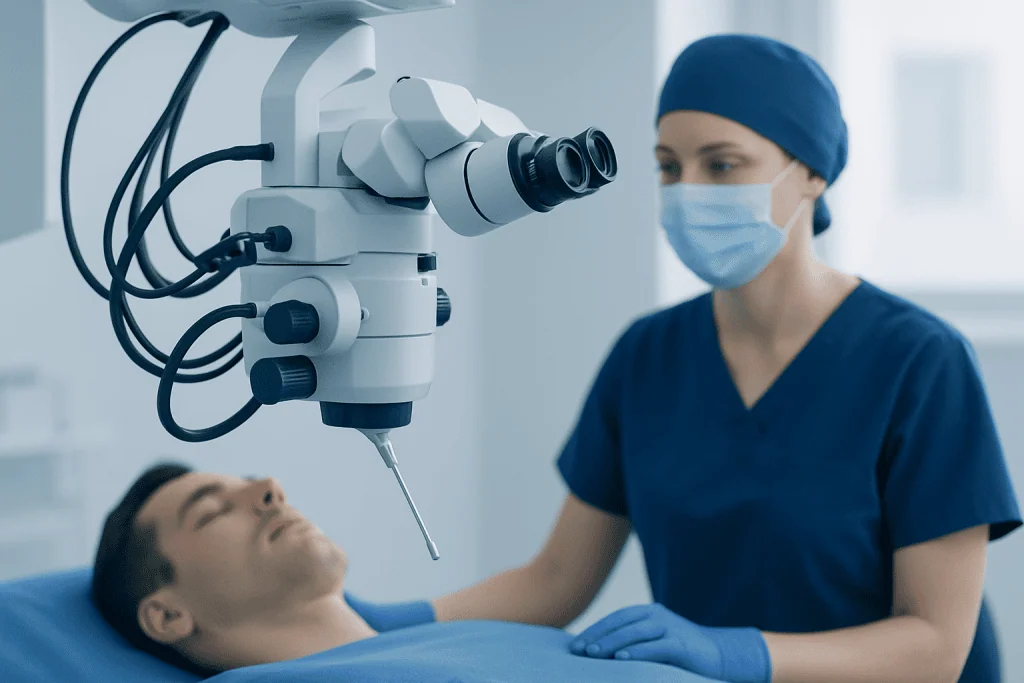
A person may be evaluated for FESS when they have chronic rhinosinusitis, meaning sinus and nasal inflammation lasting at least 12 weeks, with ongoing symptoms and objective evidence of disease on nasal endoscopy or imaging. Symptoms may include blocked nasal breathing, facial pressure, thick nasal drainage, reduced sense of smell, or repeated episodes that significantly affect sleep, work, or daily activities.
FESS may also be used for nasal polyps, recurrent acute sinusitis in selected cases, certain fungal sinus disorders, sinus-related complications, mucus retention cysts causing obstruction, or structural narrowing of sinus drainage pathways. In some situations, surgeons use endoscopic sinus techniques to access areas near the eye socket or skull base, although these circumstances require individualized specialist assessment.
Before recommending surgery, the ENT specialist considers the person’s symptoms, medical history, allergy and asthma status, previous treatments, endoscopy findings, and computed tomography (CT) scan. Conditions such as uncontrolled asthma, bleeding disorders, pregnancy, certain medicines, or active infection may influence the timing or planning of surgery. FESS can improve sinus drainage, but it does not cure every underlying tendency toward inflammation, allergy, or polyp recurrence.
Assessment and Planning Before the Procedure

An ENT consultation typically begins with a detailed discussion of symptoms, how long they have been present, and which treatments have been tried. The clinician may perform nasal endoscopy in the office. During this examination, a small flexible or rigid camera is used to look inside the nose for swelling, polyps, drainage, crusting, anatomic narrowing, or other findings that could explain the symptoms.
A CT scan of the sinuses is commonly used for surgical planning. It shows the sinus anatomy and identifies which areas are blocked or inflamed. The scan also helps the surgeon understand the relationship of the sinuses to important nearby structures, including the eyes and skull base. CT imaging is generally interpreted alongside symptoms and endoscopy, as scan changes alone do not always require surgery.
Before surgery, patients should tell the surgical team about all medicines, supplements, allergies, prior operations, and medical conditions. The team may advise temporary changes to medicines that affect bleeding, but no prescribed medication should be stopped without guidance from the relevant clinician. Smoking and vaping can interfere with healing, so stopping before and after surgery is strongly encouraged.
FESS Surgery: Step-by-Step
FESS is often performed under general anesthesia, meaning the patient is asleep and monitored throughout the operation. In selected limited procedures, local anesthesia with sedation may be considered. The length of surgery varies according to the number of sinuses involved, the complexity of inflammation, prior surgery, and whether additional nasal procedures are being performed at the same time.
After anesthesia begins, the surgeon places the endoscope through a nostril and views the nasal and sinus anatomy on a monitor. Using this magnified view, the surgeon carefully opens narrowed natural drainage channels and removes tissue or material that is blocking them. The aim is to create a pathway for mucus clearance and for topical treatments, such as saline and prescribed nasal medicines, to reach the sinus openings more effectively.
Some procedures use image-guided navigation, which matches the surgical instruments to the preoperative CT scan. This can be especially useful when anatomy is complex, disease is extensive, or surgery has been performed before. At the end of the procedure, the surgeon may place dissolvable material or a temporary dressing inside the nose. Traditional nasal packing is not needed in every case.
Most people go home on the day of surgery, although an overnight stay may be appropriate for some patients or more extensive procedures. The care team provides individualized instructions about pain relief, nasal rinsing, activity limits, follow-up appointments, and signs that require prompt medical advice.
Benefits, Limits, and Possible Risks
The intended benefits of FESS are improved sinus drainage, fewer or less severe sinus infections, better nasal airflow, reduced facial pressure, and improved ability to smell for some patients. It may also make ongoing topical treatment more effective by improving access to the sinus cavities. The degree of improvement varies, particularly when symptoms are influenced by migraine, allergies, asthma, reflux, or non-sinus causes of facial pain.
As with any operation, FESS has potential risks. More common short-term effects include bleeding, congestion, blood-stained drainage, crusting, temporary discomfort, and changes in smell while the nose heals. Infection, scar tissue, persistent symptoms, or the need for further treatment can occur. Nasal polyps and chronic inflammation may return over time, especially in people with conditions that continue to drive inflammation.
Serious complications are uncommon but should be discussed during informed consent. Because the sinuses are close to the eyes and skull base, rare risks include eye injury, changes in vision, leakage of cerebrospinal fluid, or injury to surrounding structures. The surgeon takes precautions based on imaging and anatomy, and patients should ask about the expected benefits and risks in their particular situation.
FESS Recovery Timeline and Aftercare
During the first few days after FESS surgery, it is common to feel tired and have a blocked-nose sensation, mild facial pressure, and small amounts of bloody or pink drainage. Pain is often manageable with the medicines recommended by the surgical team. Patients are usually advised to rest, keep the head elevated when possible, avoid nose blowing for a specified period, and avoid heavy lifting, strenuous exercise, bending, or straining until cleared.
Saline nasal irrigation is commonly an important part of recovery because it helps clear blood, mucus, and crusts from the nose. The timing and method should follow the surgeon’s instructions. If a steroid spray, drops, or other treatment is prescribed after surgery, it should be used exactly as directed. Patients should not insert cotton swabs or other objects into the nose unless specifically instructed.
At approximately one to two weeks, many people notice gradual improvement, although congestion and crusting can still be present. Follow-up appointments allow the ENT specialist to inspect the healing areas and, when needed, gently remove crusts or retained material. This postoperative cleaning is a routine part of care for many patients and can support healing.
More complete healing often takes several weeks, while improvement in smell and sinus symptoms may continue over a few months. Recovery is individual: extensive disease, polyps, revision surgery, asthma, and ongoing allergies can lengthen the process. Long-term management may still include saline rinses, nasal anti-inflammatory treatment, allergy care, and regular review to help maintain surgical benefits.
When to Seek Medical Care
Anyone with persistent nasal blockage, thick drainage, reduced smell, facial pressure, or recurrent suspected sinus infections should arrange assessment with a qualified clinician, particularly if symptoms last longer than 12 weeks or continue despite appropriate treatment. An ENT specialist can determine whether symptoms are likely to come from sinus disease or another cause and whether surgery is appropriate.
After FESS, the surgical team should be contacted promptly for bleeding that does not settle with the instructions provided, fever, worsening pain, foul-smelling drainage, increasing swelling, or symptoms that are not improving as expected. Emergency assessment is needed for vision changes, severe headache with neck stiffness, confusion, clear continuous watery drainage from the nose after surgery, or any other severe or rapidly worsening symptom.
For international patients, Acibadem International’s multidisciplinary specialists and JCI-accredited hospitals provide assessment and treatment planning for sinus conditions, including endoscopic surgical care when indicated. A consultation can help patients understand whether FESS fits their diagnosis, goals, and overall health needs.
Frequently asked questions
Is FESS surgery painful?
FESS is performed with anesthesia, so patients do not feel the operation itself. Afterwards, most people report pressure, congestion, and mild to moderate discomfort rather than severe pain. The surgeon will recommend appropriate pain relief and aftercare based on the procedure performed.
How long does it take to recover from FESS surgery?
Many people return to light daily activities within several days to about one week, depending on their work and the extent of surgery. Nasal congestion and crusting may last for several weeks. Internal healing and full symptom improvement can continue for a few months.
Will FESS surgery leave scars on the face?
FESS is usually performed entirely through the nostrils. As a result, it generally does not leave visible facial scars. Rarely, a different approach may be necessary for a specific condition, but this would be discussed in advance.
Can sinus problems return after FESS surgery?
Yes, sinus inflammation or nasal polyps can recur, especially when allergy, asthma, aspirin-exacerbated respiratory disease, or other inflammatory conditions are present. Surgery improves drainage pathways but does not remove every cause of chronic inflammation. Ongoing medical treatment and follow-up can help maintain results.
When can a person exercise after FESS surgery?
Light walking is often acceptable soon after surgery, but strenuous exercise, heavy lifting, and activities that increase blood pressure are commonly restricted at first because they may increase bleeding. The safe timing depends on the extent of surgery and the individual's healing. Patients should follow their surgeon's specific guidance before resuming workouts or contact sports.
Is a CT scan always needed before FESS surgery?
A sinus CT scan is commonly needed before planned FESS because it confirms the location and extent of disease and helps the surgeon plan safely. It is interpreted together with symptoms and nasal endoscopy. The ENT specialist can explain whether imaging is necessary in an individual case.
References
- American Academy of Otolaryngology–Head and Neck Surgery
- American Rhinologic Society
- National Institute of Allergy and Infectious Diseases
- Mayo Clinic
- Cleveland Clinic
This article is for general information only and is not a substitute for professional medical advice. Please consult a qualified doctor about your individual situation.
FESS in Turkey — costs, top hospitals & a free quote
JCI-accredited · board-certified surgeons · reply within 24h
Add us as a Preferred Source to see more of our trusted health content across Google Search, AI Overviews and Discover.

More from the Health Library



Related Specialists

Prof. Dr. Turgut Aydın
Gynecology & Obstetrics
Assoc. Prof. Dr. Hasan Üstün
Medical Oncology
Dr. İdris Avcı
Neurosurgery
Asst. Prof. Dr. Yiğit Umur Cırdı
Orthopedic Surgery & Traumatology