Thyroid Treatment Options for Common Conditions

Thyroid treatment begins with confirming the specific condition through blood tests, examination, and sometimes imaging or biopsy. An underactive thyroid is usually treated with thyroid hormone replacement, while an overactive thyroid may be managed with medicines, radioiodine, or surgery.
Key Takeaways
- Thyroid treatment begins with confirming the specific condition through blood tests, examination, and sometimes imaging or biopsy.
- An underactive thyroid is usually treated with thyroid hormone replacement, while an overactive thyroid may be managed with medicines, radioiodine, or surgery.
- Thyroid nodules often need monitoring rather than immediate treatment, but suspicious nodules may require needle biopsy or surgery.
- Follow-up blood tests are important because treatment needs can change over time, including during pregnancy, with aging, or after thyroid procedures.
- New neck swelling, trouble swallowing or breathing, significant palpitations, or severe symptoms should be assessed promptly by a qualified clinician.
Thyroid treatment is tailored to the underlying thyroid condition, hormone test results, symptoms, age, pregnancy plans, and overall health. Many thyroid disorders can be managed effectively with regular monitoring, while some require medicines, radioiodine treatment, surgery, or cancer-directed care.
Overview: What Does Thyroid Treatment Involve?
Thyroid treatment addresses conditions affecting the thyroid gland, a small butterfly-shaped gland at the front of the neck. The thyroid produces hormones that help regulate energy use, body temperature, heart rate, digestion, growth, and many other body functions. Treatment is not one single approach: it depends on whether the thyroid is making too little hormone, too much hormone, forming nodules, becoming enlarged, inflamed, or affected by cancer.
The first aim is to establish an accurate diagnosis. Some people need daily hormone replacement; others benefit from medication that reduces hormone production, a procedure that treats overactive thyroid tissue, or surgery. For small benign nodules and mild abnormalities, careful observation with periodic testing may be the most appropriate plan.
Most thyroid disorders are manageable, particularly when follow-up is consistent. Symptoms can overlap with many other health concerns, so people should avoid starting supplements or thyroid medicines without medical guidance. A clinician can explain the likely cause, the expected course, and the benefits and limitations of each treatment option.
Understanding the Main Thyroid Conditions
Hypothyroidism means the thyroid does not make enough hormone. It commonly develops because of autoimmune thyroid disease, previous thyroid surgery, radioiodine treatment, certain medicines, or, less often, problems involving the pituitary gland. Tiredness, feeling cold, constipation, dry skin, weight changes, low mood, and heavier menstrual periods can occur, but symptoms vary widely and may develop gradually.
Hyperthyroidism occurs when the gland produces too much thyroid hormone. Graves’ disease, toxic thyroid nodules, and thyroid inflammation are common causes. Possible symptoms include a fast or irregular heartbeat, tremor, heat intolerance, sweating, anxiety, unintended weight loss, frequent bowel movements, and menstrual changes. The cause matters because the most suitable thyroid treatment differs between these conditions.
Thyroid nodules are lumps within the thyroid. They are common and most are noncancerous. A nodule may not affect hormone levels or cause symptoms, but larger nodules can occasionally lead to pressure in the neck, swallowing difficulty, or visible enlargement. Thyroid cancer is less common and usually requires specialist assessment and a personalized treatment plan.
How Thyroid Conditions Are Diagnosed

Diagnosis usually starts with a medical history and physical examination. A clinician may ask about symptoms, family history, previous neck radiation, medications, pregnancy, and use of supplements such as biotin, which can interfere with some laboratory tests. The neck is examined for enlargement, nodules, tenderness, and enlarged lymph nodes.
Blood tests commonly measure thyroid-stimulating hormone (TSH) and free thyroxine (free T4). In some cases, free triiodothyronine (T3), thyroid antibodies, or other pituitary-related hormone tests are needed. TSH is often the most sensitive first test, but it must be interpreted alongside thyroid hormone levels, symptoms, medical history, and any current treatment.
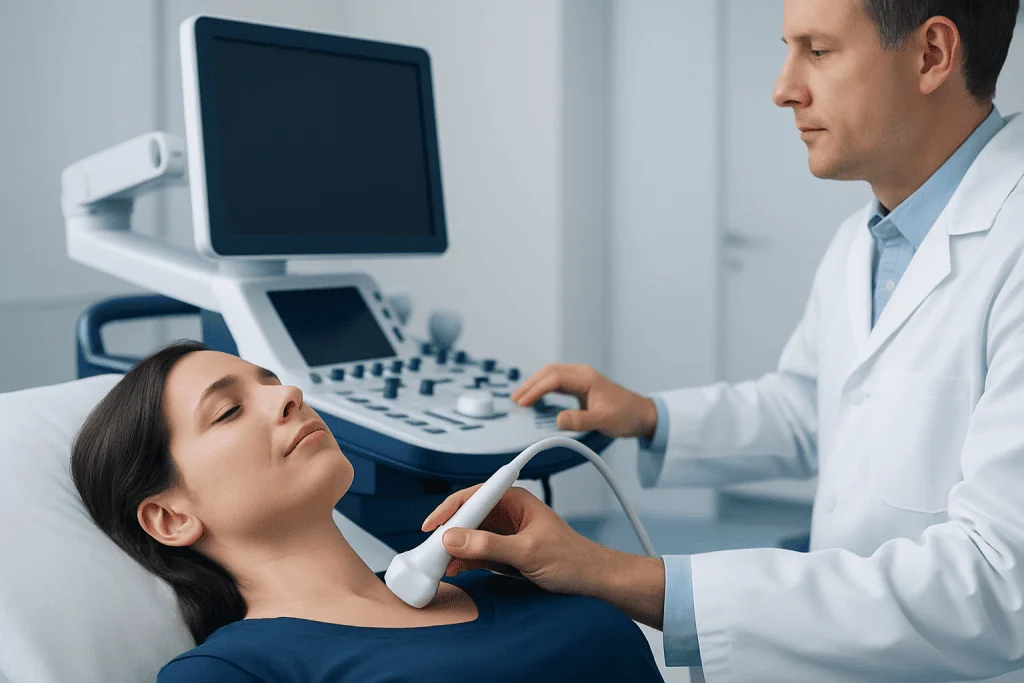
An ultrasound scan is often used when a nodule or enlargement is found. It shows the size and features of thyroid nodules and nearby lymph nodes without using radiation. If a nodule has features that need closer assessment, a fine-needle aspiration biopsy may collect cells for laboratory review. In selected cases of hyperthyroidism, a thyroid uptake scan can help identify the source of excess hormone production.
Results should be reviewed in context. A single mildly abnormal result does not always mean lifelong treatment is needed, especially during acute illness or when medicines affect thyroid tests. Repeating tests or involving an endocrinologist may help clarify uncertain findings.
Modern Thyroid Treatment Options
For hypothyroidism, the standard treatment is levothyroxine, a synthetic form of T4 hormone. It replaces the hormone the body needs and is usually taken daily on an empty stomach as directed by the prescribing clinician. Blood tests are checked after starting or changing treatment to ensure the dose is appropriate. Consistent timing matters, and certain foods, supplements, and medicines can affect absorption.
Hyperthyroidism may be treated with antithyroid medicines that reduce thyroid hormone production. These medicines can be especially useful while the condition is being evaluated, before a definitive treatment, or in people for whom other approaches are not suitable. Beta-blockers may also be prescribed for a limited time to help control symptoms such as tremor and palpitations; they do not treat the underlying thyroid overactivity.
Radioiodine therapy uses a carefully measured radioactive iodine dose to reduce or destroy overactive thyroid tissue. It is commonly considered for Graves’ disease or toxic nodules, but it is not appropriate in pregnancy or breastfeeding. Thyroid hormone levels can change gradually after treatment, and many people eventually need hormone replacement.
Thyroid surgery may be recommended for a suspicious or confirmed cancer, a large goiter causing pressure symptoms, certain overactive thyroid conditions, or nodules with concerning biopsy findings. Depending on the condition, a surgeon may remove part or all of the gland. If the entire thyroid is removed, lifelong thyroid hormone replacement is required. Surgery should be planned with an experienced thyroid team that can discuss potential risks, including voice changes, low calcium levels, bleeding, and the need for ongoing monitoring.
Thyroid Nodules, Goiter, and Thyroid Cancer Care
Not every thyroid nodule requires treatment. When ultrasound and biopsy findings suggest a low risk of cancer, clinicians may recommend active surveillance. This involves repeat ultrasound examinations and clinical review at intervals based on the nodule’s size, features, and growth pattern. Monitoring can prevent unnecessary procedures while still allowing changes to be identified early.
A goiter is an enlarged thyroid gland. Management depends on its cause, size, hormone function, and whether it causes pressure symptoms. Iodine deficiency is uncommon in many regions with iodized salt programs, while autoimmune conditions, nodules, and other thyroid disorders may contribute. Treatment may include observation, medicines, radioiodine, or surgery depending on the individual situation.
Thyroid cancer treatment often begins with surgery, although the extent of surgery depends on cancer type, size, location, and spread. Some differentiated thyroid cancers may also be treated with radioactive iodine after surgery. Ongoing surveillance may include examination, ultrasound, blood tests, and, when appropriate, thyroid hormone therapy to maintain a chosen TSH level. The outlook is often favorable for many people, but follow-up plans should be individualized.
Living Well With Thyroid Treatment
Regular follow-up is an important part of thyroid care. Hormone requirements may change after weight changes, pregnancy, menopause, new medications, gastrointestinal conditions, surgery, or treatment for another illness. People taking thyroid hormone should attend recommended blood-test appointments rather than adjusting their own dose based on symptoms alone.
There is no single diet that cures thyroid disease. A balanced eating pattern, adequate sleep, regular physical activity, and avoiding tobacco support general health. Iodine is necessary for thyroid hormone production, but excess iodine from seaweed products, supplements, or some alternative remedies can worsen certain thyroid conditions. Selenium and other supplements should be discussed with a clinician because they are not suitable or necessary for everyone.
It can be helpful to keep an updated list of medicines and supplements and tell healthcare professionals about thyroid treatment before new prescriptions or procedures. Pregnancy deserves particular attention: thyroid hormone needs can change early in pregnancy, and untreated thyroid dysfunction can affect both parent and baby. People who are pregnant, planning pregnancy, or who have recently given birth should seek timely thyroid review.
Acibadem International’s multidisciplinary specialists and JCI-accredited hospitals assess and treat thyroid conditions for international patients, with care plans based on clinical findings and individual needs.
When to Seek Medical Care
A person should arrange a medical appointment for persistent symptoms that could be linked to thyroid dysfunction, such as unexplained fatigue, heat or cold intolerance, ongoing palpitations, tremor, bowel habit changes, unexplained weight change, or menstrual changes. Assessment is also appropriate for a newly noticed neck lump, neck enlargement, hoarseness that does not settle, or a family history of thyroid disease or thyroid cancer.
Urgent medical care is important for trouble breathing, rapidly increasing neck swelling, fainting, chest pain, severe shortness of breath, confusion, or a very fast or irregular heartbeat. These symptoms can have causes other than thyroid disease, but they should not be ignored. People taking antithyroid medication should contact their clinician promptly if they develop fever, severe sore throat, mouth ulcers, yellowing of the skin or eyes, or unusually dark urine, as these can rarely signal important medication side effects.
People should not stop prescribed thyroid medicine suddenly unless advised by a qualified clinician. A healthcare professional can determine whether symptoms are related to thyroid hormone levels, medication effects, or another condition and can arrange the right tests and referrals.
Frequently asked questions
Can thyroid disease be cured?
Some thyroid conditions are temporary or can be resolved with definitive treatment, while others require long-term management. For example, hypothyroidism caused by autoimmune thyroid disease is commonly lifelong, but its hormone levels can usually be controlled effectively with replacement therapy. The outlook depends on the underlying cause and regular follow-up.
What is the best treatment for an underactive thyroid?
Levothyroxine is the standard treatment for most people with an underactive thyroid. It replaces the thyroid hormone that the gland is not producing in sufficient amounts. The correct dose is individualized using blood tests, symptoms, age, other health conditions, and pregnancy status.
How is an overactive thyroid treated?
Treatment may include antithyroid medication, symptom-relieving medicines such as beta-blockers, radioiodine therapy, or surgery. The choice depends on the cause of hyperthyroidism, the severity of symptoms, thyroid size, eye involvement in Graves’ disease, pregnancy considerations, and personal preferences. An endocrinologist can help explain the options.
Do all thyroid nodules need to be removed?
No. Most thyroid nodules are benign and do not need surgery. Ultrasound findings, nodule size, growth, thyroid function, symptoms, and biopsy results help determine whether monitoring, biopsy, or surgery is appropriate.
How long does it take for thyroid treatment to work?
The timeline varies by condition and treatment. Symptoms of hypothyroidism may improve gradually over several weeks after the right hormone replacement dose is reached, while blood tests are often rechecked after a dose change. Treatments for hyperthyroidism may take weeks to months to fully control hormone levels, depending on the approach used.
Can diet replace thyroid medication?
Diet alone cannot replace prescribed thyroid hormone in people with confirmed hypothyroidism or reliably treat most other thyroid disorders. A balanced diet supports overall health, but iodine or other supplements can be harmful in excessive amounts. Any supplement should be discussed with a clinician, particularly for people with autoimmune thyroid disease or hyperthyroidism.
References
- American Thyroid Association
- National Institute of Diabetes and Digestive and Kidney Diseases
- National Cancer Institute
- British Thyroid Foundation
- World Health Organization
This article is for general information only and is not a substitute for professional medical advice. Please consult a qualified doctor about your individual situation.
Heart care in Turkey — expert evaluation and treatment
JCI-accredited · board-certified surgeons · reply within 24h
Add us as a Preferred Source to see more of our trusted health content across Google Search, AI Overviews and Discover.
Check your numbers in seconds
BMI, calories, due date, blood pressure and 30+ more clinical calculators — free, instant, doctor-reviewed ranges.

More from the Health Library



Related Specialists
Prof. Dr. Murat Bozkurt
Orthopedic Surgery & Traumatology
Prof. Dr. Ahmet Tayyar
Gynecology & Obstetrics
Prof. Dr. Sefa Müezzinoğlu
Orthopedic Surgery & Traumatology
Dr. Levent Konur
Gynecology & Obstetrics