

All on 4 dental implants Risks & Side Effects Explained by Surgeons

All-on-4 uses four strategically placed implants to support a fixed full-arch prosthesis. Common short-term effects include swelling, bruising, soreness and temporary dietary restrictions.
Key Takeaways
- All-on-4 uses four strategically placed implants to support a fixed full-arch prosthesis.
- Common short-term effects include swelling, bruising, soreness and temporary dietary restrictions.
- Important risks include infection, implant failure, nerve irritation, sinus complications and prosthesis problems.
- Smoking, uncontrolled diabetes, active gum disease and poor oral hygiene can increase complication risk.
- Ongoing dental reviews and daily cleaning are essential for protecting implants and surrounding tissues.
All on 4 dental implants can provide a fixed full-arch replacement for people with extensive tooth loss, but the procedure has surgical, healing and long-term risks. A thorough dental assessment, experienced planning and reliable aftercare help reduce complications and support a predictable recovery.
Overview: What Are All on 4 Dental Implants Risks?
All on 4 dental implants risks include common, usually temporary effects such as pain, swelling, bruising and difficulty eating during early healing. Less common but important complications include infection, failure of an implant to integrate with bone, nerve irritation, sinus-related problems in the upper jaw, and damage or loosening of the fixed bridge. Most risks can be reduced through careful assessment, accurate surgical planning, good general health management and consistent follow-up care.
All-on-4 is a full-arch tooth replacement approach. Four implants are placed in the jawbone, often with the back implants angled to make use of available bone, and they support a fixed dental bridge. A temporary fixed bridge may be fitted soon after surgery in suitable cases, followed by a final restoration once healing is established. For a broader explanation of the treatment and planning process, see All-on-4 dental implants.
Although it is sometimes described as a rapid full-mouth restoration, it remains a surgical treatment that requires long-term commitment. The best outcome depends not only on the procedure itself but also on bone quality, gum health, bite forces, medical history, oral hygiene and attendance at maintenance appointments.
How the Treatment Works and Who May Be Suitable
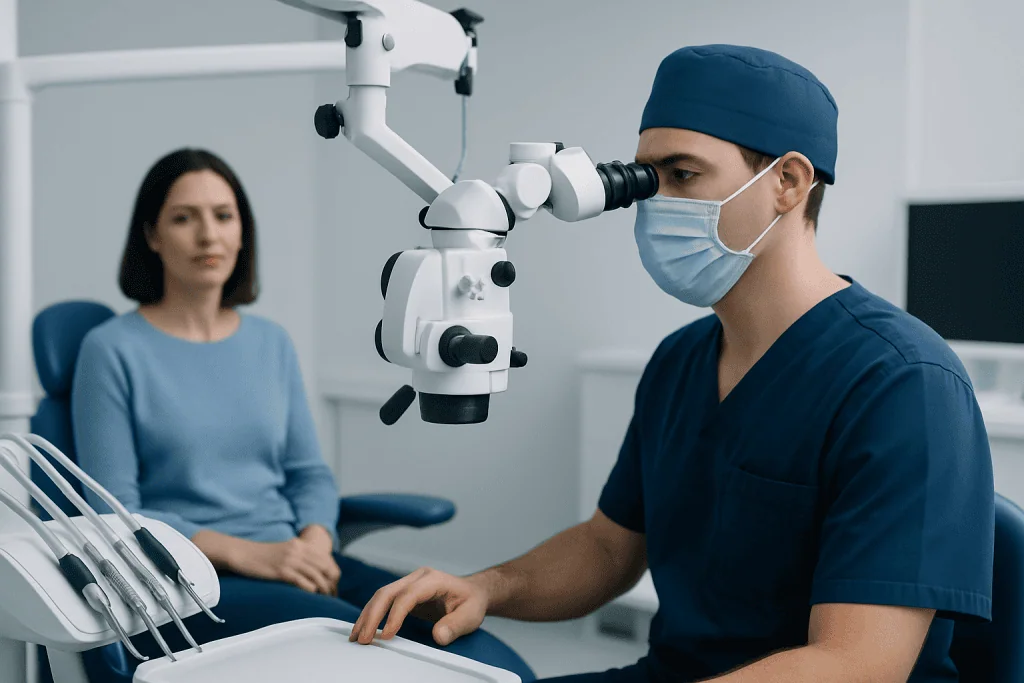
The treatment replaces a complete upper or lower arch of missing or severely damaged teeth. After a detailed examination, a dental surgeon places two implants toward the front of the jaw and two toward the back. The posterior implants may be angled to avoid anatomical structures and improve stability where bone volume is limited. A custom bridge is then attached to the implants, restoring the appearance and function of teeth.
Potential candidates may have many missing teeth, loose teeth from advanced dental disease, failing bridges or dentures that are difficult to tolerate. However, candidacy is individual. The dental team considers jawbone anatomy, active infection, gum disease, bite alignment, clenching or grinding, smoking, medical conditions and medications that may affect healing.
Not everyone is suitable for immediate loading with a temporary fixed bridge. If the implants do not achieve adequate initial stability, if bone quality is poor, or if there are complex health or bite-related concerns, a staged approach may be safer. People with active periodontal disease may need treatment first; this condition is discussed further in periodontal disease.
A cone-beam CT scan and digital planning commonly help the team assess bone, locate nerves and sinuses, and plan implant positions. This preparation is central to lowering avoidable risks, rather than an optional extra step.
What Happens During the Procedure

Before treatment, the dental team reviews medical history, medications, allergies, smoking or nicotine use, oral health and treatment expectations. Teeth that cannot be retained may be removed, infection and diseased tissue are managed, and the jaw is prepared for implant placement. Sedation or anaesthesia options vary according to the treatment plan, health needs and local practice.
During surgery, the surgeon places four implants into carefully selected positions. In the upper jaw, planning aims to protect the sinus cavities; in the lower jaw, it aims to avoid the nerve that supplies sensation to the lip and chin. A temporary bridge may be attached on the same day or shortly afterward when clinical conditions allow.
The temporary bridge is not the final restoration. It is designed to support appearance and function while bone healing takes place around the implants, a process called osseointegration. The bite is adjusted to limit excessive pressure, and patients are usually advised to follow a soft-food diet during the initial healing period.
After healing, the dentist evaluates implant stability, gum health, bite and comfort before producing the final bridge. The final design should allow access for daily cleaning around the implants and under the prosthesis.
Expected Recovery and Benefits
Some swelling, tenderness, minor bleeding, bruising and jaw stiffness can occur after surgery. These symptoms are commonly most noticeable in the first few days and should gradually improve. The dental team may recommend pain relief, antiseptic rinses when appropriate, specific cleaning instructions and a soft diet tailored to the individual treatment plan.
During the first weeks, it is especially important to avoid chewing hard, sticky or crunchy foods that can overload healing implants or damage a temporary bridge. The time needed for full healing varies. Bone integration generally takes several months, and the final bridge is placed only when the clinical assessment indicates that healing is sufficiently stable.
For suitable patients, possible benefits include a fixed alternative to removable dentures, improved chewing ability, support for speech and a more stable smile. An implant-supported bridge can also help distribute chewing forces through the jaw rather than resting directly on gum tissue. These benefits should be balanced against the need for surgery, ongoing maintenance and the possibility of complications.
Recovery is not identical for every person. People with complex extractions, reduced bone quality, diabetes, tobacco use or a history of gum disease may require closer monitoring and may have a longer or more cautious treatment pathway.
All on 4 Dental Implants Risks and Side Effects
Short-term side effects are often manageable and may include discomfort, swelling, bruising, mild bleeding, fatigue and temporary changes in eating or speaking. Medicines, cold compresses and rest may help when advised by the treating team. Symptoms should steadily improve rather than become more severe.
Infection can develop at an extraction site, around an implant or in nearby soft tissues. Warning signs may include worsening pain, swelling, fever, pus, a bad taste or persistent discharge. Peri-implant mucositis is inflammation of the soft tissues around an implant; if inflammation progresses and affects bone, it is called peri-implantitis. Good plaque control and professional maintenance are important for prevention and early treatment.
Implant failure means that an implant does not become firmly integrated with bone or loses stability later. It may occur because of insufficient healing, infection, excessive bite forces, smoking, poor oral hygiene or medical factors that affect bone healing. A failed implant may need removal, followed by healing and reassessment before replacement is considered.
Nerve irritation is a particular concern in the lower jaw and may lead to altered sensation, tingling or numbness in the lip, chin, gums or tongue. Upper-jaw surgery can, in some cases, involve sinus irritation or communication with the sinus. Careful CT-based planning reduces these risks, but cannot eliminate them completely.
Mechanical problems can also occur. The bridge, temporary teeth, screws or other components may chip, crack, loosen or wear over time, particularly in people who grind or clench their teeth. Bite adjustments, repair or replacement of components may be needed. Night guards may be recommended for selected patients with bruxism.
- Risk may be higher with smoking or other nicotine exposure.
- Uncontrolled diabetes and conditions affecting immune function or bone healing require careful medical coordination.
- Untreated gum disease, inadequate plaque removal and missed maintenance visits can raise the risk of inflammation around implants.
- Teeth grinding, a strong bite or repeatedly chewing hard foods can increase mechanical stress on the bridge and implants.
Reducing Risk and Looking After All-on-4 Implants
Risk reduction begins before surgery. A patient should provide a complete medical and dental history, including all prescribed and non-prescription medicines. The dental team may coordinate with a physician for conditions such as diabetes, bleeding disorders, osteoporosis or immune suppression. It is also important to discuss any history of radiation treatment to the head or neck.
Avoiding smoking and nicotine products is strongly advised because nicotine can impair blood flow and healing. Maintaining good nutrition, following food restrictions, taking prescribed medicines exactly as directed and avoiding strenuous activity initially can support recovery. Patients should not change prescribed medicines without advice from the clinician who manages them.
Long-term care includes brushing around the bridge and gumline, using interdental brushes or other tools recommended for implant restorations, and attending professional maintenance visits. Unlike natural teeth, implants cannot develop cavities, but the surrounding gums and bone can still become inflamed or infected.
Regular check-ups allow the dental team to assess gum health, bite forces, implant stability and the condition of the bridge. Prompt attention to bleeding gums, persistent bad breath, bridge movement or discomfort can prevent smaller issues from becoming more complicated.
When to Seek Medical Care
Patients should contact their dental surgeon promptly if pain, swelling or bleeding is worsening rather than improving; if there is fever, pus, a persistent bad taste, difficulty swallowing or breathing, or a new rash or reaction after treatment. Urgent medical care is appropriate for severe bleeding, breathing difficulty, marked facial swelling or signs of a severe allergic reaction.
It is also important to seek dental review if there is persistent numbness or altered sensation, a loose implant or bridge, a cracked temporary restoration, changes in the bite, or pain when chewing. These symptoms do not always indicate implant failure, but they should be assessed without delay to protect the implants and surrounding tissues.
For people travelling for treatment, follow-up arrangements should be discussed before surgery, including who will provide routine maintenance and urgent care after returning home. Acibadem International’s multidisciplinary specialists and JCI-accredited hospitals diagnose and treat dental implant concerns for international patients, with treatment plans based on individual clinical assessment.
Frequently asked questions
Are All-on-4 dental implants risky?
All-on-4 dental implants are a well-established treatment option, but they involve surgery and therefore carry risks. Common effects such as swelling and discomfort are usually temporary, while less common complications can include infection, implant failure, nerve irritation and prosthesis damage. Individual risk depends on health, bone quality, oral hygiene, smoking and treatment planning.
What is the most common problem with All-on-4 implants?
Early swelling, soreness and temporary difficulty eating are common after surgery. Over the longer term, inflammation around implants and mechanical issues such as a loose or chipped bridge can occur. Regular hygiene and dental maintenance help identify and manage these problems early.
Can All-on-4 implants fail?
Yes. An implant may fail to integrate with the jawbone during healing, or it may lose support later because of infection, excessive loading or bone loss around the implant. Failure does not necessarily mean the entire treatment cannot be repaired, but it requires timely assessment by an implant dentist.
How long does recovery take after All-on-4 surgery?
Initial swelling and discomfort often improve over days to a few weeks, although recovery varies. The implants generally need several months to integrate with bone before a final bridge is made. A soft diet and careful follow-up are often needed during the healing phase.
Can someone with diabetes have All-on-4 implants?
Many people with diabetes may be considered for implants when their condition is well managed. Poorly controlled blood glucose can increase the risk of infection and delayed healing, so the dental team may coordinate care with the person’s physician. Suitability should be decided after an individual assessment.
What should a person avoid after All-on-4 implants?
Patients are usually advised to avoid smoking or nicotine, hard or sticky foods, and chewing heavily on a temporary bridge during early healing. They should also avoid skipping hygiene and follow-up appointments. The treating dental team provides individualized instructions based on the surgery and restoration used.
References
- American Dental Association
- European Association for Osseointegration
- International Team for Implantology
- National Institute of Dental and Craniofacial Research
This article is for general information only and is not a substitute for professional medical advice. Please consult a qualified doctor about your individual situation.
Dental Implants in Turkey — costs, top hospitals & a free quote
JCI-accredited · board-certified surgeons · reply within 24h
Add us as a Preferred Source to see more of our trusted health content across Google Search, AI Overviews and Discover.

Dental & Oral Health
Full-scope dental care from implants and aesthetics to oral and maxillofacial surgery.
158 specialists in this unitMore from the Health Library



Related Specialists

Assoc. Prof. Dr. Burak Elmas
Vitro Fertilization and Reproductive Medicine Center
Dr. Onur Öztürk
Neurosurgery
Prof. Dr. Elif Ilgaz Aydınlar
Neurology
Prof. Dr. Yılmaz Büyükuncu
General Surgery