Acl surgery Risks & Side Effects Explained by Surgeons

ACL reconstruction is usually considered for knee instability, combined injuries or people wishing to return to pivoting sports or demanding work. Common early side effects are pain, swelling, bruising and temporary reduced knee movement.
Key Takeaways
- ACL reconstruction is usually considered for knee instability, combined injuries or people wishing to return to pivoting sports or demanding work.
- Common early side effects are pain, swelling, bruising and temporary reduced knee movement.
- Important but uncommon complications include infection, blood clots, significant stiffness, graft failure and injury to nearby nerves or blood vessels.
- Rehabilitation is a central part of treatment and often continues for many months after surgery.
- New calf swelling, chest pain, shortness of breath, fever or wound drainage require prompt medical assessment.
ACL surgery risks include pain, swelling, stiffness, infection, blood clots, nerve irritation and, less commonly, graft failure or a repeat injury. Most people recover safely with appropriate surgical assessment, early monitoring and a structured rehabilitation plan, but outcomes depend on the injury pattern, graft choice, activity goals and commitment to physiotherapy.
Overview: What Are the Risks of ACL Surgery?
ACL surgery risks range from expected short-term effects, such as pain, swelling and limited movement, to less common complications including infection, blood clots, persistent stiffness and failure of the reconstructed ligament. The operation is widely performed, and serious complications are uncommon, but no surgery is risk-free. A surgeon can explain how an individual’s health, knee injury and activity goals affect the balance of benefits and risks.
The anterior cruciate ligament (ACL) is one of the main ligaments that stabilizes the knee, especially during twisting, cutting and landing movements. When it tears, some people can manage well with rehabilitation alone, while others experience repeated giving-way episodes or have associated damage to the meniscus, cartilage or other ligaments. This article focuses on risk-aware decision-making; for a broader explanation of the procedure, patients can read about ACL surgery.
ACL reconstruction usually replaces the torn ligament with a graft rather than sewing the original ligament together. The graft may come from the patient’s own tendon, a donor, or, in selected situations, another material. The choice can influence recovery considerations and potential side effects, so it should be discussed individually with an orthopedic surgeon.
Who May Benefit From ACL Reconstruction?
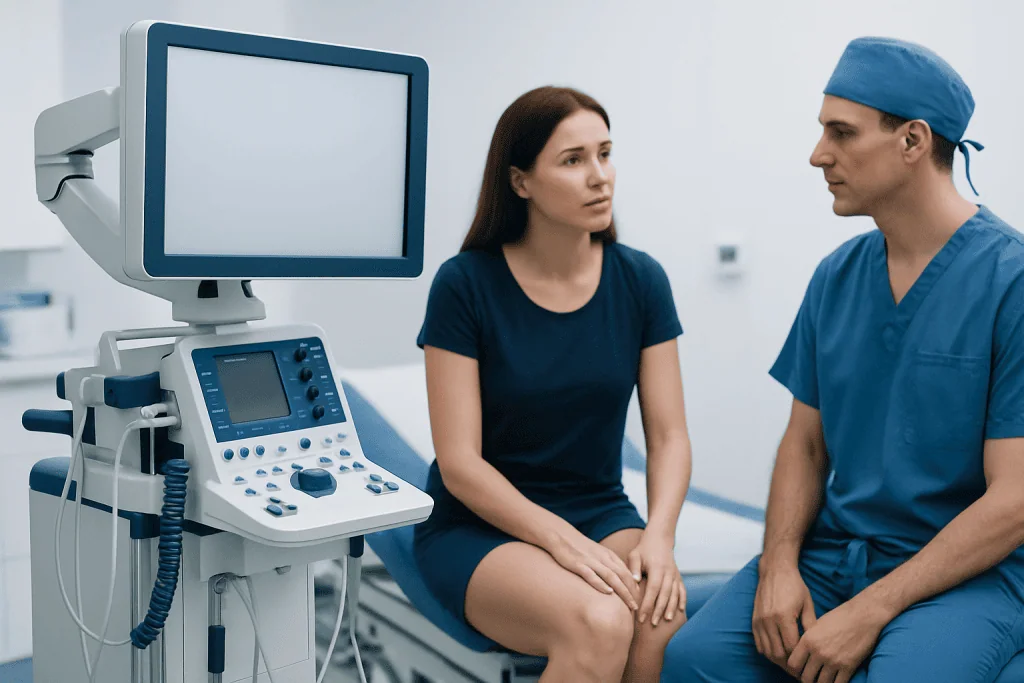
Not every ACL tear requires surgery. A person may be a candidate for reconstruction when the knee repeatedly feels unstable despite rehabilitation, when they want to return to pivoting or contact sports, or when their job requires reliable knee stability. Surgery may also be recommended when an ACL tear occurs alongside repairable meniscal damage, injuries to other ligaments, or certain cartilage injuries.
Age alone does not decide whether surgery is appropriate. Surgeons consider the person’s overall health, activity level, knee symptoms, imaging findings, occupation, sport goals and ability to take part in rehabilitation. Children and adolescents require particular planning because growth plates may still be open, while older adults may benefit from either surgery or non-operative care depending on knee function and goals.
Before proceeding, swelling and inflammation are often allowed to settle, and the person may complete prehabilitation exercises to restore knee extension, improve muscle control and prepare for recovery. Operating on a very stiff or swollen knee can increase the chance of post-operative movement problems. A shared decision with an orthopedic specialist helps clarify whether the likely benefits outweigh the possible ACL surgery risks.
How the Procedure Works: Step by Step
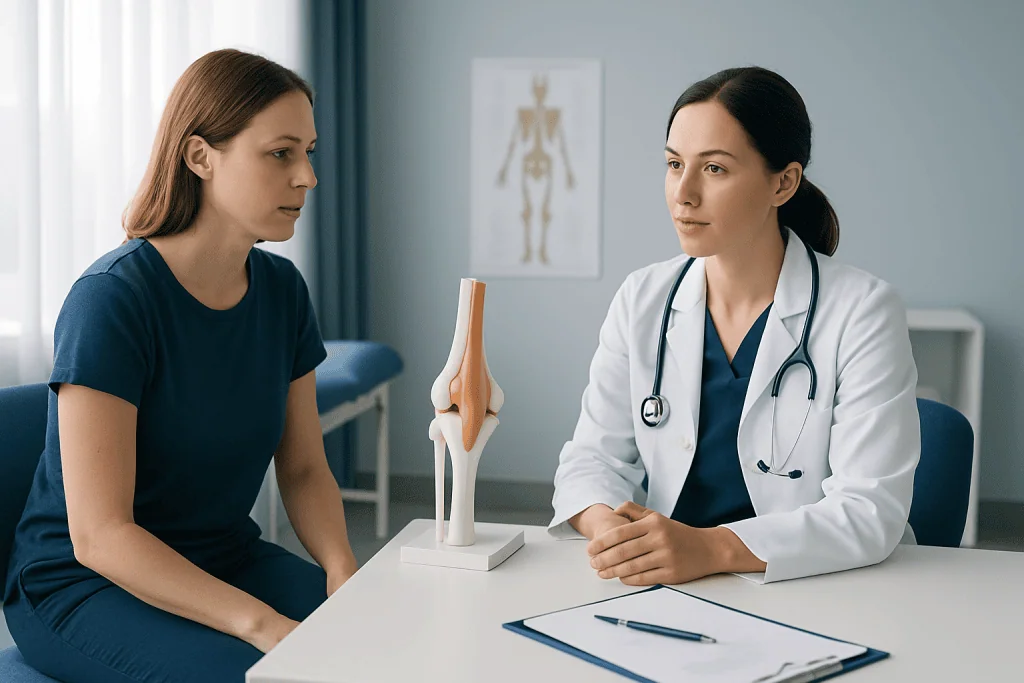
ACL reconstruction is commonly performed using arthroscopy, a minimally invasive technique involving a camera and small instruments inserted through small incisions around the knee. The operation is carried out under anesthesia. Before reconstruction, the surgeon examines the inside of the knee and may treat associated meniscal or cartilage injuries when appropriate.
The surgeon prepares the selected graft and creates carefully positioned tunnels in the femur and tibia, the upper and lower leg bones that form the knee joint. The graft is passed through these tunnels in the position of the ACL and secured with fixation devices. Over time, the body incorporates the graft into the knee, a biological process that is supported by progressive rehabilitation.
After surgery, patients usually begin guided movement and muscle-activation exercises early, unless another repair changes the plan. Some people go home the same day, while others may require short observation depending on their procedure, pain control and medical needs. Crutches, a brace or activity restrictions may be advised for a period, particularly if the meniscus was repaired.
As with all operations, there are anesthesia-related considerations. These may include nausea, temporary sore throat, allergic reactions or, rarely, more serious cardiorespiratory events. The anesthesia team reviews medical history, medicines, allergies and fasting instructions before surgery to reduce avoidable risks.
Expected Side Effects and Possible Complications
Short-term side effects after ACL reconstruction commonly include pain, swelling, bruising, tiredness and difficulty bending or fully straightening the knee. The area around the incision or graft-harvest site may feel numb, tingly or sensitive. These effects usually improve during the early healing phase, although swelling can fluctuate as activity increases.
Less common complications include infection in the wound or joint, bleeding, a blood clot in the leg, delayed wound healing and troublesome scar tissue. Arthrofibrosis is excessive scar formation that causes significant stiffness or loss of movement; it may need intensive rehabilitation and occasionally an additional procedure. Nerve irritation can cause altered sensation, while major injury to nerves or blood vessels is rare.
Longer-term concerns can include ongoing pain, kneeling discomfort related to certain graft choices, weakness of the thigh or hamstring muscles, and anterior knee pain. The graft may stretch, tear or fail to provide adequate stability, particularly after a new injury or an early return to high-risk activity. A tear can also occur in the ACL of the other knee. Rehabilitation reduces risk but cannot remove it completely.
ACL reconstruction does not guarantee prevention of future osteoarthritis. The original injury, especially when accompanied by meniscal or cartilage damage, may contribute to later joint changes regardless of treatment. Maintaining strength, healthy movement patterns and an appropriate body weight can support long-term knee health.
- Risk may be higher with smoking, poorly controlled diabetes, obesity, prior knee surgery, active infection, clotting disorders or difficulty following rehabilitation guidance.
- Risk may be lower when swelling is controlled before surgery, medical conditions are optimized, prevention measures for clots and infection are followed, and return to sport is based on functional testing rather than time alone.
Benefits, Recovery and Return to Activity
The main potential benefit of ACL reconstruction is improved knee stability. This may help reduce giving-way episodes, support return to selected sports or physical work, and protect other structures from repeated instability events. Results vary, however, and surgery cannot fully restore the knee to its pre-injury state in every person.
Recovery is gradual. During the first days and weeks, priorities include controlling swelling, protecting the graft and any repaired tissues, regaining full knee extension, and reactivating the quadriceps muscle. Walking mechanics and knee bending are then progressed under the guidance of a physiotherapist. Recovery plans differ when meniscal repair or additional ligament reconstruction has been performed.
Over subsequent months, rehabilitation develops strength, balance, landing technique, agility and sport-specific control. Running, jumping, pivoting and contact activity are introduced only when the knee is ready. Return to sport often takes many months and should be guided by symptoms, examination, strength and functional assessments rather than a calendar date alone.
It is normal for recovery to have periods of improvement and temporary setbacks, especially after increases in activity. Persistent swelling, instability, locking or inability to regain movement should be discussed with the surgical team or physiotherapist rather than ignored.
Reducing Risk Before and After Surgery
Preparation begins before the operation. Patients should tell the care team about all medicines, supplements, allergies, smoking or nicotine use, past blood clots, bleeding problems and health conditions. A clinician may advise changes to certain medicines before surgery; patients should not stop prescribed medication without medical guidance.
Following wound-care, mobility and medication instructions is important after surgery. Early prescribed movement, ankle exercises and walking when cleared can help circulation, while the surgical team may recommend additional clot-prevention measures for some people. Keeping the wound clean and dry as instructed, attending follow-up visits and reporting concerning symptoms promptly can support early treatment if a problem develops.
Rehabilitation should be progressive rather than rushed. Pain or swelling that becomes worse after exercise may mean the knee needs activity adjustment. Adequate sleep, balanced nutrition, avoiding tobacco and nicotine, and maintaining communication with the rehabilitation team all support healing.
For international patients, Acibadem International’s multidisciplinary orthopedic specialists and JCI-accredited hospitals provide assessment and treatment planning for ACL injuries, including coordinated surgical and rehabilitation care.
When to Seek Medical Care
Patients should contact their surgeon or healthcare team promptly if pain, redness, swelling or warmth around the wound is worsening; if there is drainage from the incision; or if fever or chills develop. New or increasing difficulty moving the knee, sudden locking, a fall, or a new feeling that the knee is giving way also deserves medical advice.
Urgent medical assessment is needed for calf pain or swelling, unexplained shortness of breath, chest pain, coughing blood, fainting, or severe leg swelling. These symptoms can have several causes, but they may indicate a blood clot or another serious condition and should not be managed at home.
Before surgery, a person with a newly injured knee should seek assessment if there is severe swelling, inability to bear weight, deformity, numbness, a cold foot, or a locked knee. Early evaluation can identify injuries that need timely treatment and help develop an appropriate plan for safe recovery.
Frequently asked questions
How risky is ACL surgery?
ACL reconstruction is a commonly performed operation, and most people do not experience serious complications. However, it carries real risks, including infection, blood clots, stiffness, ongoing pain and graft failure. A surgeon can estimate individual risk based on medical history, the knee injury and the planned procedure.
What is the most common problem after ACL surgery?
Pain, swelling and reduced movement are common during the early recovery period. Muscle weakness, especially in the quadriceps, is also expected and is addressed through rehabilitation. Persistent or worsening stiffness, swelling or instability should be assessed by the care team.
Can an ACL graft fail after reconstruction?
Yes. A reconstructed ACL can stretch or tear, often due to a new pivoting injury, returning to demanding sport before the knee is ready, or incomplete recovery of strength and movement control. Careful rehabilitation and return-to-sport testing can reduce, but not completely eliminate, this risk.
How long does recovery from ACL surgery take?
Early recovery takes weeks, but restoring strength, movement, balance and confidence takes longer. Many people need several months of structured rehabilitation before returning to running or pivoting activities. The timeline varies according to graft type, associated injuries, rehabilitation progress and the demands of the person’s sport or work.
Does ACL surgery prevent arthritis?
ACL reconstruction can improve stability, but it does not guarantee prevention of osteoarthritis. The initial ligament injury and associated meniscus or cartilage damage can affect long-term joint health. Ongoing strength training, activity management and medical follow-up may help support knee function.
What symptoms after ACL surgery need urgent attention?
Urgent assessment is appropriate for chest pain, shortness of breath, coughing blood, fainting, or new painful swelling in the calf. Patients should also promptly contact their surgical team about fever, increasing wound redness, pus-like drainage, severe uncontrolled pain or rapidly worsening swelling.
References
- American Academy of Orthopaedic Surgeons
- OrthoInfo, American Academy of Orthopaedic Surgeons
- National Institute of Arthritis and Musculoskeletal and Skin Diseases
- National Health Service
- American Orthopaedic Society for Sports Medicine
This article is for general information only and is not a substitute for professional medical advice. Please consult a qualified doctor about your individual situation.
Joint and spine care in Turkey — expert assessment & treatment
JCI-accredited · board-certified surgeons · reply within 24h
Add us as a Preferred Source to see more of our trusted health content across Google Search, AI Overviews and Discover.