Heart health check Before & After: What Realistic Results Look Like

A heart health check does not instantly change your heart; it establishes baseline measurements such as blood pressure, cholesterol and blood sugar, identifies treatable risks, and sets a follow-up plan. Improvements in these numbers typically appear gradually over months. See a doctor promptly if you have chest discomfort, breathlessness or other new symptoms.
Key Takeaways
- A heart health check assesses current cardiovascular risk and may identify concerns before symptoms develop.
- The most meaningful “after” result is an individualized prevention or treatment plan based on the findings.
- Blood pressure, cholesterol, blood sugar, weight and lifestyle habits may improve gradually with sustained changes.
- Normal results are reassuring but do not permanently rule out future heart disease risk.
- Abnormal findings do not always mean heart disease; they often indicate a need for further assessment or risk reduction.
You book the appointment, sit through the blood tests, and then wonder: what will actually be different afterwards? Usually the honest answer is knowledge. You leave with a clear picture of your cardiovascular risk, a set of baseline measurements, and a personalized plan for follow-up.
Over time, realistic results may include improved blood pressure, cholesterol or lifestyle habits. But some findings need ongoing monitoring or treatment rather than a one-time solution.
Heart Health Check Before and After: What Changes Realistically
Comparing before and after is most useful when you focus on measurable risk factors, symptoms and next steps. Before the assessment, a person may have questions about chest discomfort, breathlessness, family history, blood pressure, cholesterol or general cardiovascular risk. Afterward, they should have a clearer understanding of what the results mean and whether lifestyle changes, follow-up testing, medication or specialist care is appropriate.
A checkup will not reverse narrowed arteries overnight, undo inherited risk, or guarantee that future heart problems will not occur. What it can do is catch treatable risks early and give you a baseline to track progress against. For many people, the realistic benefit is greater confidence in a structured plan for protecting long-term heart and vascular health.
The content of a checkup varies according to age, symptoms, medical history and risk profile. A comprehensive heart health check may combine clinical consultation, physical examination, laboratory testing and selected cardiac investigations when clinically indicated.
How a Heart Health Check Works
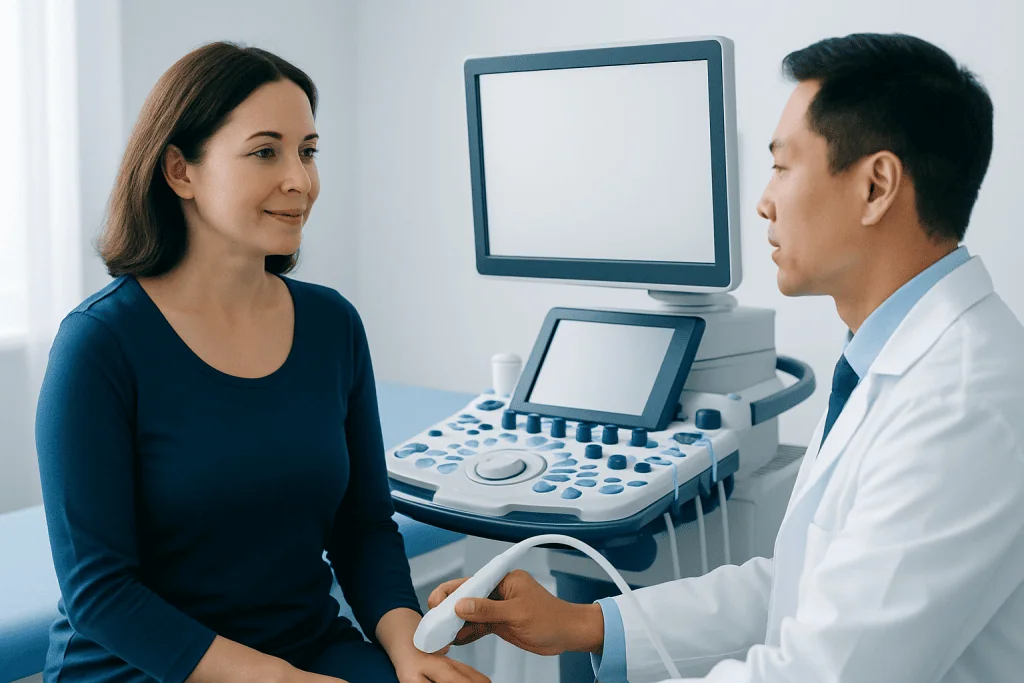
There is no single test called a heart health check; it is a preventive and diagnostic assessment made up of several parts. A clinician begins by reviewing personal health history, current medicines, symptoms, smoking status, physical activity, diet, sleep, stress, and family history of early cardiovascular disease. This discussion helps determine which tests are useful and avoids unnecessary investigations.
Basic measurements commonly include blood pressure, heart rate, weight, body mass index or waist measurement. Blood tests may assess cholesterol levels, blood sugar and other markers relevant to cardiovascular risk. An electrocardiogram (ECG) may be used to evaluate the heart’s electrical activity, especially when there are symptoms, rhythm concerns or relevant risk factors.
Depending on the individual situation, further tests can include an echocardiogram, exercise stress test, ambulatory rhythm monitoring or imaging of the coronary arteries. These tests are not routinely required for every person. They are selected when a doctor believes they can answer a specific clinical question, such as whether symptoms may be related to coronary artery disease or an abnormal heart rhythm.
Who May Benefit and What to Expect Before the Visit

Adults can benefit from discussing cardiovascular prevention with a doctor, particularly if they have high blood pressure, high cholesterol, diabetes, kidney disease, obesity, a sedentary lifestyle, smoke or have a close relative with early heart disease. A review may also be appropriate for people with new symptoms or those who want a baseline assessment before increasing exercise intensity.
Some people are more likely to need an individualized assessment. This includes those with previous heart or vascular disease, a history of pregnancy-related complications such as pre-eclampsia, inflammatory conditions, sleep apnea, or a strong family history of inherited cholesterol disorders or sudden cardiac death. The clinician considers the whole health picture rather than relying on one measurement alone.
Before the appointment, it can help to prepare a list of symptoms, medications and supplements, prior test reports, and family health history. Patients should ask whether fasting is needed for planned blood tests and should follow the clinic’s instructions about food, drink, exercise and medication. They should not stop prescribed medicines unless a healthcare professional specifically advises this.
Step by Step: From Assessment to Results Review
The first step is a consultation. The clinician asks about symptoms such as chest pressure, palpitations, fatigue, dizziness, swelling or shortness of breath, including when they occur and what brings them on. They also review medical history and examine the heart, lungs and circulation, which may include checking pulses and listening for heart murmurs.
The second step is measurement and testing. Blood pressure may be checked more than once, and blood samples may be collected for cholesterol and glucose testing. If an ECG, echocardiogram or exercise-based assessment is appropriate, trained staff explain the process and monitor the person throughout. Most routine components are noninvasive and cause little or no discomfort beyond a brief blood draw.
The final step is interpretation. Results are assessed together, not in isolation. For example, a cholesterol value may have different implications for a younger person without other risks than for someone with diabetes, smoking exposure or established vascular disease. The clinician should explain which results are reassuring, which need attention, and when repeat testing or referral is recommended.
Realistic Before-and-After Results: Examples of Progress
After a heart health check, some people learn that their results are within a healthy range and require only routine preventive follow-up. This can be reassuring, but it is not a lifetime guarantee. Maintaining healthy habits and attending appropriate periodic reviews remains important because cardiovascular risk changes with age, health conditions and lifestyle.
In another common scenario, the assessment identifies modifiable risk factors such as elevated blood pressure, cholesterol, blood sugar, smoking or low activity levels. The “after” result may be a practical plan: dietary adjustments, regular physical activity suited to the individual, smoking cessation support, sleep assessment, weight management and repeat measurements after an agreed interval. Improvements are usually gradual and depend on consistent follow-through.
A third scenario is that symptoms or test findings prompt further investigation. For example, an abnormal ECG does not always indicate a serious problem, but it may need clarification with additional testing. If a condition such as atrial fibrillation is identified, treatment can reduce symptoms and lower the risk of complications, although ongoing monitoring may still be needed.
- Before: uncertainty about risk or symptoms. After: a clearer explanation and targeted next steps.
- Before: an elevated blood pressure or cholesterol result. After: repeat monitoring and a plan to lower overall risk.
- Before: unexplained palpitations or exercise-related discomfort. After: appropriate testing, referral or treatment when needed.
Benefits, Limits and Possible Risks of Testing
The main benefit of a heart health check is earlier recognition of cardiovascular risk and an opportunity to address it. Finding high blood pressure, diabetes or raised cholesterol can support timely treatment and reduce long-term risk. A checkup can also help a clinician distinguish symptoms that need urgent assessment from those that can be investigated in a planned way.
There are limits. No screening package can predict every future heart event, and a normal result does not exclude all heart conditions. Tests can occasionally produce unclear or false-positive results, leading to repeat tests, worry or further evaluation. For this reason, a thoughtful assessment tailored to the person’s risk is generally more helpful than extensive testing without a clear medical reason.
Routine examinations, ECGs and blood tests carry very low risk. Exercise stress tests are generally safe when appropriately selected and supervised, but can rarely trigger symptoms or rhythm changes. Imaging tests may involve radiation, contrast material or additional considerations, depending on the scan. The healthcare team should explain why a test is recommended, its potential benefits and any relevant risks before it is performed.
Recovery Timeline and Caring for Heart Health Afterward
Most people can return to their normal routine immediately after a standard heart health check. A blood draw may leave temporary tenderness or bruising at the needle site. If exercise testing, sedation, contrast imaging or another specialized investigation is performed, the care team provides specific aftercare instructions based on the test and the person’s health needs.
Results may be available on the same day for some assessments, while laboratory and imaging reports can take longer. The timeline for changes in risk factors is different: blood pressure may respond within weeks to lifestyle changes or treatment, while cholesterol and blood sugar are often reassessed after a clinician-recommended interval. Sustainable improvement is more important than rapid changes.
Helpful heart-protective habits include avoiding tobacco, being physically active within personal limits, choosing a balanced eating pattern rich in vegetables, fruit, legumes and whole grains, limiting highly processed foods, sleeping adequately and taking prescribed treatment as directed. Patients should discuss any exercise plan with a clinician if they have symptoms, known heart disease or significant risk factors.
At Acibadem International, our multidisciplinary specialists and JCI-accredited hospitals assess cardiovascular concerns and coordinate the right testing and treatment for international patients.
When to Seek Medical Care
People should arrange a medical review for new or persistent chest discomfort, shortness of breath, palpitations, fainting, unexplained reduced exercise tolerance, leg swelling or a strong family history of early heart disease. A planned heart health check is also sensible when major cardiovascular risks are present, even if there are no symptoms.
Emergency medical care is needed for chest pressure, tightness or pain that is severe, persistent or associated with sweating, nausea, breathlessness, fainting, or pain spreading to the arm, jaw, back or shoulder. Sudden severe shortness of breath, collapse, or signs of stroke—such as facial drooping, arm weakness or speech difficulty—also require urgent emergency evaluation.
Symptoms can have many causes, so please do not try to diagnose yourself online. Getting assessed promptly helps your doctor find the cause and recommend the safest next step.
Frequently asked questions
What does a heart health check show?
A heart health check can show cardiovascular risk factors such as high blood pressure, raised cholesterol, high blood sugar, smoking exposure and excess weight. Depending on symptoms and medical history, it may also assess heart rhythm, heart structure or blood flow. The meaning of each result depends on the person’s overall health profile.
How soon will results improve after a heart health check?
Some results, such as an ECG or blood pressure reading, may be available immediately. Changes in blood pressure, cholesterol, blood sugar and fitness usually develop over weeks to months after sustained lifestyle changes or prescribed treatment. Follow-up timing should be agreed with a clinician.
Can a normal heart health check rule out heart disease?
No. Normal findings are reassuring but cannot rule out every heart condition or eliminate future risk. New symptoms, changes in health or development of new risk factors should still be discussed with a healthcare professional.
Does everyone need a stress test or heart scan?
No. Stress tests and cardiac imaging are selected based on symptoms, examination findings and individual risk factors. Testing without a clear reason can sometimes lead to uncertain findings and unnecessary follow-up.
What should a person do if cholesterol or blood pressure is high?
They should review the result with a qualified doctor, who can assess overall cardiovascular risk and recommend appropriate next steps. These may include lifestyle support, repeat testing, medication or investigation for contributing health conditions. Prescribed medicines should not be started, stopped or changed without medical guidance.
Can lifestyle changes make a difference after a heart health check?
Yes. Avoiding tobacco, being physically active, eating a heart-supportive diet, managing sleep and taking recommended treatment can improve several cardiovascular risk factors. The best plan is realistic, individualized and maintained over time.
This article is for general information only and is not a substitute for professional medical advice. Please consult a qualified doctor about your individual situation.
Heart care in Turkey — expert evaluation and treatment
7 JCI-accredited hospitals · board-certified surgeons · reply within 24h
Add us as a Preferred Source to see more of our trusted health content across Google Search, AI Overviews and Discover.
Check your numbers in seconds
BMI, calories, due date, blood pressure and 30+ more clinical calculators — free, instant, doctor-reviewed ranges.

Medically reviewed by the Acıbadem International Medical Board — August 24, 2026
See our medical review board →
References (3)
- Heart Health Tests — medlineplus.gov
- Know Your Risk for Heart Disease — www.cdc.gov
- Cardiovascular diseases (CVDs) — www.who.int
Cardiology Department
Diagnosis and treatment of heart and vascular conditions, from prevention to advanced interventional procedures.
93 specialists in this unitCardiology Specialists at Acibadem





Related Treatments
Related Conditions
More from the Health Library

Bisoprolol Slows the Heart and Eases Its Workload

Cardiac Glycosides Like Digoxin Require Careful Monitoring

What Losartan Does for Blood Pressure, Heart, and Kidneys

Enalapril Relaxes Blood Vessels to Lower Blood Pressure

CRT Paces Both Ventricles to Treat Heart Failure