How to Get Rid of Eye Bags?

Eye bags are commonly caused by fluid retention, aging-related tissue changes, genetics, allergies, and lifestyle factors. A cool compress and head elevation during sleep may temporarily reduce morning puffiness.
Key Takeaways
- Eye bags are commonly caused by fluid retention, aging-related tissue changes, genetics, allergies, and lifestyle factors.
- A cool compress and head elevation during sleep may temporarily reduce morning puffiness.
- Sleep, salt intake, alcohol use, smoking, and allergy control can affect the appearance of under-eye swelling.
- Skincare products may modestly improve skin texture but cannot remove prominent fat bulges.
- Sudden, painful, one-sided, red, or vision-related eye swelling needs prompt medical assessment.
To reduce eye bags, people can use a cool compress, prioritize regular sleep, manage allergies, and limit excess salt and alcohol. Persistent under-eye puffiness may reflect normal aging or inherited anatomy, and medical or surgical options can help when home measures are not enough.
How to Get Rid of Eye Bags
For many people, the most practical answer to how to get rid of eye bags is to reduce temporary fluid swelling with a cool compress, consistent sleep, allergy management, and less excess salt or alcohol. These steps may make the under-eye area look less puffy, particularly in the morning, but they cannot fully remove bags caused by inherited facial structure or age-related movement of fat beneath the eyes.
Eye bags are mild swelling or fullness under the eyes. They are very common and are often cosmetic rather than harmful. However, the right approach depends on whether the change is temporary puffiness, darker under-eye skin, loose skin, or a more permanent bulge caused by fat and tissue changes.
It is helpful to set realistic expectations. Home care can improve short-term puffiness and support healthier skin, while a clinician can discuss medical treatments when under-eye bags remain noticeable despite lifestyle changes.
Why Eye Bags Develop
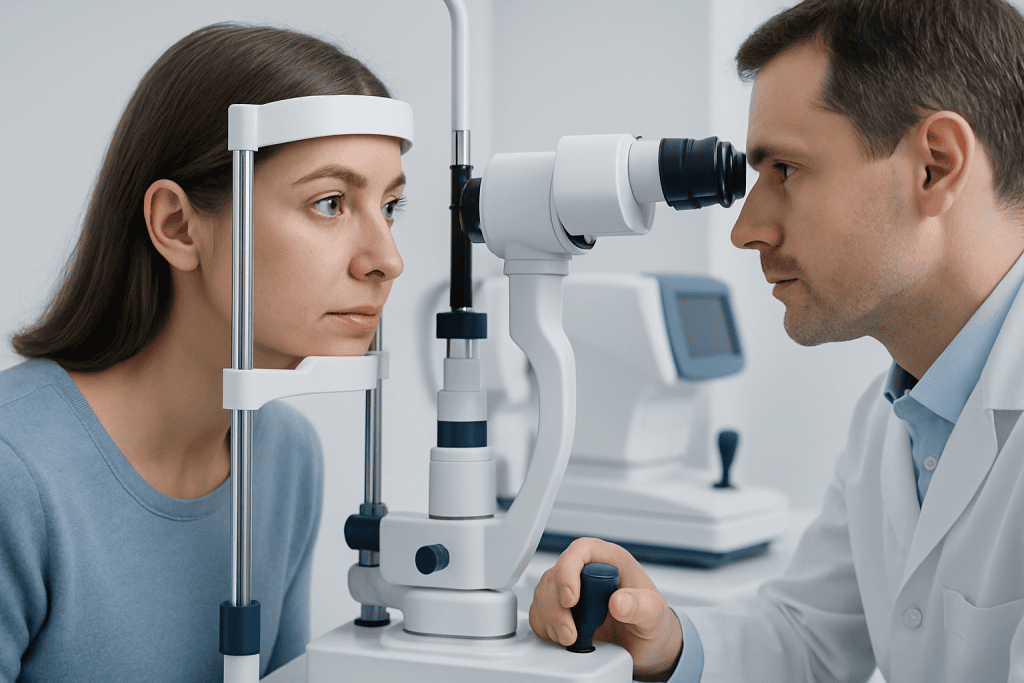
The tissues around the eyes normally contain small pads of fat that cushion the eye. With age, the structures that support these fat pads can gradually weaken. Fat may shift forward and the skin may become thinner or looser, creating a persistent under-eye fullness often described as bags.
Temporary swelling is usually related to fluid collecting in the tissues around the eyes. It can be more noticeable after poor sleep, crying, alcohol use, a salty meal, or sleeping flat. Morning swelling may improve as a person becomes upright and fluid redistributes during the day.
Genetics also have an important role. Some people develop visible under-eye fullness at a young age because of their natural facial anatomy. Skin tone, shadows created by the tear trough beneath the eye, pigmentation, and visible blood vessels can also make the under-eye area appear darker or more hollow, even when true swelling is limited.
- Natural aging and loss of skin firmness
- Family tendency and facial anatomy
- Fluid retention, especially after sleep
- Seasonal or environmental allergies
- Smoking, alcohol use, and ongoing sleep disruption
- Skin irritation from cosmetics or rubbing the eyes
Practical Steps for Temporary Under-Eye Puffiness

A cool compress is a simple first step for mild puffiness. A clean washcloth dampened with cool water can be placed gently over closed eyes for several minutes. The goal is comfort and short-term reduction in swelling; ice should not be applied directly to the delicate skin around the eyes.
Regular, adequate sleep may reduce the appearance of tired-looking eyes, especially when sleep loss is contributing to fluid retention or dark circles. Sleeping with the head slightly elevated on an extra pillow or by adjusting the upper body position may also reduce morning puffiness for some people.
Daily habits can support improvement. Limiting highly salty foods, moderating alcohol, staying hydrated, and avoiding smoking can lessen factors that contribute to swelling and skin aging. Gentle use of fragrance-free moisturizer and daily sun protection around the eye area may help protect skin quality, but products should be kept out of the eyes.
People should avoid vigorous rubbing or massaging of the eyes, which can worsen irritation and swelling. New eye creams, makeup, or facial products should be stopped if burning, itching, redness, or a rash develops.
Allergies, Sleep, and Other Contributing Factors
Allergic rhinitis, sometimes called hay fever, can cause itchy, watery, irritated eyes and repeated rubbing. This can lead to puffiness and darkening of the skin under the eyes. Identifying and reducing exposure to personal triggers, such as pollen, dust, pet dander, or certain cosmetics, can be useful.
For ongoing allergy symptoms, a doctor or pharmacist can recommend appropriate treatments. These may include non-drowsy antihistamines, saline nasal rinses, or nasal sprays when suitable for the individual. It is important not to rely on redness-relieving eye drops for persistent symptoms without medical advice, as they may not treat the underlying cause.
Sleep quality matters as well as sleep duration. Snoring, waking unrefreshed, morning headaches, or excessive daytime sleepiness can suggest a sleep problem that deserves discussion with a healthcare professional. Although eye bags alone do not diagnose a sleep disorder, addressing poor sleep can benefit overall health and appearance.
Some medical conditions can cause more generalized swelling, including kidney, thyroid, or heart-related disorders. These are less likely when swelling is limited to mild, long-standing under-eye bags, but new or widespread swelling should be assessed rather than treated as a cosmetic concern alone.
Professional Treatments for Persistent Eye Bags
When under-eye bags are primarily caused by tissue laxity or protruding fat pads, lifestyle measures may offer only limited improvement. A dermatologist, ophthalmologist, or plastic surgeon can assess the under-eye area and distinguish bags from dark circles, hollowness, allergies, skin irritation, or another cause. This assessment helps match treatment to the individual concern.
Non-surgical approaches may be considered for selected patients. Depending on the skin and anatomy, options can include carefully chosen topical treatments, procedures to improve skin texture or firmness, or treatments for pigmentation. Injectable treatments may sometimes address under-eye hollows, but they do not remove true fat bags and require experienced assessment because the eye area is sensitive.
For prominent, lasting lower eyelid bags, lower eyelid surgery, known as blepharoplasty, may be an option. The procedure can remove or reposition fat and address excess skin when appropriate. A specialist should explain expected benefits, limitations, recovery, possible complications, and whether surgery is suitable for the person’s eye health and facial anatomy.
Acibadem International’s multidisciplinary specialists and JCI-accredited hospitals assess and treat eye-area concerns for international patients, including individuals considering blepharoplasty for persistent lower eyelid bags.
Choosing Skin Products Safely
Eye creams are often marketed for bags, dark circles, or wrinkles. Ingredients such as caffeine may temporarily reduce the look of puffiness in some people, while moisturizers can improve the appearance of dry, fine-lined skin. Results are usually subtle and temporary, especially if the underlying issue is a prominent fat pad or loose skin.
Retinoids and other active ingredients may improve fine lines or uneven texture over time, but the skin around the eyes is thin and can become irritated. Products should be used only as directed, introduced gradually, and avoided if they cause stinging, peeling, or redness. A clinician can advise on appropriate options for sensitive skin or eczema.
Sun protection is an important long-term measure. Wearing sunglasses and using a sunscreen formulated for the face can help reduce ultraviolet-related skin damage and pigment changes. Sunscreen should be applied carefully so it does not enter the eyes.
Cosmetic procedures and products should not be used to delay assessment of concerning symptoms. Persistent irritation, pain, marked asymmetry, or changes in vision are not typical cosmetic eye-bag concerns.
When to Seek Medical Care
Medical care is advisable if eyelid or under-eye swelling is sudden, severe, painful, red, warm, or affects only one side without an obvious explanation. Urgent assessment is especially important if swelling occurs with fever, eye pain, trouble moving the eye, a bulging eye, reduced vision, double vision, severe headache, or difficulty breathing.
A non-urgent appointment is appropriate for persistent swelling that does not improve, frequent itchy or watery eyes, a new rash, or swelling elsewhere in the body. A clinician can review medications, allergies, sleep, and possible medical contributors while examining the eyes and surrounding tissues.
People considering a procedure should seek consultation with a qualified specialist who regularly evaluates the eyelids and eye area. This is particularly important for those with dry eye symptoms, glaucoma, thyroid eye disease, prior eye surgery, bleeding disorders, or use of medicines that affect bleeding.
Frequently asked questions
Can eye bags go away naturally?
Temporary eye bags caused by fluid retention, poor sleep, allergies, or irritation can improve with supportive measures and treatment of the trigger. More permanent bags related to aging, genetics, or protruding fat pads usually do not disappear completely without professional treatment.
Does drinking more water get rid of eye bags?
Staying hydrated supports general health and may help when dehydration contributes to a tired appearance. However, drinking extra water alone does not remove persistent eye bags caused by anatomy or aging-related tissue changes.
What is the fastest way to reduce puffy eyes in the morning?
A cool compress, gentle rest with the head elevated, and avoiding rubbing can temporarily reduce morning puffiness. If swelling regularly occurs with itching or sneezing, addressing allergies may provide more lasting relief.
Are eye bags caused by lack of sleep?
Lack of sleep can make under-eye puffiness and dark circles more noticeable, but it is not the only cause. Genetics, allergies, fluid retention, skin changes, and normal aging can all contribute.
Can eye cream remove bags under the eyes?
Eye creams may improve dryness, fine lines, or mild temporary puffiness, depending on their ingredients. They cannot reliably remove pronounced bags caused by displaced fat or excess loose skin.
When are eye bags a sign of a medical problem?
Eye bags are usually harmless, particularly when they are mild and long-standing. Sudden, painful, red, one-sided swelling, vision changes, fever, or swelling in other parts of the body should be medically evaluated.
References
- American Academy of Ophthalmology
- American Academy of Dermatology Association
- Mayo Clinic
- National Eye Institute
- NHS
This article is for general information only and is not a substitute for professional medical advice. Please consult a qualified doctor about your individual situation.
Explore treatments in Turkey — costs, top hospitals & a free quote
JCI-accredited · board-certified surgeons · reply within 24h
Add us as a Preferred Source to see more of our trusted health content across Google Search, AI Overviews and Discover.