Liposuction Clinic: Procedure, Recovery and Results

Liposuction is a surgical body-contouring procedure that removes localized fat cells through small incisions. The best candidates are generally near a stable weight, in good overall health and have realistic expectations.
Key Takeaways
- Liposuction is a surgical body-contouring procedure that removes localized fat cells through small incisions.
- The best candidates are generally near a stable weight, in good overall health and have realistic expectations.
- Swelling and bruising are common during early recovery, and final contour changes can take several months to settle.
- Liposuction does not treat obesity, replace healthy eating and activity, or reliably improve loose skin.
- Choosing a qualified plastic surgeon and following aftercare instructions are important for safety and results.
A liposuction clinic evaluates whether surgical fat removal is appropriate for a person’s health, body-contouring goals and skin quality. Liposuction can reduce stubborn localized fat deposits, but it is not a weight-loss treatment and works best alongside stable lifestyle habits.
What a Liposuction Clinic Does
A liposuction clinic is a setting where patients are assessed, prepared for and supported through liposuction, a surgical procedure used to reduce unwanted fat in specific areas of the body. A consultation should include a review of medical history, current medicines, previous surgery, weight stability, skin elasticity and the person’s goals. This assessment helps the surgical team decide whether liposuction is appropriate and which approach may be safest.
Liposuction is designed for body contouring rather than overall weight reduction. It may be considered for persistent fat deposits that do not respond as expected to diet and physical activity, such as areas of the abdomen, flanks, thighs, hips, upper arms, back, chin or knees. The procedure removes fat cells from the treated area, but remaining fat cells can still enlarge if substantial weight is gained later.
A careful consultation also addresses what liposuction cannot do. It does not treat obesity, replace bariatric care, correct cellulite reliably or tighten significantly loose skin. When skin laxity is a major concern, another procedure may be discussed. Patients can learn more about the surgical approach through liposuction treatment options.
How Liposuction Works
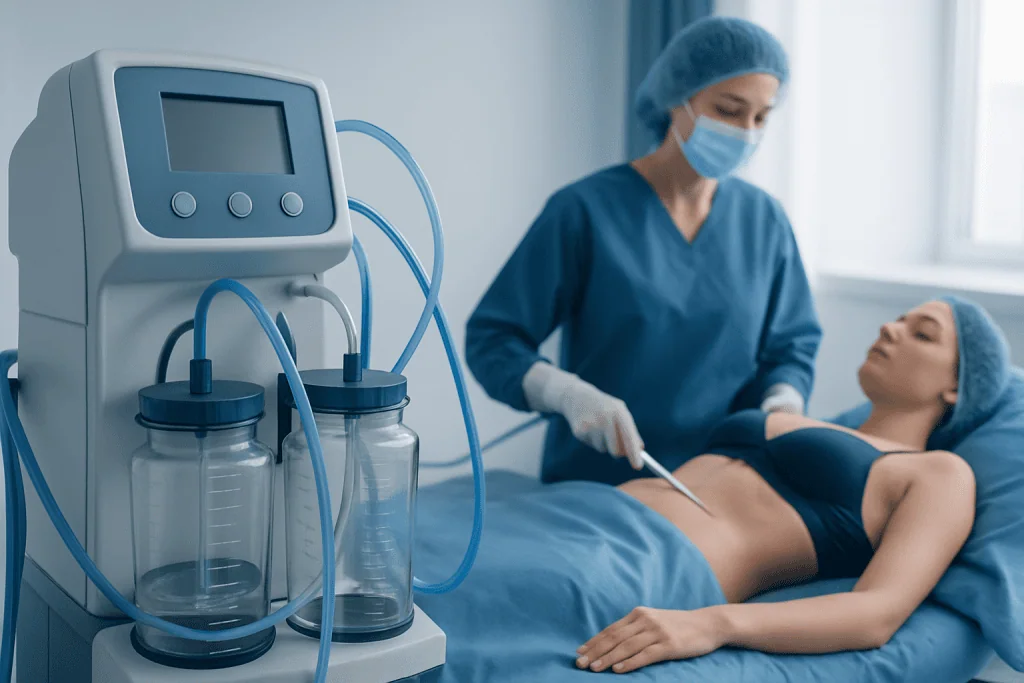
Liposuction works by loosening and removing fat from beneath the skin. The surgeon makes small, carefully placed incisions and inserts a narrow tube called a cannula into the fatty layer. The cannula is moved in a controlled pattern to break up fat, which is then removed using suction.
In many procedures, a fluid solution is first placed into the treatment area. This is commonly called tumescent fluid and usually contains sterile saline, a medicine that narrows blood vessels to limit bleeding, and a local anesthetic when appropriate. Depending on the area treated, the amount of fat to be removed and the patient’s health, liposuction may be performed with local anesthesia and sedation or with general anesthesia.
Some techniques use energy, such as ultrasound or laser assistance, to help disrupt fat before it is suctioned. These technologies are not automatically better for every person. A surgeon’s recommendation should be based on the body area, tissue characteristics, safety considerations and the contouring goal rather than on the name of a device.
Who May Be a Candidate

Suitable candidates commonly have localized fat deposits, relatively firm and elastic skin, and a weight that has been stable for several months. Good general health is important because liposuction is surgery. Patients should understand that the aim is a proportional, natural-looking contour improvement rather than a particular clothing size or a dramatic change on the scale.
A clinician may recommend delaying or avoiding liposuction for people who are pregnant or breastfeeding, have uncontrolled medical conditions, have active infections, smoke or use nicotine products, or have conditions that increase surgical or anesthesia risks. Medicines and supplements that affect bleeding, blood pressure, blood sugar or healing also need review before surgery. Patients should not stop prescribed medicines without advice from the clinician managing them.
Skin quality has an important role in the outcome. After fat is removed, the skin needs to contract around the new contour. People with substantial skin laxity may have residual looseness after liposuction and may benefit from discussing other body-contouring options. A consultation should include an honest discussion of expected changes, scars, asymmetry risks and whether one or more areas can be treated safely in one session.
What Happens During the Procedure
Before surgery, the surgeon typically marks the planned treatment areas while the patient is standing. The care team confirms medical information, reviews the surgical plan and explains anesthesia and aftercare arrangements. Patients are usually asked to arrange for a responsible adult to take them home and stay with them after outpatient surgery, especially if sedation or general anesthesia is used.
Once anesthesia is in effect, the surgeon makes small incisions in discreet locations where possible. Tumescent fluid may be introduced, followed by the cannula. Fat is removed gradually and evenly to avoid excessive removal and to support a smooth contour. The duration varies according to the number and size of treatment areas, the technique used and whether liposuction is combined with another operation.
At the end of the procedure, some incisions may be left partly open for fluid drainage or may be closed with sutures. Dressings and a compression garment are applied to help manage swelling and support the treated area. Before discharge, the team provides individualized instructions on wound care, pain control, compression, activity restrictions and follow-up appointments.
Recovery Timeline and Aftercare
Recovery differs between individuals and depends on the areas treated and the extent of surgery. In the first days, swelling, bruising, soreness, firmness and fluid leakage from small incisions can occur. These effects are usually expected, and the care team may recommend a compression garment for a specified period. Short, gentle walks are generally encouraged soon after surgery to support circulation, but strenuous exercise and heavy lifting should wait until the surgeon advises it is safe.
Many people return to light daily activities or desk-based work within several days to about two weeks, depending on comfort and the physical demands of their work. Bruising often improves over the following weeks. Swelling may fluctuate and can take weeks to reduce substantially; subtle swelling may persist for several months. The treated area can also feel temporarily numb, sensitive or firm during healing.
Early changes may be visible once swelling begins to settle, but final liposuction results should be judged patiently. Contours commonly continue refining over several months as tissues recover. Maintaining a stable weight, attending follow-up visits, protecting incision sites as instructed and avoiding nicotine can support healing. Patients should contact their surgical team if they are uncertain about any recovery symptom rather than trying to manage concerns alone.
Benefits, Limitations and Possible Risks
The main potential benefit of liposuction is improved contour in selected areas with localized fat. For appropriately selected patients, this may make body proportions feel more balanced and may improve how clothing fits. Results are usually long-lasting if body weight remains relatively stable, because removed fat cells do not grow back; however, weight gain can enlarge remaining fat cells and change the overall result.
As with all surgery, liposuction has potential risks. These include bleeding, infection, fluid collection, prolonged swelling, changes in skin sensation, contour irregularities, asymmetry, skin discoloration, delayed wound healing, scarring and dissatisfaction with the cosmetic outcome. Less common but serious complications can include blood clots, reactions to anesthesia, fat embolism, injury to deeper structures or problems related to shifts in body fluids.
Risk can be reduced, though never eliminated, by careful candidate selection, operating in an appropriately accredited surgical setting, avoiding excessive treatment volumes and following pre- and postoperative instructions. Patients should openly discuss smoking, nicotine use, previous blood clots, heart or lung disease, diabetes, medications and any concerns about anesthesia with their surgeon.
Choosing a Liposuction Clinic and Planning Results
When choosing a liposuction clinic, patients should look for a qualified plastic surgeon or appropriately trained surgical specialist, an accredited operating environment and clear information about anesthesia, aftercare and emergency arrangements. A responsible clinic should provide a realistic assessment rather than promising a perfect shape or guaranteeing a particular result. Before-and-after images, where available, should be interpreted carefully because individual anatomy, lighting, timing and weight stability can affect appearance.
Useful questions include which areas are appropriate to treat, what technique is recommended and why, what type of anesthesia is planned, how much downtime may be needed, which symptoms require urgent contact and how follow-up will be organized. Patients should also ask whether skin laxity may affect the result and whether staged treatment would be safer than treating multiple areas at once.
Acibadem International’s multidisciplinary specialists and JCI-accredited hospitals assess and treat suitable international patients with individualized surgical planning and follow-up support. A consultation can help a person understand whether liposuction aligns with their goals and health needs, as well as what recovery and results may realistically involve.
When to Seek Medical Care
Patients should contact their surgical team promptly if they develop increasing rather than improving pain, spreading redness, warmth, pus-like drainage, a fever, persistent vomiting, significant bleeding or swelling that seems unusual. They should also seek advice if a compression garment causes severe discomfort, numbness, color change in the skin or pressure-related injury.
Emergency medical care is needed for symptoms that may suggest a serious complication, including sudden shortness of breath, chest pain, fainting, confusion, coughing blood, a rapid heartbeat or one-sided leg swelling and pain. These symptoms are uncommon, but they should not be ignored after any operation.
For non-urgent concerns, such as questions about bruising, firmness, mild uneven swelling or the expected pace of healing, patients should contact the clinic rather than relying on online comparisons. The surgical team can assess symptoms in the context of the procedure performed and advise whether an examination is needed.
Frequently asked questions
Is liposuction a weight-loss procedure?
No. Liposuction is intended to improve contour by removing localized fat deposits, not to produce major weight loss. It is generally most suitable for people who are near a stable weight and have specific areas they wish to address.
How long does it take to recover from liposuction?
Many people can return to light activities within days to around two weeks, depending on the areas treated and the physical demands of daily life. Swelling and bruising can last for weeks, while final contour changes may continue developing for several months.
Are liposuction results permanent?
Fat cells removed during liposuction do not return in the treated area. However, remaining fat cells can enlarge with weight gain, and fat may be stored in other body areas. Stable weight and healthy habits help preserve the result.
Does liposuction tighten loose skin?
Liposuction may allow elastic skin to contract somewhat after fat removal, but it is not primarily a skin-tightening procedure. If the skin is significantly loose, the result may include persistent laxity, and a surgeon may discuss alternative or combined procedures.
Is liposuction painful?
Anesthesia is used during the procedure so that pain is controlled. Afterward, soreness, tenderness and tightness are common and are usually managed with the aftercare plan provided by the surgical team. The intensity and duration of discomfort vary by person and treatment area.
What should a patient ask at a liposuction consultation?
Patients may ask whether they are suitable candidates, which areas can be treated safely, what results are realistic and how skin quality may affect the outcome. It is also important to ask about anesthesia, recovery restrictions, possible complications, follow-up care and the qualifications of the operating team.
References
- American Society of Plastic Surgeons
- American Society for Aesthetic Plastic Surgery
- National Health Service
- Mayo Clinic
- U.S. Food and Drug Administration
This article is for general information only and is not a substitute for professional medical advice. Please consult a qualified doctor about your individual situation.
Explore treatments in Turkey — costs, top hospitals & a free quote
JCI-accredited · board-certified surgeons · reply within 24h
Add us as a Preferred Source to see more of our trusted health content across Google Search, AI Overviews and Discover.
Check your numbers in seconds
BMI, calories, due date, blood pressure and 30+ more clinical calculators — free, instant, doctor-reviewed ranges.

More from the Health Library


Related Specialists

Assoc. Prof. Dr. Selim Ergün
Orthopedic Surgery & Traumatology
Prof. Dr. İkbal Esen Aydıngöz
Dermatology
Dr. Hüseyin Demir
Neurosurgery
Dr. Bülent Erdoğan
Emergency Service