Prominent Ear Aesthetics
Prominent ear aesthetics, or otoplasty, reshapes and repositions protruding ears for a more balanced facial appearance. It is commonly performed for adults and children after ear growth is sufficient.

Quick answer
Prominent ear aesthetics, known medically as otoplasty, is surgery that reshapes and repositions ears that project further from the head than usual. Through an incision hidden behind the ear, the surgeon reshapes cartilage and uses internal sutures to set the ear closer to the scalp. It suits children once the ears are sufficiently grown, and adults at almost any age, and it does not affect hearing.
Prominent Ear Aesthetics: Setting Back Ears That Stick Out
Prominent ear aesthetics — the operation surgeons call otoplasty — is surgery that reshapes the cartilage of the outer ear and repositions ears that project further from the head than you would like. It is suitable for children once the ears have done most of their growing, and for adults at almost any age. The aim is proportion: ears that sit in balance with the head and face, not ears that look artificially pinned flat against the skull.
Ears are a small feature with an outsized effect on confidence. For some people, protruding ears have been a source of teasing since primary school. For others, the concern surfaces later — in adolescence or adulthood, when hairstyles, photographs, video calls or professional settings make the ears feel more visible than they used to. Parents often start looking for information when a child begins asking why their ears look different, avoids short haircuts, or comes home upset by comments from classmates. None of these experiences is trivial, and none of them means you must have surgery.
You do not need a medical reason to consider this operation, and reading about it commits you to nothing. What you do need is accurate information: what the operation actually changes, what it cannot change, how the recovery behaves, and which factors separate a natural result from an overcorrected one. This page walks through all of it — the anatomy behind protruding ears, the surgical techniques, the timeline for children and adults, the honest limits, and the risks — so that any decision you eventually make is a well-informed one.
What Is Otoplasty?
Otoplasty is the surgical correction of the outer ear. It covers a group of techniques used to reduce ear prominence, create or strengthen the natural ear folds, adjust cartilage shape and improve the balance between the two ears. Correction of protruding ears is the most common reason people seek it, but the same surgical principles apply to shape refinement and to revision of earlier ear surgery.
To understand what the surgeon does, it helps to understand why ears protrude in the first place. The outer ear is a sheet of curved cartilage covered by thin skin. Two structures decide how far it stands from the head. The first is the antihelical fold — the Y-shaped inner curve that runs parallel to the outer rim of the ear. When this fold is underdeveloped or absent, the upper ear lacks its natural bend, looks flat, and tips outward. The second is the concha — the bowl-shaped central hollow that leads to the ear canal. When the conchal bowl is deeper or larger than usual, it acts like a spring, pushing the whole ear away from the scalp. Many people have both features at once, which is why a careful examination matters more than any standard technique: two patients can look similar from across a room and need entirely different operations.
Otoplasty addresses these structural causes directly. Through an incision usually placed in the crease behind the ear — where the natural fold conceals the eventual scar — the surgeon sculpts or folds the cartilage, uses internal sutures to hold the new shape, and sets the ear at a more balanced angle to the head. The procedure is commonly performed on both ears, even when one side is more prominent, because subtle adjustments on each side produce better overall symmetry. Surgery on a single ear is entirely possible when only one side needs correction.
One point deserves emphasis because it worries many parents: otoplasty does not change hearing. The structures responsible for hearing sit deep inside the ear, well away from the surgical field. Prominent ear correction works only on the external ear — the part anatomists call the pinna or auricle. It is an aesthetic and reconstructive procedure, not a hearing operation.
What do prominent ears mean?
Prominent ears are a normal anatomical variation, not a sign of any medical problem. They usually result from an underdeveloped antihelical fold, an enlarged or deep conchal bowl, or a combination of the two — differences in how the ear cartilage folded during development. The trait is present from birth, often runs in families, and becomes more noticeable in early childhood because the ears reach close to adult size years before the rest of the head and face catch up. Hearing is typically completely normal. In other words, prominent ears mean nothing about health, development or intelligence; they are simply one of the many ways ears can be shaped.
Can protruding ears be corrected?
Yes — protruding ears can be corrected, and the reliable method depends on age. In the first weeks of life, ear cartilage is unusually soft and mouldable, and gentle splinting or moulding devices can sometimes reshape a protruding or folded ear without any surgery at all. That window closes quickly as the cartilage stiffens. From later infancy onward, taping, headbands and similar home measures do not produce lasting change, because hardened cartilage springs back to its original shape. Once the ears have grown sufficiently — typically around early school age — otoplasty becomes the dependable route to correction, and it remains effective throughout adult life. The operation changes the cartilage structure itself, which is why its effect is designed to last rather than relying on external pressure.
Are prominent ears attractive?
Attractiveness is subjective, and prominent ears are a normal variation that a great many people wear comfortably and even distinctively — plenty of well-known faces are memorable partly because of their ears. There is no objective standard that says ears must sit within a certain angle of the head. What matters clinically is not whether prominent ears are attractive in the abstract, but whether they distress the person who has them. Surgery is appropriate when the individual — not their parents’ friends, not social media, not a partner — feels persistently self-conscious about the prominence. That distinction matters most in children: a child who is untroubled by their ears has no indication for surgery, however prominent the ears may appear to adults around them.
Who Is a Candidate for Prominent Ear Correction?
Candidates for prominent ear correction are people whose ears stand out noticeably from the sides of the head, whose ear shape feels unbalanced with the face, or whose asymmetry between the ears causes genuine concern. The decision is personal. Some people are entirely comfortable with prominent ears and need nothing. Others find that the appearance dictates how they wear their hair, how they feel in photographs, and how they carry themselves socially or professionally. Both responses are legitimate; only the second is a reason to consider surgery.
Diagnosis is refreshingly simple compared with many procedures: it rests on physical examination, not scans or laboratory tests. The surgeon assesses the distance between ear and scalp, the angle of projection, the depth of the conchal bowl, the definition of the antihelical fold, skin thickness, cartilage stiffness and the degree of asymmetry. Standardised photographs are usually taken for planning and later comparison. The consultation also reviews medical history, previous ear procedures, medications, allergies, any tendency to form thick or raised scars, and conditions that could affect healing.
Good candidates are generally healthy, with stable expectations and a clear understanding of what otoplasty can and cannot achieve. Children should be able to cooperate with the aftercare — above all, wearing a protective headband and avoiding knocks to the ears while they heal. Adults should be prepared for temporary swelling, tenderness and activity restrictions. If you smoke or use nicotine products, expect a frank conversation: nicotine impairs circulation and wound healing, and surgeons commonly advise stopping for a period before and after the operation.
What is the best age for otoplasty in children?
Otoplasty is typically considered from early school age, once the ears have reached most of their adult size and the cartilage is firm enough to hold surgical correction. This timing has a practical logic: it allows correction before the years when teasing tends to peak, while the cartilage is still relatively easy to shape. Chronological age is only half of readiness, though. The child should understand, at their own level, what will happen and why, and ideally should want the change themselves. A child who participates willingly copes better with the headband, the follow-up visits and the temporary restrictions than one who feels the surgery was imposed on them.
Is there an age limit for adults?
No — there is no upper age limit for otoplasty based on age alone. Suitability in adults depends on general health, anatomy, healing capacity and expectations, not on the number of birthdays. Many adults seek correction after decades of living with prominent ears, having postponed it in childhood for reasons of timing, cost, travel or simple uncertainty. Adult otoplasty is effective because cartilage can still be reshaped at any age, though the surgical plan often differs from paediatric cases: adult cartilage is firmer and more brittle, so the surgeon may rely more on scoring and shaping techniques and less on the easy pliability of a child’s ear.
What Prominent Ear Aesthetics Can Address
Prominent ear aesthetics covers a defined set of external ear concerns, and it is worth being precise about them, because clarity here shapes realistic expectations.
The most common indication is ear protrusion itself — one or both ears extending outward more than you would like. Whether the cause is a missing antihelical fold, an enlarged conchal bowl or both, surgery can bring the ears closer to the head while preserving a natural curve. The word “preserving” matters: the goal is an ear that still looks like an ear from every angle, with soft transitions and visible folds, not a flattened shell pressed against the scalp.
The second indication is asymmetry. Everyone has some difference between their right and left ear — this is universal, not a flaw. In some people, however, the difference is pronounced enough to be the first thing they see in photographs. Otoplasty can reduce the gap between the two sides, though perfect symmetry is not a realistic goal for any surgeon, because ears are complex three-dimensional structures that were never identical to begin with.
Otoplasty can also refine shape and contour concerns tied to the cartilage itself. The upper ear may lack definition, the rim may be excessively visible from the front, or the ear may have a cupped, forward-tilted appearance. Depending on anatomy, correction may involve folding the cartilage, weakening it in controlled areas so it bends naturally, removing a conservative amount of it, or placing internal sutures that hold the ear in a more balanced position — usually some combination of these.
Revision otoplasty is a category of its own. Some patients seek correction after a previous operation that undercorrected, overcorrected, recurred, or left visible irregularities or asymmetry. Revision cases demand especially careful planning because scar tissue, altered cartilage and old sutures all constrain what can be done. An honest revision consultation addresses two questions in order: is improvement possible, and how much change can be achieved safely? Sometimes the answer is a meaningful improvement; sometimes it is a modest one; occasionally the wiser course is to wait for tissues to mature before operating again.
Finally, prominent ear correction sits at the edge of a larger field. Correction after trauma, or of significant congenital differences where ear tissue is missing or severely distorted, belongs to ear reconstruction — a separate discipline with different techniques, sometimes involving cartilage grafts and staged operations. Part of a good consultation is distinguishing clearly between standard otoplasty for protruding ears and the more complex reconstruction some ears genuinely require.
Ear Pinning Without Surgery: What Works and What Does Not
Ear pinning without surgery is a phrase people search for often, so it deserves a straight answer. There is exactly one period when non-surgical correction works reliably: early infancy. In the first weeks after birth, ear cartilage is soft and unusually responsive to gentle, sustained pressure, and purpose-made moulding or splinting devices can reshape a protruding or misfolded ear without any incision. The window is short — the cartilage stiffens within months — and results depend on starting early and using the devices consistently under medical guidance.
After infancy, the honest news is less convenient. Tapes, headbands, glues and “corrector” products sold for older children and adults press the ear back only for as long as they are worn; hardened cartilage has shape memory and returns to its position once the pressure stops. They do not produce lasting change, and prolonged taping can irritate the skin.
Between full surgery and home remedies sits a narrow middle ground: minimally invasive, suture-based techniques performed through very small openings rather than a full incision. These can suit a limited group of patients — typically those with mild prominence caused mainly by a weak antihelical fold and soft, compliant cartilage. They are genuinely surgical procedures, performed by a surgeon, with their own considerations around durability and recurrence. Whether such a technique is appropriate for a particular ear is an anatomical judgement, not a preference; ears with a deep conchal bowl or firm adult cartilage usually need the conventional operation to achieve a stable result.
How Otoplasty Is Performed, Step by Step
The consultation and the surgical plan
Everything starts with a detailed consultation. The surgeon listens to what bothers you, examines the ears from the front, side and back, and explains which anatomical features are responsible for the prominence. This step carries real weight, because the operation must match the cause. If the upper fold is the main issue, the plan emphasises fold-forming sutures. If the concha drives the protrusion, the plan centres on setting the bowl back toward the head, sometimes with conservative cartilage removal. Most patients need a tailored combination.
If the patient is a child, the conversation includes the parents and — whenever appropriate — the child, whose comfort, cooperation and understanding of the recovery period are treated as part of surgical readiness.
Before surgery, you receive instructions covering fasting before anaesthesia, smoking and nicotine use, what to bring, and what to expect on the day. Blood tests or an anaesthesia assessment may be requested depending on age, health and the planned anaesthetic. Any question about your regular medicines — including anything that could affect bleeding or healing — is a matter for your treating doctor, who will tell you exactly what applies to you.
What anaesthesia is used for otoplasty?
Otoplasty can be performed under local anaesthesia with sedation or under general anaesthesia, and the choice depends on age, anxiety, medical condition, the extent of correction and the surgeon’s recommendation. Children almost always have a general anaesthetic so they remain comfortable and completely still — small movements matter when the work is measured in millimetres. Many adults do well with local anaesthesia and sedation, though some prefer to be fully asleep, and that preference is a legitimate part of the decision. Whichever route is chosen, the operation takes place in a proper surgical environment with monitoring appropriate to the anaesthetic, sterile technique and careful positioning throughout.
What happens during the operation?
Every plan is individual, but a typical otoplasty follows a recognisable sequence:
- Marking. With you upright or before anaesthesia takes full effect, the surgeon marks the intended ear position and the areas of cartilage to be adjusted, checking the planned result against the natural contours of your head.
- Incision. An incision is made in the crease behind the ear, giving access to the cartilage while keeping the future scar in a fold most people never see.
- Reshaping the cartilage. If the antihelical fold is weak or absent, sutures are placed to create or strengthen it. If the conchal bowl is deep or pushes the ear outward, sutures set it closer to the head, or a conservative sliver of cartilage is removed. Where the cartilage resists bending, controlled scoring or gentle weakening helps it fold naturally rather than under tension.
- Fixing the new shape. Internal sutures hold the cartilage in its corrected position. This internal framework — not the skin closure — is what maintains the result.
- Closure and dressing. The skin is closed with fine sutures and a protective dressing is applied, supporting the new shape, limiting swelling and shielding the ears from accidental knocks in the first days.
Surgeons often describe the two workhorse manoeuvres by name: Mustardé sutures, which fold the cartilage to create or deepen the missing antihelical fold, and Furnas sutures, which anchor the conchal bowl closer to the head. Knowing the names matters less than knowing that your surgeon can explain which manoeuvre — or which combination — your particular ears need, and why.
How long it takes varies with complexity, with whether one or both ears are treated, and with whether the case is a first operation or a revision. Many procedures finish within a few hours, but plan for additional time on the day for preparation, anaesthesia and observation before discharge. Otoplasty is often a same-day procedure, though the care plan may differ for young children or patients with medical considerations.
Technique, technology and precision
Prominent ear correction is, above all, a judgement procedure: it depends on the surgeon’s anatomical understanding, sense of proportion and handling of delicate cartilage. Modern care pathways support that judgement rather than replace it — standardised clinical photography for planning and comparison, thorough preoperative assessment, safe anaesthesia monitoring, magnification and fine instruments designed for cartilage work, and careful tissue handling that protects the skin and its blood supply. Imaging scans are not usually needed for routine prominent ears, because the concern is visible and structural; the examination and photographs tell the surgeon what a scan cannot. The single most important “technology” in otoplasty remains the plan: a correction calibrated to your cartilage, your face and the degree of change that will read as natural.
The first hours and days after surgery
After the operation you are monitored while the anaesthetic wears off. Mild discomfort, tightness, a sense of pressure and swelling are all expected, and the discomfort is usually manageable with the medication your team prescribes or recommends. A bulky dressing protects the ears initially and helps hold their new position. Before you leave, you receive clear instructions on sleeping position, wound care, washing and when to return for follow-up.
The early rules are simple and worth taking seriously: do not pull, bend or sleep directly on the ears. Children need supervision to avoid rough play, sport and accidental knocks. Adults should avoid anything that presses on the ears or pulls over the head — helmets, over-ear headphones, tight jumpers — and any activity that drives swelling up in the first days.
Recovery After Otoplasty
Recovery from otoplasty is generally manageable, but it rewards patience and punishes shortcuts. The initial dressing is removed or changed at an early follow-up visit. Most patients then wear a soft protective headband — particularly at night — to stop the ears folding forward during sleep while the internal sutures and healing tissue consolidate the new shape. The exact duration of headband wear follows your surgeon’s protocol and your own healing.
Expect the ears to feel numb, sensitive, firm or mildly uneven in the early weeks. These sensations are normal and settle as the tissues adapt. Swelling and bruising improve gradually; the visible reduction in prominence is apparent early, but the refined final contour takes months to declare itself as swelling resolves, firmness softens and scars mature. Judge nothing in the first weeks — early appearance is not the final result.
A few practical points come up repeatedly at follow-up visits. Glasses wearers should ask how to rest the arms of their frames so they do not press on the healing crease behind the ear; some pad the arms or switch temporarily to contact lenses in the first weeks. Newly operated ears can also be unusually sensitive to cold for a time, so protecting them in cold weather is sensible until normal sensation returns. Ear piercing — or returning to earrings in existing piercings — should wait until the surgeon confirms the tissues have healed sufficiently. And the scars behind the ear, like all scars, mature over months: they may look pink or feel firm at first, and typically fade and soften with time. Your team can advise on scar care if healing behaves differently than expected.
How long does otoplasty recovery take?
The practical recovery is measured in weeks; the final result is measured in months. Most people manage daily life within days, return to desk-based work or school once comfortable and cleared by the surgeon, wear the headband at night for a period of weeks, and keep the ears protected from sport and trauma for longer. Full settling of swelling, sensation and scar tissue continues for several months, which is why follow-up visits are scheduled well beyond the operation itself.
When can children return to school and sport?
Children may return to school when they are comfortable and the surgeon confirms it is safe, provided physical activity is restricted — the classroom is fine long before the playground is. Contact sports, swimming and any activity with a realistic risk of a blow to the ears stay off the list until the surgeon specifically clears them, because an early knock can disturb the correction before it has consolidated. Adults follow the same logic: non-strenuous work returns quickly, while exercise resumes in stages with medical approval.
| Time Period | What Patients Can Expect |
|---|---|
| Day 1 | A protective dressing is in place. Mild to moderate discomfort, pressure and tightness are common. Rest, keep the head elevated, and avoid touching or bending the ears. |
| First Week | The dressing is changed or removed according to the surgeon’s plan. Swelling and bruising are expected. A soft headband may be recommended, especially during sleep. |
| First Month | Most visible swelling begins to decrease. Many patients return to school or non-strenuous work earlier, but sport, rough play and anything that could injure the ears remain restricted. |
| Two to Three Months | The ears continue to settle, sensitivity improves and the shape becomes more refined. More activities resume gradually with medical approval. |
| Longer Term | Scars mature and firmness softens over several months. The final contour becomes clearer as swelling resolves and tissues adapt to the new position. |
Benefits of Otoplasty for Protruding Ears
The benefits of otoplasty are both aesthetic and practical, and the most meaningful ones are usually the quietest: ears that stop being the first thing you notice about yourself. The table below sets out what the operation is designed to deliver — always within the limits of individual anatomy and healing.
| Benefit | What It Means for You |
|---|---|
| More balanced ear position | The ears can sit closer to the head in a way that appears natural from the front, side and back. |
| Improved facial harmony | Reducing excessive ear prominence lets the ears draw less attention, so the face as a whole reads as more proportionate. |
| Better symmetry | Differences between the ears may be reduced, although some natural asymmetry is expected in every person. |
| Discreet incision placement | Incisions are commonly placed behind the ear, where scars are usually less visible once healed. |
| Long-lasting structural change | Cartilage reshaping and internal sutures are designed to maintain the improved contour over time, while recognising that healing varies between patients. |
| Greater comfort with appearance | Many patients feel more at ease wearing different hairstyles, appearing in photographs and participating in social settings. |
What Influences a Good Otoplasty Result?
A good otoplasty result is defined by more than distance from the scalp. The best outcomes look unremarkable — natural folds, soft transitions, no tell-tale signs of surgery — and several factors decide whether that is what you get.
Anatomy comes first. Cartilage thickness and stiffness, skin quality, ear size, fold definition and the depth of the conchal bowl all shape the surgical plan. A child’s cartilage is flexible and takes suture correction readily; adult cartilage may need different shaping techniques to bend without buckling. Significant asymmetry demands a customised approach on each side rather than a mirrored one.
Surgical planning is the second pillar. The surgeon must identify the true cause of the prominence instead of applying one standard method to every ear. Fold-forming sutures for a weak antihelix, conchal setback for a deep bowl, a combined approach when both are present — the diagnosis dictates the operation, not the other way round.
Realistic expectations protect you from disappointment. Otoplasty improves prominence and proportion; it cannot create two identical ears, because no one has two identical ears. Small differences in height, contour and angle are normal before surgery and remain normal after it. The target is a pleasing, balanced appearance — not geometric perfection, and emphatically not ears clamped flat, which is the classic signature of overcorrection.
Healing behaviour varies from person to person. Swelling, bruising, scar formation and tissue adaptation follow their own pace. Some people are prone to thick or raised scars, particularly with a history of keloids; this is exactly the kind of detail to raise at consultation, because the surgeon can plan preventive measures and closer follow-up around it.
Aftercare matters more in otoplasty than in many procedures, because the new ear position needs physical protection while it consolidates. Wearing the headband as instructed, keeping pressure off the ears, attending every follow-up and holding back from sport until cleared all reduce the risk of recurrence or injury. In children, consistent parental supervision is the difference between instructions given and instructions followed.
General health rounds out the list. Conditions affecting circulation, immunity or wound healing influence recovery, and smoking or nicotine use raises wound-healing risks — be honest about it with your team. Anything concerning your regular medicines, including those that affect bleeding, belongs in a direct conversation with your treating doctor, who will give you instructions specific to your situation.
Risks and Limitations of Otoplasty
Like any operation, otoplasty carries risks, and you should know them before consenting rather than after. They include bleeding, infection, delayed wound healing, visible or thickened scars, changes in skin sensation, residual asymmetry, recurrence of the prominence, overcorrection, suture-related problems such as a stitch working its way to the surface, contour irregularities, and dissatisfaction with the final appearance. Serious complications are uncommon when the procedure is properly planned and performed in an appropriate medical setting, but “uncommon” is not “impossible”, and a trustworthy consultation says so plainly.
The limitations deserve equal billing. Otoplasty does not change ear size in any dramatic way, does not alter hearing, and does not produce mirror-image ears. Revision surgery, where needed, works within the constraints of scar tissue and previously altered cartilage, so its goals are usually more conservative than those of a first operation. Understanding these boundaries before surgery is the single best predictor of being satisfied after it.
When Timing Matters
Prominent ears are almost never a medical emergency, and delaying otoplasty does not threaten hearing or physical health. Timing still matters — emotionally, socially and logistically.
For children, the calculation is about the years of school ahead. When a child is developmentally ready, wants the change themselves and the ears have grown sufficiently, earlier correction can shorten the period of teasing and self-consciousness that peer attention brings. When any of those three conditions is missing, waiting is the better medicine.
For adults, delay tends to mean prolonging habits built around the ears: always covering them, never choosing the short haircut, angling away from cameras. These adjustments can look trivial from the outside and feel constant from the inside. Seeking a professional assessment does not obligate you to have surgery; it simply replaces years of wondering with accurate information about whether treatment is appropriate for your anatomy.
There are practical timing considerations too. Recovery restrictions need to fit around school holidays, work responsibilities, preoperative assessment and follow-up visits. Planning ahead lets the medical team recommend a timeline that supports both safe surgery and an unhurried recovery, rather than squeezing either into a calendar that does not fit.
Revision cases and ears affected by previous trauma benefit from early evaluation for a different reason: scar tissue and cartilage change over time, and a surgeon can advise whether tissues need longer to mature before correction or whether planning can begin now. A measured assessment at the right moment prevents unnecessary procedures later.
Otoplasty in the Context of Facial Balance
Otoplasty is one of the more self-contained procedures in facial aesthetics: it changes a single feature, through a hidden incision, without touching the rest of the face. Yet its effect is felt across the whole face, because prominent ears pull attention outward and away from the eyes, nose and profile. Setting the ears into proportion often changes how the entire face reads in photographs and in person — which is precisely why the best results are the subtle ones. Some adults consider ear correction as part of a broader, staged plan alongside other face aesthetics procedures, or sequence it around unrelated work such as body aesthetics; when that is the case, the order and spacing of procedures becomes part of the surgical conversation, weighed against recovery demands and anaesthesia considerations rather than convenience alone.
Prominent Ear Correction at Acibadem
Patients who come to Acibadem for prominent ear correction are cared for within a large hospital group where structured surgical pathways, anaesthesia processes, infection prevention and postoperative nursing protocols frame even the smaller operations. Otoplasty can look straightforward from the outside, but it involves anaesthesia, delicate cartilage work, wound healing and monitored recovery, all of which benefit from a disciplined hospital environment.
The consultation at Acibadem is built around cause, not just correction. Experienced physicians examine why the ears are prominent, which techniques suit the specific cartilage in front of them, what degree of change will look natural, and how to reduce avoidable risks. Where a case calls for it — young children needing paediatric anaesthesia, revision procedures, congenital differences, or patients with broader medical considerations — input from relevant specialists is coordinated as part of planning. Technology supports this judgement rather than replacing it: standardised clinical photography, careful examination, anaesthesia assessment, fine surgical instrumentation and monitored recovery form the pathway, while the surgeon’s understanding of ear anatomy and proportion remains central to the result.
Personalised planning carries particular weight in otoplasty because the desired result is subtle: a child may need a conservative correction that stays natural as the face matures; an adult may want the ears simply less visible; a revision patient may need careful improvement rather than aggressive reshaping. The plan is adjusted to anatomy, age, expectations, health status and recovery schedule, and patients are encouraged to ask detailed questions about technique, anaesthesia, scarring, recovery and risk before anything is decided.
Making a Considered Decision
Prominent ear aesthetics is a focused, discreet, structural operation: it reshapes cartilage, refines the ear folds and repositions the ears in better balance with the head and face. Done well, the result should look like nothing happened — just ears that no longer demand attention. For children, teenagers and adults who genuinely feel that protruding ears affect their appearance or confidence, that quiet change can carry real weight in daily life.
The most reliable way to understand your own options is a thorough assessment by a qualified plastic surgeon, who can examine the ear anatomy, explain the likely technique, discuss anaesthesia, set out recovery expectations and advise on timing. If you have already received a recommendation elsewhere, a second opinion has particular value in cases involving asymmetry, previous ear surgery or genuine uncertainty about the best approach — a second set of experienced eyes on the same cartilage costs nothing but time and often clarifies the decision. Whatever you decide, decide it informed: knowing what the operation changes, what it leaves alone, and what the months after it actually look like.
Preparation
- Before prominent ear aesthetics, the surgeon evaluates ear shape, cartilage structure, medical history, and expectations. Patients may need basic blood tests and anesthesia assessment. Blood-thinning medicines, smoking, and alcohol are usually avoided before surgery as advised by the doctor.
Aftercare
- A protective head bandage is worn after surgery, followed by a soft headband especially at night. Mild swelling, bruising, or discomfort is expected and usually improves within days. Patients should avoid sleeping on the ears, strenuous activity, and contact sports until cleared by the surgeon.
Turkey vs UK, Germany & USA
Prominent ear aesthetics, also called otoplasty, can improve the balance between the ears and face by reshaping or repositioning protruding ears. Costs and experience vary depending on the surgical plan, hospital setting, anaesthesia, and travel arrangements.
The comparison below highlights common cost and patient experience factors for international patients considering prominent ear aesthetics.
| Factor | Turkey | UK | Germany | USA |
|---|---|---|---|---|
| Cost structure | Often offered as coordinated self-pay packages for international patients, with clear inclusions requested in advance. | Private treatment is usually self-pay; public coverage is generally limited to medical or psychological indications. | Self-pay pricing is commonly based on specialist, facility, anaesthesia, and aftercare components. | Separate billing for surgeon, facility, anaesthesia, and follow-up can make quotes more complex. |
| Hospital and surgeon factors | Cost depends on surgeon experience, hospital category, anaesthesia type, and whether care is in a JCI-accredited or comparable facility. | Cost varies by consultant reputation, clinic location, hospital setting, and anaesthetic plan. | Pricing is influenced by specialist credentials, clinic or hospital setting, and the complexity of cartilage reshaping. | Surgeon demand, facility type, regional practice costs, and anaesthesia arrangements strongly affect final cost. |
| Quality and accreditation | International patients may choose hospitals with JCI accreditation and dedicated international patient services. | Private hospitals and clinics follow national regulatory standards; accreditation and inspection status should be checked. | Hospitals and clinics operate under national healthcare regulation; international services vary by centre. | Accreditation, board certification, and facility licensing should be reviewed carefully when comparing providers. |
| Waiting times | Planned scheduling can often be coordinated around travel dates after medical review. | Private appointments may be scheduled faster than public pathways, depending on consultant availability. | Scheduling depends on specialist availability, clinic capacity, and required preoperative assessment. | Availability varies widely by state, surgeon schedule, and facility access. |
| Travel and language logistics | International patient teams may assist with translation, appointments, airport transfers, and hotel guidance. | Travel is simpler for local patients; international patients may need to arrange accommodation and support separately. | Interpreter support may be available at larger centres but should be confirmed before travel. | Travel distances, accommodation, and local transport can add to the total budget for non-local patients. |
| Typical package inclusions | Packages may include surgeon consultation, hospital fees, anaesthesia, basic tests, standard medications, and follow-up checks. | Quotes may include the procedure and hospital fees, but aftercare, garments, or revision policies should be clarified. | Quotes often itemise consultation, surgery, anaesthesia, facility use, and follow-up care. | Patients should confirm whether the quote includes all professional, facility, anaesthesia, and aftercare fees. |
What affects your final cost
- Whether one or both ears require correction and how complex the ear shape is.
- The surgical technique, such as cartilage suturing, scoring, conchal adjustment, or revision surgery.
- The type of anaesthesia and whether the procedure is performed in a clinic or hospital operating room.
- Surgeon experience, hospital accreditation, and the level of nursing and follow-up support.
- Preoperative tests, medications, dressings, headband or garment needs, and postoperative visits.
- Travel, accommodation, interpreter support, and companion arrangements for international patients.
Compare your options
Prominent ear correction is tailored to ear anatomy, age, skin and cartilage quality, and personal goals. Suitability for any option is decided by a specialist after examination.
| Option | What it is | Typical use | Key considerations |
|---|---|---|---|
| Cartilage-sparing suture otoplasty | The ear cartilage is repositioned with permanent internal sutures, usually through an incision behind the ear. | Commonly used when the main issue is an underdefined ear fold or mild to moderate protrusion. | Can give a natural contour when planned carefully; suture placement, symmetry, and aftercare are important. |
| Cartilage scoring or reshaping | The cartilage is weakened, shaped, or refined to help the ear sit closer to the head. | Used when cartilage is firm or when stronger reshaping is needed. | Requires careful technique to avoid overcorrection, irregular contours, or visible edges. |
| Conchal setback or reduction | The bowl-shaped part of the ear is adjusted or reduced and secured closer to the head. | Useful when protrusion is mainly caused by a deep or prominent conchal bowl. | May be combined with fold creation; balance between both ears is a key planning point. |
| Combined otoplasty | Several techniques are used together to reshape the fold, concha, and overall ear position. | Often chosen for more complex ear shapes or when both structure and position need correction. | Usually provides the most customised plan, but may involve more operative planning and follow-up. |
| Revision otoplasty | A corrective procedure after previous prominent ear surgery. | Considered for asymmetry, recurrence, overcorrection, visible irregularities, or patient dissatisfaction. | More complex because of scar tissue and altered cartilage; specialist assessment is essential. |
| Non-surgical ear moulding | External moulds guide soft ear cartilage into a better shape. | Mainly relevant in very early infancy while cartilage is still highly flexible. | Not a typical option for older children or adults; timing and specialist guidance are critical. |
General information only — not medical or financial advice. Final costs depend on the factors above and your individual case; request a free, personalised quote.
Frequently Asked Questions
What affects the cost of prominent ear aesthetics?
The main factors are the ear anatomy, whether one or both ears are treated, the surgical technique, anaesthesia type, hospital or clinic setting, surgeon experience, and follow-up requirements. Travel, accommodation, translation, and companion support may also affect the total budget for international patients.
How can I get a personalised quote from Acibadem?
You can request a free consultation by sharing your photos, medical history, age, expectations, and any previous ear surgery details. A specialist review is needed before confirming suitability, treatment plan, and a personalised package quote.
What is usually included in an international patient package?
A package may include the surgeon consultation, hospital fees, anaesthesia, basic preoperative checks, standard medications, dressings, and routine follow-up visits. Inclusions vary, so patients should ask what is covered and what may be charged separately.
Is otoplasty more expensive for children than adults?
Cost depends less on age alone and more on anaesthesia needs, surgical complexity, hospital setting, and required aftercare. For children, timing is decided after specialist assessment and when ear growth is considered sufficient.
Can insurance cover prominent ear aesthetics?
Coverage depends on the insurer, country, and whether the procedure is considered cosmetic or medically necessary. Patients should check directly with their insurer and request medical documentation if needed.
Why do quotes vary between countries and hospitals?
Quotes vary because each country and provider may structure surgeon fees, facility fees, anaesthesia, accreditation standards, aftercare, and patient support services differently. Comparing written inclusions is more useful than comparing headline prices alone.
Medically reviewed by the Acıbadem International Medical Board — September 1, 2026
See our medical review board →
Update history
- PublishedJune 8, 2026
- Medical review approvedSeptember 1, 2026
- Last content updateSeptember 1, 2026
Trusted care for international patients
Doctors Performing This Treatment

Prof. Dr. Hakan Ağır
Aesthetic Plastic & Reconstructive Surgery
Prof. Dr. Şükrü Yazar
Aesthetic Plastic & Reconstructive Surgery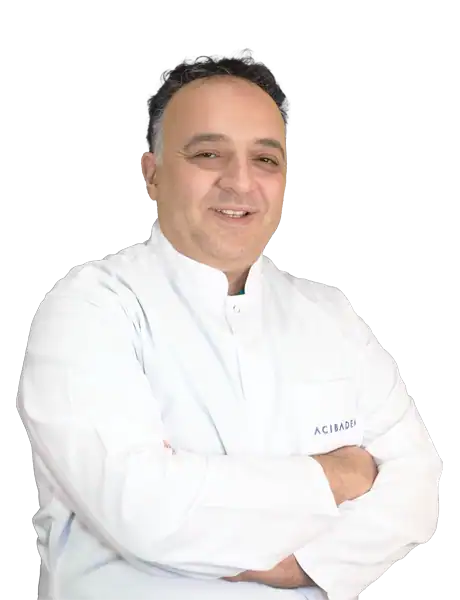
Prof. Dr. Mehmet Veli Karaaltın
Aesthetic Plastic & Reconstructive Surgery
Prof. Dr. Bülent Saçak
Aesthetic Plastic & Reconstructive Surgery
Prof. Dr. Ersin Ülkür
Aesthetic Plastic & Reconstructive Surgery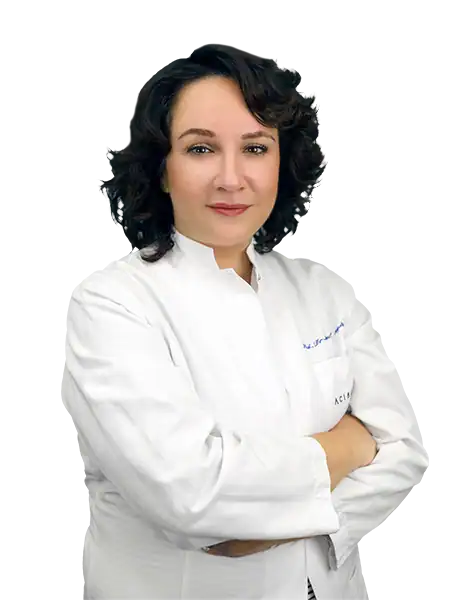
Prof. Dr. Çiğdem Ünal Gülmeden
Aesthetic Plastic & Reconstructive Surgery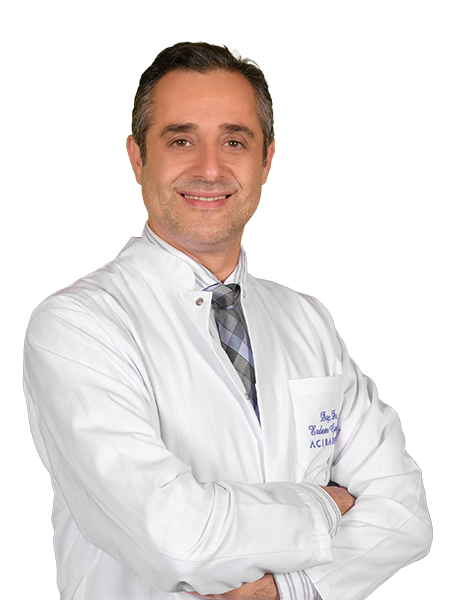
Assoc. Prof. Dr. Erdem Güven
Aesthetic Plastic & Reconstructive Surgery
Assoc. Prof. Dr. Ahmet Küçükçelebi
Aesthetic Plastic & Reconstructive Surgery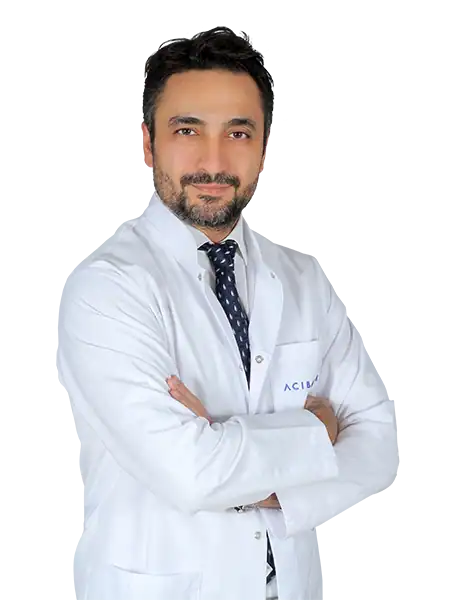
Assoc. Prof. Dr. Mehmet Altıparmak
Aesthetic Plastic & Reconstructive Surgery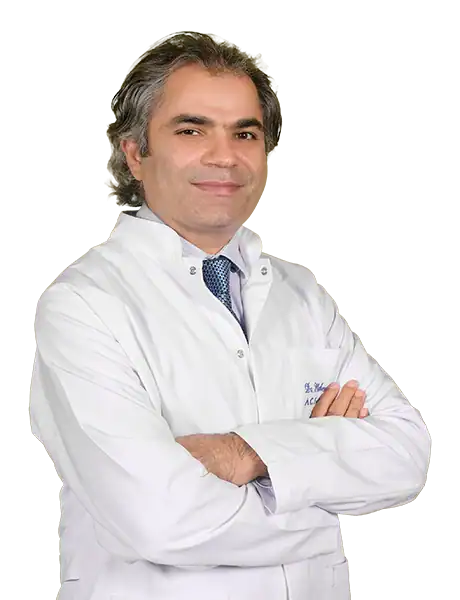
Assoc. Prof. Dr. Mehmet Sağır
Aesthetic Plastic & Reconstructive Surgery
Asst. Prof. Dr. Berkhan Yılmaz
Aesthetic Plastic & Reconstructive Surgery
Dr. Ayşe İrem İskenderoğlu
Aesthetic Plastic & Reconstructive Surgery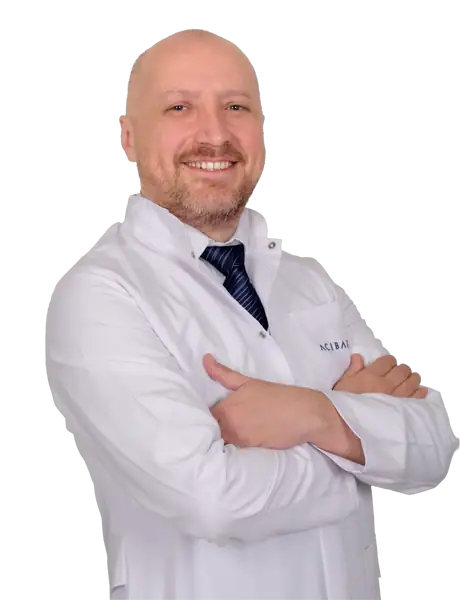
Dr. Şenol Durukan
Aesthetic Plastic & Reconstructive Surgery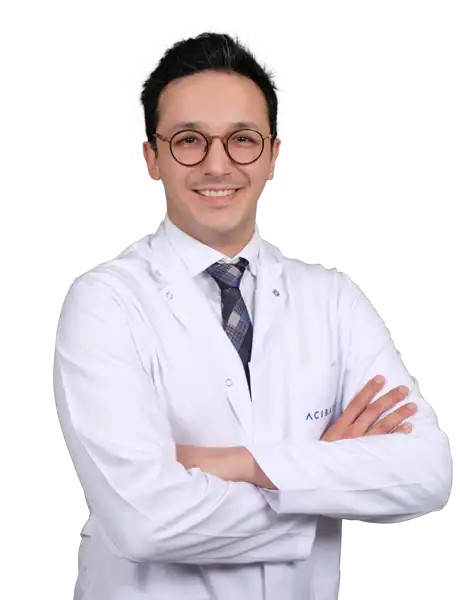
Dr. Serkan Tokgönül
Aesthetic Plastic & Reconstructive Surgery
Dr. Münür Selçuk Kendir
Aesthetic Plastic & Reconstructive Surgery
Dr. Nargız Ibrahımlı
Aesthetic Plastic & Reconstructive Surgery
Dr. Okan Acicbe
Aesthetic Plastic & Reconstructive Surgery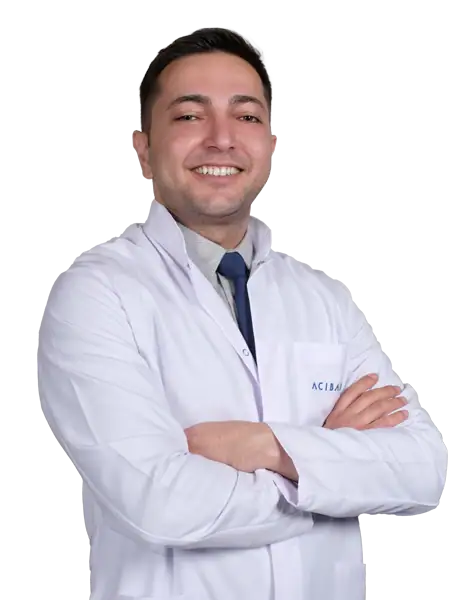
Dr. Turgut Furkan Kuybulu
Aesthetic Plastic & Reconstructive Surgery
Dr. Nuri Soysal
Aesthetic Plastic & Reconstructive Surgery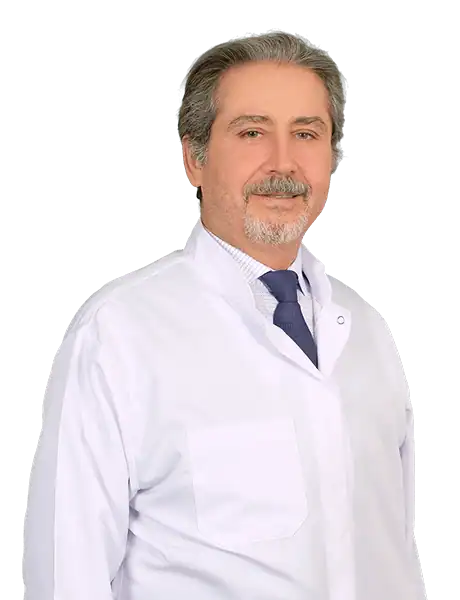
Dr. Nezail Demirciler
Aesthetic Plastic & Reconstructive Surgery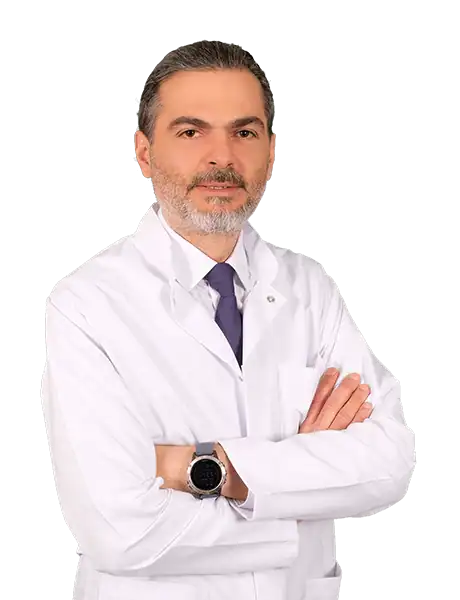
Dr. Mithat Ulay
Aesthetic Plastic & Reconstructive Surgery
Dr. Mahmut Özyılmaz
Aesthetic Plastic & Reconstructive Surgery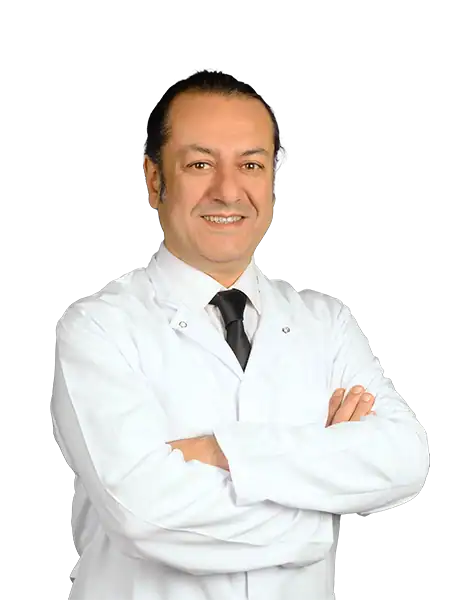
Dr. Umut Özbebit (m)
Aesthetic Plastic & Reconstructive Surgery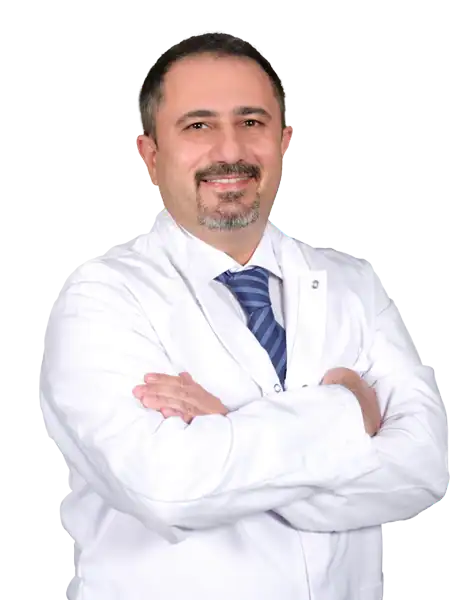
Dr. Cem Öz
Aesthetic Plastic & Reconstructive SurgeryMedical Units
Available at These Hospitals