Scar Revision Surgery
Scar revision surgery improves the appearance, texture or function of visible scars by removing or reshaping scar tissue and carefully closing the skin for a smoother result.

Quick answer
Scar revision surgery improves the appearance, comfort or function of an existing scar. The surgeon removes or rearranges scar tissue, then closes the skin in fine layers under low tension so a narrower, better-placed line can form. It cannot erase a scar completely; the realistic aim is a scar that is flatter, softer, less visible or less restrictive.
Scar Treatment and Scar Revision Surgery: A Realistic Starting Point
Scar revision surgery is a procedure that improves the appearance, position, texture or function of an existing scar. It works by removing or rearranging scar tissue and closing the skin in precise layers under low tension, so that a finer, better-placed line forms where the old scar used to be. It is intended for people whose scar has passed its early healing phase but remains wide, raised, tight, dark, painful or awkwardly placed — whether the original cause was an accident, a burn, previous surgery, acne, infection or other trauma.
Scar treatment is a broader field than surgery alone, and it helps to understand that from the start. Surgery is one tool on a ladder that also includes silicone sheets and gels, steroid and other injections, laser-based procedures, pressure therapy, structured wound care and, in some cases, simply waiting while the scar matures. Good scar treatment begins by matching the method to the scar, not the other way round. Some scars respond well to nonsurgical measures and never need an operation. Others — a tight burn band across a joint, a widened surgical line, a scar that distorts a facial feature — are best served by revision, sometimes combined with those same nonsurgical therapies afterwards.
A visible or symptomatic scar can affect much more than the skin. For some people it is a daily reminder of an injury or an operation. For others, the main concern is not appearance at all, but tightness, itching, discomfort, reduced movement or a scar that pulls across a joint or facial feature. People weighing up scar treatment tend to ask the same practical questions: can this scar genuinely be improved, will the result look natural, how long does recovery take, and is the effort worthwhile? This page answers those questions as directly as the evidence allows.
One point should be stated plainly before anything else. Scar revision does not erase a scar. No medical treatment can make injured skin identical to uninjured skin. The goal is more modest and often more meaningful: a scar that is less noticeable, smoother, softer, better positioned, more comfortable or less restrictive. At Acibadem, scar revision is treated as a detailed reconstructive and aesthetic procedure rather than a simple skin closure, planned around scar biology, skin quality, anatomy and what actually matters to you.
What Is Scar Revision Surgery?
Scar revision surgery is an operation designed to improve how a scar looks, feels, sits or functions. Depending on the scar, it may involve cutting out the scar tissue, rearranging nearby skin, changing the direction of the scar line, releasing tight or tethered tissue, or closing the wound in multiple precise layers so the skin heals as a finer, more controlled line. It can be applied to scars from injuries, burns, previous operations, infections, acne, lacerations or tissue loss.
It is also important to understand that scar revision is a process, not a single event. The new scar created by surgery needs time to mature. Early redness, firmness or mild swelling can be entirely normal, and final softening and fading may continue for many months. The best plans therefore include not only the operation itself but a structured aftercare programme to support healing and reduce the risk of the new scar thickening or recurring.
How does scar revision surgery work?
Scar revision works by replacing an unfavourable scar with a wound that heals under better conditions than the original one did. The first wound may have healed under tension, with infection, with ragged edges or across the natural lines of the skin — all factors that produce wide, raised or conspicuous scars. In revision, the surgeon controls each of these variables deliberately. The old scar tissue is removed or repositioned. Deep sutures take the tension off the surface. The incision is aligned, wherever possible, with relaxed skin tension lines or natural creases so it blends as it fades. Where a straight scar attracts the eye, geometric techniques break it into smaller segments that the eye reads less easily. In short, the surgery does not switch off scarring; it stacks the healing conditions in your favour.
Why is complete scar removal not possible?
Scar removal, in the literal sense of returning skin to its uninjured state, is not something any honest surgeon can offer. Once the deeper layer of the skin is breached, the body repairs the gap with collagen-rich scar tissue rather than regenerating the original architecture of skin, with its normal pattern of pores, pigment and elasticity. Every technique described on this page manages that biological reality; none of them abolishes it. This is worth knowing before you compare clinics: a provider who promises to make a scar vanish is describing something medicine cannot do.
Is scar removal surgery the same as scar revision?
Scar removal surgery is the phrase many people search for, and in practice it refers to the same procedures described here as scar revision. Surgeons prefer the word revision because it is accurate: the scar is excised, released or repositioned, and a new, finer scar is created in its place under controlled conditions. If you have seen the two terms used interchangeably, that is why. The technique, the planning and the realistic outcome are identical whichever name is used.
Who May Benefit From Scar Revision?
Scar revision may be considered when a scar still bothers you — in appearance, sensation or function — after the initial healing period has passed. Some people seek care because a scar is wide, raised, dark, pale, uneven, depressed, indented, itchy or painful. Others notice that the scar pulls on nearby tissues, distorts a facial feature, limits movement or creates tension across a joint. Both groups are legitimate candidates for assessment; scar revision is not reserved for purely cosmetic concerns, and functional problems are often the strongest reason to operate.
Common reasons for consulting a specialist include a scar that turned out more visible than expected after an operation, a traumatic scar from a cut or accident, a burn scar that restricts motion, a keloid or hypertrophic scar, scarring after acne or infection, and scars in highly visible areas such as the face, neck, hands, chest or arms. Some patients seek revision before major life events or professional changes, or after completing other medical treatments — for example, once a course of treatment supervised by a general surgery team or another department has finished and the resulting scar has had time to settle.
Assessment begins with a careful physical examination. The physician evaluates the scar’s length, width, thickness, colour, elevation, texture, direction, mobility and its relationship to nearby structures. The assessment also weighs your age, skin type, pigmentation tendency, previous scar history, medical conditions, medications, smoking status and the time elapsed since the original injury or operation. All of these change what technique is sensible and what result is realistic.
Timing matters as much as technique. Many scars continue to mature for twelve months or longer, and a scar that looks red and firm at three months may improve substantially without any surgery at all. In other cases earlier intervention is appropriate — particularly when a scar is causing contracture, pain, functional limitation or abnormal thickening. A specialist can tell you whether your scar should be revised now, treated with nonsurgical methods first, or simply observed while it matures. As a general guide, a scar that is still red, firm and actively changing is usually still remodelling, while a scar that has settled into a stable colour, softness and texture has largely finished maturing — and revision performed on a mature scar tends to be more predictable than surgery carried out while the biology is still active.
What Are the Different Types of Scars?
The main scar types are hypertrophic scars, keloids, widened or stretched scars, depressed or tethered scars, and contracture scars — and each behaves differently, which is why each needs a different strategy. A sound surgical plan starts with identifying the biology of the scar, not just its appearance. The same technique that improves one type can worsen another, which is one reason generic advice about scars so often disappoints.
Hypertrophic scars are raised, thick scars that stay within the boundaries of the original wound. They may be red, firm, itchy or tender, and they are often linked to tension, inflammation, infection, burns or delayed wound healing. Treatment may include surgical revision, steroid injections, silicone therapy, laser-based procedures or a combination of these — frequently a combination, because raised scars respond best when the surgical and biological sides of the problem are managed together.
Keloid scars grow beyond the edges of the original wound and may keep enlarging over time. They are more common in certain genetic backgrounds and in particular body areas — the chest, shoulders, earlobes and jawline. Keloids have a well-recognised tendency to come back after simple excision, so surgery for a keloid is almost always paired with additional therapy such as injections, pressure treatment or other scar-control measures. Anyone offering keloid excision alone, without a plan for what follows, is offering an incomplete treatment.
Wide or stretched scars develop when a wound heals under tension, or after tissue movement, weight changes or wound separation. Revision removes the widened scar and recloses the skin in a way that reduces tension and improves alignment, often with deep supporting sutures that carry the strain so the surface line can heal narrow.
Depressed or tethered scars can follow acne, trauma, infection or previous surgery. They are frequently pulled downwards by bands of deeper scar tissue. Treatment may involve releasing those attachments so the skin can move freely again, repositioning the skin, resurfacing the surface, or adding volume support beneath the scar when the contour needs it.
Contracture scars form when scar tissue tightens and restricts movement. They are common after burns and can affect the neck, hands, arms, legs, eyelids or mouth. Contracture release is reconstructive surgery in the full sense: it may require local flaps, skin grafting or staged procedures, and its primary purpose is to restore movement rather than to improve appearance — although appearance often improves as well.
Facial scars: why the face demands a different standard
Facial scars require special attention because even small irregularities can affect expression, symmetry and confidence in a way the same scar elsewhere would not. Revision on the face may focus on placing the scar along natural skin lines, improving contour, restoring soft-tissue balance or reducing distortion around the lips, eyelids, nose or eyebrows. Millimetres matter here, and the margin for imprecision is smaller than anywhere else on the body. Scars near the jaw and mouth sometimes also involve deeper structures, in which case input from an oral and maxillofacial surgery team can be part of the plan.
Why do face scars stand out so much?
Face scars sit at conversational eye level, on skin that moves constantly with speech and expression, so they attract attention that an identical scar on the back or leg never would. The skin of the face is also thinner in places, varies in texture from region to region, and is criss-crossed by natural creases that a well-planned scar can hide in — and a poorly planned scar can cut across. This is why revision of face scars leans heavily on scar redirection, fine layered closure and staged refinement rather than simple excision: the aim is not merely a narrower line but a line the eye stops registering.
How Scar Revision Surgery Is Performed
Preparation and treatment planning
The process begins with a detailed consultation. Your physician reviews your medical history, the cause of the scar, previous treatments, your healing patterns and your goals. The examination covers the scar itself and the surrounding tissue, because a successful revision depends on how the new incision will heal in that specific area, not on how the technique performs in the abstract. The team also screens for risk factors for poor wound healing — smoking, diabetes, immune suppression, certain medications, nutritional concerns or a personal history of abnormal scarring.
You will usually be asked to stop smoking well before surgery and throughout the early healing period, because nicotine reduces blood supply to healing tissue. Certain blood-thinning medications or supplements may need to be adjusted under your treating doctor’s supervision; this is always managed by the medical team, never on your own. If there is active inflammation, infection, acne or skin irritation near the scar, treating that first may be recommended, because operating through irritated skin raises the risk of complications and a poorer scar.
For patients travelling from abroad, planning typically starts before the journey: review of photographs, preliminary recommendations, an estimate of how long to stay and advice about timing. An in-person examination on arrival confirms or adjusts the plan. In complex cases, input from dermatology, plastic, reconstructive and aesthetic surgery, hand surgery, burn care, physical therapy or other specialties may be brought in, because scars that involve function rarely belong to one discipline alone.
The procedure, step by step
The exact technique depends on the scar, but most revisions follow a recognisable sequence:
- Anaesthesia. The procedure may be done under local anaesthesia, sedation or general anaesthesia, depending on scar size, location, your comfort and the complexity of the reconstruction.
- Excision or release. The old scar is removed, or tight and tethered tissue is released so the skin can sit and move naturally again.
- Rearrangement where needed. Scars that cross skin lines, sit at a poor angle or pull under tension may be redirected with techniques such as Z-plasty or W-plasty, which rearrange small segments of skin to change the scar’s direction, break up a straight line or relieve tension.
- Reconstruction for larger defects. Contracture release can leave a gap that needs local tissue, a skin graft or another reconstructive method, chosen according to the size and location of the defect. Depressed scars may need release of deeper attachments, and in selected cases fat grafting or another volume-supporting technique to restore contour.
- Layered closure. Deep sutures carry the tension; fine surface closure creates the delicate line. Wherever possible, the incision is placed along natural creases or relaxed skin tension lines so it blends as it matures.
- Adjunctive planning. If the scar has a keloid or hypertrophic tendency, the plan includes scar-control treatment after surgery, because excision alone is often not enough in these cases.
How long does scar revision surgery take?
A small scar revision can take less than an hour; complex reconstruction can take several hours. Most limited revisions are outpatient procedures — after a period of observation you return to your hotel or home the same day. Larger procedures, operations under general anaesthesia or reconstructions in functionally important areas may require a longer stay, and that difference is usually known at the planning stage rather than discovered afterwards.
What are the risks of scar revision surgery?
Scar revision is generally well tolerated in experienced hands, but like any operation it carries risks that deserve honest discussion: bleeding, infection, delayed wound healing, temporary or occasionally lasting changes in skin sensation, visible suture marks, asymmetry and — most relevant to this particular surgery — the possibility that the new scar heals thicker, wider or darker than hoped, or that a keloid or hypertrophic tendency returns. Anaesthesia carries its own separate considerations, which are assessed before the procedure. These risks are shaped by the same factors that shape healing generally: scar location, skin type, tension across the wound, smoking status and overall health. A candid preoperative conversation should cover which of these risks apply to your specific scar, how they are minimised, and what would be done if the result needed further refinement.
Technology and supportive treatments
Modern scar care draws on magnification, precise instruments, fine suturing materials, laser-based resurfacing or vascular treatments, injectable therapies and structured postoperative scar management. None of these is used routinely on every patient; each is selected according to scar type, skin tone, thickness, redness, pigmentation, location and healing risk. Laser-based treatment can improve redness, texture, thickness or surface irregularity in selected scars, and energy-based resurfacing may refine the surface once surgical healing is complete. Steroid or other injections can calm raised scar activity. Silicone sheets or gels support scar maturation by hydrating and protecting the healing surface. Pressure therapy has a role in some keloid and burn cases. And where revision involves a joint, hand, neck or any area where movement must be regained and kept, physical therapy is not an optional extra — it is part of the treatment.
What is the best scar treatment?
There is no single best scar treatment; the best option is the one matched to your specific scar’s biology, location and behaviour. A red, raised hypertrophic scar, a chest keloid, a widened abdominal line and a burn contracture are four different problems with four different first-line answers. What the evidence consistently supports is a sequence: accurate diagnosis of the scar type first, the least invasive effective option next, and surgery when the scar’s structure — width, tension, direction, tethering or contracture — cannot be corrected any other way. Be cautious of any product or clinic promoting one method as best for all scars; that claim contradicts how scars actually behave.
Recovery After Scar Revision Surgery
After scar revision surgery the treated area is usually covered with a dressing. Mild swelling, bruising, tightness and discomfort are expected in the first days; pain is usually manageable with prescribed or recommended medication, though how much discomfort you feel depends on the size and location of the procedure. You will be given clear instructions on wound care, activity limits, showering, dressing changes and which signs should prompt a review by your medical team. Sutures may dissolve on their own or need removal, depending on the site and the closure technique used.
Sun protection deserves particular emphasis, because ultraviolet exposure can darken a healing scar and make it permanently more visible. Once the incision is fully closed, sunscreen, protective clothing and recommended scar care products become part of the daily routine. The early incision may look pink, firm or slightly raised — this is remodelling, not failure. Over the following months the scar gradually softens and flattens, and follow-up visits let the physician monitor progress and step in early if the scar becomes raised, red, itchy or thickened.
| Time Period | What Patients Can Expect |
|---|---|
| Day 1 | The treated area is dressed and protected. Mild swelling, tightness or discomfort is common. Patients receive instructions for wound care, medications and activity limits. |
| First Week | Bruising and swelling usually begin to improve. Many patients return to light daily activities, avoiding strain on the incision. Follow-up may include dressing review or suture planning. |
| First Month | The incision continues to strengthen. Scar care may begin once the skin is fully closed. Patients should protect the area from sun exposure and avoid activities that stretch the scar. |
| Three to Six Months | The scar gradually softens and fades, although redness or firmness may persist. Additional treatments such as injections, silicone therapy or laser-based care may be considered if indicated. |
| Longer Term | Scar maturation can continue for a year or more. Final appearance depends on skin type, scar biology, location, aftercare and individual healing response. |
How can you fade surgical scars?
Surgical scars fade fastest when four things are done consistently: strict sun protection, silicone gel or sheeting once the wound is closed, gentle massage when your surgeon approves it, and patience while the scar remodels over months. Avoiding tension on the healing line — heavy lifting across an abdominal scar, repeated stretching across a joint — also matters more than most people expect. If a surgical scar begins to thicken, redden or itch despite good care, that is the moment to have it reviewed, because early injection or laser-based treatment can influence a scar that established thickening resists.
Can burn scars be faded naturally?
Natural or home measures can support a maturing burn scar, but they cannot remove it, and the honest answer is that their effect is modest. Consistent moisturising, sun protection, gentle massage and silicone products help the scar stay supple and can soften its appearance over time. Stretching, guided by a therapist, helps keep burned skin mobile. What no oil, cream or home remedy can do is release a contracture, flatten a thick established scar or restore normal skin texture — those changes need medical treatment. Burn scars that tighten, restrict movement or keep thickening deserve specialist assessment rather than another round of home care.
Benefits of Scar Revision Surgery
The benefits of scar revision depend on the scar type, the technique used and your individual healing response, but the most common goals are summarised below. Note the wording throughout: improved, reduced, refined — not eliminated. That is the honest scale of what the surgery offers.
| Benefit | What It Means for You |
|---|---|
| Improved appearance | The scar may become narrower, smoother, better aligned with natural skin lines or less visually distracting. |
| Better texture and contour | Raised, depressed or irregular areas may be softened or refined, especially when surgery is combined with appropriate scar therapies. |
| Improved movement | Releasing tight scar tissue can help restore flexibility when a scar limits motion across a joint, neck, hand or facial feature. |
| Reduced discomfort | Some patients experience less tightness, irritation, tenderness or itching after scar tissue is revised and healing is managed carefully. |
| More natural placement | A scar that crosses visible areas may be redirected or broken up so it blends more effectively with surrounding anatomy. |
| Personal confidence | When expectations are realistic, improving a visible or symptomatic scar can help patients feel more comfortable in daily life. |
Why Acting Early Can Matter
Not every scar needs immediate treatment, and some scars improve considerably on their own with time. Early specialist evaluation becomes valuable when a scar is thickening, painful, itchy, spreading, darkening, restricting movement or distorting nearby anatomy. The earlier abnormal scar behaviour is recognised, the more options remain open to guide healing before the scar becomes established.
Delay carries specific costs. A contracture can tighten further, making later correction more complex. A scar across a joint can gradually limit movement and, through disuse, affect muscle function. A scar near the eyelid, mouth, nose or neck can pull on delicate structures and create both functional and cosmetic changes. Keloids may enlarge over time and become harder to manage. In some patients, repeated irritation, scratching or inflammation feeds a cycle of abnormal scar formation that is easier to interrupt early than to reverse late.
For anyone unsure whether the timing is right, a specialist assessment can settle the question: proceed with surgery, begin nonsurgical scar management first, or monitor the scar while it matures. That clarity matters most to patients travelling for care, who need to plan a trip around surgery, suture removal, follow-up and any additional treatments, and who benefit from knowing in advance which parts of aftercare can be handled at home.
Factors That Influence a Good Result
A successful revision depends on more than the operation itself. The original cause of the scar, its location, skin tension, tissue quality and your individual healing biology all shape the outcome. Scars on the chest, shoulders, back and jawline are more prone to thickening, because these areas carry higher tension or a greater inherent tendency toward abnormal scar activity. Scars across joints or mobile facial areas need planning specifically aimed at reducing pull during healing.
Skin tone and pigmentation response matter too. Some people are prone to post-inflammatory hyperpigmentation, where healing skin darkens after injury or treatment; others tend toward pale or widened scars. A careful surgeon factors these tendencies into incision placement, closure technique and the postoperative regimen, rather than applying one protocol to every skin type.
General health shapes wound healing in ways that are easy to underestimate. Age, nutrition, smoking, diabetes, immune function and medications all play a part. Smokers and nicotine users face a higher risk of delayed healing and wider scars. Poorly controlled blood sugar increases infection risk and slows recovery. Certain medications affect bleeding or tissue repair, which is why your full medication list is reviewed — and any adjustments made — by the treating team before surgery. Addressing these factors in advance creates safer conditions for healing.
Expectations are just as decisive. Scar revision can improve a scar; it cannot remove every trace of it. The most satisfied patients understand the target: a scar that is less noticeable, more comfortable or better functioning — not invisible. Honest conversation with the physician aligns the surgical plan with what actually matters to you, whether that is facial symmetry, smoother texture, reduced tightness or simply feeling at ease in certain clothing.
Finally, aftercare is one of the strongest single influences on the end result. Following wound care instructions, avoiding unnecessary tension on the scar, protecting it from sun, attending follow-up visits and using recommended scar therapies consistently all move the outcome in your favour. If the new scar starts to thicken, early treatment can redirect the healing process. Patients returning home abroad are usually told which follow-up steps can be completed locally and when remote review of photographs is a sensible substitute for travel.
What Does Scar Revision Surgery Cost?
The price of scar revision varies so widely that any single figure would mislead more than it informs. What can be explained honestly are the factors that drive the cost up or down, so you can interpret the quotes you receive.
How much is scar revision surgery?
The cost depends chiefly on the size and complexity of the revision, the type of anaesthesia, whether reconstruction such as flaps or grafting is needed, the setting (outpatient procedure room versus operating theatre), and whether adjunctive treatments — injections, laser sessions, pressure garments, physiotherapy — form part of the plan. A brief excision of a small scar under local anaesthesia sits at one end of the range; staged reconstruction of a burn contracture under general anaesthesia sits at the other, and the two are barely the same category of expense. When comparing quotes, check what each one actually includes: the surgeon’s fee alone, or anaesthesia, facility costs, follow-up visits and aftercare treatments as well. Revision procedures in general also tend to price differently from first-time operations, because they involve scarred, less predictable tissue, longer planning and often a more individualised surgical approach.
Does insurance cover scar revision surgery?
Insurance coverage usually turns on one distinction: whether the revision is judged reconstructive or cosmetic. Scars that restrict movement, cause pain, interfere with function or result from trauma or medically necessary surgery are more likely to qualify as reconstructive and therefore to be considered for coverage. Revision sought purely to improve appearance is generally classed as cosmetic and excluded. Policies differ considerably, documentation of the functional problem matters, and the insurer’s own assessment is decisive — so the terms of your specific policy, not general rules, are what count.
Does Medicare cover scar revision surgery?
Medicare in the United States follows the same logic: it generally considers procedures that are medically necessary — for example, revision of a scar that limits function or causes documented symptoms — and does not pay for purely cosmetic surgery. Whether a specific revision qualifies is decided case by case on the clinical documentation, and Medicare does not apply to treatment received outside the US system. Patients relying on any national insurance scheme should confirm the rules that apply to their own situation before making decisions based on assumed coverage.
How Scar Revision Is Approached at Acibadem
Scar revision sits at the junction of aesthetic judgement, reconstructive planning, dermatological scar management and, in functional cases, rehabilitation. At Acibadem, patients are evaluated by physicians in plastic, reconstructive and aesthetic surgery, with access to related specialties when the scar involves burns, trauma, previous cancer surgery, hand function or facial anatomy. Multidisciplinary discussion in these complex cases supports a more complete plan than any single specialty could offer alone.
Treatment planning weighs both surgical and nonsurgical options, and the recommendation is not always an operation. It may be a simple revision, staged reconstruction, scar injections, laser-based treatment, silicone therapy, physical therapy — or observation until the scar matures. When surgery is not the right answer, or when nonsurgical treatment should come first, that is said openly, because responsible scar revision means choosing the right treatment at the right time rather than the largest procedure available. Patients who have already been treated elsewhere and are weighing a further operation are approached with the same openness: sometimes the right advice is a second procedure, sometimes further nonsurgical care, and sometimes simply more time for the existing scar to mature. For patients travelling for treatment, coordination covers appointment planning, medical record review, interpretation and scheduling between departments — practical support that matters for a treatment where timing, staged care and follow-up have to fit around a journey home.
A Realistic Path to Scar Improvement
Deciding on scar revision is a personal decision with both medical and emotional weight, and it deserves an unhurried, expert evaluation: what can reasonably be improved, which techniques would achieve it, how long recovery takes, and what aftercare the result depends on. With an honest plan matched to the biology of the individual scar, many scars can be made less prominent, more comfortable or functionally better — always within the limits of how human skin heals, and never beyond them.
Preparation
- A plastic surgeon evaluates the scar type, skin quality, location and medical history to plan the most suitable technique. Patients may be asked to stop smoking and avoid blood-thinning medicines or supplements before surgery. Preoperative photos may be taken to guide planning and compare results.
Aftercare
- Keep the incision clean and protected as instructed, and avoid tension, sun exposure and trauma to the treated area. Sutures, dressings or silicone scar therapy may be recommended during healing. Final scar maturation can take several months, and follow-up visits help monitor the result.
Turkey vs UK, Germany & USA
Scar revision surgery costs and patient experience can vary by scar type, treatment plan, hospital setting, surgeon expertise and aftercare needs. International patients often compare destination, package inclusions, waiting time and travel support before deciding where to have treatment.
The comparison below highlights practical factors that may influence the overall cost and experience of scar revision surgery in different healthcare settings.
| Factor | Turkey | UK | Germany | USA |
|---|---|---|---|---|
| Cost structure | Often offered as self-pay packages that may combine hospital, surgeon and coordination services. | Private care is usually billed by provider, facility and anaesthesia arrangements; public access may depend on clinical criteria. | Private billing may vary by clinic, hospital level and specialist assessment. | Self-pay costs can vary widely by surgeon, facility, anaesthesia and aftercare requirements. |
| Hospital and surgeon factors | Final cost depends on plastic surgery experience, hospital quality, operating room needs and complexity of closure. | Consultant expertise, private hospital choice and whether the scar affects function can influence the care pathway. | Specialist qualifications, hospital setting and reconstructive needs are important cost drivers. | Board-certified surgeon expertise, facility type and anaesthesia setting commonly affect pricing. |
| Accreditation and quality | International patients may choose JCI-accredited hospitals with multilingual coordination and structured preoperative planning. | Care quality is regulated through national systems and private hospital governance. | Hospitals and clinics operate within national quality and professional standards. | Accreditation, surgeon credentials and facility standards vary by provider and state. |
| Waiting times | Scheduling for self-pay international care may be flexible, depending on surgeon availability and medical suitability. | Private appointments may be arranged sooner than public pathways, where eligibility and waiting time can vary. | Appointment timing depends on clinic capacity, referral pathway and specialist availability. | Scheduling is generally provider dependent and may be influenced by insurance or self-pay arrangements. |
| Travel and language logistics | International patient teams may help with airport transfers, accommodation guidance, interpreter support and appointment planning. | Travel is simpler for local patients; international patients may need to arrange interpretation and logistics separately. | International patients may need language support and coordinated travel planning depending on the provider. | Long-distance travel, accommodation and post-treatment follow-up planning can add complexity for international patients. |
| Typical package inclusions | Packages may include consultation, hospital services, procedure, basic tests, medications related to the procedure and follow-up planning. | Items may be billed separately, including consultation, theatre, anaesthesia, dressings and follow-up. | Package content differs by provider and may require clarification before booking. | Quotes may separate surgeon, facility, anaesthesia, pathology if needed and aftercare. |
- What affects your final cost: scar size, depth, location and age.
- Whether the scar is raised, tight, painful, wide, depressed or affects movement.
- The technique used, such as excision, local tissue rearrangement, laser support or injections.
- Need for anaesthesia, operating room time, dressings, pathology review or staged care.
- Surgeon expertise, hospital accreditation, follow-up schedule and travel support services.
Compare your options
Scar revision is not a single technique; the best option depends on scar type, skin quality, symptoms, location and patient expectations. Suitability is decided by a specialist after examination and medical assessment.
| Option | What it is | Typical use | Key considerations |
|---|---|---|---|
| Surgical excision with careful closure | The scar is removed and the skin is closed in a planned, layered way to create a finer line. | Wide, uneven, depressed or poorly healed scars where there is enough surrounding skin. | A new scar is created in a more controlled way; healing quality depends on skin type, tension, aftercare and biology. |
| Local tissue rearrangement | Techniques such as geometric closure or local flaps redirect scar tension and improve alignment with natural skin lines. | Scars crossing joints, facial lines or areas where tightness affects movement or appearance. | Planning is highly individual and may require reconstructive plastic surgery expertise. |
| Laser or energy-based resurfacing | Devices are used to improve colour, texture or surface irregularity of selected scars. | Textural scars, redness, pigment change or surface unevenness, sometimes combined with surgery. | Often needs staged care and strict sun protection; not every scar or skin type is suitable. |
| Injection-based treatment | Medication is injected into selected raised scars to help soften and flatten scar tissue. | Hypertrophic scars or keloid-prone scars when surgery alone may increase recurrence risk. | May be combined with silicone care, pressure therapy or laser; response varies by patient. |
| Dermabrasion or microneedling support | Controlled skin surface treatment is used to blend scar edges and improve texture. | Selected shallow scars or uneven scar borders after specialist assessment. | Results are gradual and depend on skin healing, pigmentation risk and aftercare compliance. |
| Combination scar management | Surgery, laser, injections, silicone therapy and follow-up care are combined when appropriate. | Complex scars, burns, traumatic scars, acne scars or scars with both cosmetic and functional concerns. | May require a staged plan; the specialist will discuss realistic expectations and maintenance care. |
General information only — not medical or financial advice. Final costs depend on the factors above and your individual case; request a free, personalised quote.
Frequently Asked Questions
What factors affect the cost of scar revision surgery?
Cost is influenced by scar size, location, depth, symptoms, technique, anaesthesia needs, hospital setting, surgeon expertise and aftercare. A specialist assessment is needed before a reliable quote can be prepared.
How can I get a personalised quote from Acibadem?
You can request a free consultation by sharing clear scar photos, medical history, previous treatments and your expectations. The medical team can then advise whether an in-person examination is needed and what the likely treatment plan may include.
Is scar revision usually included in a package for international patients?
Packages may include consultation, procedure-related hospital services, basic preoperative checks, medications linked to the procedure and follow-up planning. Inclusions vary, so the written quote should be reviewed carefully before travel.
Can I compare surgery with non-surgical scar treatments before deciding?
Yes. A plastic surgeon or dermatology specialist can explain whether surgical revision, laser treatment, injections, silicone therapy or a combined plan is more suitable for your scar type and goals.
Will insurance cover scar revision surgery?
Coverage depends on the insurer, country, policy terms and whether the scar causes functional problems or is considered cosmetic. This information is general and not financial advice; patients should confirm coverage directly with their insurer.
Medically reviewed by the Acıbadem International Medical Board — September 1, 2026
See our medical review board →
Update history
- PublishedJune 8, 2026
- Medical review approvedSeptember 1, 2026
- Last content updateSeptember 1, 2026
Trusted care for international patients
Doctors Performing This Treatment

Prof. Dr. Hakan Ağır
Aesthetic Plastic & Reconstructive Surgery
Prof. Dr. Şükrü Yazar
Aesthetic Plastic & Reconstructive Surgery
Prof. Dr. Mehmet Veli Karaaltın
Aesthetic Plastic & Reconstructive Surgery
Prof. Dr. Bülent Saçak
Aesthetic Plastic & Reconstructive Surgery
Prof. Dr. Ersin Ülkür
Aesthetic Plastic & Reconstructive Surgery
Prof. Dr. Çiğdem Ünal Gülmeden
Aesthetic Plastic & Reconstructive Surgery
Assoc. Prof. Dr. Erdem Güven
Aesthetic Plastic & Reconstructive Surgery
Assoc. Prof. Dr. Ahmet Küçükçelebi
Aesthetic Plastic & Reconstructive Surgery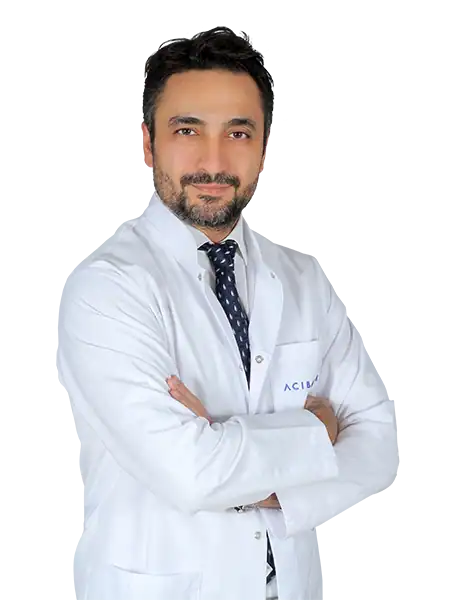
Assoc. Prof. Dr. Mehmet Altıparmak
Aesthetic Plastic & Reconstructive Surgery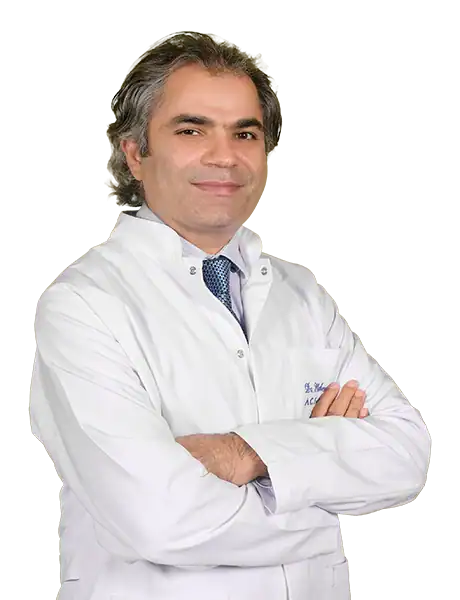
Assoc. Prof. Dr. Mehmet Sağır
Aesthetic Plastic & Reconstructive Surgery
Asst. Prof. Dr. Berkhan Yılmaz
Aesthetic Plastic & Reconstructive Surgery
Dr. Ayşe İrem İskenderoğlu
Aesthetic Plastic & Reconstructive Surgery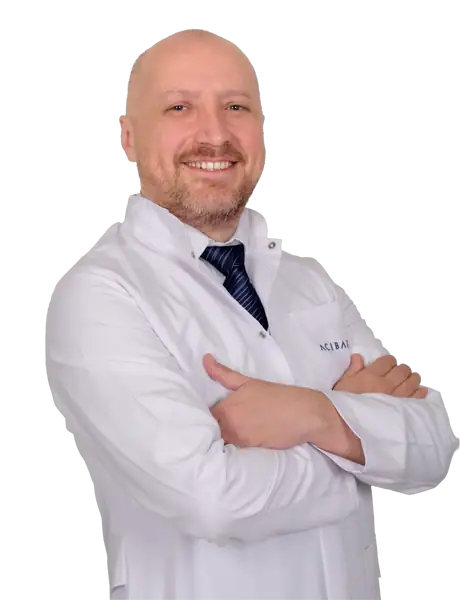
Dr. Şenol Durukan
Aesthetic Plastic & Reconstructive Surgery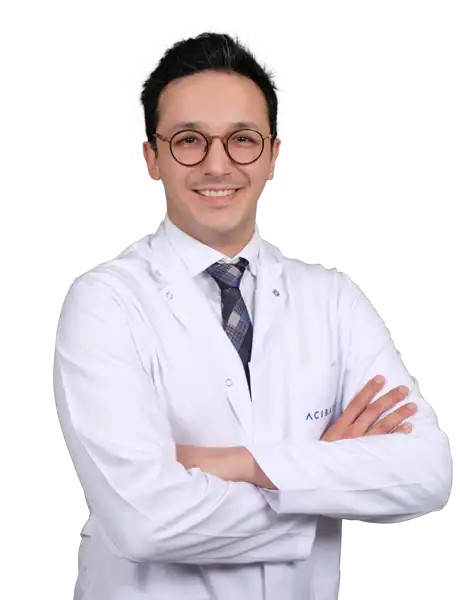
Dr. Serkan Tokgönül
Aesthetic Plastic & Reconstructive Surgery
Dr. Münür Selçuk Kendir
Aesthetic Plastic & Reconstructive Surgery
Dr. Nargız Ibrahımlı
Aesthetic Plastic & Reconstructive Surgery
Dr. Okan Acicbe
Aesthetic Plastic & Reconstructive Surgery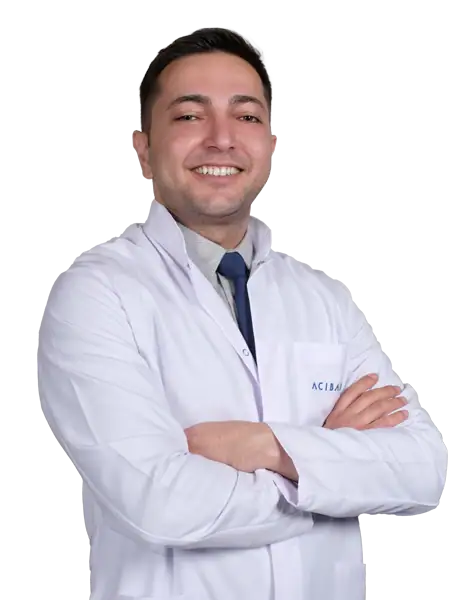
Dr. Turgut Furkan Kuybulu
Aesthetic Plastic & Reconstructive Surgery
Dr. Nuri Soysal
Aesthetic Plastic & Reconstructive Surgery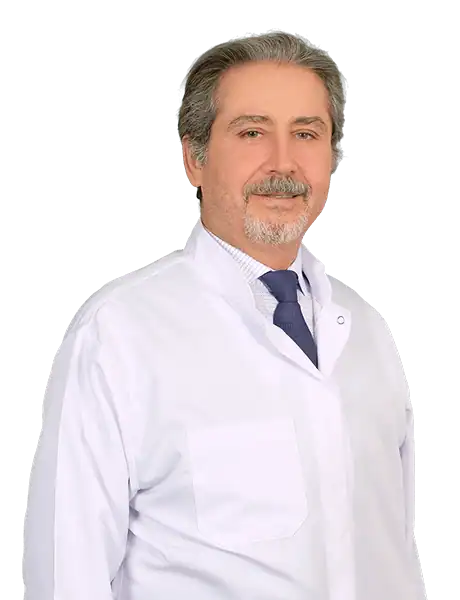
Dr. Nezail Demirciler
Aesthetic Plastic & Reconstructive Surgery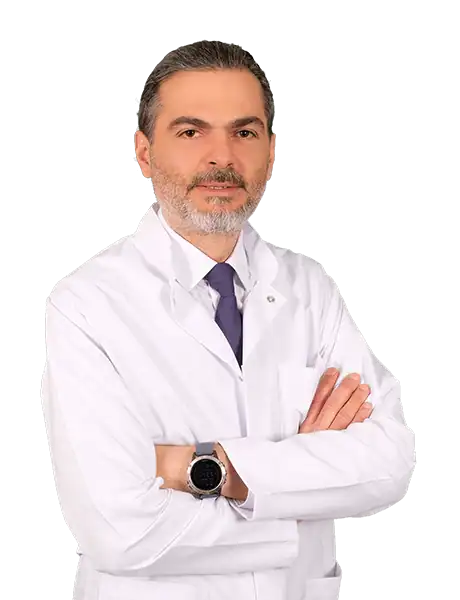
Dr. Mithat Ulay
Aesthetic Plastic & Reconstructive Surgery
Dr. Mahmut Özyılmaz
Aesthetic Plastic & Reconstructive Surgery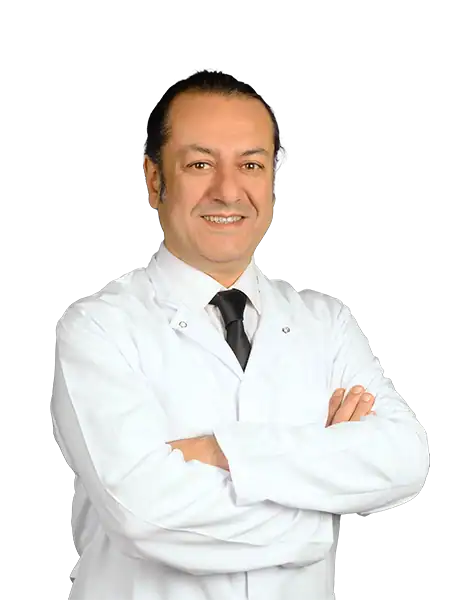
Dr. Umut Özbebit (m)
Aesthetic Plastic & Reconstructive Surgery
Dr. Cem Öz
Aesthetic Plastic & Reconstructive SurgeryMedical Units
Available at These Hospitals