Zygoma Reduction
Zygoma reduction is facial contouring surgery that reduces prominent cheekbones by reshaping the zygomatic bone. It aims to create softer, more balanced facial proportions.

Quick answer
Zygoma reduction is a surgical procedure that reduces the width or projection of prominent cheekbones. Under general anaesthesia, the surgeon makes controlled bone cuts (osteotomies) in the zygomatic bone, usually through incisions inside the mouth, moves the bone inward and fixes it with small plates or screws. Visible swelling settles over weeks, and the final contour emerges gradually over several months as deeper tissues adapt.
Zygoma Reduction: Surgery to Lower Cheekbone Prominence
Zygoma reduction is a surgical procedure that reduces the width or projection of the cheekbones by cutting, repositioning and fixing parts of the zygomatic bone. It narrows the midface, softens an angular contour and is intended for adults whose cheekbones look disproportionately wide from the front or strongly projected from the side. If you have been searching for ways to lower cheekbone prominence, this is the operation that changes the bone itself; everything else — filler in neighbouring areas, fat transfer, make-up — works around the bone rather than on it.
Prominent cheekbones can be a defining feature. For some people they create an elegant structure and a strong profile. For others, especially when the cheekbones spread wide in frontal view or push outward in the three-quarter view, they can make the face look broader, more angular or more severe than the person feels inside. Patients who consider this surgery often spend years thinking about it before seeking a medical opinion. Most are not trying to look like someone else; they want to reduce one specific feature that has shaped how they feel in photographs, in social situations or in the mirror. If you are considering travelling for the operation, you will have extra questions: how safe surgery abroad is, how communication will work, how much recovery time to plan for, and whether the surgeon understands facial aesthetics across different ethnic and cultural backgrounds.
Zygoma reduction demands more than technical bone reshaping. It requires careful assessment of facial width, cheek projection, soft-tissue thickness, jawline balance, dental occlusion and the relationship between the cheekbones and the temples, eyes, nose and lower face. A sound surgical plan respects your natural anatomy and aims for proportion, not an artificial or over-reduced look. Because the cheekbones form part of the midface skeleton, planning belongs in the hands of experienced physicians working from detailed imaging and a clear understanding of facial anatomy. For the right patient, with appropriate planning, the operation can reduce excessive cheekbone width or prominence and create a smoother facial contour. Like any facial bone surgery, the decision deserves unhurried discussion, realistic expectations and a clear picture of what recovery involves.
Cheekbone reduction, zygo shaving and other names for the same operation
Cheekbone reduction, zygo shaving, malar reduction and reduction malarplasty all describe essentially the same family of procedures, and you will see the terms used interchangeably online. You may also come across the reversed phrase cheekbone surgery reduction; it refers to the same operation, just worded differently. Strictly speaking, zygo shaving means burring down the outer surface of the bone, which suits mild prominence, while osteotomy techniques — cutting and repositioning the bone — produce a larger, more controlled change. One point of frequent confusion: zygoma reduction has nothing to do with zygomatic implants, which are long dental implants anchored in the cheekbone to support teeth when the upper jaw lacks bone. The two procedures share an anatomical name and nothing else.
What Is Zygoma Reduction Actually Changing?
Zygoma reduction reshapes the zygomatic bone, which forms the cheek prominence and contributes to the outer contour of the midface. The bone has two parts that matter here: the zygomatic body, which creates forward and outward projection under the outer corner of the eye, and the zygomatic arch, the slender bridge of bone that runs back towards the ear and sets the widest point of the midface. In some people the body is prominent, in others the arch flares, and in many it is both. Which segment dominates determines the surgical approach.
The goal is not simply to make the cheekbones smaller. It is to bring the cheekbone contour into better harmony with the rest of the face. That may mean reducing outward projection, narrowing midface width, softening the transition from cheek to temple, or improving symmetry between the two sides. In most cases the surgeon makes controlled bone cuts, known as osteotomies, then moves the freed cheekbone segment inward and secures it in its new position with small plates or screws designed for facial bone stabilisation. In selected cases a bony prominence is contoured directly instead. The exact method depends on your bone structure, soft-tissue support and the change you are aiming for.
Although zygoma reduction is almost always elective and aesthetic, the planning principles are medical and anatomical. The surgeon must account for nearby nerves, muscles and blood vessels, the orbit around the eye, and the region of the temporomandibular joint. This is why the procedure calls for precise imaging, a detailed consultation and a plan that puts safety and function ahead of maximal change.
High Cheekbones vs Low Cheekbones: What the Terms Actually Mean
High cheekbones sit close beneath the outer corners of the eyes, so the fullest part of the cheek is near the upper midface; low cheekbones have their fullest point further down, closer to the level of the nostrils. Both are normal anatomical variants, not flaws. The distinction matters for surgical planning because a face can look wide for different reasons: a high, flaring arch widens the upper midface, while a heavy zygomatic body pushes the cheek forward. Neither pattern automatically calls for surgery — the question is always whether the proportion troubles you and whether bone is genuinely the cause.
Is it more attractive to have high or low cheekbones?
Neither is objectively more attractive; preferences shift with culture, era and fashion, and what flatters one face can unbalance another. High cheekbones are often praised in Western fashion imagery, yet many people with naturally prominent zygomas seek reduction because the same feature reads as harsh or overly wide on their face. Attractiveness in facial surgery is better understood as internal harmony — how the cheeks relate to your eyes, nose, lips and jawline — than as conformity to a template. A responsible surgeon plans around your proportions rather than around a trend.
What ethnicity has high set cheekbones?
No single ethnicity owns high-set or prominent cheekbones, although population tendencies exist. Prominent zygomatic bodies and wide arches are commonly described in many East Asian and Central Asian populations, and high-set cheek prominences appear frequently in Northern European, Indigenous American and various African facial patterns. The overlap between groups is enormous, and individual variation within any population is far greater than the average difference between populations. This matters clinically: a surgeon assessing you should evaluate your individual skeleton and soft tissue, and should understand how proposed changes sit within your own ethnic and family facial identity rather than measuring you against someone else’s.
How do you lower your cheekbone?
The only way to genuinely lower cheekbone prominence or width is surgery that cuts, moves or reduces the zygomatic bone — no exercise, cream or massage changes where bone sits. Non-surgical approaches can camouflage rather than change: adding volume to the temples, under-eye area or lower cheek can make a prominent zygoma look relatively less dominant, and styling choices can soften the visual impression. It is also worth separating the cheekbone from the soft cheek below it. Bichectomy (cheek reduction) removes buccal fat from the lower cheek and slims the area beneath the cheekbone, but it does not touch the bone; some patients who think they need bone surgery are actually bothered by lower-cheek fullness, and some who request fat removal in fact have a skeletal issue. A proper facial analysis tells the two apart.
Who Is a Candidate for Cheekbone Reduction?
Cheekbone reduction may suit adults who feel their cheekbones are disproportionately wide, prominent or angular compared with the rest of their features. Patients often describe their face as looking too broad in photographs, especially from the front, or too sharp and projected in the three-quarter view. Some feel the midface pulls attention away from the eyes, nose, lips or lower face.
Typical concerns include:
- cheekbones that appear wide in frontal view;
- strong lateral projection near the temples;
- an angular or severe-looking midface;
- uneven cheekbone prominence between the two sides;
- a facial contour that feels more masculine or harder than the patient wants.
In some patients the cheekbones are naturally prominent through genetics. In others, facial volume loss with age or a slim body type makes the underlying bone structure look more pronounced even though the bone itself has not changed. Diagnosis begins with facial analysis: the physician studies your proportions from the front, profile and three-quarter views, and photographs document symmetry, width, projection and soft-tissue coverage. Where clinically appropriate, computed tomography of the facial bones shows the shape, thickness and position of the zygomatic body and arch in three dimensions — information that directly determines where bone cuts and fixation points can safely go.
A good candidate is generally in stable health, has completed facial growth, does not smoke or is prepared to stop before and after surgery, and holds realistic expectations. Zygoma reduction changes bone structure; it does not erase every natural feature, and it does not replace the need for healthy soft-tissue support. Skin elasticity, facial fat distribution and age all influence how the soft tissues settle over the repositioned bone.
Some people who request zygoma reduction are better served by a different or additional procedure. A wide lower face may owe more to jaw angle prominence, masseter muscle bulk or chin proportion than to the cheekbones. A hollow midface can make normal cheekbones look excessive. In such cases the physician may discuss alternatives — facial fat grafting, jaw contouring, chin surgery, buccal fat removal or non-surgical volume correction. The right recommendation comes from reading the whole face, not one isolated feature.
Concerns and Indications Zygoma Reduction Addresses
Zygoma reduction addresses structural prominence of the cheekbone region. It may be appropriate when the zygomatic body or arch contributes to excessive facial width, strong lateral projection, or an imbalance between the midface and the lower face. It is also considered for asymmetry, where one cheekbone visibly outweighs the other.
Common indications include naturally broad cheekbones, protruding zygomatic arches, cheekbone asymmetry, facial width that looks disproportionate to the jawline or chin, and a wish for a softer midface contour. In selected patients the operation forms part of a broader facial contouring plan that also considers the jawline, chin, forehead or nose. When several areas are involved, sequencing matters: one change made in isolation can create imbalance elsewhere, so combined plans need careful coordination.
The procedure is not right for everyone who wants a slimmer face. If facial fullness comes mainly from soft tissue, fat distribution, swelling or muscle bulk, reducing bone will not solve the problem. Patients with significant skin laxity need a plan that accounts for tissue support, because shrinking the bony framework beneath loose skin can make that looseness more visible. Zygoma reduction is also not a substitute for weight loss, skin tightening or the treatment of medical conditions that cause facial swelling. Part of an honest consultation is establishing whether the cheekbone truly drives your concern and whether surgery can reasonably deliver the improvement you have in mind.
How Cheekbone Reduction Surgery Is Performed
Cheekbone reduction surgery follows a defined pathway from consultation through imaging, the operation itself and structured follow-up. Understanding each stage helps you judge whether a proposed plan is thorough.
Consultation and planning
The surgeon reviews your medical history, previous facial procedures, allergies, smoking status and goals, and the team reviews your current medications so that any adjustments are decided by your treating doctors. Photographs and facial measurements document your baseline anatomy, and three-dimensional imaging maps the cheekbone and arch where needed. Blood tests and an anaesthesia evaluation are arranged before surgery. You will receive individual instructions covering preparation, fasting and smoking cessation. Patients travelling from abroad are usually advised to allow enough time near the hospital for the preoperative consultation, the operation, early recovery and at least one follow-up review before flying home; the exact timeline depends on the extent of surgery and the physician’s advice.
Anaesthesia and surgical access
Zygoma reduction is usually performed under general anaesthesia, so you are asleep while the surgeon works on the facial bones with precision. Access may be through incisions inside the mouth, through small incisions near the sideburn or hairline, or through a combination, depending on the technique. Intraoral incisions avoid visible scars in many cases, while small external access points are sometimes needed for certain arch reductions or fixation steps. Ask your surgeon to show you exactly where each incision will sit and how it typically heals.
What happens during the operation
Although every plan is customised, most osteotomy-based zygoma reductions follow a recognisable sequence:
- The surgeon exposes the relevant part of the zygomatic bone through the planned incisions.
- Controlled osteotomies free the cheekbone segment — typically a cut through the zygomatic body at the front and a second cut in the arch towards the ear.
- The freed segment is repositioned, usually inward and sometimes slightly downward or in another direction set by the plan, narrowing the midface.
- The arch is adjusted where side projection is the main concern.
- Small plates or screws stabilise the bone in its new position while it heals.
- Both sides are compared for symmetry before closure, and the incisions are closed in layers.
In milder cases the surgeon may contour a bony prominence directly rather than perform full osteotomies. Where asymmetry or complex anatomy is present, computer-assisted planning or surgical guides may be considered. Instruments designed specifically for facial bone work allow controlled reshaping, and fixation systems hold the new position during healing. The technology supports, but never replaces, surgical judgement.
How long does zygoma reduction take?
Many zygoma reduction procedures take several hours from anaesthesia to closure, though the duration varies with the complexity of the case, whether one or both cheekbones are treated, and whether other procedures are combined in the same session. The length of the operation is a poor measure of quality either way; thoroughness of planning, safe execution and proper recovery monitoring matter far more than the clock.
The first hours and days after surgery
After the operation you are moved to a recovery area where nurses and physicians monitor vital signs, comfort, swelling and early healing. Some patients stay in hospital overnight; others need a longer observation period depending on the scope of surgery and individual medical factors. Swelling and bruising are expected, particularly in the first week, and the midface may feel tight, numb or tender. Temporary difficulty opening the mouth can occur, especially when the arch and nearby muscles were involved. You will usually be advised to eat a soft diet for a period, maintain careful oral hygiene if intraoral incisions were used, avoid pressure on the cheeks, sleep with your head elevated and avoid strenuous activity. Discomfort is managed with prescribed medication, and your surgeon may recommend antibiotics or mouth rinses where intraoral incisions are present. Follow-up visits allow the team to check incision healing, swelling, bite function and facial movement.
Is Zygoma Reduction Dangerous?
Zygoma reduction is major facial bone surgery, and it carries real risks that deserve plain acknowledgement — it is not a minor cosmetic tweak, but neither is it reckless when properly planned and performed by an experienced team in a properly equipped hospital. The honest answer sits between the alarmist and the dismissive. Recognised risks include:
- swelling, bruising and temporary tightness of the midface;
- temporary numbness in the cheek or upper lip while sensory nerves recover;
- restricted mouth opening in the early weeks;
- bleeding, haematoma or infection;
- asymmetry, over-correction or under-correction;
- soft-tissue descent (cheek drooping) if the tissues do not adapt well to the smaller bony frame;
- delayed bone healing or, rarely, nonunion of the repositioned segment;
- irritation from fixation hardware, occasionally requiring later removal;
- the possibility of revision surgery;
- the general risks of any operation under general anaesthesia.
What lowers these risks is not luck but process: three-dimensional imaging before any bone cut, a surgeon experienced in midface skeletal work, anaesthesia and nursing infrastructure equipped for facial surgery, and your own adherence to aftercare — protecting the cheeks from pressure and trauma, keeping incisions clean and not smoking. Expertise in this area sits at the junction of oral and maxillofacial surgery and plastic, reconstructive and aesthetic surgery, and complex cases benefit from input from both.
Recovery After Zygoma Reduction
Recovery varies by patient and technique, but the pattern is broadly predictable: dramatic early swelling, steady improvement over the first month, and a slow reveal of the final contour over several months as deeper swelling resolves and soft tissue settles onto the new bone position.
| Time Period | What You Can Expect |
|---|---|
| Day 1 | Monitoring after anaesthesia; facial swelling, tightness and mild to moderate discomfort are expected. A soft or liquid diet begins as advised. |
| First week | Swelling and bruising are usually at their most noticeable. Mouth opening may feel limited. Oral hygiene, head elevation and activity restrictions matter most now. |
| First month | Visible swelling gradually improves. Many patients resume light daily activities, though strenuous exercise and pressure on the face remain restricted. |
| Three to six months | Deeper swelling continues to settle and the contour becomes more refined. Numbness or tightness, where present, usually improves gradually. |
| Longer term | The cheekbone position is expected to remain stable after bone healing, while skin, fat and soft tissue continue to change naturally with age. |
Two recovery points catch patients out. First, the face you see at two weeks is not the result; residual swelling can hold the cheeks wider than their final position for months, and judging the outcome early leads to unnecessary anxiety. Second, if your goal was to lower cheekbone width in frontal view, the change often becomes convincing only once the deeper swelling over the arch has fully resolved. Patience is part of the treatment.
If you are travelling internationally for surgery, your team will tell you when it is appropriate to fly, how to manage swelling during the journey and how follow-up will be handled once you are home. Long flights after any operation deserve their own preparation — moving regularly during the flight, staying well hydrated and following your team’s specific advice on when it is safe to travel all reduce the strain of the journey on a healing body.
Why Timing and Preparation Matter
Zygoma reduction is elective, so “early” does not mean urgent in the way it might for a serious medical condition. Even so, a timely professional evaluation has real value. People who have quietly worried about prominent cheekbones for years often benefit simply from learning whether the issue is genuinely skeletal, whether surgery is appropriate and what alternatives exist. That grounding can prevent unnecessary procedures and replace years of speculation with a clear, informed decision — even if the decision is not to operate.
Relying on social media images and facial contouring trends is a poor substitute for assessment. Trends do not account for your anatomy, age, skin quality or ethnic facial proportions, and chasing them is how over-reduced, unnatural results happen. A medical evaluation replaces borrowed reference photos with an analysis of your own face.
Age and soft-tissue quality influence planning. Younger patients with good skin elasticity generally show different soft-tissue adaptation than older patients or those with facial volume loss. That does not make zygoma reduction a young person’s operation, but it does mean timing shapes the plan: waiting many years can increase the likelihood that additional soft-tissue procedures are needed alongside the bone work to achieve a balanced result.
There are practical reasons for early planning too. Surgery has to fit around work, family and, for international patients, travel. Starting the consultation process early leaves time for medical optimisation, smoking cessation, dental assessment where needed and a sensible recovery schedule. Facial bone surgery should never be rushed; acting early means giving yourself enough time to decide well.
What Are the Benefits of Zygoma Reduction?
For well-selected patients, the operation offers a set of specific, structural benefits — none of them guarantees, all of them dependent on sound planning and healing.
| Benefit | What It Means for You |
|---|---|
| Softer cheekbone contour | The midface may appear less angular or less projected, with a gentler transition between cheek, temple and lower face. |
| Reduced facial width | When cheekbone width is the main concern, repositioning the zygomatic arch can make the face look narrower from the front. |
| Improved facial balance | The cheekbones can be brought into better proportion with the eyes, nose, lips, jawline and chin. |
| Correction of asymmetry | In selected cases, differences between the right and left cheekbones can be reduced through tailored bone positioning. |
| Long-lasting structural change | Because the procedure changes bone position, the result is intended to remain stable after healing, while the face continues to age naturally. |
Factors That Shape a Good Result
The quality of a zygoma reduction outcome rests on patient selection, anatomical planning, surgical technique, healing and aftercare. The single most important factor is identifying the true cause of the concern. If the zygomatic bone is the primary contributor to facial width, bone reduction may be appropriate; if the concern owes more to soft tissue, jaw width or midface hollowing, a different treatment will serve you better, and a surgeon willing to say so is worth more than one who simply agrees to operate.
Whole-face proportion comes next. Cheekbones should never be judged in isolation: reducing the midface too aggressively can flatten the face or make other features look suddenly prominent. The plan should read the entire frame — forehead, temples, nose, lips, chin and jawline — and a refined result usually comes from restraint and balance rather than maximum reduction.
Soft-tissue quality determines how the face settles. Patients with thicker soft tissue tend to see a more gradual change as swelling resolves; those with thin skin or low facial fat notice contour changes sooner but are also more sensitive to small irregularities. Skin elasticity matters because the soft envelope must adapt to a smaller bony framework, and in some patients supporting procedures are discussed for exactly this reason.
Bone healing is non-negotiable. The repositioned segment must stay stable while it unites, which is why fixation, avoidance of facial trauma and adherence to postoperative instructions carry so much weight. Do not press on the cheeks, sleep face-down or return early to contact sports or strenuous training. Smoking impairs healing and raises complication risk, which is why stopping before and after surgery is often a condition of proceeding.
Surgeon experience shapes both plan and execution. The operation runs close to important nerves and muscles, and millimetres of bone position translate into visible differences. Experience is what calibrates how much reduction is enough, how symmetry is maintained and how an over-operated look is avoided. Finally, realistic expectations protect you: zygoma reduction can soften width and projection, but it does not create perfection and it does not stop ageing, and the final result stays hidden behind swelling for weeks to months. Patients who understand that timeline cope far better with the middle phase of recovery.
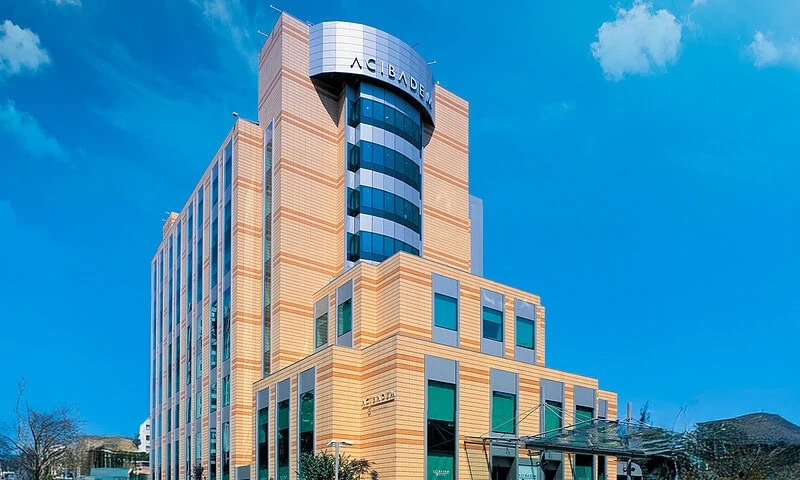
Cheek Surgery at Acibadem
Cheek surgery that changes bone depends on more than the surgeon’s hands: it relies on anaesthesia care, imaging quality, nursing support and clear communication before and after the operation. At Acibadem, zygoma reduction is approached within a structured hospital environment in which preoperative evaluation, anaesthesia planning, infection prevention, medication management, recovery monitoring and discharge instructions are all part of a defined clinical pathway rather than afterthoughts to the procedure itself.
Facial contouring cases are planned by experienced physicians who weigh aesthetic goals against anatomical realities, and patients whose cases call for it can receive multidisciplinary input — plastic and reconstructive surgery, maxillofacial expertise, anaesthesia, radiology and dental evaluation where relevant. This collaborative approach matters most for patients with facial asymmetry, previous surgery, bite concerns or combined contouring goals. High-resolution imaging and digital analysis support individualised planning by clarifying the three-dimensional relationship between the cheekbones and the rest of the face; the purpose of the technology is to sharpen planning, precision and communication, not to substitute for surgical judgement.
International patients typically need practical support alongside the medical pathway. Acibadem International assists with scheduling, medical record transfer, airport and hospital coordination, accommodation guidance, interpreter support and follow-up planning. In aesthetic surgery, precise communication carries clinical weight: your goals must be understood accurately before the operation, and postoperative instructions must be understood well enough to follow closely afterwards. Consultations also address limits openly — some patients need modest contouring, some need more complex arch repositioning, some are better served by combining procedures, and some are advised against surgery altogether. A responsible plan always includes a frank discussion of benefits, limitations, risks, scars, recovery time and the expected pace of swelling resolution.
Making the Decision
Zygoma reduction can be a meaningful option if prominent cheekbones make your face look wider, more angular or less balanced than you want. Good results begin with accurate diagnosis: establishing whether bone is truly the cause, how much change is appropriate for your proportions and how your soft tissues are likely to respond. Whoever you consult, certain questions separate a thorough plan from a superficial one:
- How much of my facial width comes from bone rather than soft tissue, and how was that assessed?
- Will the zygomatic body, the arch or both be addressed — and why?
- Where will the incisions sit, and how will symmetry be checked during surgery?
- What would you decline to do in my case, and what alternatives did you consider?
- How long should I stay near the hospital, and how will follow-up work once I am home?
A surgeon who answers these plainly, shows you your own imaging and explains the limits as clearly as the possibilities is giving you what the decision actually requires. Facial contouring is personal and permanent, and it should never feel rushed. With careful evaluation, honest communication and a plan built around your own features rather than a borrowed ideal, you can reach a decision that is informed, balanced and consistent with your long-term wellbeing.
Preparation
- Before zygoma reduction, the surgeon evaluates facial bone structure, symmetry, medical history, and expectations. Imaging may be requested to plan safe bone reshaping. Patients are usually advised to stop smoking and avoid blood-thinning medicines or supplements before surgery, as directed by the medical team.
Aftercare
- After surgery, swelling, bruising, and facial tightness are common and gradually improve. Patients may need a soft diet, head elevation, cold compresses, and prescribed medicines in the early recovery period. Follow-up visits help monitor healing, while strenuous activity should be avoided until cleared by the surgeon.
Turkey vs UK, Germany & USA
Zygoma reduction cost and experience can vary by country, hospital setting, surgeon expertise and the complexity of facial bone reshaping required. The comparison below is general information and a specialist assessment is needed for a personalised plan.
Zygoma reduction is usually planned as an elective facial contouring procedure, so international patients often compare not only surgical fees but also hospital quality, travel logistics and aftercare support.
| Factor | Turkey | UK | Germany | USA |
|---|---|---|---|---|
| Cost structure | Often offered through international patient packages with hospital, surgeon and coordination services grouped together. | Usually private self-pay for cosmetic indications, with separate consultation, facility and anaesthesia elements. | Typically private and itemised, with costs influenced by clinic type and surgical planning needs. | Usually private and itemised, with strong variation by city, facility and surgeon profile. |
| Hospital and accreditation factors | Major hospitals may combine facial surgery teams, advanced imaging and international accreditation such as JCI. | Care may be delivered in private hospitals or specialist clinics with national quality regulation. | Care may be provided in private hospitals or specialist maxillofacial and plastic surgery centres. | Care may range from accredited ambulatory centres to large hospitals, with facility choice affecting cost. |
| Surgeon factors | Cost is influenced by experience in facial bone contouring, approach used and revision complexity. | Cost is influenced by consultant experience, private practice setting and need for multidisciplinary input. | Cost is influenced by specialist training, imaging protocols and operative technique. | Cost is influenced by surgeon reputation, subspecialty focus and geographic market. |
| Waiting time and scheduling | International patient departments may help coordinate consultation, imaging, surgery and follow-up around travel plans. | Private scheduling may be available, while cosmetic surgery is generally not a routine public pathway. | Scheduling depends on specialist availability and preoperative assessment requirements. | Scheduling can vary widely by surgeon demand, location and facility availability. |
| Travel and language logistics | Packages may include interpreter support, airport transfers, accommodation guidance and remote follow-up coordination. | Travel logistics are simpler for local patients, but international visitors may need to arrange accommodation and follow-up separately. | International patients may need translation support and clear coordination for imaging, consent and aftercare. | International patients should plan for travel distance, accommodation, local support and postoperative check-ups. |
| Typical inclusions | May include preoperative tests, imaging review, surgery, hospital stay, anaesthesia, medication guidance and follow-up support. | Inclusions vary and should be confirmed, especially anaesthesia, facility fees, imaging and aftercare visits. | Inclusions vary by clinic and may separate diagnostics, hospital services and follow-up. | Inclusions vary widely, and facility, anaesthesia, implants or fixation materials and aftercare may be billed separately. |
What affects your final cost
- Degree of cheekbone prominence and amount of reshaping required.
- Whether bone shaving, osteotomy, inward repositioning or combined contouring is planned.
- Need for advanced imaging, facial analysis and surgical simulation.
- Surgeon experience in zygoma reduction and complex facial contouring.
- Hospital accreditation, operating room standards and anaesthesia team.
- Length of hospital observation and postoperative follow-up needs.
- Whether the procedure is combined with jawline, chin, facelift or soft tissue procedures.
- Travel, accommodation, interpreter support and international patient coordination.
Compare your options
Zygoma reduction can be performed with different surgical strategies depending on facial anatomy, bone thickness, soft tissue support and aesthetic goals. Suitability is decided by a specialist after examination and imaging review.
| Option | What it is | Typical use | Key considerations |
|---|---|---|---|
| Zygomatic bone shaving or burring | The outer cheekbone contour is reduced by carefully smoothing or shaving prominent bone. | Mild contour refinement when the main concern is surface prominence rather than cheek width. | Limited change compared with osteotomy; over-reduction must be avoided to preserve facial harmony. |
| Zygoma reduction osteotomy | The zygomatic bone is cut and repositioned inward to reduce cheekbone width or projection. | More prominent cheekbones or wider midface contour requiring structural repositioning. | Requires precise planning, fixation when indicated and careful protection of nerves and soft tissues. |
| Lateral cheekbone reduction | Focuses on reducing side projection of the cheekbone arch to soften facial width from the front view. | Patients whose main concern is a wide or angular midface appearance. | Balance with jawline, temple area and soft tissue support is important for a natural result. |
| Combined facial contouring | Zygoma reduction is planned with other procedures such as jawline, chin or soft tissue lifting procedures. | Cases where overall facial proportion requires more than isolated cheekbone reduction. | Longer operative planning and recovery may be needed; combined surgery affects total cost and risk profile. |
| Non-surgical camouflage | Dermal filler or other aesthetic treatments are used to improve perceived balance without reducing bone. | Selected patients who want subtle contour balance or are not ready for surgery. | Does not reduce cheekbone size; effects are temporary and may not be suitable for prominent bony anatomy. |
General information only — not medical or financial advice. Final costs depend on the factors above and your individual case; request a free, personalised quote.
Frequently Asked Questions
What affects the cost of zygoma reduction?
Cost depends on the surgical technique, complexity of bone reshaping, imaging needs, anaesthesia, hospital setting, surgeon experience, length of stay and whether other facial contouring procedures are combined. A specialist consultation is needed to define the plan.
How can I get a personalised quote from Acibadem?
You can request a free consultation and share photos, medical history and any previous imaging if available. The medical team can then advise whether zygoma reduction may be suitable and provide a personalised treatment and cost estimate.
Does a package usually include everything I need?
Packages may include consultation coordination, preoperative tests, surgery, anaesthesia, hospital services and follow-up support, but inclusions should always be confirmed in writing. Travel, accommodation and additional treatments may be handled separately depending on the plan.
Why can quotes differ between patients?
Every face has different bone structure, asymmetry, soft tissue support and aesthetic goals. A patient needing limited contour refinement may have a different plan from someone requiring structural osteotomy, fixation or combined facial procedures.
Is zygoma reduction covered by insurance?
Zygoma reduction for aesthetic facial contouring is commonly considered elective, so insurance coverage may be limited. Coverage rules vary by insurer and country, and patients should confirm directly with their provider.
Is the lowest quote the best choice?
Not always. Patients should consider surgeon experience in facial bone surgery, hospital accreditation, anaesthesia safety, imaging quality, aftercare access and clear communication. This information is general and not a substitute for medical or financial advice.
Medically reviewed by the Acıbadem International Medical Board — September 1, 2026
See our medical review board →
Update history
- PublishedJune 8, 2026
- Medical review approvedSeptember 1, 2026
- Last content updateSeptember 1, 2026
References1
- Zygoma reduction – search results — pubmed.ncbi.nlm.nih.gov
Trusted care for international patients
Doctors Performing This Treatment

Prof. Dr. Hakan Ağır
Aesthetic Plastic & Reconstructive Surgery
Prof. Dr. Şükrü Yazar
Aesthetic Plastic & Reconstructive Surgery
Prof. Dr. Mehmet Veli Karaaltın
Aesthetic Plastic & Reconstructive Surgery
Prof. Dr. Bülent Saçak
Aesthetic Plastic & Reconstructive Surgery
Prof. Dr. Ersin Ülkür
Aesthetic Plastic & Reconstructive Surgery
Prof. Dr. Çiğdem Ünal Gülmeden
Aesthetic Plastic & Reconstructive Surgery
Assoc. Prof. Dr. Erdem Güven
Aesthetic Plastic & Reconstructive Surgery
Assoc. Prof. Dr. Ahmet Küçükçelebi
Aesthetic Plastic & Reconstructive Surgery
Assoc. Prof. Dr. Mehmet Altıparmak
Aesthetic Plastic & Reconstructive Surgery
Assoc. Prof. Dr. Mehmet Sağır
Aesthetic Plastic & Reconstructive Surgery
Asst. Prof. Dr. Berkhan Yılmaz
Aesthetic Plastic & Reconstructive Surgery
Dr. Ayşe İrem İskenderoğlu
Aesthetic Plastic & Reconstructive Surgery
Dr. Şenol Durukan
Aesthetic Plastic & Reconstructive Surgery
Dr. Serkan Tokgönül
Aesthetic Plastic & Reconstructive Surgery
Dr. Münür Selçuk Kendir
Aesthetic Plastic & Reconstructive Surgery
Dr. Nargız Ibrahımlı
Aesthetic Plastic & Reconstructive Surgery
Dr. Okan Acicbe
Aesthetic Plastic & Reconstructive Surgery
Dr. Turgut Furkan Kuybulu
Aesthetic Plastic & Reconstructive Surgery
Dr. Nuri Soysal
Aesthetic Plastic & Reconstructive Surgery
Dr. Nezail Demirciler
Aesthetic Plastic & Reconstructive Surgery
Dr. Mithat Ulay
Aesthetic Plastic & Reconstructive Surgery
Dr. Mahmut Özyılmaz
Aesthetic Plastic & Reconstructive Surgery
Dr. Umut Özbebit (m)
Aesthetic Plastic & Reconstructive Surgery
Dr. Cem Öz
Aesthetic Plastic & Reconstructive SurgeryMedical Units
Available at These Hospitals