Chemotherapy for Lymphoma: How It Works, Results and What to Expect
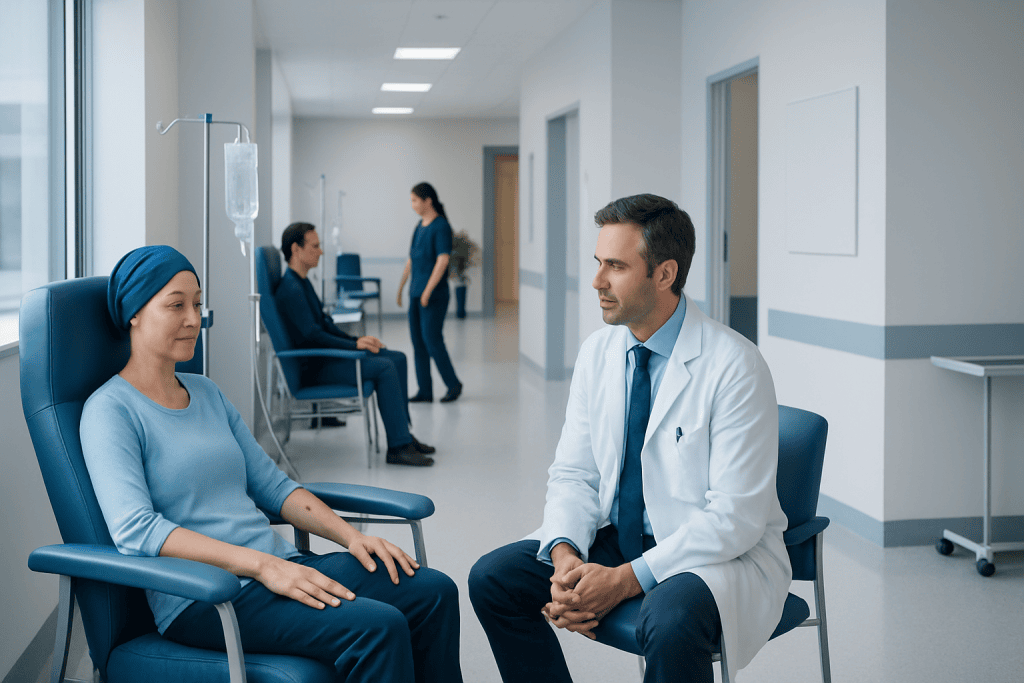
Chemotherapy is commonly used for Hodgkin lymphoma and many non-Hodgkin lymphomas, often alongside immunotherapy, targeted treatment, radiation therapy, or stem cell transplant. Treatment is delivered in cycles, with rest periods that allow normal tissues and blood counts to recover.
Key Takeaways
- Chemotherapy is commonly used for Hodgkin lymphoma and many non-Hodgkin lymphomas, often alongside immunotherapy, targeted treatment, radiation therapy, or stem cell transplant.
- Treatment is delivered in cycles, with rest periods that allow normal tissues and blood counts to recover.
- The number of chemotherapy rounds varies widely; many initial treatment plans involve several cycles over months.
- Response is assessed through symptoms, physical examinations, blood tests, and imaging rather than how a person feels alone.
- Side effects are usually manageable with supportive care, but fever or signs of infection during treatment require urgent medical advice.
Chemotherapy for lymphoma uses medicines that circulate through the bloodstream to destroy or control lymphoma cells. The medicines, number of cycles, and expected results depend on the lymphoma subtype, stage, overall health, and whether treatment is being given for the first time or after a relapse.
Overview: chemotherapy for lymphoma
Chemotherapy for lymphoma is a systemic treatment, meaning the medicines travel through the bloodstream to reach lymphoma cells in lymph nodes, blood, bone marrow, and other parts of the body. It may be used to cure some lymphomas, achieve a long-lasting remission, reduce symptoms, or control lymphoma that has returned after earlier treatment.
Lymphoma is not one disease. Hodgkin lymphoma and non-Hodgkin lymphoma include many subtypes that behave differently and respond to different treatments. Some slow-growing lymphomas may be monitored before treatment is needed, while faster-growing lymphomas usually require treatment promptly. For this reason, a chemotherapy plan is always individualized after careful diagnosis and staging.
Modern lymphoma care often combines chemotherapy with antibody-based immunotherapy or other targeted medicines. Radiation therapy, stem cell transplantation, cellular therapy, or active monitoring may also have a role in selected situations. The aim is to use effective treatment while protecting quality of life and reducing avoidable side effects.
How chemotherapy works and who may be a candidate
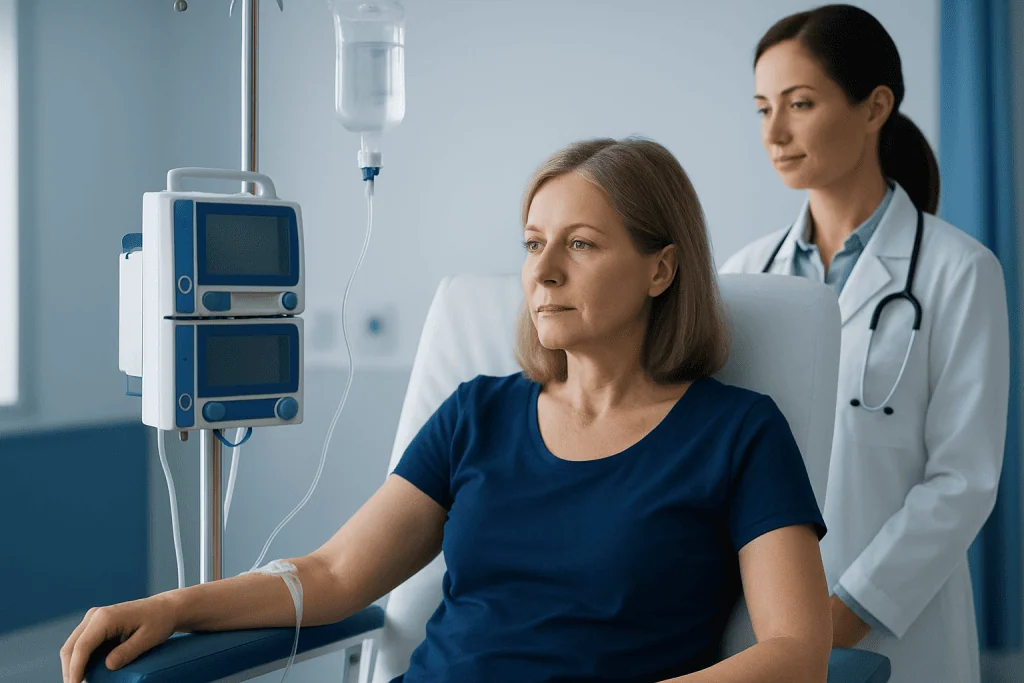
Chemotherapy medicines interfere with cell growth and division. Because lymphoma cells often divide more rapidly than many normal cells, they can be particularly sensitive to these medicines. However, chemotherapy can also affect healthy fast-growing cells in the bone marrow, hair follicles, and digestive tract, which explains many of its temporary side effects.
A hematologist-oncologist considers the precise lymphoma type, biopsy findings, stage, symptoms, blood tests, age, daily functioning, heart, kidney, and liver health, and prior treatments. The doctor also considers whether lymphoma is localized or widespread, whether it is causing organ problems, and whether it has features linked with a higher risk of relapse.
Chemotherapy may be the main treatment for aggressive lymphoma, part of combined treatment for Hodgkin lymphoma, or an option for symptomatic indolent lymphoma. In some cases, immunotherapy is combined with chemotherapy because the two approaches work in different ways. The treatment team explains the expected purpose of treatment before it begins: cure, remission, disease control, or symptom relief.
Before treatment, patients may have blood tests, heart-function testing, infection screening, fertility discussions, and imaging scans. Some people may wish to discuss sperm, egg, or embryo preservation before treatment, because certain chemotherapy medicines can affect fertility.
What happens during chemotherapy treatment
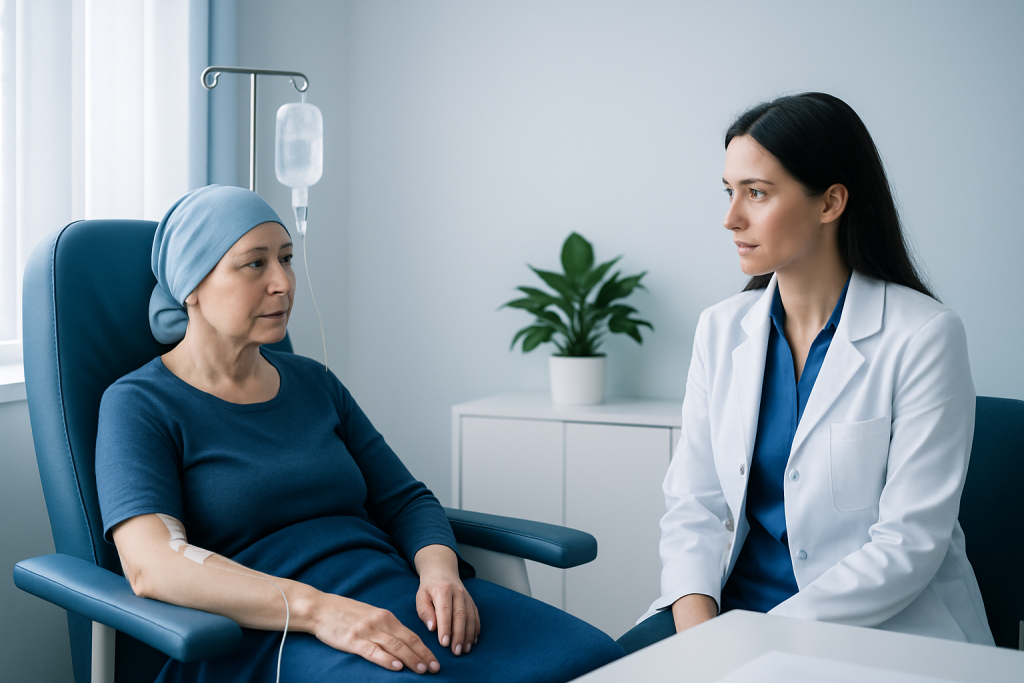
Chemotherapy is usually given in planned cycles. A cycle includes treatment days followed by a recovery period. Medicines may be administered through a vein at an infusion center, taken by mouth, injected under the skin, or given by another route depending on the regimen. Some patients have a temporary or implanted central venous access device when repeated intravenous treatment is expected.
At each visit, the care team generally reviews symptoms, checks vital signs, and performs blood tests when needed. Medicines to help prevent nausea, allergic-type infusion reactions, or infection may be given before or alongside chemotherapy. The infusion itself is not usually painful beyond the brief needle insertion or access of an existing line, although some medicines can cause temporary discomfort if they irritate a vein.
Treatment days can last from a short clinic visit to several hours, depending on the medicines used and whether observation is needed. Patients are usually able to go home the same day. A relative or friend may be helpful for the first treatment, particularly if pre-treatment medicines can cause sleepiness.
It is useful to bring a current medication list, drink fluids if the team has not advised otherwise, and report new symptoms before treatment starts. The oncology team should be told about supplements, herbal products, vaccinations, dental work, and any new prescription medicine, as these may affect care.
How many rounds of chemo is normal for lymphoma?
There is no single normal number of chemotherapy rounds for lymphoma. Many first-line plans involve several cycles, often given every two to four weeks, but the exact number depends on lymphoma subtype, stage, risk features, response to treatment, and whether radiation therapy or another treatment is also planned.
For some early-stage lymphomas, a shorter course of systemic treatment followed by radiation may be appropriate. More advanced or aggressive lymphomas may require a longer series of cycles. People with relapsed lymphoma may receive a different regimen, sometimes as preparation for stem cell transplantation or another advanced treatment approach.
When asking, “chemo for lymphoma: how many treatments?” it is important to distinguish between an individual infusion visit and a full cycle. A cycle may contain one treatment day or several treatment days. The oncologist can provide a written schedule and explain which appointments are treatment visits, blood-test checks, and follow-up reviews.
Changes to a plan do not automatically mean treatment is failing. Cycles may occasionally be delayed or doses adjusted to allow blood counts or other side effects to recover safely. These decisions are made carefully to balance treatment effectiveness with safety.
How quickly does chemo work on lymphoma?
How quickly lymphoma responds to chemotherapy varies. Some people notice reduced swelling, improved energy, less night sweating, or fewer lymphoma-related symptoms within the first few weeks. For others, changes are less noticeable, especially when lymphoma did not cause obvious symptoms before treatment.
Rapidly growing lymphomas can sometimes shrink quickly because their cells are actively dividing, but response should not be judged only by symptoms or by feeling better after one infusion. Some side effects of treatment can temporarily affect energy, appetite, sleep, and mood even when the lymphoma is responding well.
The medical team usually evaluates response at planned points during or after treatment using physical examinations, blood tests, and imaging such as CT or PET-CT scans. In certain lymphoma types, PET results are interpreted using standardized approaches that help the team distinguish active lymphoma from treatment-related inflammation or scar tissue.
When considering how quickly lymphoma responds to chemo, the most reliable answer comes from the planned reassessment schedule. Patients should ask when their next response scan is expected and what results would lead the team to continue, adapt, or change the treatment plan.
How do you know if chemo is working for lymphoma?
Doctors assess whether chemotherapy is working by combining several types of information. These may include a decrease in enlarged lymph nodes on examination, improvement in lymphoma-related symptoms, stable or improved blood test results, and imaging findings that show lymphoma has shrunk or is no longer metabolically active.
Some symptoms may improve early, such as fever, night sweats, itching, pain from enlarged nodes, or shortness of breath caused by pressure from enlarged lymph nodes. However, symptom improvement alone cannot confirm remission. Conversely, tiredness or nausea during treatment usually reflects treatment effects rather than proof that lymphoma is progressing.
Imaging is often performed after a defined number of cycles or at the end of treatment. The timing depends on the lymphoma subtype and regimen. In some cases, doctors may repeat a biopsy or use additional laboratory testing if scan findings are unclear or if the lymphoma has unusual features.
Patients can support accurate assessment by attending scheduled blood tests and scans, reporting new or persistent symptoms, and sharing any difficulties with treatment. If a regimen is not producing the expected response, there are often other options to discuss, including different systemic therapies, radiation, transplantation, or clinical trials where appropriate.
Benefits, side effects, and recovery timeline
The main benefit of chemotherapy is its ability to treat lymphoma throughout the body. For many lymphoma types, it is an important part of treatment that can lead to remission or cure. Combination regimens are selected because they may target lymphoma cells in complementary ways and reduce the chance that resistant cells survive.
Possible side effects include fatigue, nausea, appetite changes, mouth soreness, constipation or diarrhea, hair thinning or loss, numbness or tingling in the hands and feet, and lowered blood cell counts. Low white blood cells can increase infection risk; low red blood cells may contribute to tiredness or breathlessness; and low platelets can increase bruising or bleeding. Not everyone experiences every side effect, and many can be prevented or relieved.
Recovery follows an individual pattern. Some effects occur in the days after each cycle and improve before the next one, while fatigue may build gradually across treatment. Blood counts are monitored because they often fall and recover at predictable points within a cycle. After the last cycle, many people regain strength over weeks to months, although hair regrowth, nerve symptoms, menstrual changes, and emotional recovery can take longer.
Supportive care can include anti-nausea medicines, treatments that support white blood cell recovery when appropriate, nutrition advice, exercise guidance, pain management, and emotional support. Rest is important, but gentle activity within a person’s abilities can help maintain strength and reduce fatigue for many patients.
- Ask the team which symptoms can be managed at home and which require same-day contact.
- Use careful hand hygiene and avoid close contact with people who are unwell when blood counts are low.
- Eat regular, safe meals and drink adequate fluids unless a clinician has advised fluid restriction.
- Do not start vitamins, supplements, or herbal remedies without oncology-team approval.
How painful is chemotherapy for lymphoma? When to seek medical care
Chemotherapy for lymphoma is not usually painful while it is entering the bloodstream. There may be a brief sting from a blood draw, intravenous cannula, or port access. Some people experience temporary discomfort, warmth, or irritation around the vein during an infusion, and they should tell the nurse immediately so it can be checked and treated.
Some side effects can be uncomfortable, including mouth sores, nerve pain, muscle aches, abdominal discomfort, or bone pain related to medicines used to support blood cell recovery. The care team can often offer practical measures and medicines to reduce these symptoms. A person should not feel they need to tolerate significant pain without asking for help.
Patients should contact their oncology team urgently for a fever or chills, new shortness of breath, chest pain, confusion, uncontrolled vomiting or diarrhea, unusual bleeding, a rapidly worsening rash, severe weakness, or redness, swelling, pain, or leakage near an intravenous line or port. Because chemotherapy can reduce infection-fighting white blood cells, fever during treatment needs prompt assessment even when it seems mild.
Anyone with new enlarged lymph nodes, unexplained persistent fever, drenching night sweats, unintended weight loss, or ongoing fatigue should arrange medical evaluation. Acibadem International’s multidisciplinary specialists and JCI-accredited hospitals diagnose and treat lymphoma for international patients, with care plans tailored to the individual diagnosis and treatment needs.
Frequently asked questions
Is chemotherapy always needed for lymphoma?
No. The need for chemotherapy depends on the type, stage, symptoms, rate of growth, and overall treatment goal. Some slow-growing lymphomas can be monitored initially, while others may be treated with immunotherapy, targeted therapy, radiation, or a combination of approaches.
How long does lymphoma chemotherapy last?
Lymphoma chemotherapy often lasts several months, but the schedule varies substantially between regimens. Treatment is delivered in cycles, and each cycle may include one or more treatment days followed by a recovery period.
Can someone work during chemotherapy for lymphoma?
Some people are able to work full-time or with adjusted hours, while others need more time away from work. Energy levels, infection risk, appointment schedules, and the physical demands of a job all influence what is practical.
What should a person avoid during lymphoma chemotherapy?
Patients should avoid starting supplements or herbal remedies without medical approval and should take steps to reduce exposure to infections when advised by their care team. Food safety, good hand hygiene, and prompt reporting of fever or new symptoms are especially important.
Will hair loss happen with lymphoma chemotherapy?
Hair loss depends on the medicines used. Some regimens cause thinning or loss of scalp and body hair, while others cause little or no hair loss. If it occurs, hair usually begins to grow back after treatment, although texture or color may be temporarily different.
Can chemotherapy cure lymphoma?
Chemotherapy can be curative for many people with certain types of lymphoma, particularly when used as part of an appropriate treatment plan. For other lymphomas, the goal may be a long remission or long-term disease control, and the oncologist can explain the expected outlook for the specific subtype.
References
- National Cancer Institute
- American Cancer Society
- Lymphoma Research Foundation
- National Comprehensive Cancer Network
- Leukemia & Lymphoma Society
This article is for general information only and is not a substitute for professional medical advice. Please consult a qualified doctor about your individual situation.
Chemotherapy in Turkey — costs, top hospitals & a free quote
JCI-accredited · board-certified surgeons · reply within 24h
Add us as a Preferred Source to see more of our trusted health content across Google Search, AI Overviews and Discover.

Medical Oncology Department
Medical treatment of cancer with chemotherapy, immunotherapy and targeted therapies under a multidisciplinary tumor board.
60 specialists in this unitMore from the Health Library



Related Specialists

Dt. Kübra Aycan Tavuz
Oral & Dental Health
Prof. Dr. Beril Akman
Internal Medicine
Prof. Dr. Ufuk Aydınlı
Orthopedic Surgery & Traumatology
Dr. Selim Tansal
Cardiovascular Surgery