Basal Cell Carcinoma Treatment: How It Works, Results and What to Expect
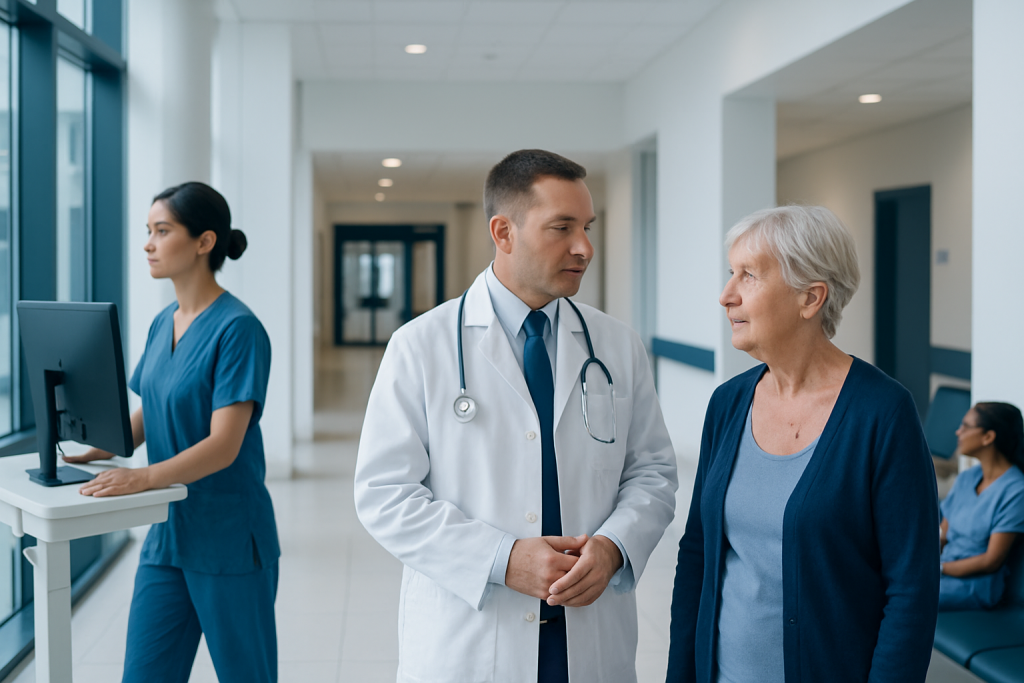
Surgery is the most common basal cell carcinoma treatment, with excision and Mohs surgery often used for suitable tumors. Small, low-risk tumors may sometimes be treated with curettage and electrodessication, cryotherapy, topical medicines or light-based treatment.
Key Takeaways
- Surgery is the most common basal cell carcinoma treatment, with excision and Mohs surgery often used for suitable tumors.
- Small, low-risk tumors may sometimes be treated with curettage and electrodessication, cryotherapy, topical medicines or light-based treatment.
- Mohs surgery examines tissue margins during the procedure and is especially useful for cancers in cosmetically or functionally important areas.
- Recovery varies by treatment, but wound care, sun protection and follow-up skin examinations are important.
- A new, changing, bleeding or non-healing skin lesion should be assessed by a qualified clinician.
Basal cell carcinoma treatment is designed to remove or destroy the cancer while preserving as much healthy skin and function as possible. Most basal cell carcinomas can be treated successfully, but the most suitable approach depends on the tumor’s location, size, subtype, depth and whether it has returned after previous treatment.
Overview: How Basal Cell Carcinoma Treatment Works
Basal cell carcinoma treatment works by removing or destroying cancerous basal cells in the skin. The goal is complete tumor clearance while minimizing damage to healthy tissue, protecting nearby structures and achieving the best possible functional and cosmetic outcome. Basal cell carcinoma rarely spreads to distant parts of the body, but it can grow deeper into surrounding skin and tissue if left untreated.
Care is individualized after a clinician confirms the diagnosis and assesses the lesion. Important considerations include its position on the body, size, visible borders, biopsy subtype, whether it is a first or recurrent cancer, and a person’s general health. Treatment planning may also consider how an approach could affect appearance, eyelid movement, lip function, hearing or other nearby structures.
Many basal cell carcinomas are managed by dermatologists, dermatologic surgeons or plastic and reconstructive surgeons. Lesions that are large, recurrent, locally advanced or located in complex areas may need coordinated input from additional specialists. For background on the disease itself, see basal cell carcinoma.
Who May Need Treatment and How Candidacy Is Decided
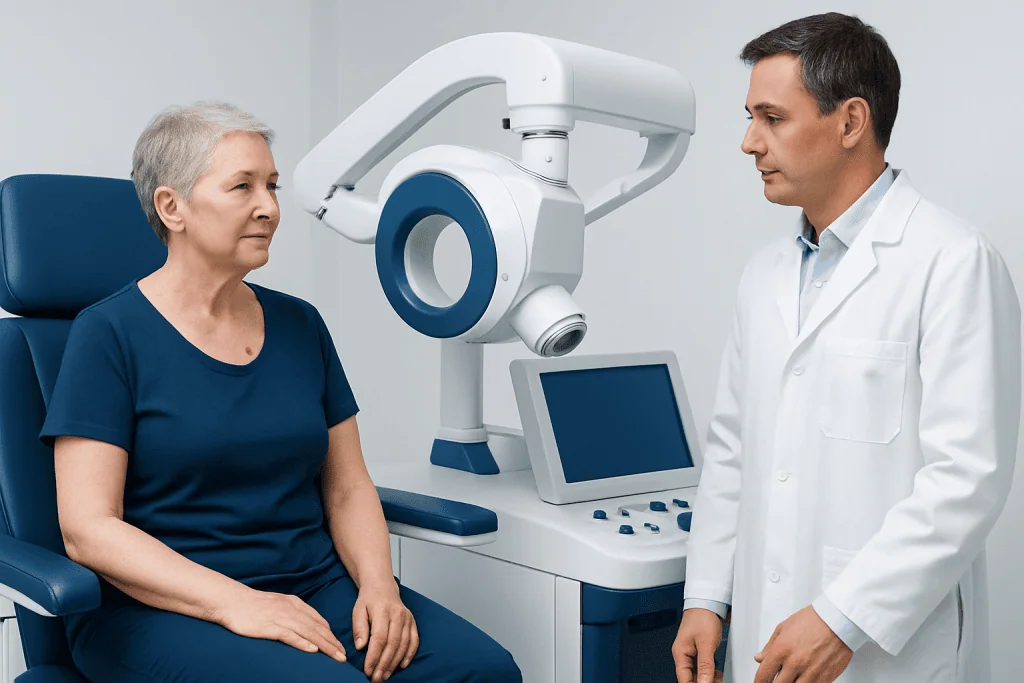
In most cases, a confirmed basal cell carcinoma should be treated rather than watched. A clinician may recommend a particular option based on whether the lesion is considered low risk or high risk for incomplete removal or recurrence. Tumors on the nose, eyelids, ears, lips, scalp, hands, feet and genital area are often treated more carefully because tissue preservation can be especially important in these locations.
Features that may favor margin-controlled surgery include a recurrent tumor, poorly defined edges, a larger lesion, an aggressive biopsy subtype or growth in a high-risk anatomical site. Straightforward, small, well-defined lesions on the trunk or limbs may be suitable for simpler approaches. Older age or other health conditions do not automatically prevent treatment; instead, the care team weighs the likely benefit, healing capacity and the person’s preferences.
A consultation generally includes a review of medical history, medicines and allergies. Blood-thinning medication should not be stopped without advice from the prescribing clinician. People should also tell their clinician about previous skin cancers, immune-suppressing medicines, implanted medical devices and any difficulty healing after prior procedures.
Diagnosis and Treatment Planning
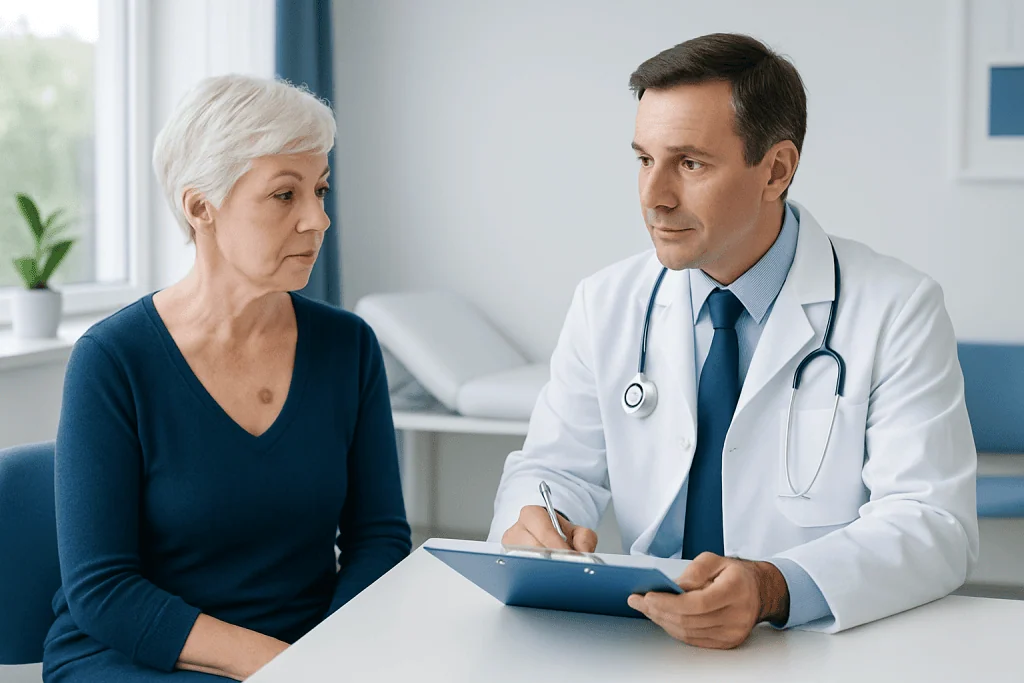
A clinician usually examines the lesion and the surrounding skin using visual inspection and, when appropriate, dermoscopy. Basal cell carcinoma can resemble a pearly or shiny bump, a sore that does not heal, a scaly patch, a scar-like area, or a spot that crusts or bleeds. Because these changes may also occur with other skin conditions, diagnosis is typically confirmed with a biopsy.
During a biopsy, a small sample or the entire small lesion is removed under local anesthetic and examined by a pathologist. The pathology report helps identify the subtype and may inform whether the cancer is likely to have clear borders or a more infiltrative growth pattern. This information supports a tailored treatment discussion.
Before treatment, the clinician explains the expected procedure, wound closure or reconstruction needs, possible scarring, likely recovery and follow-up. Photographs or measurements may be recorded to guide care. For some tumors near the eye, nose or ear, careful planning with reconstructive or other surgical specialists can help preserve normal function.
Main Treatment Options and Their Benefits
Standard surgical excision removes the visible cancer along with a margin of surrounding skin. The specimen is sent to a laboratory to check whether the margins are clear. The wound may be closed with stitches, allowed to heal naturally, or repaired with a skin flap or graft when needed. Excision is commonly used for many primary basal cell carcinomas and provides a tissue sample for pathology.
Mohs micrographic surgery removes the tumor in thin layers, with each layer examined during the visit until no cancer cells are seen at the edges. This method can conserve healthy tissue while providing detailed margin assessment. It is often considered for recurrent cancers and for tumors on areas where sparing tissue is important. Patients can learn more about Mohs surgery as a margin-controlled treatment approach.
Destructive and topical treatments may be appropriate for selected superficial or low-risk lesions. Curettage and electrodessication scrape and treat the tumor bed; cryotherapy freezes abnormal cells. Certain superficial tumors may be treated with prescription topical medicines or photodynamic therapy, which uses a light-sensitive medicine and a specific light source. These options may not provide the same margin confirmation as surgery, so careful selection and follow-up are important.
Radiation therapy and systemic medicines can be considered when surgery is not feasible, is declined, or may cause unacceptable functional effects. Radiation may be useful in selected cases, although it is not always preferred for younger people or previously irradiated skin. For rare locally advanced or metastatic disease, specialist teams may use targeted medicines or immunotherapy. These decisions are usually made through multidisciplinary cancer care.
What Happens During the Procedure
Most surgical treatment for basal cell carcinoma is performed as an outpatient procedure under local anesthetic. The clinician marks the treatment area, cleans the skin and numbs it with an injection. The person remains awake, but should not feel sharp pain; they may notice pressure or movement. Sedation or general anesthesia is occasionally considered for extensive surgery or complex reconstruction.
With standard excision, the clinician removes the lesion and a planned margin of skin, then sends the tissue for pathology. The wound is closed where possible, often with sutures. If pathology later shows cancer cells at a margin, further treatment may be recommended. The entire visit is usually completed on the same day, although final pathology results may take several days.
During Mohs surgery, the visible cancer is removed first, followed by a thin layer of tissue. The patient waits while the tissue is processed and examined. If cancer remains at an edge, the surgeon removes another layer only from the mapped area where cells are present. Once margins are clear, the wound is repaired or a plan is made for healing. The number of stages and total time vary.
For non-surgical therapies, the exact steps differ. Topical medicines are used at home for a prescribed course and can cause expected local redness, irritation or crusting. Photodynamic therapy involves applying a medicine to the skin, waiting for absorption and then exposing the site to a controlled light source. The treating team provides individualized preparation and aftercare instructions.
Recovery Timeline, Results and Possible Risks
After surgery, mild soreness, swelling, bruising, tightness or a small amount of bleeding can occur, particularly during the first few days. The clinical team will provide wound-care instructions, which commonly include keeping the site clean, using a dressing as advised and avoiding strenuous activity until healing is established. Stitches are removed at a time determined by the treated body area and type of closure.
Many small wounds heal over several weeks, while larger repairs, grafts or flap reconstructions can take longer to settle. Scars typically change over months and may gradually become flatter or lighter, although every person heals differently. Sun protection is especially important while a scar is maturing because ultraviolet exposure can darken healing skin.
The main benefit of treatment is removal or control of the cancer before it causes more local damage. Potential risks depend on the method and location, but can include bleeding, infection, pain, delayed healing, pigment changes, nerve-related numbness, scarring and recurrence. Complex sites may have additional procedure-specific risks, which the clinician discusses in advance.
Follow-up is important even when treatment has been successful. A person who has had one basal cell carcinoma has an increased chance of developing another skin cancer in the future. Regular professional skin examinations and personal awareness of new or changing lesions support early detection.
Prevention, Self-Care and When to Seek Medical Care
Ultraviolet radiation is a major preventable contributor to basal cell carcinoma. Protective habits include seeking shade when practical, wearing broad-brimmed hats and protective clothing, using broad-spectrum sunscreen as directed, and avoiding tanning beds. Sun protection is useful year-round, including on cloudy days, because ultraviolet exposure can still reach the skin.
People can check their skin regularly in good light, including the scalp, back, feet and areas that are difficult to see with the help of a mirror or a trusted person. They should note a persistent sore, a lesion that repeatedly bleeds or crusts, a shiny bump, a growing patch, or a spot that changes in color, size, texture or sensation. A photograph can help monitor a change, but it does not replace clinical assessment.
When to seek medical care: A doctor or dermatologist should assess a suspicious skin change that does not heal within several weeks, grows, bleeds without a clear reason or returns after prior treatment. Prompt review is also sensible for a new lesion near the eye, nose, ear or lip. After a procedure, patients should contact their care team for worsening redness, increasing pain, pus-like drainage, fever, persistent bleeding or a wound that opens.
Acibadem International’s multidisciplinary specialists and JCI-accredited hospitals diagnose and treat basal cell carcinoma for international patients, with care plans based on the tumor and the individual’s needs.
Frequently asked questions
What is the most effective basal cell carcinoma treatment?
Surgery is often the preferred treatment because it removes the tumor and can provide tissue for laboratory assessment. Mohs micrographic surgery may be especially suitable for recurrent, high-risk or facial basal cell carcinomas. The best approach depends on the individual lesion and should be decided with a qualified clinician.
Can basal cell carcinoma be treated without surgery?
Yes, selected superficial or low-risk basal cell carcinomas may be treated with topical medicines, cryotherapy, curettage and electrodessication, or photodynamic therapy. Radiation therapy may also be considered when surgery is not appropriate. These treatments are not suitable for every tumor, particularly those that are deeper, recurrent or high risk.
How long does it take to recover from basal cell carcinoma removal?
Initial wound healing often takes several weeks, although timing depends on the treated area, wound size and repair method. Swelling and bruising generally improve over days to weeks, while scars can continue to mature for many months. The treating team can provide a more specific recovery estimate after examining the lesion and planned repair.
Does basal cell carcinoma treatment leave a scar?
Any procedure that removes skin can leave some degree of scarring. Clinicians aim to place and close wounds in ways that support healing and preserve function, and reconstruction may be used when necessary. Scar appearance often improves gradually, but results vary with the location, size of the treatment area and individual healing.
Can basal cell carcinoma come back after treatment?
A treated basal cell carcinoma can recur, although effective treatment substantially reduces this risk. Recurrence is more likely with certain tumor subtypes, large or recurrent lesions, tumors in high-risk locations and incomplete removal. Ongoing follow-up helps detect recurrence or a new skin cancer early.
What should a person avoid after basal cell carcinoma surgery?
Patients should follow the procedure-specific instructions given by their clinical team. This often includes avoiding strenuous exercise, swimming, heavy lifting or activities that could stretch the wound until advised otherwise. Sun exposure to the healing site should be minimized, and sunscreen or protective clothing should be used once appropriate for the wound stage.
References
- American Academy of Dermatology
- National Cancer Institute
- National Comprehensive Cancer Network
- American Cancer Society
- World Health Organization
This article is for general information only and is not a substitute for professional medical advice. Please consult a qualified doctor about your individual situation.
Basal Cell Carcinoma in Turkey — costs, top hospitals & a free quote
JCI-accredited · board-certified surgeons · reply within 24h
Add us as a Preferred Source to see more of our trusted health content across Google Search, AI Overviews and Discover.

Medical Oncology Department
Medical treatment of cancer with chemotherapy, immunotherapy and targeted therapies under a multidisciplinary tumor board.
60 specialists in this unitMore from the Health Library

Related Specialists

Dr. Türkan Tanyel
Internal Medicine
Dt. Aslı Yetgin Yazar
Oral & Dental Health
Prof. Dr. Yaman Sarpel
Orthopedic Surgery & Traumatology
Prof. Dr. İlker Yağcı
Physical Medicine & Rehabilitation