Allergic Conjunctivitis Treatment: How It Works, Results and What to Expect

Allergic conjunctivitis causes itching, redness, tearing and swelling after exposure to allergens such as pollen, dust mites or animal dander. Cold compresses, preservative-free artificial tears and allergen avoidance can ease mild symptoms.
Key Takeaways
- Allergic conjunctivitis causes itching, redness, tearing and swelling after exposure to allergens such as pollen, dust mites or animal dander.
- Cold compresses, preservative-free artificial tears and allergen avoidance can ease mild symptoms.
- Antihistamine or dual-action allergy eye drops are commonly used; some people may also benefit from oral allergy medicines.
- Symptoms should not cause severe pain, major light sensitivity, thick discharge or vision loss; these need prompt medical assessment.
- Treatment controls symptoms and protects eye comfort, but recurrent allergies may require a personalized prevention plan.
<a href="https://acibademinternational.com/diseases/allergic-conjunctivitis/”>Allergic conjunctivitis treatment usually combines avoiding triggers, soothing eye care and medicines that reduce the allergic response. Most people improve quickly once treatment begins, but recurring or severe symptoms should be assessed by an eye care professional.
Overview: How Allergic Conjunctivitis Treatment Works
Allergic conjunctivitis treatment works by limiting contact with the substance triggering the allergy and calming inflammation on the surface of the eye. It is designed to relieve itching, redness, watering and eyelid puffiness. Treatment is usually non-surgical and may include practical measures, lubricating drops and allergy medicines selected according to symptom severity and the person’s general health.
Allergic conjunctivitis occurs when the immune system reacts to harmless particles, called allergens. Common triggers include tree, grass and weed pollen, mold spores, dust mites, animal dander and sometimes cosmetics or eye products. The conjunctiva, the clear membrane covering the white part of the eye and lining the eyelids, releases inflammatory chemicals such as histamine in response.
Unlike infectious conjunctivitis, eye allergies are not contagious. Both eyes are often affected, and itching is particularly characteristic. A careful assessment is important because dry eye disease, infection, contact lens irritation and other eye conditions can produce some similar symptoms.
Who May Benefit and How the Condition Is Assessed
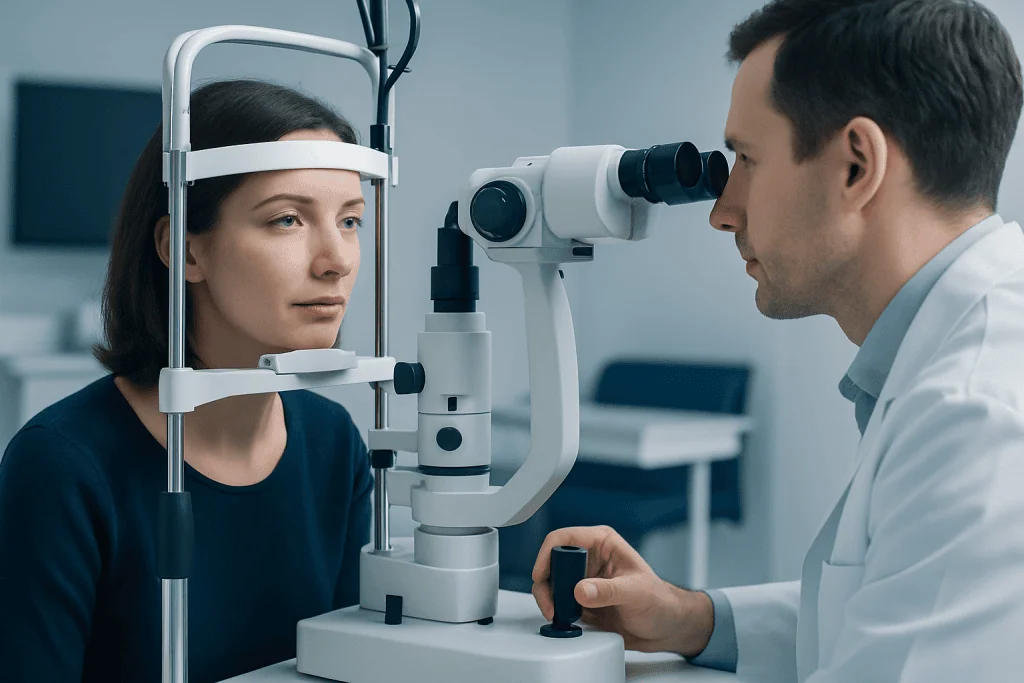
People may benefit from allergic conjunctivitis treatment when itchy, watery or red eyes occur repeatedly during certain seasons, after exposure to pets or dust, or alongside nasal allergy symptoms such as sneezing and a runny nose. Symptoms may be intermittent, seasonal or present throughout the year. Children and adults can both be affected.
An ophthalmologist or other qualified clinician generally starts by asking about symptom timing, possible triggers, contact lens use, medications and any history of asthma, eczema or allergic rhinitis. They examine the eyes and eyelids, often with a slit lamp, to look for typical allergy-related changes and to rule out infection, injury or inflammation affecting deeper structures of the eye.
Allergy testing is not needed for every person. It may be useful when symptoms are persistent, triggers are unclear, or a broader allergy-management plan is being considered. Related nasal symptoms may also be assessed, as treatment of allergic rhinitis can support better control of eye symptoms.
- Typical allergy symptoms: itchiness, tearing, redness, stringy mucus and eyelid swelling.
- Features requiring further evaluation: marked pain, reduced vision, significant light sensitivity, one-sided severe redness or thick pus-like discharge.
- Contact lens wearers should remove lenses during active irritation unless an eye specialist advises otherwise.
Allergic Conjunctivitis Treatment: Step by Step
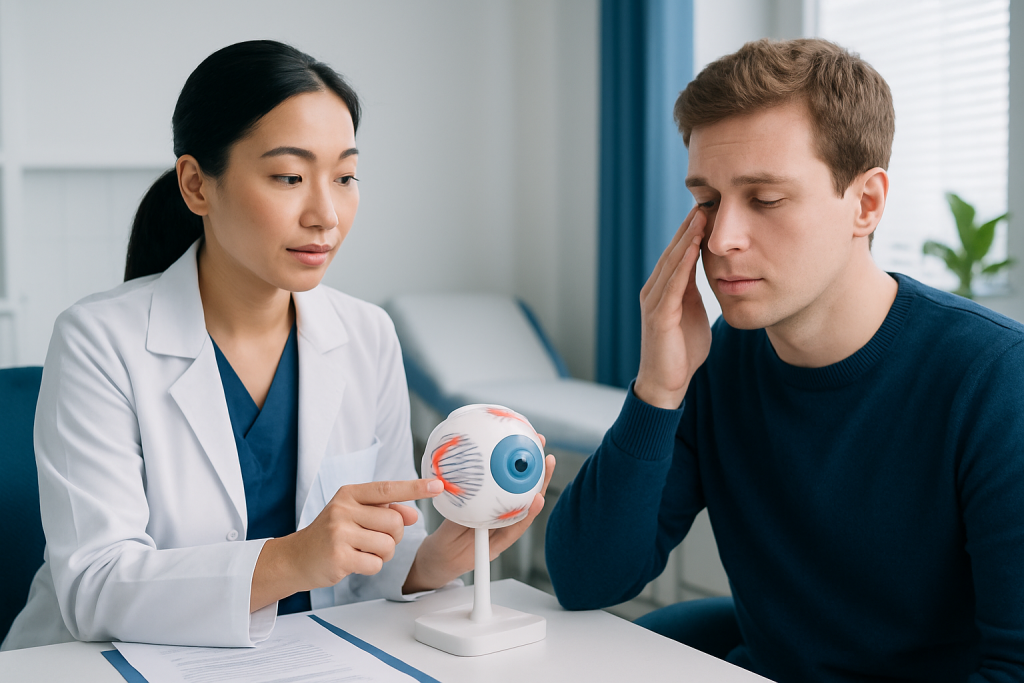
Management usually begins with reducing allergen exposure. During high-pollen periods, keeping windows closed when practical, showering after outdoor activity and avoiding rubbing the eyes can help. Washing hands after touching animals, using dust-mite reduction measures at home and avoiding products that irritate the eyes may also be useful, depending on the trigger.
For mild symptoms, cold compresses and preservative-free artificial tears can rinse allergens from the eye surface and ease discomfort. A clinician or pharmacist may recommend antihistamine eye drops or dual-action drops that combine antihistamine effects with mast-cell stabilization. These medicines target the release and action of chemicals involved in the allergic response.
Some people with broader seasonal allergies may benefit from an oral antihistamine, nasal allergy treatment or both. Prescription anti-inflammatory eye drops may be considered for more severe symptoms. Steroid eye drops can be effective in selected cases, but they require ophthalmic supervision because prolonged or inappropriate use can raise eye pressure, worsen certain infections or contribute to cataract formation.
If symptoms are severe, recurrent or difficult to distinguish from another eye disorder, evaluation through ophthalmology care can help ensure that treatment is appropriate. An individualized plan may include follow-up during the allergy season and advice on safe contact lens use.
Benefits, Limits and Possible Risks of Treatment
The main benefits of treatment are reduced itching and redness, less tearing and swelling, improved comfort and a lower chance of rubbing-related irritation. Many people notice relief within hours to days when they use the recommended approach consistently and reduce exposure to their known triggers.
Results depend on the allergen, its level in the environment and the type of allergic eye disease. Seasonal symptoms may return when pollen counts rise. Perennial symptoms related to indoor allergens can need ongoing prevention measures. Treatment controls the inflammatory response but does not always permanently eliminate the underlying tendency to develop allergies.
Eye drops can occasionally cause brief stinging, blurred vision immediately after use, dryness or sensitivity to preservatives. Oral antihistamines may cause drowsiness or dry eyes in some people. People should read product directions carefully and seek advice before combining medicines, especially if they are pregnant, breastfeeding, managing chronic illness or treating a child.
Vasoconstrictor “redness-relief” drops may make eyes look less red temporarily, but frequent use can lead to rebound redness and does not treat the allergic process. They should not be a long-term substitute for evidence-based allergy treatment.
How Long Does It Take for Allergic Conjunctivitis to Heal?
Allergic conjunctivitis often improves within a few hours to several days after the trigger is avoided and effective treatment is started. The exact timeline varies with the severity of inflammation, continued exposure to allergens and whether other conditions, such as dry eye disease, are contributing to symptoms.
Seasonal allergic conjunctivitis may flare repeatedly for as long as the relevant pollen is present. Perennial allergy symptoms can continue if exposure to indoor triggers persists. Rather than expecting a single permanent cure, many people do best with a prevention plan and prompt treatment at the start of symptoms.
If there is no improvement after several days of appropriate self-care, or symptoms keep returning despite treatment, an eye care professional should review the diagnosis and plan. Persistent irritation should not be managed simply by increasing the frequency of over-the-counter drops.
How Do You Know if Conjunctivitis Is Getting Better?
Allergic conjunctivitis is generally getting better when itching becomes less frequent and intense, redness fades, tearing decreases and eyelid swelling settles. The eyes should feel more comfortable, with less urge to rub them, and normal daily tasks such as reading or using a screen should become easier.
Improvement does not always occur in a straight line. Symptoms can briefly return after renewed exposure to pollen, pets, dust or smoke. Tracking when symptoms occur and what seems to trigger them can help a clinician identify useful prevention measures.
Worsening pain, increasing light sensitivity, deteriorating vision, a feeling of something stuck in the eye, or thick discharge are not typical signs of uncomplicated allergic conjunctivitis. These symptoms should be assessed rather than assumed to be part of an allergy flare.
Does ZYRTEC Work for Allergic Conjunctivitis?
ZYRTEC is a brand name for cetirizine, an oral antihistamine. It can help some people with allergic conjunctivitis, particularly when eye symptoms occur together with sneezing, nasal congestion or a runny nose caused by seasonal or environmental allergies.
However, oral antihistamines are not always the best first choice for isolated eye symptoms. Allergy eye drops act directly on the eye surface and may provide more targeted relief. Oral antihistamines can also contribute to dry eyes in some people, which may worsen discomfort.
A pharmacist, doctor or ophthalmologist can help determine whether cetirizine is suitable and whether an eye drop, nasal treatment or combination approach is more appropriate. People should use medicines only as directed and consider their other medical conditions and medications.
What's the Fastest Way to Treat Allergic Conjunctivitis?
The fastest practical approach is to stop or reduce exposure to the suspected trigger, avoid rubbing the eyes, use a cold compress and apply appropriate allergy eye drops if they are suitable for the person. Preservative-free artificial tears may also help wash allergens from the eye surface and provide soothing moisture.
For significant or recurring symptoms, prompt advice from an eye care professional can lead to a more effective treatment plan. It is particularly important not to use leftover antibiotic or steroid drops without an examination, because they may be unnecessary or unsafe for the actual cause of redness.
Acibadem International’s multidisciplinary specialists and JCI-accredited hospitals assess and treat eye allergy symptoms for international patients when specialist evaluation is needed. A timely clinical review can also identify other causes of persistent red or uncomfortable eyes.
When to Seek Medical Care
Medical care is advisable when symptoms are severe, recur often, interfere with work, school, sleep or contact lens use, or do not improve with reasonable trigger avoidance and non-prescription measures. A clinician can confirm whether symptoms are due to allergy and recommend treatment that is safe for the individual.
Prompt assessment is important for eye pain, new or worsening blurred vision, pronounced light sensitivity, eye injury, severe swelling, fever, one-sided severe redness, or thick yellow-green discharge. These symptoms may indicate a problem other than uncomplicated allergic conjunctivitis.
People who wear contact lenses and develop a red, painful or light-sensitive eye should remove the lenses and seek urgent eye care. Contact lens-related infections can be serious and should not be treated as routine allergy symptoms.
Frequently asked questions
Can allergic conjunctivitis go away on its own?
Mild symptoms may settle when exposure to the trigger stops, especially after a brief pollen or animal-dander exposure. However, symptoms can return with further exposure, so trigger reduction and appropriate treatment are often helpful. Persistent symptoms should be reviewed by a clinician.
Is allergic conjunctivitis contagious?
No. Allergic conjunctivitis is caused by an immune response to allergens, not by a virus or bacterium. It does not spread from person to person, although infectious forms of conjunctivitis can be contagious.
Can someone wear contact lenses with allergic conjunctivitis?
It is usually best to stop wearing contact lenses while the eyes are itchy, red or irritated. Lenses can hold allergens against the eye surface and worsen discomfort. An eye care professional can advise when it is safe to restart lens wear and whether changes to lens care are needed.
Should antibiotic eye drops be used for allergic conjunctivitis?
Antibiotic drops do not treat allergic conjunctivitis because allergies are not caused by bacteria. Using them without medical advice is unlikely to help and may delay correct treatment. A clinician can determine whether an infection is present.
Can children use allergy eye drops?
Some allergy eye drops are appropriate for children, but age limits and instructions vary by product. A parent or caregiver should check with a pediatrician, pharmacist or eye specialist before using them. Children with severe redness, pain or vision concerns should be assessed promptly.
How can pollen-related eye allergies be prevented?
During pollen season, reducing outdoor exposure when counts are high, keeping windows closed when practical and showering after time outdoors can help. Sunglasses may reduce airborne pollen contact with the eyes. Starting a clinician-recommended treatment plan early in the season may also reduce flares.
References
- American Academy of Ophthalmology
- American College of Allergy, Asthma and Immunology
- National Eye Institute
- Mayo Clinic
This article is for general information only and is not a substitute for professional medical advice. Please consult a qualified doctor about your individual situation.
Conjunctivitis in Turkey — costs, top hospitals & a free quote
JCI-accredited · board-certified surgeons · reply within 24h
Add us as a Preferred Source to see more of our trusted health content across Google Search, AI Overviews and Discover.

Ophthalmology
Comprehensive eye care from laser vision correction to retina, cornea and cataract surgery.
75 specialists in this unit