Stage 1 Cervical Cancer Treatment: How It Works, Results and What to Expect

Stage 1 cervical cancer is limited to the cervix, although tumor size and depth of invasion vary within this stage. Treatment decisions depend on the exact stage, lymph node assessment, fertility wishes, general health and pathology findings.
Key Takeaways
- Stage 1 cervical cancer is limited to the cervix, although tumor size and depth of invasion vary within this stage.
- Treatment decisions depend on the exact stage, lymph node assessment, fertility wishes, general health and pathology findings.
- Common approaches include cone biopsy, trachelectomy, hysterectomy, lymph node assessment, or radiation therapy with chemotherapy.
- Many people with stage 1 disease are treated with curative intent, but regular follow-up remains essential.
- Recovery needs differ by treatment and can include support for physical healing, menopause symptoms, fertility and emotional wellbeing.
Stage 1 cervical cancer treatment is designed to remove or destroy cancer that is confined to the cervix. Surgery is often used for smaller early cancers, while chemoradiation may be recommended for larger stage 1 tumors or when surgery is not suitable.
Stage 1 Cervical Cancer Treatment: An Overview
Stage 1 cervical cancer treatment aims to cure cancer that has grown into the cervix but has not spread beyond it. In many cases, treatment is surgery to remove the cancer and, depending on the situation, the cervix or uterus. For some larger stage 1 cancers, or for people who cannot safely have surgery, combined radiation therapy and chemotherapy may be the preferred option.
Stage 1 includes several subgroups based on how deeply the cancer has invaded and how large the visible tumor is. This detail matters because a very small cancer found only under a microscope can be managed differently from a tumor that is visible on examination. A gynecologic oncology team uses imaging, pathology reports and the person’s priorities, including the wish to preserve fertility, to create an individualized plan.
Although a cancer diagnosis can feel overwhelming, stage 1 disease is early-stage and treatment is commonly given with curative intent. Care also includes discussions about side effects, sexual health, reproductive options, emotional support and the schedule for follow-up after treatment.
How Serious Is Stage 1 Cervical Cancer?
Stage 1 cervical cancer is serious because it is an invasive cancer, meaning abnormal cells have grown beyond the surface layer of the cervix into underlying tissue. However, it is considered an early stage because the cancer remains confined to the cervix. This generally allows more treatment options than cancers that have spread to nearby tissues or distant organs.
Outlook is influenced by the precise stage, tumor type, tumor size, lymph node findings and response to treatment. It is also affected by whether the cancer can be completely removed with surgery or adequately treated with radiation. The treating team can explain what the pathology and staging results mean for an individual’s expected care and follow-up.
Early detection through cervical screening is important because it can identify precancerous changes and early cancers before symptoms develop. For general information about the disease, readers may find cervical cancer helpful.
What Do They Do If You Have Stage 1 Cervical Cancer?

After a diagnosis, the team first confirms the stage and cancer type. This usually includes reviewing the biopsy, performing a pelvic examination and considering imaging such as MRI, CT or PET-CT when appropriate. The goal is to understand the size and location of the tumor and look for signs of spread, including to lymph nodes.
For very small stage 1A cancers, a cone biopsy may sometimes remove all cancer while preserving the uterus. A cone biopsy removes a cone-shaped piece of cervical tissue and is also used to assess the depth of invasion. If pathology shows clear margins and other favorable features, further treatment may not always be required; this decision should be made with a gynecologic oncologist.
For larger stage 1 cancers, surgery may involve a radical trachelectomy, which removes the cervix while aiming to preserve the uterus for selected people who wish to carry a future pregnancy. More commonly, a simple or radical hysterectomy removes the uterus and cervix. Pelvic lymph nodes may be assessed using sentinel lymph node mapping or lymph node removal. These procedures are part of cervical cancer treatment planning and are selected according to clinical evidence and personal circumstances.
When the tumor is larger, lymph node involvement is suspected, or surgery is not advisable, treatment may consist of external-beam radiation therapy with chemotherapy given to make radiation more effective, followed by internal radiation therapy called brachytherapy. In some cases, additional treatment is recommended after surgery if pathology shows features associated with a higher chance of recurrence.
How Treatment Works: Candidacy and the Usual Steps
Surgery is most often considered when the cancer is confined to the cervix and the person is well enough for an operation. The choice between fertility-sparing treatment, hysterectomy and chemoradiation is made after careful review of tumor dimensions, depth of invasion, imaging, pathology and reproductive goals. Fertility preservation is not appropriate for every tumor, but it is reasonable to ask early if future pregnancy is important.
Before surgery, patients may have blood tests, anesthesia assessment and imaging. During the procedure, the surgeon removes the planned tissue and may evaluate pelvic lymph nodes. The operation may be performed through open abdominal surgery, vaginal surgery, laparoscopy or robotic-assisted techniques, depending on the cancer characteristics and the surgical plan. The removed tissue is examined by a pathologist, whose report helps determine whether any additional treatment is needed.
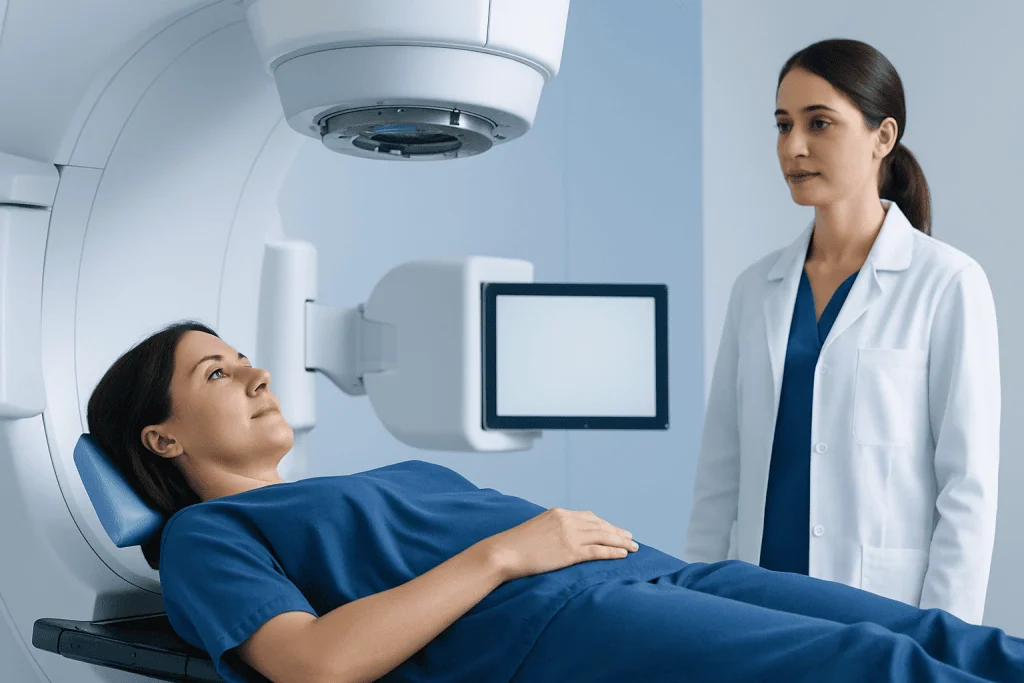
For chemoradiation, planning begins with imaging and measurements that help the radiation oncology team target the tumor while protecting nearby organs as much as possible. External radiation is usually delivered in scheduled sessions over several weeks. Chemotherapy may be given during this period, and brachytherapy places a radiation source close to the cervix or vaginal cuff for a controlled time. The exact schedule varies by treatment center and individual plan.
A multidisciplinary team may include a gynecologic oncologist, radiation oncologist, medical oncologist, radiologist, pathologist, specialist nurses, fertility experts and supportive-care professionals. Acibadem International’s multidisciplinary specialists and JCI-accredited hospitals diagnose and treat cervical cancer for international patients.
Benefits, Risks and Recovery Timeline
The main benefit of stage 1 cervical cancer treatment is the possibility of eliminating localized cancer. Surgery can provide detailed pathology information and may avoid radiation for appropriate candidates. Chemoradiation can treat the cervix and nearby tissues without an operation and is an important curative option when surgery is not suitable.
Every treatment has potential risks. Surgical risks include bleeding, infection, blood clots, bladder or bowel injury, changes in bladder function, lymphedema and effects on sexual function. Hysterectomy ends the ability to carry a pregnancy. Radical trachelectomy may preserve the uterus in selected cases, but future pregnancies are considered high risk and need specialist obstetric care.
Radiation and chemotherapy can cause tiredness, nausea, diarrhea, bladder irritation, skin changes and vaginal soreness during treatment. Longer-term effects can include vaginal narrowing or dryness, bowel or bladder changes, early menopause if the ovaries are affected, infertility and, less commonly, lymphedema. The care team can discuss practical ways to reduce or manage these effects, including vaginal dilator use when advised, pelvic floor rehabilitation and menopause care.
Recovery after a cone biopsy may take days to a few weeks, while recovery after hysterectomy often takes several weeks and depends on the surgical approach. During chemoradiation, fatigue may build gradually and may continue for several weeks after treatment ends. Follow-up visits usually include symptom review, pelvic examinations and testing tailored to the person’s treatment history.
How Fast Does Stage 1 Cervical Cancer Progress?
Cervical cancer usually develops over years, often after persistent infection with high-risk human papillomavirus (HPV) causes precancerous changes. Once invasive cancer is present, the speed of growth can vary significantly. It is not possible to predict progression accurately from stage alone because tumor type, grade and individual biology also matter.
Stage 1 cancer should not be ignored or managed with watchful waiting. Prompt referral to a gynecologic oncology team allows staging and treatment planning without unnecessary delay. At the same time, people should know that their clinicians need enough time to confirm pathology, obtain the appropriate imaging and make a safe, well-informed treatment recommendation.
Questions about timing are appropriate at every visit. The team can explain which investigations are still needed, when treatment is expected to begin and whether any symptoms require earlier assessment.
Can Cervical Cancer Be 100% Cured?
No clinician can promise a 100% cure, because cancer outcomes vary and there is always some possibility of recurrence. However, many people with stage 1 cervical cancer are successfully treated, particularly when the cancer is accurately staged and treated according to current guidelines.
After treatment, follow-up is important even when there is no evidence of cancer. Appointments help identify treatment effects, support recovery and investigate symptoms that could suggest recurrence. Patients should ask their oncology team about their recommended surveillance plan and which changes to report between visits.
Maintaining general health can support recovery, although it cannot replace medical treatment or follow-up. Avoiding tobacco, attending recommended cervical screening if the cervix remains, receiving age-appropriate vaccinations and discussing nutrition, activity and emotional wellbeing with the care team can all be useful parts of survivorship care.
When to Seek Medical Care
Anyone with an abnormal cervical screening result, a positive biopsy or a suspected cervical cancer diagnosis should arrange prompt review with a qualified gynecologist or gynecologic oncologist. A second opinion can also be helpful when deciding between fertility-preserving treatment, surgery and chemoradiation.
Medical review is important for unusual vaginal bleeding, including bleeding after sex, between periods or after menopause; persistent watery or blood-stained discharge; pelvic pain; or pain during sex. These symptoms are often caused by conditions other than cancer, but they should be assessed rather than self-diagnosed.
During or after treatment, patients should contact their clinical team urgently for heavy bleeding, fever, severe or worsening pain, chest pain, shortness of breath, a swollen painful leg, inability to pass urine, persistent vomiting or signs of an allergic reaction. Routine concerns such as fatigue, bowel changes, vaginal dryness or worries about intimacy should also be shared, as supportive treatments are available.
Frequently asked questions
What is the most common treatment for stage 1 cervical cancer?
Surgery is commonly used for stage 1 cervical cancer, especially when the tumor is small and confined to the cervix. The operation may range from a cone biopsy to hysterectomy, with lymph node assessment when needed. For some larger tumors or when surgery is not appropriate, chemoradiation is commonly recommended.
Can stage 1 cervical cancer be treated without a hysterectomy?
Yes, some people can be treated without hysterectomy. Very small cancers may be managed with cone biopsy, and selected patients may be candidates for radical trachelectomy to preserve the uterus. Eligibility depends on tumor size, pathology, lymph node findings and fertility goals.
Will stage 1 cervical cancer treatment affect fertility?
It can. Hysterectomy prevents carrying a pregnancy, and pelvic radiation usually affects fertility and may cause early menopause. Fertility-sparing options may be possible in selected cases, so it is important to discuss pregnancy wishes before treatment begins.
How long is recovery after cervical cancer surgery?
Recovery depends on the procedure and the surgical approach. A cone biopsy usually has a shorter recovery than hysterectomy, while recovery from major surgery can take several weeks. The care team will advise when it is safe to resume exercise, work, driving, sexual activity and lifting.
Do you need chemotherapy for stage 1 cervical cancer?
Not everyone does. Chemotherapy is often used with radiation therapy for certain stage 1 tumors, particularly when radiation is the main treatment. It may also be considered after surgery if pathology results show a higher risk of recurrence.
What follow-up is needed after treatment?
Follow-up plans vary according to the treatment received and individual risk factors. They commonly include regular clinical reviews and pelvic examinations, with tests or scans if symptoms or findings raise concern. Patients should keep all appointments and report new bleeding, pelvic pain, persistent discharge or other concerning symptoms promptly.
References
- World Health Organization
- National Cancer Institute
- American Cancer Society
- National Comprehensive Cancer Network
- International Federation of Gynecology and Obstetrics
This article is for general information only and is not a substitute for professional medical advice. Please consult a qualified doctor about your individual situation.
Cervical Cancer in Turkey — costs, top hospitals & a free quote
JCI-accredited · board-certified surgeons · reply within 24h
Add us as a Preferred Source to see more of our trusted health content across Google Search, AI Overviews and Discover.

Medical Oncology Department
Medical treatment of cancer with chemotherapy, immunotherapy and targeted therapies under a multidisciplinary tumor board.
60 specialists in this unitMore from the Health Library



Related Specialists

Prof. Dr. Taner Güneş
Orthopedic Surgery & Traumatology
Dr. Sinan Aksu
Orthopedic Surgery & Traumatology
Dr. Burak Orakçıoğlu
Inpatient Clinic Physicians
Dr. Ömercan Yağız Öksüz
Aesthetic Plastic & Reconstructive Surgery