Pulmonary Hypertension: Symptoms, Diagnosis, and Specialist Care

Pulmonary hypertension affects the arteries of the lungs and can place extra strain on the right side of the heart. Common symptoms include shortness of breath, fatigue, chest discomfort, dizziness, and swelling in the legs or abdomen.
Key Takeaways
- Pulmonary hypertension affects the arteries of the lungs and can place extra strain on the right side of the heart.
- Common symptoms include shortness of breath, fatigue, chest discomfort, dizziness, and swelling in the legs or abdomen.
- Diagnosis often requires echocardiography, lung and heart tests, imaging, blood tests, and sometimes right heart catheterization.
- Treatment depends on the type and cause of pulmonary hypertension and may include medicines, oxygen therapy, lifestyle changes, or procedures.
- People with unexplained breathlessness, fainting, or worsening exercise tolerance should seek medical evaluation.
Pulmonary hypertension is high blood pressure in the blood vessels that carry blood from the heart to the lungs. Early recognition, accurate diagnosis, and specialist-led care can help manage symptoms and support long-term heart and lung health.
Overview
Pulmonary hypertension is a condition in which the pressure inside the pulmonary arteries becomes higher than normal. These arteries carry blood from the right side of the heart to the lungs, where the blood receives oxygen. When pressure rises in this circulation, the heart has to work harder to pump blood through the lungs.
Over time, the extra workload can strain the right ventricle, the chamber of the heart responsible for sending blood to the lungs. Some people have mild disease that is monitored closely, while others need advanced treatment from specialists in cardiology, pulmonology, and related fields.
Pulmonary hypertension is not a single disease. It is a group of conditions with different causes, mechanisms, and treatment approaches. Because symptoms can resemble asthma, anemia, heart disease, anxiety, or poor fitness, diagnosis may take time and should be guided by an experienced medical team.
Pulmonary Hypertension Symptoms
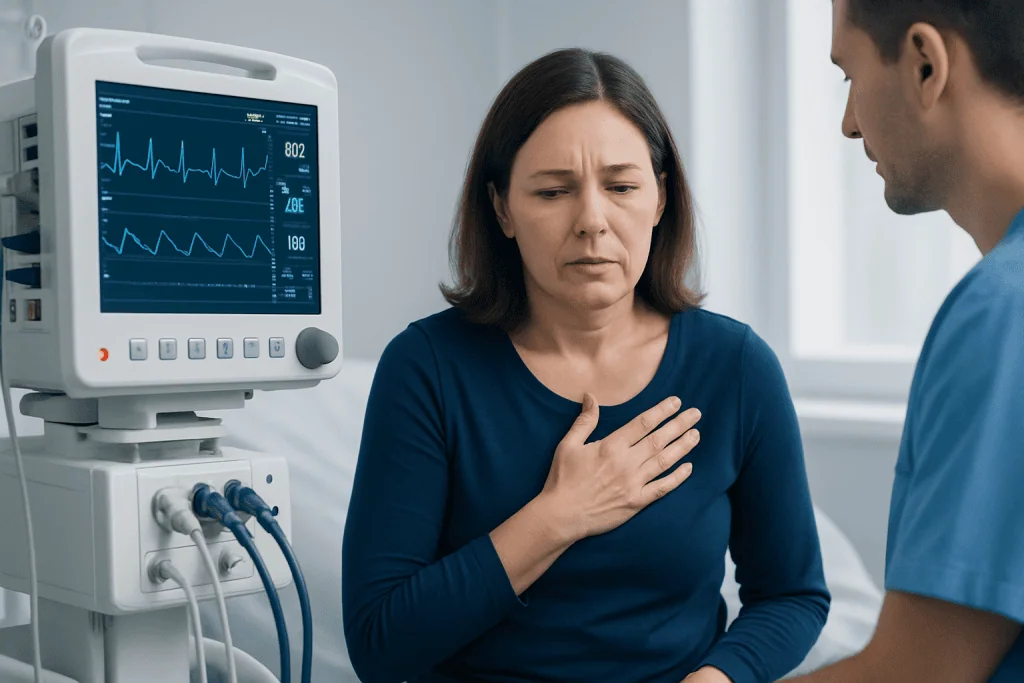
The most common symptom is shortness of breath, especially during physical activity such as climbing stairs, walking uphill, or carrying groceries. In the early stages, breathlessness may be mild and easy to dismiss. As the condition progresses, symptoms may occur with less activity or, in more advanced cases, even at rest.
Other symptoms may include fatigue, chest pressure or discomfort, a racing heartbeat, palpitations, lightheadedness, or fainting. Some people notice reduced exercise tolerance before they realize they are breathless. Swelling in the ankles, legs, or abdomen can occur when the right side of the heart struggles to keep up with blood flow.
Symptoms vary from person to person and do not always reflect the severity of the condition. A person with mild symptoms may still need careful testing, while another person with severe breathlessness may have a different lung or heart condition. Any persistent or unexplained change in breathing capacity should be discussed with a qualified doctor.
Causes and Risk Factors

Pulmonary hypertension can develop for several reasons. Doctors commonly classify it into groups based on the underlying cause. These include pulmonary arterial hypertension, pulmonary hypertension due to left-sided heart disease, pulmonary hypertension related to lung disease or low oxygen levels, chronic blood clots in the lungs, and pulmonary hypertension associated with other medical conditions.
Left-sided heart disease is one of the more common reasons for increased pressure in the lung circulation. Conditions such as heart valve disease, heart failure, and long-standing high blood pressure can raise pressures that are transmitted backward toward the lungs. Lung conditions such as chronic obstructive pulmonary disease, interstitial lung disease, and sleep apnea may also contribute by reducing oxygen levels or damaging lung tissue.
Some people develop pulmonary arterial hypertension linked to connective tissue diseases, congenital heart disease, liver disease, HIV infection, or certain medicines and toxins. In a smaller number of cases, it may run in families or occur without a clearly identified cause. Risk assessment includes reviewing symptoms, medical history, family history, previous blood clots, medications, and occupational or environmental exposures.
How Pulmonary Hypertension Is Diagnosed
Diagnosis usually begins with a detailed medical history, physical examination, and tests to look for signs of heart or lung strain. A doctor may listen for changes in heart sounds, check oxygen levels, examine the legs for swelling, and ask about exercise capacity, fainting, sleep symptoms, previous blood clots, and autoimmune conditions.
An echocardiogram is often one of the first key tests. This ultrasound of the heart can estimate pulmonary pressures, assess right heart size and function, and identify valve or left heart problems. Additional tests may include an electrocardiogram, chest X-ray, blood tests, pulmonary function tests, sleep assessment, computed tomography, ventilation-perfusion scanning, or cardiac magnetic resonance imaging.
Right heart catheterization is the standard test used to confirm pulmonary hypertension and measure pressures directly inside the heart and pulmonary arteries. During this procedure, a thin catheter is guided through a blood vessel to the heart under medical supervision. The results help determine the type of pulmonary hypertension and guide treatment decisions.
Because treatment differs depending on the cause, accurate classification is essential. For example, medicines used for pulmonary arterial hypertension may not be appropriate for all forms of pulmonary hypertension. A structured evaluation helps avoid unnecessary treatment and ensures that underlying conditions, such as heart valve disease, sleep apnea, or chronic blood clots, are not missed.
Treatment Options and Specialist Care
Treatment for pulmonary hypertension is individualized. The first step is to identify and manage any underlying cause. This may involve treating heart failure or valve disease, improving oxygen levels in lung disease, managing sleep apnea, using blood thinners when appropriate for chronic clots, or treating associated autoimmune or liver conditions.
For certain forms of pulmonary arterial hypertension, specialist medicines may be considered to relax or widen the pulmonary blood vessels and reduce the workload on the right side of the heart. These medicines require careful selection and monitoring. Doctors may also recommend diuretics for fluid retention, oxygen therapy for low oxygen levels, supervised exercise rehabilitation, vaccinations, and management of anemia or thyroid disease if present.
Some patients with chronic thromboembolic pulmonary hypertension may benefit from procedures that remove or treat obstructing clots in the lung arteries. In selected severe cases, advanced interventions, including transplant evaluation, may be discussed. The best approach depends on the patient’s diagnosis, test results, symptoms, overall health, and response to treatment.
Specialist care is important because pulmonary hypertension often involves both the heart and the lungs. A multidisciplinary team may include cardiologists, pulmonologists, radiologists, rheumatologists, hematologists, rehabilitation specialists, and specialized nurses. Regular follow-up helps track symptoms, exercise capacity, oxygen levels, right heart function, and treatment safety.
Prevention and Self-Care
Not every form of pulmonary hypertension can be prevented, but people can take steps to support heart and lung health. Managing high blood pressure, heart disease, lung disease, sleep apnea, and blood clot risk may reduce complications. People with known risk factors should attend regular medical appointments and report new or worsening breathlessness early.
Self-care plans should be discussed with a doctor, especially because exercise tolerance and oxygen needs vary. Many patients benefit from gentle, regular activity or supervised pulmonary or cardiac rehabilitation, but sudden intense exertion may not be suitable for everyone. A clinician can advise on safe activity levels based on test results and symptoms.
- Avoid smoking and exposure to secondhand smoke.
- Take prescribed medicines exactly as directed and do not stop them without medical advice.
- Ask a doctor about flu, COVID-19, and pneumonia vaccination where appropriate.
- Discuss travel plans, high-altitude exposure, pregnancy, and surgery with the healthcare team in advance.
- Monitor swelling, weight changes, dizziness, and changes in breathing capacity.
Nutrition, sleep, and emotional support are also important. Living with a chronic cardiopulmonary condition can affect daily routines and mood. Patients should feel encouraged to ask questions, involve family members when helpful, and seek support from healthcare professionals if symptoms interfere with normal life.
When to See a Doctor
A medical evaluation is recommended for persistent shortness of breath, unexplained fatigue, reduced exercise capacity, chest discomfort, palpitations, swelling in the legs, or dizziness. These symptoms have many possible causes, and timely assessment helps identify whether pulmonary hypertension or another condition is present.
Urgent medical care is needed if a person has fainting, severe or sudden shortness of breath, chest pain that is intense or prolonged, blue lips or fingertips, coughing up blood, or sudden swelling and pain in one leg. These symptoms may indicate a serious heart, lung, or blood clot-related problem and should not be ignored.
Patients already diagnosed with pulmonary hypertension should contact their healthcare team if symptoms worsen, if swelling increases, if they gain weight rapidly from fluid retention, or if medication side effects occur. Follow-up appointments are important even when symptoms seem stable, because treatment may need adjustment over time.
For international patients seeking evaluation, Acibadem International provides access to multidisciplinary specialists and JCI-accredited hospitals that diagnose and treat pulmonary hypertension and related heart-lung conditions. Care decisions should always be based on an individual medical assessment and discussion with qualified clinicians.
Frequently asked questions
Is pulmonary hypertension the same as high blood pressure?
No. General high blood pressure, or systemic hypertension, affects the arteries throughout the body. Pulmonary hypertension specifically affects the blood vessels between the heart and lungs and can strain the right side of the heart.
Can pulmonary hypertension be cured?
Some forms can improve significantly when the underlying cause is treated, such as certain cases related to chronic blood clots or correctable heart problems. Other forms are chronic conditions that require long-term monitoring and treatment. The outlook depends on the type, severity, and response to care.
What is the most important test for pulmonary hypertension?
An echocardiogram is often used as an important screening test because it can show signs of elevated pressure and right heart strain. Right heart catheterization is the standard test used to confirm the diagnosis and measure pressures directly.
Can exercise help people with pulmonary hypertension?
Appropriate exercise may help improve stamina and quality of life for many patients, especially when guided by a healthcare team. However, exercise plans should be individualized because some activities may be unsafe in advanced disease or when symptoms are unstable.
Is pulmonary hypertension dangerous during pregnancy?
Pregnancy can place significant additional strain on the heart and lungs in people with pulmonary hypertension. Anyone with pulmonary hypertension who is pregnant or planning pregnancy should discuss risks and care options with a specialist team as early as possible.
Which specialists treat pulmonary hypertension?
Care often involves cardiologists and pulmonologists with experience in pulmonary vascular disease. Depending on the cause, rheumatologists, hematologists, radiologists, sleep specialists, rehabilitation teams, and specialized nurses may also be involved.
This article is for general information only and is not a substitute for professional medical advice. Please consult a qualified doctor about your individual situation.
Pulmonary Hypertension in Turkey — costs, top hospitals & a free quote
JCI-accredited · board-certified surgeons · reply within 24h
Add us as a Preferred Source to see more of our trusted health content across Google Search, AI Overviews and Discover.
Check your numbers in seconds
BMI, calories, due date, blood pressure and 30+ more clinical calculators — free, instant, doctor-reviewed ranges.

Cardiology Department
Diagnosis and treatment of heart and vascular conditions, from prevention to advanced interventional procedures.
93 specialists in this unitRelated Treatments
Related Conditions
More from the Health Library

Hypertension: Why High Blood Pressure Should Not Be Ignored

CABG After a Heart Attack: Timing, Benefits, and Recovery Planning

Pacemaker Implantation: Slow Heartbeat Treatment and Follow-Up

Cardiac Rehabilitation After Bypass Surgery: When to Start and How It Helps

Cardiology Checkup: Tests You May Need and What They Mean

Heart Specialist vs Cardiologist: Who Treats Which Heart Problem?
Cardiology Specialists at Acibadem

Asst. Prof. Dr. Gökhan Arslanhan
Cardiovascular Surgery
Prof. Dr. Gültekin Karakuş
Cardiology
Assoc. Prof. Dr. Hakan Hasdemir
Cardiology
Prof. Dr. Haldun Akgöz
Cardiology