Melanoma Natural Treatment: How It Works, Results and What to Expect
No natural product, supplement, diet or topical remedy has been proven to cure melanoma. The immune system can recognize melanoma cells, but melanoma may still grow or spread without appropriate treatment.
Key Takeaways
- No natural product, supplement, diet or topical remedy has been proven to cure melanoma.
- The immune system can recognize melanoma cells, but melanoma may still grow or spread without appropriate treatment.
- Surgery is often the main treatment for early melanoma; advanced melanoma may be treated with immunotherapy, targeted therapy, radiation therapy or other specialist-guided options.
- A changing mole, a new unusual skin mark or a spot that does not heal should be checked without delay.
- Supportive lifestyle measures can complement, but never substitute for, a personalized melanoma care plan.
Melanoma natural treatment approaches, such as balanced nutrition, sun protection and stress support, may help overall wellbeing but do not cure melanoma or replace evidence-based cancer treatment. Melanoma should be assessed promptly by a dermatologist or cancer specialist, because early diagnosis and treatment offer the best opportunity for cure.
Overview: What melanoma natural treatment can and cannot do
Melanoma natural treatment is often searched by people who want gentler ways to support their health after a concerning mole, a diagnosis or cancer treatment. Healthy lifestyle measures can support physical and emotional wellbeing, but no natural remedy has been shown to eliminate melanoma or reliably stop it from spreading. Melanoma is a potentially serious form of skin cancer that develops from pigment-producing cells called melanocytes.
Medical treatment should not be delayed while trying supplements, herbs, restrictive diets, essential oils or skin applications. Early melanoma can often be treated successfully with surgery, while melanoma that has spread may need systemic treatments prescribed by an oncology team. A care plan may include melanoma treatment tailored to the stage, location and biological features of the cancer.
Natural approaches may have a useful supportive role when chosen safely. Examples include eating a varied diet, maintaining activity as tolerated, protecting the skin from ultraviolet radiation, sleeping well and seeking emotional support. These measures are best discussed with the treating team, particularly when a person is receiving cancer medicines or preparing for surgery.
How melanoma care works: from assessment to treatment planning
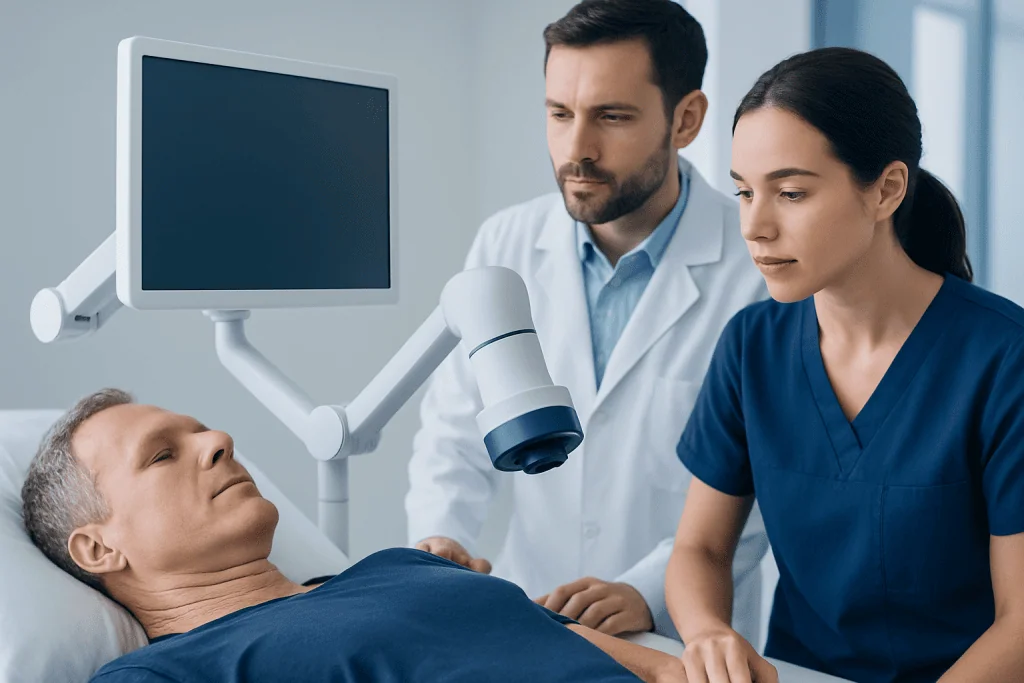
Melanoma treatment begins with an accurate diagnosis. A clinician examines the skin and may use dermoscopy, a handheld instrument that helps assess pigment patterns. If a lesion is suspicious, the usual next step is a biopsy, in which all or part of the lesion is removed and examined under a microscope by a pathologist.
The pathology report helps determine whether melanoma is present and describes important features, including its thickness and whether the skin surface is ulcerated. Depending on the findings, imaging tests, lymph node assessment or a sentinel lymph node biopsy may be recommended to determine the stage. Staging describes how far the cancer has grown or spread and guides treatment discussions.
For many early melanomas, a wider surgical excision removes a margin of normal-appearing skin around the original site. For higher-risk or more advanced disease, specialists may consider immunotherapy, targeted therapy for melanomas with certain gene changes, radiation therapy, surgery at other sites or clinical trials. Decisions are individualized and commonly involve dermatology, surgical oncology, medical oncology, pathology and radiology.
- Early-stage melanoma: surgery is commonly the central treatment.
- Regional melanoma: treatment may involve surgery and systemic therapy depending on lymph node involvement and recurrence risk.
- Advanced melanoma: systemic treatment is often important, with surgery or radiation used in selected situations.
Who may consider supportive natural approaches?
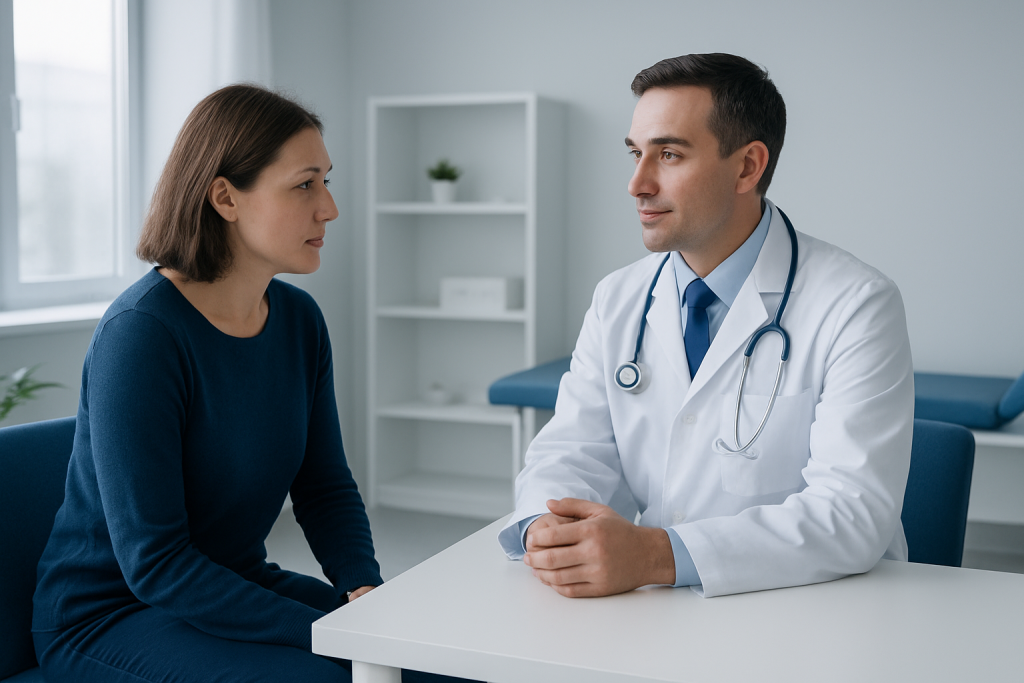
Supportive natural measures may be appropriate for most people with melanoma when they are used alongside—not instead of—medical treatment. A diet rich in vegetables, fruits, whole grains, protein sources and healthy fats can help meet nutritional needs. Adequate fluids, gentle movement and strategies for managing stress may also help a person cope with appointments, treatment effects and recovery.
However, “natural” does not automatically mean safe. Some herbs and supplements can affect blood clotting, alter liver metabolism or interact with immunotherapy, targeted therapy and other medicines. High-dose antioxidant supplements are not routinely recommended during cancer treatment unless the oncology team specifically advises them.
People should tell their clinicians about every vitamin, supplement, tea, powder, topical product and complementary therapy they use or plan to use. This is especially important before surgery, during systemic treatment, in pregnancy, or for people who have other health conditions. A registered dietitian or oncology pharmacist can provide individualized guidance.
Unproven products should raise concern if they claim to cure cancer, advise stopping prescribed treatment, rely on testimonials rather than clinical evidence, or recommend applying irritating substances directly to a mole or wound. Such practices can delay diagnosis, damage the skin and complicate medical assessment.
What to expect during diagnosis and treatment
A suspicious skin lesion is usually assessed in an outpatient appointment. If a biopsy is needed, local anesthetic numbs the area before the clinician removes the lesion or takes a sample. The tissue is sent for laboratory examination, and the person is given instructions for wound care and when to expect results.
If melanoma is confirmed, further treatment planning may involve a wider excision. This procedure removes additional skin around the biopsy site to reduce the likelihood of melanoma cells remaining locally. Depending on the size and body location, the wound may close with stitches, heal naturally or require reconstruction such as a skin graft or flap.
A sentinel lymph node biopsy may be discussed for selected melanomas with a higher risk of spread. During this procedure, a tracer helps identify the first lymph node or nodes likely to receive drainage from the melanoma site. Testing these nodes can provide staging information and help inform follow-up and treatment decisions.
If immunotherapy or targeted therapy is recommended, care usually includes baseline assessments, regular appointments and blood tests. The team monitors for side effects and response to treatment. Patients should report new or worsening symptoms promptly rather than waiting for a routine visit.
Recovery, benefits and possible risks
Recovery after a simple skin biopsy or wide excision varies with the site, wound size and closure method. Mild soreness, swelling or bruising can occur in the first days. Stitches, if used, are generally removed after a period determined by the procedure location, and scars often continue to mature over months.
The main benefit of early diagnosis and properly planned treatment is the possibility of removing melanoma before it spreads. Follow-up also helps identify local recurrence, changes in lymph nodes and new melanomas. A person who has had melanoma may need regular skin examinations and should continue checking their own skin between appointments.
Procedural risks can include bleeding, infection, pain, scarring, altered sensation and delayed wound healing. Lymph node procedures may occasionally cause fluid collection or swelling of a limb. Systemic therapies can cause immune-related or drug-related side effects, which range from mild to potentially significant; the oncology team explains what to watch for and how problems are managed.
Supportive measures such as avoiding smoking, limiting alcohol where appropriate, staying active within medical advice and following wound-care instructions can aid general recovery. They should be viewed as part of whole-person care rather than as cancer treatment in themselves.
Can your body naturally fight off melanoma?
The immune system can recognize and attack abnormal cells, including melanoma cells. This immune response is one reason immunotherapy has become an important treatment option for some melanomas: these medicines help the immune system identify or attack cancer more effectively.
However, the body’s natural immune response alone cannot be relied upon to clear melanoma. Melanoma cells can develop ways to avoid immune detection and may continue growing without obvious symptoms. There is no safe way to know that a melanoma has disappeared without medical assessment and, when appropriate, biopsy or imaging.
Supporting general immune health through adequate nutrition, sleep, physical activity and management of chronic conditions is reasonable. These habits do not replace surgery, immunotherapy or other evidence-based care recommended for melanoma.
What are the signs your body is fighting melanoma?
There are no reliable visible signs that the body is successfully fighting melanoma. A mole becoming smaller, crusting, bleeding or changing color should not be interpreted as improvement. These changes can occur in melanoma and need clinical evaluation.
During immunotherapy, doctors may use physical examination, imaging and laboratory testing to assess whether treatment is working. Symptoms alone do not accurately show response. Some treatment-related symptoms may indicate immune side effects rather than an effective anti-cancer response, so they should be reported to the care team.
A person should contact a clinician about a new or changing skin lesion, a lump near the original melanoma site, persistent unexplained symptoms or concerns about treatment effects. Regular follow-up remains the safest way to monitor melanoma.
How long does it take for melanoma to go from stage 1 to 4?
There is no fixed timeline for melanoma to progress from stage 1 to stage 4. Some melanomas grow slowly over years, while others can become more aggressive over a shorter period. The pace depends on factors such as melanoma subtype, thickness, ulceration, genetic characteristics and whether cancer cells gain access to lymphatic channels or blood vessels.
Staging is based on findings at the time of evaluation rather than a predictable sequence that every melanoma follows. A melanoma found at an early stage does not inevitably progress to stage 4, especially when it is treated promptly and appropriately.
Because it is impossible to predict behavior from appearance alone, a changing mole or unfamiliar spot should be examined as soon as possible. Earlier assessment allows clinicians to diagnose melanoma accurately and discuss the most suitable treatment before the lesion has an opportunity to grow further.
What is the 2 week rule for melanoma?
The “2 week rule” is not a universal medical rule that confirms or excludes melanoma. It is often used informally to encourage prompt assessment of a skin change that persists for around two weeks, especially if it is bleeding, crusting, itchy, painful or not healing.
People should not wait two weeks if a mole is rapidly changing, looks distinctly different from their other moles, or has concerning ABCDE features: asymmetry, irregular border, varied color, increasing diameter or evolution over time. A new dark lesion in adulthood also deserves professional assessment.
Some melanomas do not cause pain, itching or bleeding. For this reason, any suspicious lesion should be assessed by a qualified clinician regardless of how long it has been present. Photographs can be useful for showing change over time, but they should not replace an in-person examination.
When to seek medical care
Medical care should be sought promptly for a new or changing mole, a dark spot that is growing, a lesion with uneven colors or borders, or a sore that does not heal. People should also arrange assessment if they notice a new lump near a previous melanoma scar or enlarged lymph nodes that persist.
Urgent advice is appropriate for significant bleeding from a skin lesion, signs of wound infection after a biopsy or surgery, or new symptoms during cancer treatment that are severe or rapidly worsening. Patients receiving immunotherapy or targeted therapy should follow the specific contact instructions provided by their oncology team.
Regular skin checks are particularly important for people with a personal or family history of melanoma, many atypical moles, fair skin that burns easily, a history of intense sun exposure or tanning-bed use, or a weakened immune system. Acibadem International’s multidisciplinary specialists and JCI-accredited hospitals diagnose and treat melanoma for international patients, with care plans based on individual clinical needs.
Frequently asked questions
Can melanoma be treated naturally without surgery or cancer medicine?
No natural treatment has been proven to cure melanoma or safely replace medical care. Depending on stage, melanoma may require surgery, immunotherapy, targeted therapy, radiation therapy or other specialist-directed treatment. Complementary lifestyle approaches can support wellbeing but should be discussed with the clinical team.
Can diet cure melanoma?
No diet has been shown to cure melanoma. A balanced eating pattern can help support energy, nutrition and recovery, but it cannot remove melanoma cells or replace recommended treatment. People considering restrictive diets or supplements should speak with their oncologist or a registered dietitian.
Are herbal supplements safe during melanoma treatment?
Not always. Herbs and supplements can interact with medicines, affect bleeding risk around surgery or influence how treatments are processed by the body. A person should share all products they use with their dermatologist, surgeon, oncologist or pharmacist before starting them.
What skin changes may suggest melanoma?
Possible warning signs include a mole that changes in size, shape or color; an irregular border; several colors within one lesion; or a spot that looks different from the rest. A new dark lesion in adulthood, a non-healing sore, or a lesion that bleeds or crusts should also be assessed promptly.
Can melanoma disappear on its own?
Rare immune-related regression can occur in part of a melanoma, but it does not mean the cancer is gone or that treatment is unnecessary. Melanoma can remain in the skin, lymph nodes or elsewhere even when a visible lesion changes. Only professional assessment can determine the correct diagnosis and next steps.
How can someone reduce the risk of another melanoma?
Consistent sun protection is important, including shade, protective clothing, sunglasses and broad-spectrum sunscreen used as directed. Avoid tanning beds and examine the skin regularly for new or changing lesions. Follow-up appointments are also important after a melanoma diagnosis.
References
- American Cancer Society
- National Cancer Institute
- American Academy of Dermatology
- European Society for Medical Oncology
- World Health Organization
This article is for general information only and is not a substitute for professional medical advice. Please consult a qualified doctor about your individual situation.
Melanoma in Turkey — costs, top hospitals & a free quote
JCI-accredited · board-certified surgeons · reply within 24h
Add us as a Preferred Source to see more of our trusted health content across Google Search, AI Overviews and Discover.

Medical Oncology Department
Medical treatment of cancer with chemotherapy, immunotherapy and targeted therapies under a multidisciplinary tumor board.
60 specialists in this unit