Gestational Diabetes: Screening, Risks, and Pregnancy Care

Gestational diabetes is commonly diagnosed with a glucose screening test during pregnancy, often between 24 and 28 weeks. Many people manage gestational diabetes with nutrition changes, safe physical activity, and home blood glucose monitoring.
Key Takeaways
- Gestational diabetes is commonly diagnosed with a glucose screening test during pregnancy, often between 24 and 28 weeks.
- Many people manage gestational diabetes with nutrition changes, safe physical activity, and home blood glucose monitoring.
- If blood sugar remains above target, a clinician may recommend medication such as insulin or other pregnancy-appropriate treatment.
- Good pregnancy care reduces the chance of complications such as a large baby, birth difficulties, and newborn low blood sugar.
- Follow-up after delivery is important because gestational diabetes increases the future risk of type 2 diabetes.
Gestational diabetes is high blood sugar first recognized during pregnancy, and it is usually manageable with careful monitoring and individualized care. Early screening, healthy daily habits, and close follow-up help protect both mother and baby during pregnancy and after birth.
Overview
Gestational diabetes is a type of diabetes that is first diagnosed during pregnancy. It means that blood glucose, often called blood sugar, is higher than expected because the body cannot make or use enough insulin to meet the increased demands of pregnancy. Insulin is the hormone that helps move glucose from the blood into the body’s cells for energy.
Pregnancy naturally changes the way the body handles insulin. Hormones made by the placenta help support the growing baby, but they can also make the mother’s body more resistant to insulin. For many pregnant people, the pancreas can make extra insulin to compensate. In gestational diabetes, this compensation is not enough, and blood sugar rises.
Although the diagnosis can feel unexpected, gestational diabetes is a well-recognized condition with clear screening and management pathways. With regular prenatal care, glucose monitoring, balanced nutrition, appropriate activity, and medication when needed, most people have healthy pregnancies and healthy babies.
Screening and Diagnosis
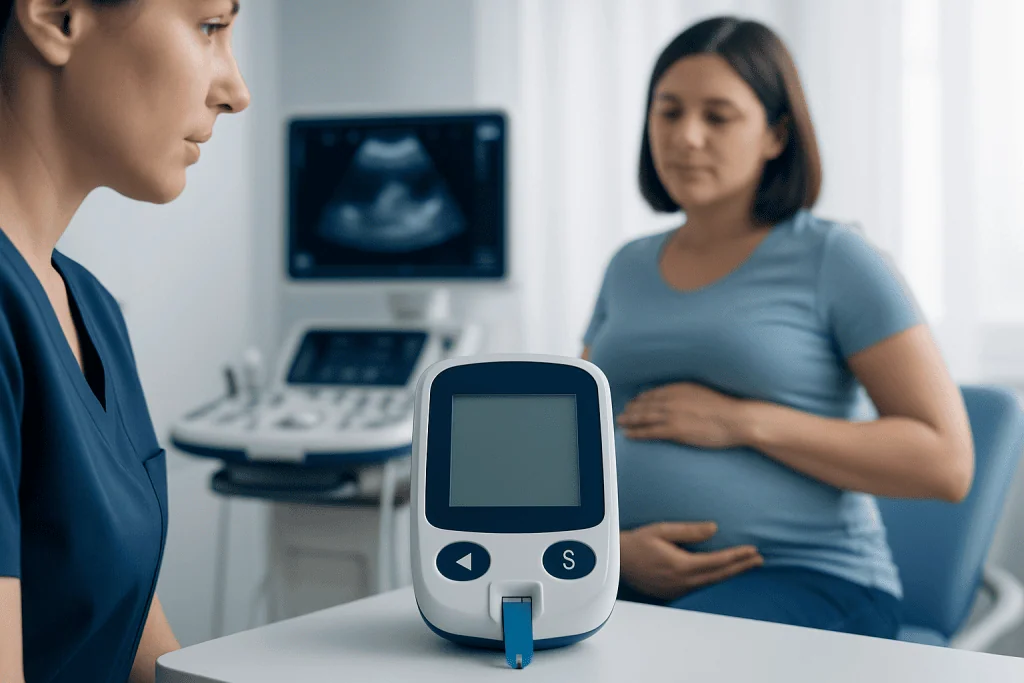
Screening is important because gestational diabetes may not cause noticeable symptoms. Many guidelines recommend routine screening between 24 and 28 weeks of pregnancy, when insulin resistance often becomes more apparent. Some people are screened earlier if they have risk factors such as previous gestational diabetes, higher body weight, polycystic ovary syndrome, a strong family history of diabetes, or high blood sugar found early in pregnancy.
Clinics may use different screening methods depending on national guidelines and the patient’s history. A common approach is a glucose challenge test, in which the patient drinks a sweet glucose solution and has blood drawn after a set time. If the result is above the screening threshold, a longer oral glucose tolerance test may be recommended. Some systems use a one-step oral glucose tolerance test for diagnosis.
The diagnosis is based on blood glucose results, not on how a person feels. It is important to follow the preparation instructions given by the care team, because fasting requirements and timing may differ by test. If results confirm gestational diabetes, the obstetric and diabetes care teams will explain target glucose ranges, monitoring, nutrition planning, and follow-up visits.
Symptoms and Why It Often Goes Unnoticed

Gestational diabetes often has no clear symptoms, which is why routine testing is part of pregnancy care. Some symptoms of high blood sugar, such as increased thirst, frequent urination, fatigue, or blurred vision, can overlap with common pregnancy experiences. This makes laboratory screening more reliable than symptoms alone.
When blood sugar is significantly elevated, a pregnant person may notice unusual thirst, needing to urinate more often than expected, recurrent infections, or feeling unusually tired. However, these signs do not confirm diabetes by themselves, and their absence does not rule it out. Any new or concerning symptoms should be discussed with a qualified healthcare professional.
Because untreated high blood sugar can affect pregnancy even when the mother feels well, attending scheduled prenatal visits is one of the most important steps. Screening provides an opportunity to identify the condition early and begin practical measures that can keep glucose closer to the recommended range.
Risks for Mother and Baby
Gestational diabetes can increase certain pregnancy risks, especially when blood glucose remains above target. For the baby, extra glucose from the mother can lead to increased insulin production and greater growth, sometimes resulting in a larger-than-average baby. This may raise the chance of shoulder dystocia, cesarean delivery, or birth injury, although careful monitoring and delivery planning help reduce these risks.
After birth, some newborns may have low blood sugar because their insulin levels remain high for a short time. Babies may also need monitoring for breathing difficulties, jaundice, or feeding concerns, depending on the pregnancy and delivery circumstances. Pediatric teams are experienced in checking and managing these issues when needed.
For the mother, gestational diabetes is associated with a higher likelihood of high blood pressure disorders during pregnancy and a greater chance of developing type 2 diabetes later in life. It can also recur in future pregnancies. These risks do not mean complications will happen, but they do make follow-up care and long-term prevention especially valuable.
Treatment Options and Daily Glucose Care
Treatment is individualized and usually begins with education. Many people are asked to check blood glucose at home with a finger-prick meter or, in selected cases, a continuous glucose monitoring system. The care team will explain when to test, what the target ranges are, and how to record results. Patterns over several days are often more useful than a single reading.
Nutrition therapy is a central part of care. The goal is not strict dieting, but steady nourishment for pregnancy while avoiding large glucose spikes. A dietitian or diabetes educator may recommend regular meals and snacks, fiber-rich carbohydrates, lean protein, healthy fats, and attention to portion sizes. Carbohydrates are not usually removed completely, because they are an important energy source; instead, the type, amount, and timing are adjusted.
Physical activity can improve insulin sensitivity and support healthy weight gain when it is safe for the pregnancy. Many patients are encouraged to walk or do other moderate activities approved by their obstetrician. If lifestyle measures do not keep glucose in range, medication may be recommended. Insulin is commonly used because it is effective and can be adjusted during pregnancy; in some cases, other medications may be considered according to clinical guidance and local practice.
- Follow the glucose testing plan exactly as advised.
- Bring glucose records to prenatal appointments.
- Do not start weight-loss diets during pregnancy unless specifically directed by a clinician.
- Ask the care team before using supplements or herbal products for blood sugar.
Pregnancy Care, Birth Planning, and After Delivery
Gestational diabetes care usually involves coordinated follow-up between obstetrics, endocrinology or diabetes specialists, dietitians, and sometimes maternal-fetal medicine specialists. Prenatal visits may include review of glucose records, blood pressure checks, urine testing when indicated, and ultrasound assessment of fetal growth. The frequency of monitoring depends on how well glucose is controlled and whether other pregnancy factors are present.
Birth planning is individualized. Some people with well-controlled gestational diabetes can await spontaneous labor within the usual pregnancy timeframe, while others may need a planned induction or cesarean birth for obstetric reasons. The care team considers fetal growth, maternal health, glucose control, prior births, and any complications before recommending a delivery plan.
After delivery, insulin resistance usually improves quickly because the placenta has been delivered. Many people no longer need diabetes medication, but glucose may be checked in the hospital and follow-up testing is still important. Most guidelines recommend postpartum testing for diabetes or prediabetes, often with an oral glucose tolerance test several weeks after birth. Breastfeeding, when possible, may support maternal metabolic health and provides many benefits for the baby.
Prevention, Self-Care, and When to See a Doctor
Not all cases of gestational diabetes can be prevented, because pregnancy hormones and personal risk factors play a role. Still, healthy habits before and during pregnancy can lower risk and support better glucose control. These include entering pregnancy as healthy as possible, choosing balanced meals, staying active if medically safe, attending prenatal visits, and discussing personal risk factors early.
Patients should contact their healthcare provider if home glucose readings are repeatedly above target, if they have difficulty eating due to nausea or vomiting, if they feel unwell, or if they are unsure how to use their glucose monitor. Urgent medical advice is needed for severe symptoms such as persistent vomiting, signs of dehydration, reduced fetal movement, vaginal bleeding, severe headache, vision changes, chest pain, or shortness of breath.
Ongoing support can make gestational diabetes easier to manage. Patients who travel for care or need coordinated specialist input may benefit from a multidisciplinary team. Acibadem International’s JCI-accredited hospitals provide diagnosis and treatment for gestational diabetes for international patients through obstetrics, endocrinology, nutrition, and neonatal care teams.
Frequently asked questions
What causes gestational diabetes?
Gestational diabetes develops when pregnancy hormones make the body more resistant to insulin and the pancreas cannot make enough extra insulin to keep blood glucose normal. It is not caused by eating one particular food. Genetics, age, body weight, previous pregnancy history, and other health conditions can all contribute.
When is gestational diabetes screening done?
Routine screening is often performed between 24 and 28 weeks of pregnancy. Some people are tested earlier if they have risk factors or if high blood sugar is detected at the first prenatal visit. The exact test and timing depend on local guidelines and the patient’s medical history.
Can gestational diabetes be managed without medication?
Many people manage gestational diabetes with nutrition changes, safe physical activity, and regular blood glucose monitoring. If blood sugar remains above target despite these steps, medication may be recommended to protect mother and baby. Needing medication does not mean the patient has failed; it means the body needs additional support during pregnancy.
Will gestational diabetes harm the baby?
Most babies do well when gestational diabetes is diagnosed and managed carefully. Uncontrolled high blood sugar can increase the chance of a larger baby, birth complications, and newborn low blood sugar. Regular monitoring and a clear birth plan help reduce these risks.
Does gestational diabetes go away after birth?
Blood sugar often returns to normal after delivery because the placenta is no longer producing hormones that increase insulin resistance. However, postpartum testing is still important because some people have ongoing prediabetes or diabetes. A history of gestational diabetes also increases the risk of type 2 diabetes later in life.
What should someone eat with gestational diabetes?
A typical plan includes regular meals, high-fiber carbohydrates in measured portions, lean proteins, healthy fats, and limited sugary drinks or sweets. The best plan is individualized because calorie needs, cultural food preferences, weight gain goals, and glucose patterns differ. A dietitian or diabetes educator can help create a safe pregnancy meal plan.
This article is for general information only and is not a substitute for professional medical advice. Please consult a qualified doctor about your individual situation.
Gestational Diabetes in Turkey — costs, top hospitals & a free quote
JCI-accredited · board-certified surgeons · reply within 24h
Add us as a Preferred Source to see more of our trusted health content across Google Search, AI Overviews and Discover.

IVF & Reproductive Health
Assisted reproduction and fertility treatments tailored to each couple.
Related Conditions
More from the Health Library

Endocrinology Second Opinion: When It Is Worth Getting One

Endocrinologist for What? Symptoms and Conditions That Need Specialist Care

Endocrinology Consultation: What to Expect at Your First Appointment

How Diabetes Is Diagnosed: Blood Tests, Symptoms, and Next Steps

Addison’s Disease: Adrenal Insufficiency Symptoms and Care