How Diabetes Is Diagnosed: Blood Tests, Symptoms, and Next Steps

Diabetes is usually diagnosed with an A1C test, fasting plasma glucose test, oral glucose tolerance test, or random blood glucose test. Symptoms such as increased thirst, frequent urination, unexplained weight loss, and fatigue may suggest high blood sugar.
Key Takeaways
- Diabetes is usually diagnosed with an A1C test, fasting plasma glucose test, oral glucose tolerance test, or random blood glucose test.
- Symptoms such as increased thirst, frequent urination, unexplained weight loss, and fatigue may suggest high blood sugar.
- Prediabetes can often be found before diabetes develops, giving people a chance to make lifestyle changes early.
- A single abnormal result may need to be repeated unless symptoms and blood sugar are clearly high.
- After diagnosis, care usually includes education, lifestyle guidance, and a personalized treatment plan.
Diabetes diagnosis is based on blood sugar testing, symptoms, and a clinician’s assessment of overall health. Early diagnosis helps people start treatment, lower the risk of complications, and understand what steps to take next.
Overview of Diabetes Diagnosis
Diabetes diagnosis is the process of confirming whether a person has normal blood sugar levels, prediabetes, or diabetes. Healthcare professionals use specific blood tests to measure how the body handles glucose, which is the main sugar used for energy. These results are then considered together with symptoms, medical history, age, pregnancy status, and any risk factors.
There are several forms of diabetes, including type 1 diabetes, type 2 diabetes, and gestational diabetes. Although they differ in cause, all involve problems with blood sugar regulation. In type 1 diabetes, the body makes little or no insulin. In type 2 diabetes, the body often becomes less responsive to insulin, sometimes alongside insulin resistance. Gestational diabetes develops during pregnancy and needs its own testing approach.
Diagnosis matters because high blood sugar may not always cause obvious symptoms at first. Many people, especially those with early type 2 diabetes, feel well for some time. Routine screening and prompt assessment of symptoms can help identify the condition before complications affect the eyes, kidneys, nerves, heart, or blood vessels.
Common Symptoms That May Lead to Testing
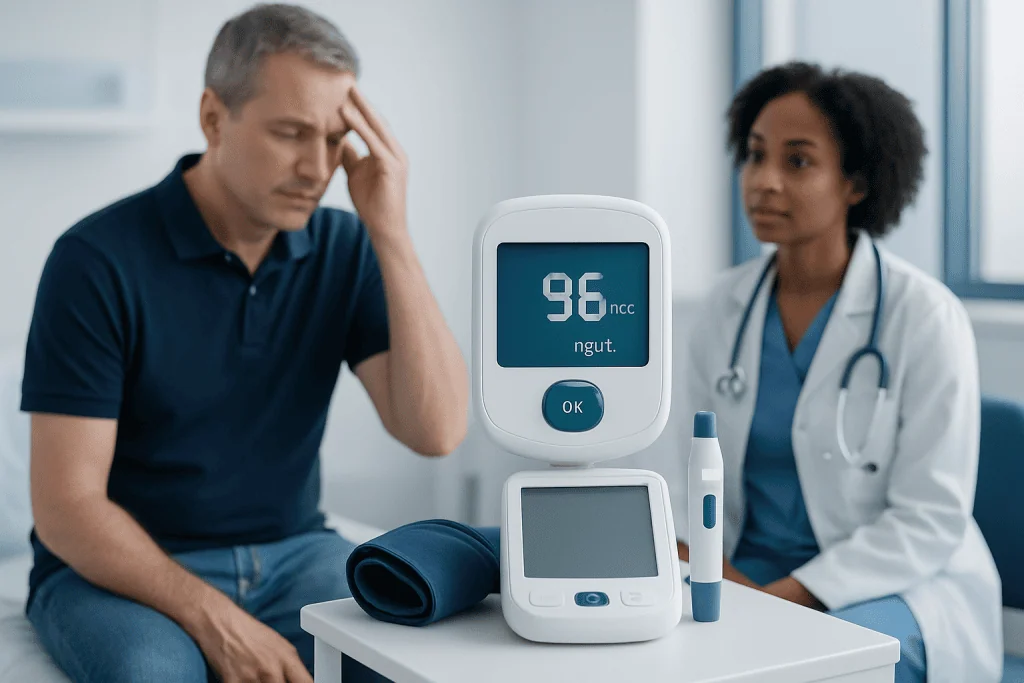
Symptoms of diabetes often develop because excess glucose builds up in the bloodstream. The body tries to remove that glucose through urine, which can lead to increased urination and dehydration. As a result, a person may notice unusual thirst, needing to urinate more often, especially at night, and a dry mouth.
Other symptoms can include increased hunger, tiredness, blurred vision, slow-healing cuts, frequent infections, or unexplained weight loss. In type 1 diabetes, symptoms may appear quite quickly, sometimes over days or weeks. In type 2 diabetes, they often develop more gradually and can be easy to overlook.
Some people are diagnosed only after routine blood testing, without clear symptoms. This is common in prediabetes and type 2 diabetes. Anyone with symptoms suggestive of high blood sugar should arrange medical evaluation rather than relying on symptoms alone to judge whether diabetes is present.
- Excessive thirst
- Frequent urination
- Unexplained weight loss
- Fatigue or low energy
- Blurred vision
- Slow wound healing
- Repeated skin, gum, or urinary infections
Blood Tests Used to Diagnose Diabetes

Doctors diagnose diabetes with standardized blood tests rather than symptoms alone. The most widely used test is the A1C test, also called glycated hemoglobin. It shows the average blood sugar level over the previous two to three months. This can be especially useful when symptoms are mild or absent, although it may be less reliable in some blood disorders or certain medical conditions.
Another common test is the fasting plasma glucose test. This measures blood sugar after a period without eating, usually overnight. It helps show how the body manages glucose in a resting state. The oral glucose tolerance test is another option. It checks blood sugar before and after drinking a glucose-containing liquid to see how efficiently the body processes sugar over time.
A random plasma glucose test may be used when symptoms are strong and diabetes is suspected urgently. If a person has classic symptoms and a clearly elevated random glucose level, this can support diagnosis quickly. In some situations, particularly in pregnancy, clinicians may use a structured screening process to look specifically for gestational diabetes.
Sometimes an abnormal result is repeated on a different day to confirm the diagnosis. This is often done when symptoms are not obvious. Confirmatory testing helps make sure the result is accurate and not affected by temporary illness, stress, or laboratory variation.
Who Should Be Screened and What Raises Risk
Screening is important because type 2 diabetes and prediabetes can develop silently. Adults with risk factors may be advised to have blood sugar testing even if they feel well. Screening may also begin earlier or happen more often for people at higher risk.
Common risk factors include being overweight, having a family history of type 2 diabetes, being physically inactive, having a history of gestational diabetes, or having high blood pressure or abnormal cholesterol levels. Risk also rises with age in many people. Certain ethnic backgrounds and some medical conditions can increase the likelihood of diabetes as well.
Doctors may also consider related hormonal and metabolic health issues when evaluating risk. For example, endocrine disorders can affect glucose balance, though they are not the most common cause of diabetes. Screening can also identify people in an intermediate stage before diabetes develops, allowing earlier action through weight management, regular activity, and healthier eating patterns.
People who have previously been told they have borderline blood sugar should continue follow-up. Detecting prediabetes early can create an opportunity to reduce the chance of progressing to full diabetes through practical lifestyle changes and medical guidance.
How Doctors Confirm the Type of Diabetes
After finding high blood sugar, doctors also work out what type of diabetes is present. This step is important because treatment differs between type 1, type 2, and gestational diabetes. The person’s age, symptoms, weight pattern, speed of onset, and family history may all provide clues, but these features alone are not enough to make the distinction in every case.
In some situations, additional tests may be recommended. These can include tests for diabetes-related autoantibodies or C-peptide, which helps show how much insulin the body is producing. Such tests are especially helpful when the presentation is unclear, such as an adult with rapid weight loss or a younger person who does not fit a typical type 2 diabetes pattern.
Doctors also assess whether the person has complications or associated conditions at the time of diagnosis. This may include blood pressure measurement, kidney function testing, cholesterol checks, and an eye examination plan. The goal is not only to label the condition but also to understand the broader picture of health so treatment can be tailored safely and effectively.
What Happens After a Diabetes Diagnosis
Once diabetes is diagnosed, the next steps usually include education, further assessment, and a treatment plan matched to the individual. Many people need repeat blood tests, discussion about eating habits and exercise, and guidance on how to monitor blood sugar. The approach depends on the type of diabetes, blood sugar level, symptoms, and whether urgent treatment is needed.
Type 1 diabetes requires insulin treatment because the body does not produce enough insulin on its own. Type 2 diabetes may be managed with lifestyle changes alone at first, or with medication in addition to these changes. Some people may eventually need insulin as part of their care. The plan may also include help with weight management, blood pressure, cholesterol, and smoking cessation.
Learning how diabetes affects daily life is an important part of care. People may be taught how food, activity, illness, sleep, and stress influence blood sugar. A care team may include endocrinologists, primary care doctors, diabetes nurses, dietitians, and eye specialists. When appropriate, broader metabolic support may be discussed through services such as obesity surgery or structured health check-up programs if these fit the person’s overall health needs.
For international patients seeking assessment and treatment, Acibadem International’s multidisciplinary specialists in JCI-accredited hospitals provide diagnosis and diabetes care planning tailored to the individual’s medical profile.
Prevention and Self-Care for Prediabetes and Type 2 Diabetes Risk
Not every case of diabetes can be prevented, especially type 1 diabetes. However, many people can lower their risk of type 2 diabetes or delay its onset. The most effective steps are usually practical and sustainable: regular physical activity, balanced meals, weight management where appropriate, good sleep habits, and consistent follow-up with a healthcare professional.
For people with prediabetes, even modest improvements in diet and activity can make a meaningful difference. Choosing more vegetables, fiber-rich foods, lean proteins, and less highly processed sugar-heavy foods may help blood sugar control. Activity does not have to be intense to be useful; regular walking and strength-building exercise can both support better metabolic health.
Self-care also includes understanding personal risk. People with a strong family history, previous gestational diabetes, or other metabolic concerns should not wait for symptoms to appear before getting tested. Ongoing check-ups can help track blood sugar over time and may identify changes early, before symptoms or complications develop.
When to See a Doctor
A person should see a doctor if they notice symptoms such as unusual thirst, frequent urination, unexplained weight loss, ongoing fatigue, blurred vision, or repeated infections. These symptoms do not always mean diabetes, but they do deserve proper evaluation. Early testing can bring clarity and help prevent delays in treatment.
Medical attention is especially important if symptoms appear suddenly or are severe. In some cases, very high blood sugar can lead to dehydration, nausea, vomiting, abdominal pain, deep breathing, or confusion. These symptoms need urgent care, particularly when type 1 diabetes is a possibility.
Even without symptoms, people at risk should ask about screening during routine care. Regular check-ups are a sensible way to detect blood sugar changes early and discuss whether additional evaluation is needed. Prompt diagnosis gives people the best chance to start treatment, build healthy routines, and protect long-term health.
Frequently asked questions
What is the main test used for diabetes diagnosis?
The A1C test is one of the main tests used for diabetes diagnosis because it reflects average blood sugar over the past two to three months. Doctors may also use a fasting plasma glucose test, an oral glucose tolerance test, or a random blood glucose test depending on the situation.
Can diabetes be diagnosed without symptoms?
Yes. Many people, especially those with prediabetes or type 2 diabetes, have no obvious symptoms when the condition is first found. Routine screening or blood tests done for other reasons may reveal high blood sugar.
What is the difference between prediabetes and diabetes?
Prediabetes means blood sugar is higher than normal but not high enough to meet the criteria for diabetes. It is an important warning stage because lifestyle changes and medical follow-up may help delay or prevent progression to type 2 diabetes.
Does one abnormal blood test mean a person definitely has diabetes?
Not always. If symptoms are not clear, doctors often repeat the same test or confirm the result with a second test on another day. This helps make sure the diagnosis is accurate.
How do doctors know if it is type 1 or type 2 diabetes?
Doctors look at symptoms, age, body weight pattern, family history, and how quickly the condition developed. If needed, they may order additional tests such as autoantibody tests or C-peptide to help identify the type of diabetes more clearly.
Can type 2 diabetes be prevented?
Type 2 diabetes cannot always be prevented, but many people can lower their risk. Healthy eating, regular physical activity, weight management, and routine screening are key steps, especially for those with prediabetes or a family history of diabetes.
This article is for general information only and is not a substitute for professional medical advice. Please consult a qualified doctor about your individual situation.
Explore treatments in Turkey — costs, top hospitals & a free quote
JCI-accredited · board-certified surgeons · reply within 24h
Add us as a Preferred Source to see more of our trusted health content across Google Search, AI Overviews and Discover.
Check your numbers in seconds
BMI, calories, due date, blood pressure and 30+ more clinical calculators — free, instant, doctor-reviewed ranges.

Related Conditions
More from the Health Library

Thyroid Doctor Explained: Who Treats Thyroid Problems and How

Living with Endocrine Disorders: Daily Self-Care, Follow-Up, and Monitoring

Pheochromocytoma: Sudden High Blood Pressure, Sweating, and Adrenal Tumors

Thyroid Doctor: When You Need an Endocrinologist for Thyroid Problems

Diabetic Ketoacidosis: Warning Signs and Emergency Treatment