Pheochromocytoma: Sudden High Blood Pressure, Sweating, and Adrenal Tumors

Pheochromocytoma is usually a rare adrenal tumor that produces too much adrenaline-like hormone. Common symptoms include sudden high blood pressure, headache, sweating, palpitations, and anxiety-like episodes.
Key Takeaways
- Pheochromocytoma is usually a rare adrenal tumor that produces too much adrenaline-like hormone.
- Common symptoms include sudden high blood pressure, headache, sweating, palpitations, and anxiety-like episodes.
- Diagnosis usually involves blood or urine tests for catecholamines and imaging to locate the tumor.
- Treatment most often includes careful preparation with medicines followed by surgery.
- Some cases are linked to inherited genetic syndromes, so genetic counseling may be recommended.
Pheochromocytoma is a rare tumor that usually forms in the adrenal glands and can release excess stress hormones. This can lead to episodes of high blood pressure, sweating, headache, and a fast heartbeat, but timely diagnosis and treatment are often very effective.
Overview
Pheochromocytoma is a rare tumor that develops most often in the adrenal glands, which sit above the kidneys. These glands normally make hormones that help the body respond to stress. When a pheochromocytoma forms, it may release too much of these hormones, especially adrenaline and noradrenaline, causing sudden or ongoing symptoms.
Most pheochromocytomas are noncancerous, but they can still be serious because of their effects on blood pressure and the heart. The tumor may cause brief attacks of symptoms or more constant problems. In some people, it is found during testing for difficult-to-control high blood pressure or by chance on imaging done for another reason.
A closely related tumor, called a paraganglioma, can form outside the adrenal glands in similar hormone-producing tissue. Both conditions are managed in similar ways, although their location and behavior can differ. Because these tumors are uncommon and symptoms can resemble other conditions, diagnosis may take time.
Symptoms

The classic symptoms of pheochromocytoma are episodes of high blood pressure, severe headache, heavy sweating, and a rapid or pounding heartbeat. These episodes may last from minutes to longer periods and can happen occasionally or more often over time. Some people also notice shaking, pallor, chest discomfort, shortness of breath, nausea, or a strong feeling of anxiety or panic.
Not everyone has the same pattern. Blood pressure may rise only during attacks, or it may stay elevated between episodes as well. Symptoms can be triggered by physical exertion, emotional stress, surgery, certain medicines, pressure on the tumor, or sometimes no clear trigger at all.
Because the symptoms overlap with many other disorders, pheochromocytoma can be mistaken for panic attacks, migraine, heart rhythm problems, or other hormonal conditions. Ongoing symptoms such as weight loss, tiredness, constipation, or problems with blood sugar may also occur. Some endocrine disorders can share overlapping features, though they have different causes, such as overactive thyroid conditions—if applicable this overlap is considered during evaluation.
- Sudden or severe high blood pressure
- Headache, often intense
- Excessive sweating
- Palpitations or fast heartbeat
- Tremor, anxiety, or sense of doom
- Chest or abdominal pain in some cases
Causes and Risk Factors
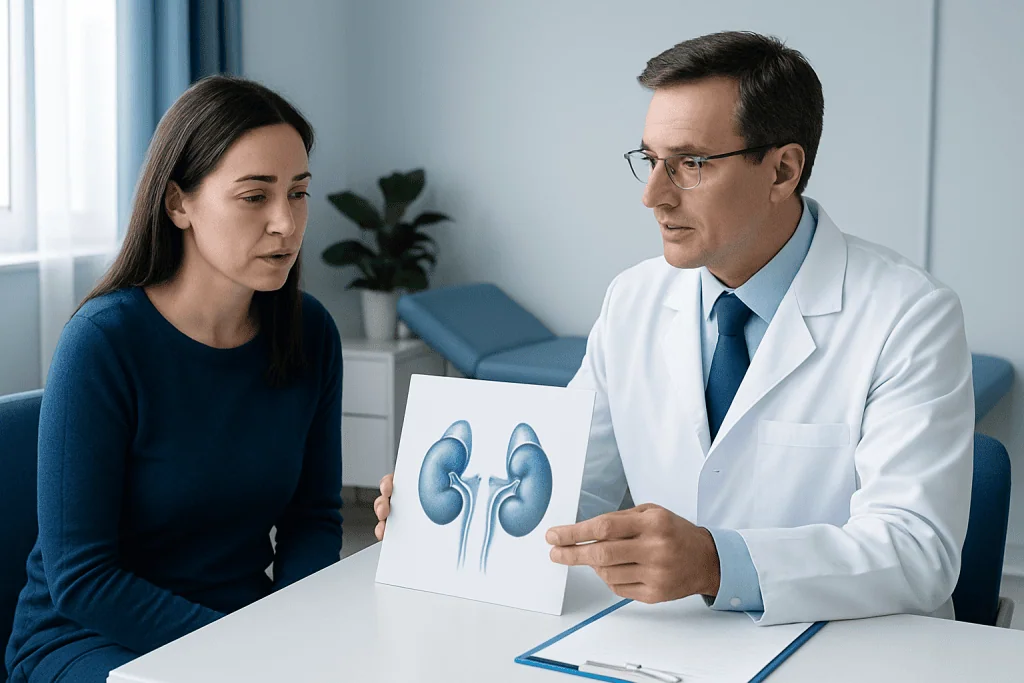
Pheochromocytoma develops when certain cells in the adrenal gland grow abnormally and begin making excess catecholamines, the hormones involved in the body’s “fight or flight” response. The exact reason this starts is not always clear. In many cases, the tumor appears without an obvious cause.
However, a meaningful number of cases are linked to inherited genetic syndromes. These may include multiple endocrine neoplasia type 2, von Hippel-Lindau syndrome, neurofibromatosis type 1, and hereditary paraganglioma-pheochromocytoma syndromes. For this reason, doctors may suggest genetic testing, especially in younger patients, people with tumors in both adrenal glands, those with multiple tumors, or anyone with a family history.
Certain situations can make symptoms more noticeable even if they do not cause the tumor itself. These include stress, heavy physical activity, surgery, childbirth, some decongestants or stimulant medications, and rarely certain foods or substances. Having other endocrine problems does not usually cause pheochromocytoma, but a doctor may evaluate for related hormone conditions during the workup, especially in patients with a broader endocrine syndrome.
How Pheochromocytoma Is Diagnosed
Diagnosis usually begins with a careful review of symptoms, blood pressure patterns, family history, and medication use. Because many common problems can mimic pheochromocytoma, the first step is often to confirm whether the body is producing too much catecholamine-related hormone. The most commonly used tests are plasma free metanephrines or a 24-hour urine collection measuring metanephrines and catecholamines.
If these tests suggest a pheochromocytoma, imaging is used to locate the tumor. A CT scan or MRI of the abdomen is often the next step. In selected cases, specialized nuclear medicine scans may help identify very small tumors, multiple tumors, or disease outside the adrenal glands.
Additional testing may be needed to check heart health, kidney function, blood sugar, and other hormone systems. Doctors may also look for signs of associated hereditary syndromes. Because diagnosis and treatment planning can be complex, patients are often cared for by an endocrinologist together with surgeons, anesthesiologists, and imaging specialists.
Treatment Options
The main treatment for pheochromocytoma is surgical removal of the tumor. Before surgery, patients usually need careful medical preparation to control blood pressure and reduce the effects of excess hormone release. This preparation is very important for safety because manipulating the tumor during surgery can trigger sudden blood pressure changes.
Doctors commonly prescribe medicines that block the effects of catecholamines before the operation, and sometimes additional drugs are added to control heart rate. Patients may also be advised to increase fluid and salt intake under medical guidance to help stabilize circulation. Once the body is well prepared, surgery can usually be performed more safely, often using minimally invasive techniques when appropriate.
If the tumor is cancerous, cannot be fully removed, or has spread, treatment may involve a broader plan with several specialists. This can include blood pressure control, targeted imaging-based therapies, radiation-related approaches, or systemic treatment depending on the case. Ongoing follow-up is important after surgery because some tumors can recur, especially in hereditary forms.
At experienced centers, care may involve endocrine evaluation, advanced imaging, and robotic surgery or other adrenal surgery techniques when suitable. Near the end of the care pathway, centers such as Acibadem International offer multidisciplinary evaluation and treatment for international patients in JCI-accredited hospitals.
Prevention and Self-Care
There is no known way to prevent most pheochromocytomas, especially when they arise sporadically. The most practical form of prevention is early recognition. People with repeated spells of headache, sweating, palpitations, or hard-to-control high blood pressure should discuss these symptoms with a doctor, particularly if there is a family history of endocrine tumors.
For people already diagnosed, self-care focuses on avoiding triggers and following the treatment plan closely. Blood pressure should be monitored as advised, and all prescribed medicines should be taken exactly as directed, especially in the days or weeks before surgery. It is also wise to inform all healthcare providers about the diagnosis, since some medications or procedures may need extra caution.
Relatives of patients with inherited forms may be advised to consider genetic counseling and screening. This can help detect related tumors earlier and guide follow-up. In endocrine practice, doctors may also assess for other hormone-related conditions when symptoms suggest them, such as thyroid nodules or hypercalcemia in specific inherited syndromes.
When to See a Doctor
A person should see a doctor if they have repeated episodes of severe headache, sweating, palpitations, tremor, or sudden spikes in blood pressure. Medical review is also important when high blood pressure begins at a young age, is difficult to control with standard treatment, or is accompanied by unusual attacks of anxiety-like symptoms.
Urgent medical attention is needed for severe chest pain, fainting, shortness of breath, stroke-like symptoms, or a dangerously high blood pressure reading, especially if these occur during one of the typical attacks. Although pheochromocytoma is rare, these symptoms should never be ignored.
People with a family history of pheochromocytoma, paraganglioma, or related inherited syndromes should mention this to their doctor even if they feel well. Early testing can be important in some families. A qualified endocrinologist can decide whether hormone testing, imaging, or genetic assessment is appropriate.
Frequently asked questions
Is pheochromocytoma cancer?
Most pheochromocytomas are not cancerous. Even when benign, they can still cause serious symptoms because they release excess hormones. Doctors assess each tumor carefully to look for spread, recurrence risk, and any genetic background.
Can pheochromocytoma cause panic attack-like symptoms?
Yes. Pheochromocytoma can cause episodes of pounding heart, sweating, shaking, and intense anxiety that may feel similar to panic attacks. The difference is that these symptoms are driven by excess hormone release, so medical testing is important when episodes are recurrent or accompanied by high blood pressure.
How is pheochromocytoma different from regular high blood pressure?
Typical high blood pressure often has no symptoms and develops for common reasons such as age, weight, or family history. Pheochromocytoma-related high blood pressure may be sudden, severe, and linked to spells of headache, sweating, and palpitations. It usually needs special hormone testing to confirm the cause.
Is surgery always needed for pheochromocytoma?
Surgery is the standard treatment for most localized pheochromocytomas because it removes the source of excess hormone production. However, careful preparation with medicines is usually required first. In more complex cases, doctors may combine surgery with other treatments or use a different plan if surgery is not suitable.
Can pheochromocytoma run in families?
Yes. A significant number of cases are linked to inherited genetic syndromes. Because of this, doctors may recommend genetic counseling or testing, especially for younger patients, people with multiple tumors, or those with a family history.
What tests are used to diagnose pheochromocytoma?
Doctors usually start with blood or 24-hour urine tests that measure metanephrines and related hormones. If results are suggestive, imaging such as CT or MRI is used to locate the tumor. Some patients also need specialized scans or genetic testing.
This article is for general information only and is not a substitute for professional medical advice. Please consult a qualified doctor about your individual situation.
Pheochromocytoma in Turkey — costs, top hospitals & a free quote
JCI-accredited · board-certified surgeons · reply within 24h
Add us as a Preferred Source to see more of our trusted health content across Google Search, AI Overviews and Discover.
Check your numbers in seconds
BMI, calories, due date, blood pressure and 30+ more clinical calculators — free, instant, doctor-reviewed ranges.

Related Conditions
More from the Health Library

Hyperparathyroidism: High Calcium Levels, Bone Health, and Treatment

Prediabetes: Risk Factors, Reversal Strategies, and Follow-Up Testing

Diabetes Specialist: When Primary Care Is Not Enough

Thyroid Doctor: Who to See for Thyroid Problems

Endocrinology Definition: What This Medical Specialty Covers