

Diabetes Specialist: When Primary Care Is Not Enough

Primary care can manage many people with diabetes, but some situations need specialist support. A diabetes specialist is often an endocrinologist with expertise in blood sugar disorders and related hormone conditions.
Key Takeaways
- Primary care can manage many people with diabetes, but some situations need specialist support.
- A diabetes specialist is often an endocrinologist with expertise in blood sugar disorders and related hormone conditions.
- Frequent highs or lows, medication side effects, pregnancy, or signs of complications are common reasons for referral.
- Specialist care may include advanced testing, technology such as continuous glucose monitoring, and individualized treatment plans.
- Early specialist input can help protect the eyes, kidneys, nerves, heart, and overall quality of life.
A diabetes specialist can provide more advanced evaluation and treatment when routine care is not enough to keep blood sugar in a healthy range. Specialist care may also be helpful during pregnancy, when complications appear, or when diabetes is difficult to diagnose or manage.
Overview
A diabetes specialist is a doctor with advanced training in diagnosing and managing diabetes and related hormone conditions. In many cases, a primary care doctor can effectively oversee routine diabetes care, especially when blood sugar levels are stable and treatment is straightforward. However, diabetes is a complex condition that can change over time, and some people benefit from a more specialized approach.
Most diabetes specialists are endocrinologists. They understand how insulin, the pancreas, thyroid, adrenal glands, and other hormone systems affect metabolism. Because diabetes often overlaps with conditions such as obesity, thyroid disease, high cholesterol, and high blood pressure, specialist care can be useful when more than one issue is affecting blood sugar control.
Seeing a diabetes specialist does not mean primary care has failed. Rather, it usually means the person needs additional expertise, a second look at the diagnosis, or a more detailed treatment plan. In many situations, primary care and specialist teams work together to provide ongoing, coordinated care.
What a Diabetes Specialist Does
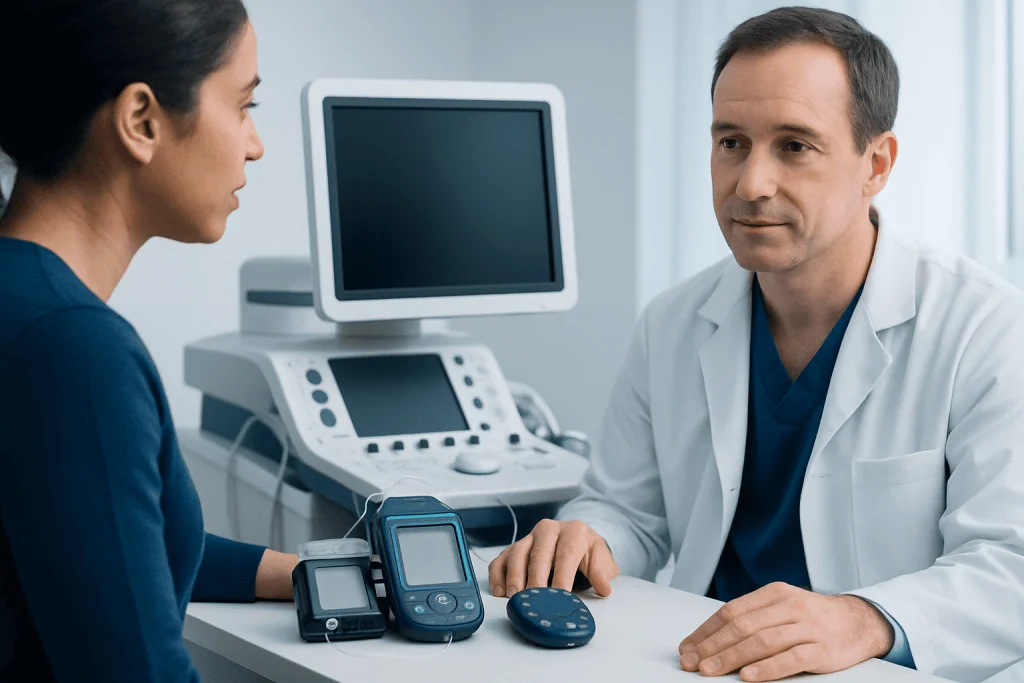
A diabetes specialist helps confirm the type of diabetes, identify why glucose levels are not at target, and recommend the most suitable treatment plan. This may include reviewing diet, physical activity, medications, injection technique, blood sugar records, and the presence of other medical conditions that can affect diabetes management.
Specialists often help people with type 1 diabetes, type 2 diabetes, gestational diabetes, and less common forms of diabetes. They may also evaluate related concerns such as prediabetes or insulin resistance when a person is at high risk of developing diabetes or has unexplained metabolic changes.
In addition, a diabetes specialist may coordinate care with diabetes educators, dietitians, ophthalmologists, podiatrists, kidney specialists, cardiologists, and pregnancy care teams. This multidisciplinary approach can be especially helpful when diabetes affects more than blood sugar alone.
Signs Primary Care May Not Be Enough

There are several situations in which referral to a diabetes specialist is often appropriate. One of the most common is blood sugar that remains consistently above or below target despite following the treatment plan. Repeated low blood sugar episodes, especially those that happen at night or without warning signs, also deserve specialist assessment.
Specialist care may be needed when treatment becomes more complex. Examples include starting or adjusting insulin, using an insulin pump, learning continuous glucose monitoring, managing multiple medications, or dealing with difficult side effects. A specialist can also help when it is unclear whether a person has type 1 diabetes, type 2 diabetes, latent autoimmune diabetes in adults, or another form of the condition.
Other reasons for referral include diabetes during pregnancy, planning a pregnancy, rapid worsening of blood sugar, unexplained weight loss, recurrent diabetic ketoacidosis, or signs of organ damage. Sometimes blood sugar becomes harder to control because another hormone problem is present, such as thyroid disease. In those cases, the specialist may assess the full endocrine picture rather than diabetes in isolation.
- Frequent high blood sugar despite treatment
- Repeated low blood sugar or hypoglycemia unawareness
- Need for insulin pump or continuous glucose monitor support
- Pregnancy, fertility planning, or gestational diabetes
- Kidney, eye, nerve, or foot complications
- Uncertain diagnosis or concern for another hormone disorder
Symptoms and Complications That Need Closer Attention
Diabetes itself can cause symptoms such as increased thirst, frequent urination, fatigue, blurred vision, increased hunger, and unintended weight changes. When these symptoms are new, getting worse, or not improving with treatment, specialist input can be useful. The goal is to understand whether poor control, medication problems, or another underlying issue is responsible.
Complications are another important reason to seek more advanced care. Diabetes can affect many organs over time, including the eyes, kidneys, nerves, heart, and blood vessels. Warning signs may include numbness or burning in the feet, slow-healing wounds, swelling, changes in vision, chest discomfort, or worsening blood pressure.
Some people also have overlapping endocrine conditions that influence metabolism and energy levels. For example, thyroid disorders or nutritional concerns such as vitamin D deficiency may coexist with diabetes and affect overall health. A diabetes specialist can decide whether broader endocrine testing is appropriate and whether these conditions may be contributing to symptoms.
How a Diabetes Specialist Evaluates the Problem
The assessment usually begins with a detailed medical history and a review of previous blood sugar results. The specialist may ask about symptoms, family history, pregnancy history, eating patterns, physical activity, sleep, stress, medication use, and episodes of very high or low blood sugar. Home glucose logs and data from wearable devices can provide valuable information.
Laboratory testing often includes hemoglobin A1c, kidney function, cholesterol, urine protein, and sometimes blood tests that help clarify the type of diabetes. Depending on the situation, the doctor may check thyroid function, liver function, antibodies, or C-peptide levels. The feet, blood pressure, weight, and injection sites may also be examined.
When needed, the specialist may recommend additional tools to understand patterns more clearly. Continuous glucose monitoring can show overnight lows, post-meal spikes, and daily trends that are difficult to capture with occasional finger-stick checks alone. This information supports more precise treatment decisions and can help reduce both symptoms and risk.
Treatment Options a Specialist May Recommend
Treatment depends on the type of diabetes, the person’s age, other medical conditions, and their day-to-day lifestyle. A specialist may fine-tune meal planning, physical activity, sleep routines, and medication timing. They may also adjust oral medicines, non-insulin injectables, or insulin regimens to better match the body’s needs.
For some people, technology plays an important role. A diabetes specialist may recommend continuous glucose monitoring or more structured insulin delivery strategies. When appropriate, care may involve advanced education on insulin pump therapy or support with continuous glucose monitoring to improve safety and confidence in daily management.
If diabetes has led to complications, treatment may also include screening and protective care for the eyes, kidneys, heart, and feet. In people with severe obesity or metabolic disease, the specialist may discuss broader options such as bariatric surgery when clinically appropriate as part of a long-term risk-reduction plan. The focus is usually on building a plan that is realistic, sustainable, and individualized.
Self-Care, Prevention, and Working With the Care Team
Even when specialist care is needed, daily self-management remains the foundation of diabetes treatment. Helpful habits include taking medicines as prescribed, monitoring glucose as advised, choosing balanced meals, staying physically active, getting enough sleep, and avoiding smoking. Small, steady changes are often more sustainable than strict short-term efforts.
Preventing complications also means keeping up with regular checkups. People with diabetes generally benefit from eye exams, foot checks, kidney monitoring, blood pressure review, and cholesterol management. Vaccinations and dental care are important as well, because infections and gum disease can make blood sugar harder to control.
A supportive care team can make diabetes less overwhelming. Education from nurses, dietitians, and certified diabetes educators may improve confidence with meal planning, monitoring, sick-day care, and medication use. If emotional stress, burnout, or anxiety is affecting self-care, mental health support can also be an important part of treatment.
When to See a Doctor Urgently
Some situations need prompt medical attention rather than a routine referral. A person should seek urgent care for severe low blood sugar, confusion, fainting, severe dehydration, vomiting, deep or rapid breathing, or signs of diabetic ketoacidosis such as nausea, abdominal pain, and fruity-smelling breath. These symptoms can become serious quickly.
Urgent evaluation is also important for chest pain, sudden shortness of breath, new weakness, sudden vision loss, or a foot wound that is red, swollen, painful, or not healing. These may signal a complication that needs immediate treatment. If a person is pregnant and blood sugar is not controlled, prompt specialist advice is especially important.
For non-emergency concerns, a planned consultation with a diabetes specialist can still be very valuable. Acibadem International’s multidisciplinary specialists in JCI-accredited hospitals diagnose and treat diabetes and related endocrine conditions for international patients, working alongside primary care and other relevant teams when more advanced support is needed.
Frequently asked questions
What kind of doctor is a diabetes specialist?
A diabetes specialist is usually an endocrinologist, a doctor who treats hormone and metabolism disorders. Many also work closely with diabetes educators, dietitians, and other specialists to support long-term care.
When should someone ask for a referral to a diabetes specialist?
A referral is often helpful when blood sugar remains out of range despite treatment, when low blood sugar happens often, or when the diagnosis is uncertain. Pregnancy, insulin therapy, diabetes technology, and signs of complications are also common reasons for specialist care.
Can primary care still be involved after seeing a specialist?
Yes. In many cases, primary care and the diabetes specialist share care and communicate regularly. This approach can be helpful because diabetes often overlaps with blood pressure, cholesterol, weight, and general preventive health needs.
Does seeing a specialist mean the diabetes is severe?
Not necessarily. Sometimes specialist care is needed simply because treatment has become more complex or a person wants help using newer technologies. Early expert guidance may improve control and help prevent complications later.
What should a person bring to a diabetes specialist appointment?
It is helpful to bring a list of medicines, glucose records, device data if available, recent lab results, and questions about symptoms or treatment problems. Information about meals, exercise, and episodes of low blood sugar can also help the doctor identify patterns.
Can a diabetes specialist help with prediabetes too?
Yes. A specialist may evaluate people with prediabetes, insulin resistance, or a strong family history of diabetes, especially when weight, hormones, or other metabolic concerns are involved. The goal is often to lower future risk through personalized lifestyle and medical strategies.
This article is for general information only and is not a substitute for professional medical advice. Please consult a qualified doctor about your individual situation.
Explore treatments in Turkey — costs, top hospitals & a free quote
JCI-accredited · board-certified surgeons · reply within 24h
Add us as a Preferred Source to see more of our trusted health content across Google Search, AI Overviews and Discover.
Check your numbers in seconds
BMI, calories, due date, blood pressure and 30+ more clinical calculators — free, instant, doctor-reviewed ranges.

Related Conditions
More from the Health Library

What Does an Endocrinologist Do? A Patient Guide to Hormone Care

What Is an Endocrinologist and When Should You See One?

Endocrinology Tests: Blood Work, Hormone Panels, and What Results Mean

What Is an Endocrinologist? What They Do and When to See One

Addison’s Disease: Adrenal Insufficiency Symptoms and Care

What Does an Endocrinologist Do? Common Tests and Treatments Explained
Endocrinology Specialists at Acibadem

Assoc. Prof. Dr. Sinan Kırım
Endocrinology
Assoc. Prof. Dr. Tuğçe Apaydın
Endocrinology
Dr. Tural Safarlı
Endocrinology
Assoc. Prof. Dr. Adnan Batman (m)
Endocrinology