

What Does an Endocrinologist Do? A Patient Guide to Hormone Care

An endocrinologist is a specialist in hormones, metabolism, and endocrine gland disorders. They commonly treat diabetes, thyroid disease, osteoporosis, adrenal disorders, and pituitary conditions.
Key Takeaways
- An endocrinologist is a specialist in hormones, metabolism, and endocrine gland disorders.
- They commonly treat diabetes, thyroid disease, osteoporosis, adrenal disorders, and pituitary conditions.
- Symptoms of hormone imbalance can be vague, so blood tests, imaging, and careful follow-up are often important.
- Treatment may include lifestyle changes, medication, hormone replacement, monitoring, or referral for procedures or surgery when needed.
- People should consider seeing an endocrinologist if symptoms persist, tests are abnormal, or a condition is complex or hard to control.
An endocrinologist is a doctor who diagnoses and treats conditions linked to hormones and the glands that produce them. They help manage problems such as diabetes, thyroid disease, osteoporosis, adrenal disorders, and pituitary conditions through testing, long-term monitoring, and personalized treatment.
Overview: What an endocrinologist does
An endocrinologist is a medical doctor who specializes in the endocrine system. This system includes glands such as the thyroid, pancreas, adrenal glands, pituitary gland, parathyroid glands, ovaries, and testes. These glands make hormones, which are chemical messengers that help regulate growth, metabolism, blood sugar, reproduction, bone health, sleep, mood, and many other body functions.
Because hormones affect so many organs, endocrine problems can cause a wide range of symptoms. An endocrinologist looks at the bigger picture, connecting symptoms, medical history, physical examination findings, and test results to understand whether a hormone imbalance is contributing to a person’s health concerns.
Many people see an endocrinologist for diabetes or thyroid disease, but the specialty is broader than that. Endocrinologists also diagnose and manage conditions involving cholesterol metabolism, obesity, low bone density, menstrual irregularities, infertility related to hormones, low testosterone, growth disorders, adrenal disease, calcium imbalance, and pituitary disorders.
In most cases, an endocrinologist works closely with a primary care doctor and other specialists. The goal is not only to identify the hormone problem, but also to create a treatment plan that helps improve symptoms, lowers health risks, and supports long-term well-being.
Common conditions an endocrinologist treats
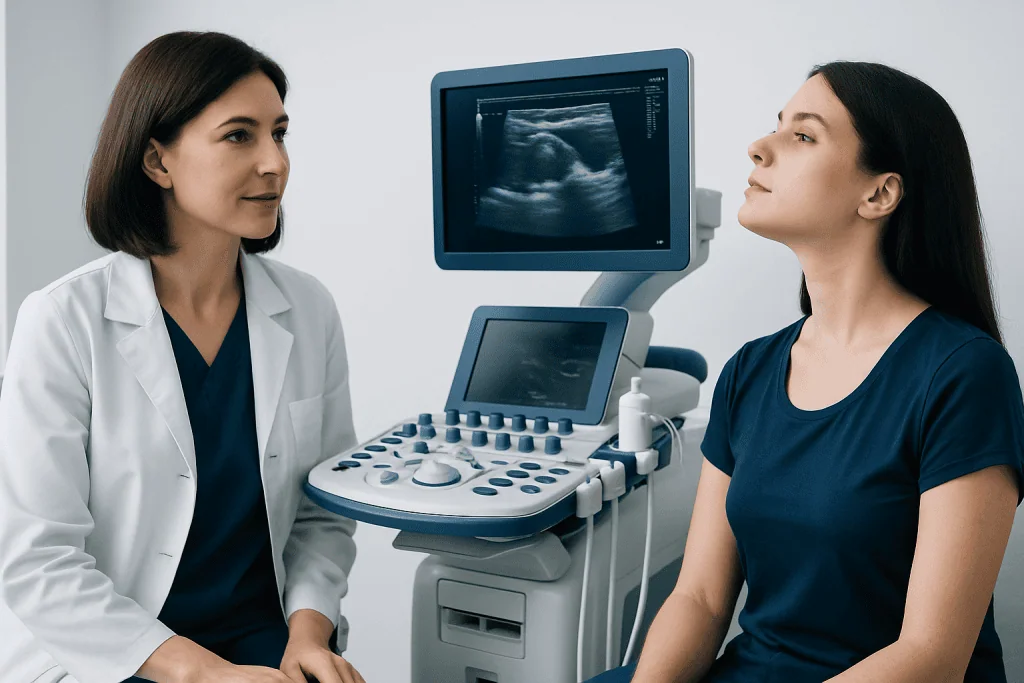
One of the most common reasons to see an endocrinologist is diabetes, including type 1 diabetes, type 2 diabetes, gestational diabetes, and difficult-to-manage blood sugar problems. Endocrinologists also evaluate people with prediabetes or insulin resistance, especially when lifestyle changes and routine care need more specialized support.
Thyroid conditions are another major part of endocrine care. These include an underactive thyroid, overactive thyroid, thyroid enlargement such as goiter, thyroid inflammation, and lumps or growths in the gland, including thyroid nodules. People may be referred after abnormal thyroid blood tests, a neck swelling, or symptoms such as fatigue, weight changes, tremor, or palpitations.
Endocrinologists also care for disorders affecting the pituitary and adrenal glands. Examples include Cushing syndrome, Addison disease, hormonal causes of high blood pressure, abnormal cortisol levels, and pituitary hormone deficiencies or excess. They may also treat calcium and bone disorders such as osteoporosis, parathyroid disease, and vitamin D-related problems.
Reproductive and metabolic hormone issues are also common. These may include polycystic ovary syndrome, menstrual irregularities, menopause-related hormone concerns, low testosterone, delayed puberty, and some causes of infertility. In children and adolescents, pediatric endocrine care may address growth concerns, early or delayed puberty, and certain inherited endocrine conditions.
Symptoms that may point to a hormone problem

Hormone-related symptoms are often not specific, which means they can overlap with many other conditions. A person may notice ongoing tiredness, unexplained weight gain or weight loss, increased thirst, frequent urination, heat or cold intolerance, constipation, diarrhea, sweating, shakiness, or changes in appetite. While these symptoms do not always mean an endocrine disorder is present, they can be important clues.
Some people develop visible changes, such as neck swelling, skin darkening, acne, hair thinning, excess hair growth, or swelling in the face or legs. Others notice changes in mood, sleep, concentration, or energy levels. Women may experience irregular periods, difficulty becoming pregnant, or symptoms of excess androgen hormones. Men may have reduced libido, erectile difficulties, or a decline in muscle mass.
Bone and calcium problems can also suggest an endocrine issue. Recurrent kidney stones, bone pain, fractures after minor injuries, or gradually decreasing height may be related to hormone changes affecting bone strength. Children may show slow growth, unusually rapid growth, or puberty that starts too early or later than expected.
Because these symptoms can develop gradually, many people do not realize hormones may be involved. An endocrinologist helps sort through these patterns and determine whether symptoms are due to a hormone imbalance, another medical condition, or a combination of factors.
How endocrinologists diagnose hormone disorders
Diagnosis usually starts with a detailed consultation. The endocrinologist asks about symptoms, family history, medications, menstrual history when relevant, changes in weight or energy, and past test results. A physical examination may look for signs such as thyroid enlargement, blood pressure changes, skin findings, body composition changes, or evidence of bone loss.
Blood and urine tests are central to endocrine care because they measure hormone levels and show how the body is responding to them. Depending on the concern, testing may include blood glucose, HbA1c, thyroid hormones, cortisol, calcium, vitamin D, reproductive hormones, pituitary hormones, kidney function, or lipid levels. Sometimes the timing of these tests matters, because hormone levels can vary during the day or across the menstrual cycle.
Imaging studies are sometimes needed to look at endocrine glands more directly. Ultrasound may be used for thyroid problems, while MRI or CT scans can help assess the pituitary or adrenal glands. Bone density scanning may be recommended for osteoporosis risk. In some cases, specialized dynamic testing is used to see how hormone pathways respond under controlled conditions.
Endocrinologists also interpret results carefully in context rather than relying on one number alone. Mild abnormalities may need repeat testing, and some hormone disorders require monitoring over time before a clear diagnosis is made. This careful approach helps avoid unnecessary treatment while making sure significant conditions are not missed.
Treatment options and long-term management
Treatment depends on the specific diagnosis, the severity of symptoms, and the person’s overall health. In some cases, lifestyle changes such as nutrition counseling, regular exercise, sleep improvement, and weight management are a key part of care. In others, medication is the main treatment, such as insulin or other glucose-lowering medicines for diabetes, thyroid hormone replacement for hypothyroidism, or medicines that reduce excess hormone production.
Some endocrine conditions require hormone replacement because the body is not producing enough of an important hormone. Others need medicines that block hormone effects or help the body use hormones more effectively. Endocrinologists often adjust treatment over time based on symptoms, blood test results, age, pregnancy plans, and the presence of other conditions such as heart disease or kidney disease.
Procedures or surgery may sometimes be recommended. For example, a suspicious thyroid lump may need further evaluation, and some pituitary, thyroid, or adrenal conditions are best managed with surgery. In these situations, the endocrinologist usually works with surgeons, radiologists, pathologists, and other specialists to coordinate care.
Long-term follow-up is an important part of endocrinology. Many hormone disorders are chronic conditions that benefit from regular review, repeat testing, and treatment adjustment. Near the end of the care pathway, some patients may benefit from multidisciplinary support; Acibadem International’s specialists in JCI-accredited hospitals diagnose and treat endocrine conditions for international patients when coordinated specialty care is needed.
When to see an endocrinologist
A person may be referred to an endocrinologist after abnormal blood tests, imaging findings, or ongoing symptoms that suggest a hormone-related condition. Common reasons include difficult-to-control diabetes, unexplained thyroid test abnormalities, a thyroid lump, repeated low blood sugar episodes, osteoporosis at a younger age, menstrual irregularities, fertility concerns linked to hormones, or suspected adrenal or pituitary disease.
It can also be helpful to see an endocrinologist when treatment is not working as expected. For example, someone whose blood sugar remains high despite treatment, or whose thyroid symptoms continue even after starting medication, may benefit from a more specialized review. A second opinion may also be valuable when a diagnosis is uncertain or more than one endocrine problem may be present.
Pregnancy and planning for pregnancy are other times when specialist endocrine input may be important. Hormone disorders can affect fertility, pregnancy outcomes, and medication needs, so careful monitoring may be recommended before conception and during pregnancy.
Urgent medical attention is needed if a person has severe symptoms such as confusion, fainting, severe dehydration, chest pain, significant shortness of breath, or sudden severe weakness. These symptoms are not typical reasons to wait for a routine clinic visit and should be assessed promptly.
What to expect at an appointment and how to prepare
Many people feel unsure before seeing an endocrinologist, especially if they have had symptoms for a long time without clear answers. In most cases, the first visit focuses on understanding the full story rather than making immediate conclusions. The specialist may review prior test results, ask detailed questions, and explain whether further blood tests or imaging are needed.
It is helpful to bring a list of medications, supplements, and any recent test reports. If symptoms come and go, keeping notes on when they happen, what seems to trigger them, and whether they relate to meals, sleep, stress, or the menstrual cycle can be very useful. People with diabetes may be asked to bring blood sugar records or device downloads.
Questions are encouraged during the visit. A patient may want to ask what the likely diagnosis is, whether more tests are needed, what treatment choices exist, how often follow-up is needed, and whether lifestyle changes could help. Understanding the plan can make long-term care feel more manageable.
Because endocrine conditions often change gradually, follow-up appointments are part of good care rather than a sign that something is wrong. Regular monitoring helps make sure treatment stays effective, side effects are minimized, and health goals remain realistic and personalized.
Frequently asked questions
What is the difference between an endocrinologist and a primary care doctor?
A primary care doctor manages many common health concerns and often identifies early signs of hormone problems. An endocrinologist is a specialist with advanced training in diagnosing and treating complex disorders involving hormones, metabolism, diabetes, thyroid disease, and related glands.
Do you need a referral to see an endocrinologist?
This depends on the healthcare system and insurance plan. Some people can book directly, while others need a referral from a family doctor or another specialist based on symptoms or abnormal test results.
Can an endocrinologist help with weight gain?
Yes, if weight gain may be linked to a hormone or metabolic condition. An endocrinologist can assess for thyroid disorders, insulin resistance, cortisol-related conditions, and other factors that may affect weight, while also advising on safe long-term management.
Does an endocrinologist treat thyroid problems?
Yes. Endocrinologists commonly diagnose and manage hypothyroidism, hyperthyroidism, thyroid nodules, goiter, thyroiditis, and other thyroid-related issues using blood tests, imaging, medication, and follow-up monitoring.
Should someone see an endocrinologist for diabetes?
Many people with diabetes are managed well by their primary care doctor, but specialist care can be helpful when blood sugar is difficult to control, treatment is complex, or complications are developing. Endocrinologists also support insulin adjustments, technology use, and long-term risk reduction.
What tests might an endocrinologist order?
Tests often include blood work to measure hormone levels, blood sugar, calcium, cholesterol, or vitamin levels, depending on the symptoms. Some people may also need urine tests, thyroid ultrasound, MRI, CT, or bone density scanning.
References
- American Association of Clinical Endocrinology
- Endocrine Society
- National Institute of Diabetes and Digestive and Kidney Diseases
- National Health Service
- Mayo Clinic
This article is for general information only and is not a substitute for professional medical advice. Please consult a qualified doctor about your individual situation.
Medical weight-loss options in Turkey — costs & eligibility
JCI-accredited · board-certified surgeons · reply within 24h
Add us as a Preferred Source to see more of our trusted health content across Google Search, AI Overviews and Discover.
Check your numbers in seconds
BMI, calories, due date, blood pressure and 30+ more clinical calculators — free, instant, doctor-reviewed ranges.

Related Conditions
More from the Health Library



Related Specialists

Prof. Dr. Neslihan Kurtulmuş
Endocrinology
Prof. Dr. İnan Anaforoğlu
Endocrinology
Assoc. Prof. Dr. Ayşenur Özderya
Endocrinology
Assoc. Prof. Dr. Müjdat Kara
Endocrinology