Lung Cancer Recovery Rate: An Evidence-Based Patient Guide
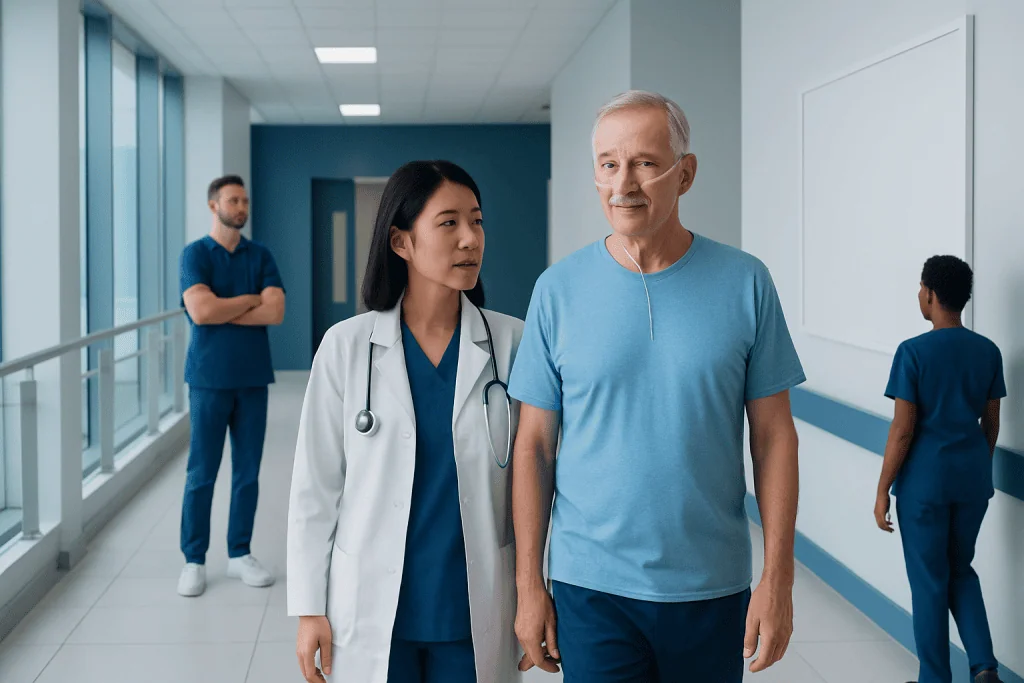
Recovery from lung cancer is possible, particularly when disease is found early and can be completely treated. Survival statistics describe groups of people and cannot predict an individual person’s outcome.
Key Takeaways
- Recovery from lung cancer is possible, particularly when disease is found early and can be completely treated.
- Survival statistics describe groups of people and cannot predict an individual person’s outcome.
- Surgery, including lobectomy, may offer curative treatment for selected people with early-stage non-small cell lung cancer.
- Modern systemic treatments such as targeted therapy and immunotherapy have improved options for many people with advanced disease.
- Follow-up care, smoking cessation, rehabilitation and attention to symptoms support recovery and quality of life.
The lung cancer recovery rate is not one fixed number. It reflects whether the cancer can be treated with curative intent, its stage and type, the treatments used, and a person’s overall health and response to care.
Lung cancer recovery rate: what it means
A lung cancer recovery rate is often discussed as if it were a single percentage, but there is no one number that applies to everyone. In clinical practice, recovery may mean completing treatment, having no detectable cancer after treatment, returning to usual activities, living for many years with controlled cancer, or improving symptoms and quality of life. The chance of each outcome depends on the cancer’s stage, type and biology, as well as the person’s fitness for treatment.
Early-stage lung cancer that is confined to the lung or nearby lymph nodes may be treated with curative intent, most often through surgery, radiation therapy, systemic treatment, or a combination. More advanced lung cancer may not always be curable with current treatments, but it can often be managed for meaningful periods with therapies chosen according to the tumor’s characteristics and the person’s goals.
Published lung cancer evidence commonly uses measures such as overall survival, disease-free survival, progression-free survival and recurrence rates. These are useful for understanding treatment results in groups, but they do not determine an individual prognosis. A cancer team can interpret imaging, pathology findings, molecular tests and general health factors to give a more personal outlook.
What is the recovery rate from lung cancer?
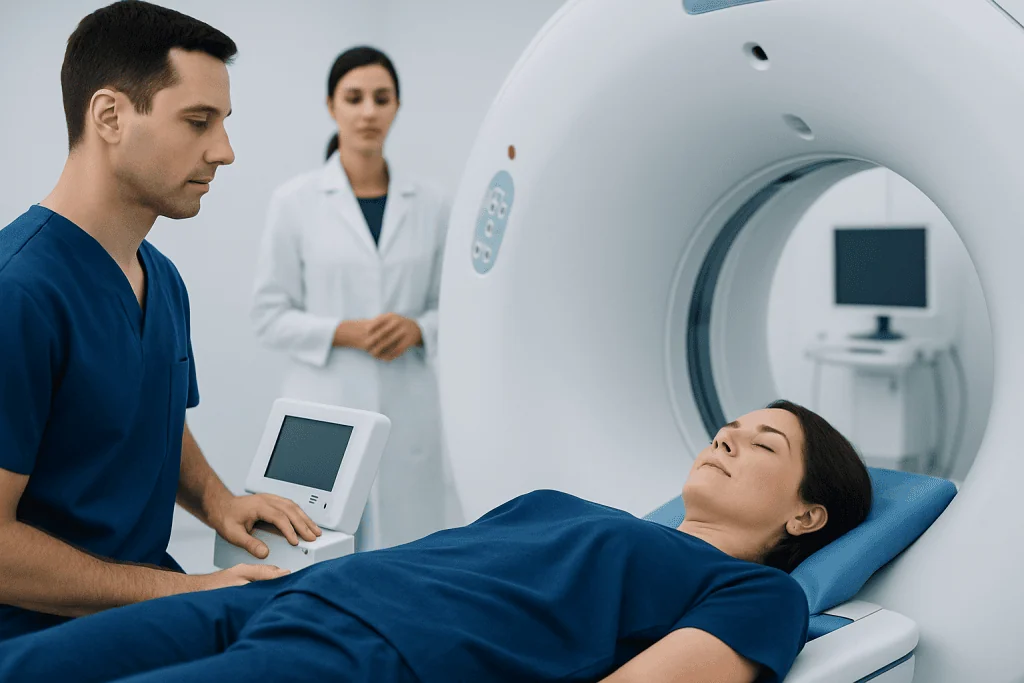
The recovery rate from lung cancer is highest when the cancer is diagnosed at an early stage and can be fully removed or treated with focused radiation. However, doctors usually avoid quoting one “recovery rate” because outcomes vary substantially between non-small cell lung cancer and small cell lung cancer, between stages, and between tumors with different genetic changes.
For a person with potentially curable disease, the important questions are whether all visible cancer can be treated, whether lymph nodes are involved, whether additional therapy is recommended after local treatment, and how follow-up scans will be planned. For someone with metastatic disease, treatment may focus on controlling cancer, extending life and maintaining daily function. Newer targeted medicines and immunotherapies have changed outcomes for some people, especially when tumor testing identifies a treatment-sensitive feature.
Population survival figures are best viewed as historical snapshots rather than promises. They may include people diagnosed years earlier, before newer treatments were widely available, and they do not account for every personal factor. A treating oncologist can explain which outcome measures are most relevant at diagnosis and as treatment progresses.
Do people recover from lung cancer?
Yes, some people recover from lung cancer, particularly after successful treatment of early-stage disease. Doctors may use terms such as “no evidence of disease” after treatment because cancer can sometimes recur later. The longer a person remains without recurrence, the more reassuring that becomes, although follow-up remains important.
Recovery is broader than scan results alone. Lung cancer recovery may involve healing from surgery or radiation, rebuilding strength, managing breathlessness or fatigue, addressing emotional wellbeing, and returning to work, family and social roles. Lung cancer patient reported outcomes, including breathlessness, pain, fatigue and ability to perform daily activities, are increasingly recognized as important alongside imaging and laboratory results.
Even when cure is not likely, many people experience meaningful benefit from treatment. Symptom-focused care, pulmonary rehabilitation, nutrition support and psychological care can be provided alongside cancer treatment. This approach helps ensure that comfort, independence and personal priorities remain central to decisions.
How stage, type and tumor testing influence outlook
Lung cancer is broadly divided into non-small cell lung cancer, which includes adenocarcinoma and squamous cell carcinoma, and small cell lung cancer. Non-small cell lung cancer is more commonly treated with surgery when it is localized. Small cell lung cancer tends to grow and spread more quickly, so chemotherapy, immunotherapy and radiation are often central parts of treatment.
Staging describes the size and location of the tumor, lymph node involvement and whether cancer has spread to distant organs. This information is obtained through scans, tissue biopsy and sometimes sampling of lymph nodes. Accurate staging is essential because it guides whether surgery, radiation, medication or combined treatment is most appropriate.
Pathology and molecular testing may identify biomarkers that affect treatment choices. In suitable cases, testing can look for gene alterations and proteins that may predict response to targeted therapies or immunotherapy. These results help the multidisciplinary team tailor treatment while balancing potential benefits, risks and a person’s preferences.
- Early-stage disease may be approached with surgery or stereotactic body radiation therapy.
- Locally advanced disease may require combined chemotherapy, radiation, surgery or immunotherapy.
- Metastatic disease is commonly managed with systemic treatments selected through pathology and biomarker testing.
Lobectomy for lung cancer: candidacy, steps and recovery
Lobectomy is an operation to remove one lobe of the lung. It is a common surgical option for selected people with early-stage non-small cell lung cancer when there is enough remaining lung function and the cancer can be safely removed. Decisions follow established lung cancer resection guidelines and consider scans, biopsy results, heart and lung health, smoking status, functional ability and whether lymph nodes appear involved.
Before surgery, a person may have breathing tests, blood tests, heart assessment and imaging. During the procedure, performed under general anesthesia, the surgeon removes the affected lobe and evaluates or removes nearby lymph nodes for staging. The operation may be carried out through a larger chest incision or with minimally invasive approaches, depending on tumor location, anatomy and surgical assessment. Lung cancer surgery can be considered within a multidisciplinary treatment plan.
After surgery, a chest drain is usually used temporarily to remove air and fluid. Pain control, early movement, breathing exercises and respiratory physiotherapy are important parts of care. Hospital stay and return to normal routines differ between individuals, but energy and breathing typically improve gradually over weeks to months. The surgical pathology report may lead to a recommendation for additional chemotherapy, targeted therapy, immunotherapy or radiation in some cases.
Potential benefits include complete removal of localized cancer and precise staging of lymph nodes. Risks can include bleeding, infection, air leak, pneumonia, blood clots, irregular heart rhythm, pain and reduced lung capacity. Lung cancer resection outcomes depend on the extent of cancer, complete tumor removal, lymph node findings, postoperative recovery and whether recommended additional treatment is completed.
What is the average life expectancy for someone who has had a lobectomy for lung cancer?
There is no reliable single average life expectancy for everyone who has had a lobectomy for lung cancer. A lobectomy is performed for different stages and tumor types, and long-term outlook is influenced more by the final pathology and stage than by the operation alone. Some people treated for early-stage cancer live many years and may die from causes unrelated to lung cancer.
Important factors include whether the tumor was completely removed, whether lymph nodes contained cancer, tumor size and features, the need for additional treatment, smoking-related lung disease, heart health and the ability to attend follow-up. The surgical team and oncologist can review the pathology report and explain what it means for recurrence risk and prognosis.
After a lobectomy, surveillance usually includes planned clinical reviews and chest imaging. Follow-up aims to identify recurrence or a new lung cancer early, while also helping manage cough, breathlessness, pain, fatigue and other recovery concerns. Quitting smoking, if applicable, is one of the most important steps a person can take to support lung and general health after treatment.
Who is the longest-living lung cancer survivor?
There is no verified, medically meaningful record of the longest-living lung cancer survivor. Individual stories can be hopeful, but they cannot be compared reliably because diagnoses, stages, treatments, dates of diagnosis and definitions of survival differ. Publicly reported claims may also lack complete medical documentation.
For most people, the more helpful question is what factors may support the best possible outcome in their own situation. These include accurate staging, review by specialists from surgery, medical oncology, radiation oncology, pathology and radiology, completion of recommended treatment, and ongoing follow-up.
It is understandable to seek examples of long survival. Still, a cancer team can offer more useful guidance by discussing the specific cancer type, biomarker results, treatment response and overall health. Prognosis can also change over time as treatment works, side effects are managed and new options become available.
When to seek medical care
A person should arrange medical assessment for a persistent or worsening cough, coughing up blood, unexplained chest pain, new shortness of breath, repeated chest infections, unexplained weight loss, persistent hoarseness or marked fatigue. These symptoms can have many causes and do not necessarily mean lung cancer, but timely evaluation is important.
Urgent medical care is needed for severe difficulty breathing, sudden chest pain, coughing up a large amount of blood, confusion, fainting, or new weakness or difficulty speaking. People already receiving lung cancer treatment should contact their care team promptly for fever, rapidly worsening breathlessness, uncontrolled pain, significant treatment side effects or new neurological symptoms.
People at elevated risk, especially those with a substantial current or past smoking history, can ask a clinician whether low-dose CT screening is appropriate under local guidance. Acibadem International’s multidisciplinary specialists and JCI-accredited hospitals support diagnosis and treatment planning for international patients, including coordinated surgical, medical and radiation oncology care.
Frequently asked questions
Can lung cancer be cured?
Lung cancer can sometimes be cured, especially when it is diagnosed early and treated completely with surgery, radiation therapy or a combination of treatments. The likelihood of cure depends on stage, cancer type, lymph node involvement, tumor biology and general health. A cancer specialist can explain whether treatment is being given with curative intent.
Does a lobectomy cure lung cancer?
A lobectomy can be curative for some people with localized non-small cell lung cancer when the tumor and any involved nearby tissue can be completely removed. It does not guarantee that cancer will not return, which is why pathology review and follow-up are essential. Some people are advised to have additional treatment after surgery to lower recurrence risk.
How long does it take to recover from lung cancer surgery?
Initial recovery after lung surgery often takes several weeks, while full recovery of stamina can take a few months or longer. The pace depends on the type of surgery, baseline lung function, complications, pain control and any additional cancer treatment. Breathing exercises, gradual activity and follow-up with the surgical team can support recovery.
What is the difference between remission and recovery from lung cancer?
Remission generally means that signs of cancer have decreased or are no longer detectable after treatment. Recovery can also include physical healing, symptom management and return to daily life. Doctors may use “no evidence of disease” rather than “cured” after treatment because continued monitoring is needed.
Can lung cancer return after successful treatment?
Yes, lung cancer can recur after treatment, particularly during the first years of follow-up, although the risk varies widely by stage and tumor characteristics. Regular clinical visits and imaging are designed to detect recurrence or a new lung cancer as early as possible. New or worsening symptoms should be reported rather than waiting for the next scheduled visit.
What can improve quality of life during lung cancer recovery?
Helpful measures may include stopping smoking, attending pulmonary rehabilitation when offered, staying physically active within medical advice, eating adequately and seeking support for anxiety, sleep problems or low mood. Symptom management for pain, fatigue and breathlessness is an important part of cancer care. The care team can make referrals to rehabilitation, nutrition and supportive-care professionals as needed.
References
- World Health Organization
- National Cancer Institute
- American Cancer Society
- European Society for Medical Oncology
- National Comprehensive Cancer Network
This article is for general information only and is not a substitute for professional medical advice. Please consult a qualified doctor about your individual situation.
Lung Cancer in Turkey — costs, top hospitals & a free quote
JCI-accredited · board-certified surgeons · reply within 24h
Add us as a Preferred Source to see more of our trusted health content across Google Search, AI Overviews and Discover.

Medical Oncology Department
Medical treatment of cancer with chemotherapy, immunotherapy and targeted therapies under a multidisciplinary tumor board.
60 specialists in this unitMore from the Health Library


Related Specialists

Prof. Dr. Osman Bilgin Timuralp
Cardiology
Fzt. Sevilay Lumbuku
Physical Medicine & Rehabilitation
Prof. Dr. Handan Onur Topuzlu
Medical Oncology
Dr. Bülent Şengül
Gastroenterology