Emory Cardiothoracic Surgery at Emory Saint Joseph’s Hospital: Procedure, Recovery and Results

Cardiothoracic surgery includes operations on the heart, heart valves, coronary arteries, aorta, lungs, and other chest structures. A personalized preoperative assessment helps determine whether surgery, a minimally invasive procedure, or non-surgical care is most appropriate.
Key Takeaways
- Cardiothoracic surgery includes operations on the heart, heart valves, coronary arteries, aorta, lungs, and other chest structures.
- A personalized preoperative assessment helps determine whether surgery, a minimally invasive procedure, or non-surgical care is most appropriate.
- Recovery commonly involves early mobilization, pain control, breathing exercises, cardiac rehabilitation, and follow-up visits.
- Open-heart surgery recovery can take several weeks to months, while minimally invasive procedures may allow a shorter recovery.
- All major surgery has risks, but the care team assesses and reduces individual risks before, during, and after treatment.
Emory cardiothoracic surgery at Emory Saint Joseph's Hospital refers to surgical care for conditions affecting the heart, major blood vessels, lungs, and chest. The type of procedure, expected recovery, and risks depend on the diagnosis, surgical approach, and each person’s overall health.
Overview: What Does Cardiothoracic Surgery Involve?
Emory cardiothoracic surgery at Emory Saint Joseph’s Hospital may involve operations for diseases of the heart, coronary arteries, heart valves, aorta, lungs, or other structures in the chest. Cardiothoracic surgery is not one single procedure. It is a specialty that includes several operations, each selected according to the person’s condition, symptoms, imaging results, and treatment goals.
Common cardiac procedures include coronary artery bypass grafting (CABG), heart valve repair or replacement, aortic surgery, surgery for some heart rhythm disorders, and surgery for selected structural heart conditions. Thoracic procedures may address lung nodules, lung cancer, pleural disease, mediastinal masses, excessive sweating, or other chest conditions. Some operations require an incision through the breastbone, while others may be completed through smaller incisions using minimally invasive or robotic techniques.
For patients considering care internationally, the most important questions are not only where surgery is performed, but also whether the proposed operation is necessary, what alternatives exist, and what follow-up will be needed. A thorough evaluation by a multidisciplinary heart and chest team supports informed decision-making and individualized treatment planning.
How Cardiothoracic Surgery Works and Who May Be a Candidate
Cardiothoracic surgery is considered when a structural problem cannot be adequately managed with lifestyle changes, medicines, monitoring, catheter-based treatment, or less invasive procedures. For example, surgery may improve blood flow in severe coronary artery disease, correct a severely narrowed or leaking valve, repair an enlarged or damaged aorta, or remove a lung lesion that requires surgical diagnosis or treatment.
Candidacy is based on more than the diagnosis alone. The surgical team considers symptom severity, heart and lung function, scan findings, kidney function, age, frailty, previous procedures, medications, and personal priorities. In many cases, cardiologists, cardiac surgeons, anesthesiologists, radiologists, pulmonologists, oncologists, and rehabilitation professionals review complex cases together.
Before recommending surgery, clinicians commonly arrange blood tests, an electrocardiogram, echocardiography, chest imaging, coronary angiography or CT angiography when appropriate, and breathing tests for thoracic operations. These assessments help clarify the anatomy, estimate procedural risk, and identify steps that can improve safety before surgery, such as stopping smoking, treating anemia, or optimizing diabetes and blood pressure.
Step-by-Step: What Happens During Cardiothoracic Surgery?

The exact process varies by operation. Before surgery, the patient meets the surgical and anesthesia teams, reviews medications and allergies, and receives instructions about fasting and medicines to pause or continue. General anesthesia is typically used, meaning the patient is fully asleep and closely monitored throughout the operation.
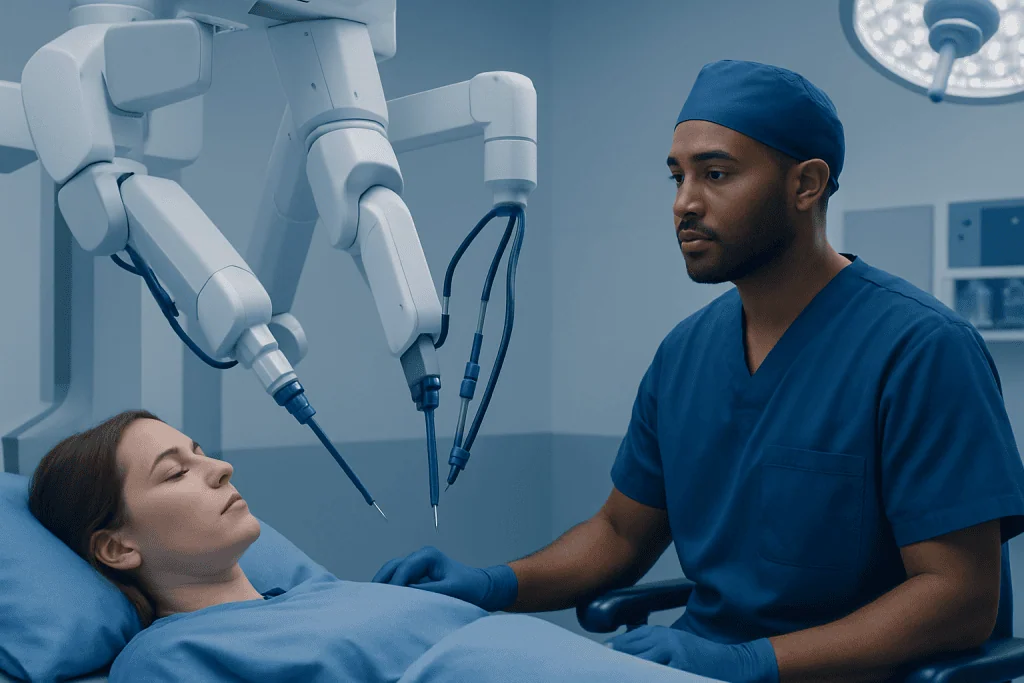
For many open-heart operations, the surgeon reaches the heart through an incision in the chest. Some procedures use a heart-lung machine, also called cardiopulmonary bypass, which temporarily supports circulation and oxygen delivery while the surgeon repairs the heart. Other cardiac procedures are performed without this machine. Minimally invasive operations use smaller chest incisions and specialized instruments, but they are not suitable for every condition.
During coronary bypass surgery, a surgeon creates new pathways for blood to reach heart muscle beyond narrowed coronary arteries. Coronary artery bypass surgery may be recommended when the pattern or severity of artery narrowing is not best treated with medication or stenting alone. In valve surgery, the team may repair the person’s own valve or replace it with a biological or mechanical valve, depending on the clinical situation.
At the end of surgery, temporary drainage tubes and monitoring lines may be placed. The patient is transferred to an intensive care setting for close observation. The care team then focuses on stable breathing and circulation, pain relief, prevention of complications, and a gradual return to movement and eating.
What Is the Recovery Process Like After Cardiothoracic Surgery?
Recovery starts in the hospital. After major cardiac surgery, patients commonly spend the first day or more in an intensive care unit, where staff monitor heart rhythm, blood pressure, oxygen levels, fluid balance, and pain. The breathing tube used during anesthesia is usually removed once the patient is awake enough and breathing safely. The length of stay varies with the procedure and recovery progress.
Early movement is a central part of recovery. Nurses and physiotherapists help patients sit up, stand, walk, and perform breathing exercises as soon as it is medically safe. These steps support circulation, lung expansion, bowel function, strength, and confidence. Pain is expected after surgery, but it should be actively managed so that the patient can breathe deeply, cough effectively, and move safely.
After discharge, recovery continues at home and through follow-up appointments. People are generally advised to increase activity gradually, protect the surgical incision, take prescribed medicines as directed, and report concerning symptoms promptly. Cardiac rehabilitation can provide supervised exercise, education, emotional support, and risk-factor management after many heart procedures.
For an operation involving the breastbone, healing commonly takes several weeks. Energy and sleep patterns may remain variable for a period of time, and returning to driving, work, lifting, and other activities should follow the surgeon’s instructions. A minimally invasive approach can shorten some aspects of recovery, but it still requires careful follow-up and gradual activity progression.
What Is the Hardest Part of Open-Heart Surgery Recovery?
For many people, the hardest part of open-heart surgery recovery is adjusting to temporary changes in energy, comfort, sleep, independence, and emotions while the body heals. Fatigue can be more persistent than expected, even when the surgical incision looks well healed. Simple activities may require more effort during the first weeks, and patients may need practical support from family members or caregivers.
Chest discomfort, stiffness, reduced appetite, constipation, and sleep disruption are also common early challenges. When the breastbone has been divided, movement and lifting restrictions can make usual routines less convenient. Breathing exercises, regular short walks, good nutrition, hydration, and following the care plan can help recovery progress safely.
Emotional changes deserve attention as well. Some patients feel low, worried, irritable, or overwhelmed after a major operation. These feelings are common and should be discussed with the care team, particularly if they are intense, persistent, or interfere with sleep, appetite, rehabilitation, or daily life. Support from cardiac rehabilitation, family, and mental health professionals can be valuable.
How Risky Is Cardiothoracic Surgery?
Cardiothoracic surgery is major surgery, so it carries risks. However, risk is not the same for every person or procedure. It depends on the type and urgency of surgery, the underlying heart or lung disease, age, overall physical reserve, kidney and lung function, prior surgery, and conditions such as diabetes, infection, or vascular disease.
Potential complications can include bleeding, infection, irregular heart rhythms, blood clots, stroke, kidney problems, breathing complications, wound-healing problems, and reactions to anesthesia. In certain situations, a heart attack, need for further treatment, or death can occur. The surgical team discusses the risks that are most relevant to the individual and compares them with the risks of leaving the condition untreated.
Risk reduction begins before the operation and continues after it. Preoperative testing, medication review, infection-prevention measures, careful anesthesia, intensive monitoring, early mobility, and rehabilitation are all part of modern surgical care. Patients can contribute by sharing their complete medical history, following medication instructions, avoiding smoking, and attending recommended follow-up visits.
For related vascular conditions, evaluation may also include assessment of coronary artery disease and its risk factors. Treatment plans should be based on a specialist’s review of symptoms, tests, anatomy, and the patient’s preferences.
Who Are the Cardiac Surgeons at Emory University Hospital?
Cardiac surgeon rosters, clinical roles, and hospital affiliations can change over time. For the most accurate current information about cardiac surgeons at Emory University Hospital or any affiliated hospital, patients should consult the organization’s official physician directory or contact the hospital’s appointment service directly.
When selecting a surgeon or surgical program, it is reasonable to ask about the surgeon’s experience with the specific operation being considered, the available surgical approaches, how cases are reviewed by a heart team, expected follow-up arrangements, and how complications are managed. It is also important to confirm where the procedure will be performed, as a physician may practice at more than one location.
For patients seeking an independent consultation, Acibadem International’s multidisciplinary specialists and JCI-accredited hospitals diagnose and treat cardiac and thoracic conditions for international patients. A second opinion may help clarify whether surgery is indicated and whether alternatives such as medication, catheter-based procedures, or surveillance are appropriate.
When to Seek Medical Care
Anyone with new or worsening chest pressure, shortness of breath, fainting, a racing or irregular heartbeat, or reduced ability to perform usual activities should seek medical assessment. These symptoms have many possible causes, but they should not be self-diagnosed, especially in people with known heart, lung, or vascular disease.
Emergency care is needed for symptoms that may indicate a heart attack or another life-threatening problem, including severe or persistent chest pain or pressure, sudden shortness of breath, fainting, new weakness on one side of the body, difficulty speaking, or sudden confusion. Patients should contact local emergency services rather than drive themselves.
After cardiothoracic surgery, patients should contact their surgical team urgently for fever, worsening redness or drainage at an incision, chest pain that is new or severe, increasing shortness of breath, persistent vomiting, fainting, a very fast heartbeat, or swelling and pain in one leg. Postoperative instructions may vary, so the treating team’s advice should always take priority.
Frequently asked questions
What is cardiothoracic surgery?
Cardiothoracic surgery is surgery involving the heart, major blood vessels near the heart, lungs, esophagus, and other structures in the chest. It includes heart bypass surgery, valve surgery, aortic surgery, and several types of lung and chest procedures. The specific approach depends on the condition being treated.
How long does recovery take after open-heart surgery?
Recovery time varies, but many people need several weeks to regain strength after open-heart surgery. When the breastbone is involved, healing commonly takes weeks, while overall energy and endurance may improve gradually over a longer period. The surgeon’s guidance should determine when it is safe to return to work, driving, exercise, and lifting.
Is cardiothoracic surgery always open surgery?
No. Some procedures can be performed through smaller incisions using minimally invasive or robotic-assisted techniques. Others require open surgery because of the anatomy, complexity, urgency, or type of repair needed. A surgeon can explain which approach is appropriate and why.
What tests are needed before heart surgery?
Preoperative testing often includes blood tests, an electrocardiogram, echocardiography, chest imaging, and evaluation of coronary arteries when relevant. Some patients also need lung function tests, dental assessment, or additional scans. The exact tests depend on the planned procedure and medical history.
What are warning signs after heart surgery?
Patients should promptly contact their care team for fever, increasing wound redness or drainage, worsening shortness of breath, new severe chest pain, fainting, or a fast or irregular heartbeat. Emergency care is needed for severe chest symptoms, signs of stroke, or sudden breathing difficulty. The discharge instructions from the surgical team should be followed closely.
Can cardiac rehabilitation help after surgery?
Yes. Cardiac rehabilitation is a medically supervised program that commonly combines safe exercise, education, nutrition and lifestyle guidance, and emotional support. It can help patients rebuild confidence and physical capacity after eligible heart procedures. Enrollment should be discussed with the cardiologist or surgeon.
References
- American Heart Association
- American College of Cardiology
- Society of Thoracic Surgeons
- National Heart, Lung, and Blood Institute
- MedlinePlus
This article is for general information only and is not a substitute for professional medical advice. Please consult a qualified doctor about your individual situation.
Cardiothoracic Surgery in Turkey — costs, top hospitals & a free quote
JCI-accredited · board-certified surgeons · reply within 24h
Add us as a Preferred Source to see more of our trusted health content across Google Search, AI Overviews and Discover.
Check your numbers in seconds
BMI, calories, due date, blood pressure and 30+ more clinical calculators — free, instant, doctor-reviewed ranges.

Cardiology Department
Diagnosis and treatment of heart and vascular conditions, from prevention to advanced interventional procedures.
91 specialists in this unit