

Quick answer
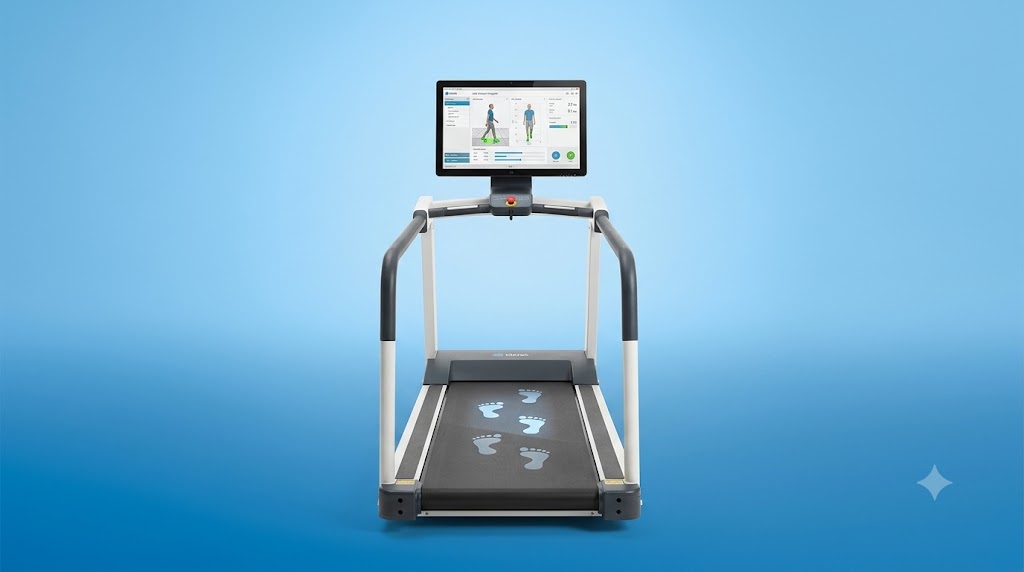
C-Mill is an instrumented treadmill system that uses augmented-reality visual cues and real-time feedback to assess and train walking and balance. At Acibadem in Turkey, it may be incorporated into individualized physical medicine and rehabilitation programmes for people with gait or balance difficulties.
C-Mill: Augmented-Reality Gait and Balance Rehabilitation
C-Mill is an advanced instrumented treadmill used in physical medicine and rehabilitation programmes for people with walking, balance and mobility difficulties. It combines treadmill-based gait training with augmented-reality visual cues, targeted exercises and real-time performance feedback.
For many people, walking safely in everyday life involves more than moving forward on a flat surface. It may require stepping over obstacles, adapting to changes in direction, placing the feet accurately, responding to visual information and maintaining balance in busy environments. C-Mill helps rehabilitation specialists assess and train these practical skills in a controlled clinical setting.
At Acibadem International, C-Mill may be included in an individual rehabilitation plan when it is clinically appropriate. Our Physical Medicine and Rehabilitation teams consider your diagnosis, functional goals, current mobility level, medical history and safety needs before recommending any technology-assisted therapy.
For international patients, coordinated care is especially important. Our international patient team can help organise medical document review, specialist appointments, language support and treatment planning before and during your visit to Türkiye.
What Is C-Mill?
C-Mill is a specialised treadmill system designed for gait and balance assessment and training. Unlike a standard treadmill, it can measure aspects of walking performance and display projected visual targets, stepping patterns or obstacle-based tasks on the treadmill surface.
The system can support therapists in observing how a person walks and in tailoring exercises to specific rehabilitation needs. Visual cues may guide foot placement, encourage symmetrical stepping or help the patient practise adapting their steps while walking.
Depending on the rehabilitation programme, C-Mill training may involve straightforward walking practice or more complex functional tasks. These can include stepping onto targets, avoiding virtual obstacles, changing pace, responding to directional cues or practising attention-demanding activities while walking.
C-Mill is not a replacement for specialist clinical care. It is a rehabilitation tool used by trained professionals as part of a broader programme that may include medical evaluation, physiotherapy, occupational therapy, pain management, neurological rehabilitation and home exercise planning.
How C-Mill Works
The C-Mill platform combines an instrumented treadmill with projection technology and software that can provide visual feedback during walking. The treadmill can collect information related to gait, such as timing, step placement and walking consistency. This information helps the rehabilitation team understand functional limitations and monitor progress over time.
During training, visual elements may be projected onto the walking surface. For example, a patient may be asked to place each foot on highlighted targets, step around projected objects or react to changing cues. These tasks can be adjusted according to the person’s balance, endurance, cognitive abilities and rehabilitation goals.
The rehabilitation specialist remains involved throughout the session. They select the exercise level, provide guidance, assess movement quality and modify the programme when needed. Handrails, supervision and additional support measures may be used depending on the patient’s functional status and clinical requirements.
Because the exercises can be graded from simple to more challenging, C-Mill may support gradual progression. Early sessions may focus on comfortable walking and confidence. Later training may include more demanding stepping, coordination or attention tasks where appropriate.
Individualised Assessment and Training
Every patient has different reasons for difficulty walking. Some may have reduced strength after surgery, while others may have impaired coordination following a neurological condition. C-Mill enables therapists to focus training on the movement patterns and practical challenges most relevant to the individual.
Your care team may use clinical assessment together with C-Mill-supported observations to establish goals. These goals may include improving walking confidence, reducing the risk of tripping, supporting more even step patterns, improving endurance or preparing for safer mobility at home and in the community.
Clinical Applications
C-Mill may be used in rehabilitation programmes for adults and, where clinically suitable, selected younger patients with gait or balance challenges. Whether it is appropriate depends on the diagnosis, overall health, ability to participate safely and the recommendations of the rehabilitation specialist.
| Clinical applications | How C-Mill may support rehabilitation | Potential training focus |
|---|---|---|
| Neurological rehabilitation | May support structured gait and balance practice after conditions affecting movement control. | Step accuracy, symmetry, coordination, obstacle negotiation and walking confidence. |
| Stroke rehabilitation | May be included in a personalised programme for patients experiencing changes in walking pattern, balance or lower-limb control after stroke. | Weight transfer, foot placement, gait adaptability and safer functional mobility. |
| Traumatic brain injury rehabilitation | May help therapists train walking tasks that require attention, planning and response to visual information. | Dynamic balance, reaction to cues, dual-task walking and environmental awareness. |
| Spinal cord injury rehabilitation | May support gait practice for selected patients whose rehabilitation goals include improving walking ability and control. | Walking pattern, endurance, balance and progressive functional tasks. |
| Parkinson’s disease and movement disorders | May be used to practise stepping strategies and walking adaptability under specialist guidance. | Step length, rhythm, turning preparation, cue response and obstacle avoidance. |
| Orthopaedic and postoperative rehabilitation | May support return-to-mobility training after certain injuries or orthopaedic procedures when cleared by the treating team. | Controlled walking, balance, confidence and gradual return to daily activities. |
| Balance impairment and fall-risk rehabilitation | May help assess and train practical stepping responses in a supervised environment. | Dynamic balance, stepping reactions, obstacle awareness and safer community mobility. |
Conditions and treatment plans vary widely. Some patients may benefit more from other forms of physiotherapy, hydrotherapy, conventional gait training, robotic rehabilitation or a combined programme. A specialist assessment is essential before deciding whether C-Mill is suitable.
Benefits and Advantages for Patients
The main value of C-Mill is its ability to make gait and balance training more specific, measurable and engaging. It allows the rehabilitation team to move beyond simple walking practice and address the real-world demands that may be difficult for a patient.
Visual feedback can help patients understand where and how they are stepping. Repetition within a supervised setting may support motor learning and confidence. The exercises can also be adapted as the patient progresses, helping maintain an appropriate level of challenge without compromising safety.
For people recovering from neurological illness, injury or surgery, functional rehabilitation often requires a combination of physical practice, targeted feedback and regular reassessment. C-Mill can complement this process by providing objective information and guided tasks tailored to individual goals.
| Patient benefits at a glance | What this may mean for your rehabilitation |
|---|---|
| Personalised training | Exercises can be adjusted according to your diagnosis, mobility level, balance ability and treatment goals. |
| Real-time visual guidance | Projected cues may help you practise accurate foot placement and respond to changing walking tasks. |
| Functional gait practice | Training may include obstacles, targets and adaptive stepping tasks relevant to everyday mobility. |
| Objective progress monitoring | Gait-related measurements can help your rehabilitation team track performance and refine your programme. |
| Controlled rehabilitation environment | Sessions are delivered under professional supervision, with safety measures selected for your needs. |
| Motivating exercise experience | Interactive tasks can make repetitive rehabilitation practice more engaging for many patients. |
| Integrated multidisciplinary care | C-Mill may be combined with physiotherapy, medical rehabilitation, occupational therapy and other services when appropriate. |
What to Expect During a C-Mill Session
Your C-Mill experience begins with a clinical assessment. A Physical Medicine and Rehabilitation specialist and rehabilitation team review your diagnosis, current symptoms, previous treatments, imaging or medical reports where relevant, medications and personal mobility goals.
Before the first session, your therapist explains the equipment and shows you how to use the treadmill safely. You may be asked about pain, dizziness, fatigue, fear of falling or other symptoms that could affect training. Please share any concerns openly, including changes in your condition since the last session.
You will usually wear comfortable clothing and supportive footwear suitable for walking. The team may assist you when stepping onto or off the treadmill. Depending on your needs, handrails or other support arrangements may be used during training.
During the Procedure
A session may begin with comfortable walking while the therapist observes your movement. As appropriate, the programme may include visual targets, virtual obstacles, stepping sequences or walking tasks that require you to respond to projected information.
The pace, duration and complexity of the session are adjusted to your ability. You should not feel pressured to continue through pain, severe fatigue, dizziness or instability. Your therapist monitors your response and can pause, modify or stop the activity whenever clinically necessary.
C-Mill therapy is non-surgical and does not involve an incision or anaesthesia. However, it is still a structured medical rehabilitation session, and your participation should be guided by professional assessment and safety recommendations.
After the Session
Afterwards, the rehabilitation team may discuss how you performed, any symptoms you experienced and the next steps in your programme. You may receive additional exercises or practical mobility advice to support progress between visits.
The number of sessions and the expected pace of improvement vary. Recovery depends on the underlying condition, severity of impairment, general health, consistency with therapy and other individual factors. Your specialist will explain realistic goals and review your plan as rehabilitation progresses.
Safety, Clinical Oversight and Accreditation
Patient safety is central to technology-assisted rehabilitation. C-Mill is used within a supervised clinical environment by trained rehabilitation professionals. Before treatment, the team evaluates whether treadmill-based training is appropriate and identifies precautions relevant to your condition.
Some patients may require modified exercises, additional support or an alternative rehabilitation approach. For example, active medical instability, certain cardiovascular concerns, severe pain, acute injury, significant dizziness or an inability to walk safely even with support may affect suitability. Your specialist will assess these considerations individually.
Acibadem International supports international patients through care pathways delivered in JCI-accredited hospitals. JCI accreditation reflects a commitment to internationally recognised quality and patient-safety standards. Clinical teams follow established procedures for assessment, documentation, infection prevention, communication and ongoing patient monitoring.
As with any rehabilitation intervention, expected benefits and possible limitations should be discussed with your physician. C-Mill does not guarantee a particular outcome. It is one component of a personalised rehabilitation strategy designed around your medical needs and functional priorities.
Why C-Mill Matters for International Patients
Travelling abroad for rehabilitation can involve practical questions as well as medical ones. International patients may need help organising appointments, sharing reports before travel, understanding the proposed programme and coordinating follow-up once they return home.
Our international patient team helps make this process clearer and more coordinated. Before your visit, you can submit available medical documents for review. The relevant specialist can then consider whether an in-person assessment and C-Mill-supported rehabilitation may be appropriate for your situation.
During your care journey, our teams can assist with language support and appointment coordination. Your rehabilitation programme can be planned around your clinical needs, anticipated length of stay and the recommendations of your treating physician. If ongoing therapy is needed after you return home, your team can explain the importance of continuity of care and provide relevant medical documentation.
For patients travelling with family members or companions, clear communication is particularly valuable. With your consent, the team can help explain treatment goals, safety guidance and home recommendations so that those supporting you understand your rehabilitation plan.
Frequently Asked Questions
Is C-Mill safe?
C-Mill is used as part of supervised rehabilitation by trained professionals. Safety measures are selected according to each patient’s mobility level and medical condition. Your team will assess your suitability before treatment and explain any specific precautions relevant to you.
Is C-Mill painful?
C-Mill training itself is non-invasive and should be adapted to your comfort and physical ability. Some patients may experience normal muscle fatigue after exercise, especially during rehabilitation. Tell your therapist if you have pain, shortness of breath, dizziness, unusual weakness or any other concerning symptom.
Can C-Mill help after a stroke?
C-Mill may be considered for selected patients recovering from stroke who have gait, balance or stepping difficulties. The appropriate programme depends on the type of stroke, stage of recovery, overall health, ability to participate and individual rehabilitation goals.
Will my insurance cover C-Mill rehabilitation?
Insurance coverage depends on your policy, insurer and approved treatment plan. You may share your insurance information with our international patient team, who can help check available options and explain the financial process before treatment wherever possible.
How do I get started?
You can submit your available medical reports through a consultation request. A relevant specialist can review your case and advise whether C-Mill may fit within your rehabilitation plan. If an in-person assessment is recommended, our international patient team can help coordinate the next steps for your visit to Türkiye.
Related Medical Units
Available at these Hospitals









Related Treatments
Speak with our medical team
Find out how this technology could support your diagnosis or treatment.