

Quick answer
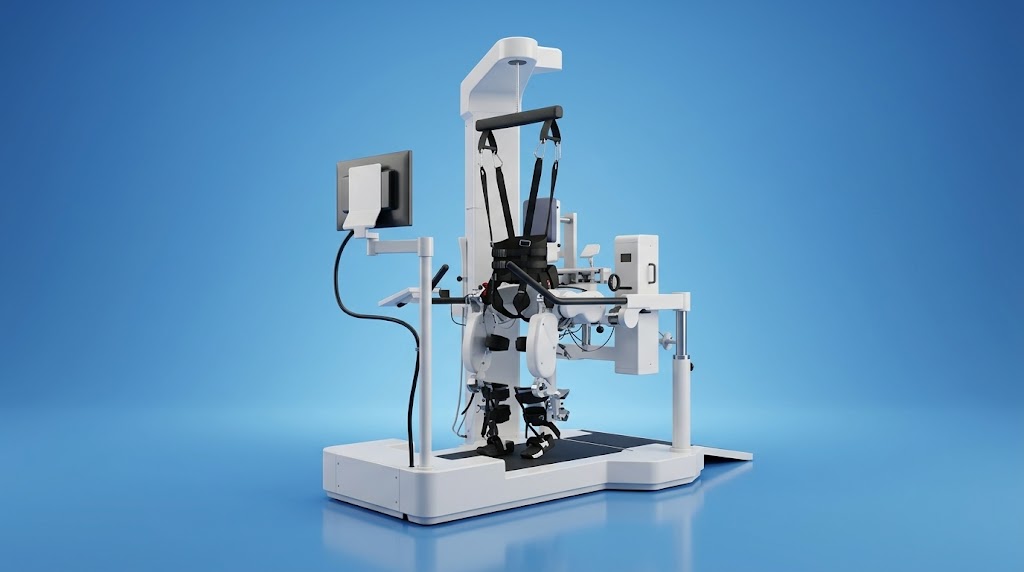
Lokomat Pro is a robotic gait-training system that supports treadmill-based walking practice by guiding the lower limbs through controlled movement patterns. At Acibadem in Turkey, it may be used within individualized neurological and physical rehabilitation programmes for patients with mobility impairments.
Lokomat Pro Robotic Gait Training
Lokomat Pro is an advanced robotic gait-training system used in neurological and physical rehabilitation. It helps eligible patients practise walking movements in a controlled, repetitive and individually adjusted setting.
For people who have experienced a stroke, spinal cord injury, brain injury or another condition affecting mobility, relearning to walk can be physically demanding. Lokomat Pro supports the lower limbs during treadmill-based walking practice, helping patients work toward safer movement, improved walking patterns and greater confidence in rehabilitation.
At Acibadem International, Lokomat Pro may be included in a personalised rehabilitation programme designed by Physical Medicine and Rehabilitation specialists, physiotherapists and other relevant healthcare professionals. It is not a replacement for clinical care or conventional therapy. Instead, it can complement a broader plan that may include physiotherapy, occupational therapy, speech and swallowing rehabilitation, pain management, neurological assessment and other supportive treatments where needed.
Every rehabilitation journey is different. Your team will assess your diagnosis, functional abilities, goals and medical history before recommending whether robotic gait training is appropriate for you.
What Is Lokomat Pro?
Lokomat Pro is a robotic rehabilitation device designed to support walking training. It combines a treadmill with computer-controlled leg supports, often called robotic orthoses. These supports guide the hips and knees through a planned walking pattern while the patient is safely positioned in a body-weight support system.
In simple terms, the system allows a patient to practise steps with professional supervision and robotic guidance. Depending on the treatment plan, part of the patient’s body weight can be supported while the legs move in a controlled rhythm over the treadmill.
This can be especially useful when weakness, poor balance, muscle stiffness, reduced coordination or fatigue makes overground walking practice difficult. The aim is to provide meaningful, repeatable movement practice at an intensity that can be adjusted to the individual patient.
The system may also provide visual feedback and performance information. This can help the rehabilitation team monitor progress, adapt the session and encourage active participation throughout therapy.
How Lokomat Pro Works
A Lokomat Pro session begins with an assessment of the patient’s current mobility, strength, balance, joint range of motion and rehabilitation goals. The therapist adjusts the device according to the patient’s height, leg length, walking ability and level of support required.
During treatment, the patient is secured in a comfortable harness above the treadmill. The harness can provide partial body-weight support, reducing the physical load on the legs when appropriate. Robotic leg supports are then fitted and aligned carefully to guide stepping movements.
Once the session starts, the treadmill moves at a clinician-selected pace. The robotic system helps guide the legs through a walking pattern. The level of guidance can be adapted: some patients may need more assistance at the beginning, while others may be encouraged to contribute more actively as their strength and control improve.
The rehabilitation team remains present to supervise safety, monitor comfort and make adjustments. Sessions are tailored to the patient’s clinical condition, endurance and response to treatment. Progression may involve changes to walking speed, body-weight support, duration, robotic guidance and task complexity.
Robotic gait training is most effective when it is part of a structured rehabilitation programme. Your specialists may combine Lokomat Pro sessions with hands-on physiotherapy, balance training, strengthening exercises, functional movement practice and education for patients and families.
Clinical Applications
Lokomat Pro may be considered for patients with impaired walking ability resulting from neurological or physical conditions. The decision is always based on an individual medical assessment. Not every patient will benefit from robotic gait training, and your rehabilitation specialist will determine the safest and most appropriate approach.
| Clinical applications | How Lokomat Pro may support rehabilitation | Important considerations |
|---|---|---|
| Stroke rehabilitation | May help patients practise repeated walking movements when weakness, reduced coordination or balance difficulties affect gait. | Timing, mobility level, cardiovascular health and neurological recovery are assessed individually. |
| Spinal cord injury rehabilitation | May support structured gait practice for selected patients with incomplete spinal cord injuries or reduced lower-limb function. | Suitability depends on the level and completeness of injury, stability, strength and rehabilitation goals. |
| Traumatic brain injury | May be used to support walking training where brain injury has affected balance, muscle control, endurance or coordination. | Patients may need additional cognitive, behavioural or balance-focused rehabilitation alongside gait training. |
| Multiple sclerosis and other neurological conditions | May help selected patients practise walking in a supported setting when mobility is affected by neurological symptoms. | Symptoms such as fatigue, spasticity and changes in function are considered when planning sessions. |
| Orthopaedic and complex mobility rehabilitation | May be considered in selected cases where prolonged immobility, weakness or altered gait requires carefully supervised retraining. | Bone healing, surgical restrictions, joint stability and weight-bearing instructions must be respected. |
Conditions It May Help With
Lokomat Pro is not designed to diagnose or cure a condition. Its role is to support rehabilitation goals, particularly for patients who need structured, repetitive walking practice. The potential value of therapy depends on many factors, including the cause of mobility impairment, the stage of recovery, participation in therapy and the patient’s overall health.
Patients may be referred for assessment when they experience difficulty standing, stepping, maintaining a regular walking rhythm, transferring weight between the legs or safely practising gait without extensive support. It may also be considered for people who require a more consistent and measurable rehabilitation environment.
In many cases, the focus is not simply on walking distance. Rehabilitation may aim to improve endurance, movement control, confidence, posture, balance, lower-limb activity and the ability to participate more actively in everyday tasks. Your care team will discuss realistic goals based on your individual condition.
Benefits and Advantages for Patients
One of the key advantages of Lokomat Pro is the ability to provide repetitive, guided walking practice with close professional oversight. Repetition is an important part of motor rehabilitation because it gives patients opportunities to practise movement patterns consistently over time.
The body-weight support system may allow some patients to begin gait practice earlier or more comfortably than would be possible with unsupported walking. By reducing part of the weight placed on the lower limbs, it can make training more manageable for patients with weakness, balance concerns or limited endurance.
Robotic guidance can also help maintain a more consistent stepping pattern during each session. This may support focused rehabilitation when manual assistance alone would be physically demanding or difficult to sustain for extended periods.
Importantly, Lokomat Pro enables the clinical team to adjust treatment according to changing needs. As the patient progresses, support can be modified to encourage greater active effort where appropriate.
| Patient benefits at a glance | What this can mean during rehabilitation |
|---|---|
| Individualised support | Walking speed, body-weight support and robotic guidance can be adjusted around your abilities and treatment goals. |
| Structured repetition | Patients can practise repeated stepping movements in a consistent, supervised environment. |
| Enhanced safety during practice | A harness and trained clinical supervision help support safe positioning during selected gait-training sessions. |
| Active participation | Therapy can be adapted to encourage patients to contribute as much effort and movement as their condition allows. |
| Progress monitoring | Therapists can observe response to treatment and use session information to guide the rehabilitation plan. |
| Part of multidisciplinary rehabilitation | Lokomat Pro can be combined with physiotherapy and other services needed for a coordinated recovery plan. |
What to Expect During a Lokomat Pro Procedure
Before Your First Session
Before treatment begins, a Physical Medicine and Rehabilitation specialist and physiotherapy team review your medical history, diagnosis, imaging or reports where relevant, previous treatments and current level of mobility. They will also discuss your personal goals, such as improving transfers, standing tolerance, walking ability, independence or confidence.
Your team will check whether Lokomat Pro is suitable for you. Factors such as bone health, joint range of motion, skin condition, blood pressure, heart and lung health, pain, muscle tone and ability to tolerate standing may be important. If another rehabilitation method is more appropriate, your specialists will explain the recommended alternative.
For international patients, Acibadem International coordinates the process before and during your visit. You can share medical reports in advance for preliminary review. The international patient team can help organise appointments, coordinate required consultations and provide language support throughout your treatment journey.
During the Session
You will be assisted into the harness and positioned carefully on the treadmill. The therapist will fit and adjust the robotic leg supports, checking alignment and comfort before movement begins. You should tell the team immediately if you experience pain, dizziness, anxiety or discomfort.
Training begins gradually. The team monitors your posture, stepping pattern, effort, cardiovascular response and tolerance. You may be asked to focus on active stepping, weight shifting, posture or visual feedback, depending on your rehabilitation plan.
Session length and frequency vary. Some patients benefit from shorter sessions initially, while others may progress to longer or more challenging practice. Your care team will decide the most appropriate schedule based on your clinical needs and recovery plan.
After the Session
After treatment, the therapist will help you out of the device and check how you feel. You may continue with other planned therapies on the same day, such as stretching, strengthening, balance work, occupational therapy or functional training.
Mild tiredness after rehabilitation exercise can occur, particularly during the early stages of treatment. Your team will advise you on rest, hydration, activity pacing and any symptoms that should be reported. Rehabilitation plans are reviewed regularly and adjusted as your abilities change.
Safety, Clinical Oversight and Accreditation
Safety is central to every rehabilitation programme. Lokomat Pro sessions are performed by trained rehabilitation professionals who follow clinical protocols for patient screening, positioning, monitoring and equipment use.
Before robotic gait training is recommended, specialists assess whether the treatment is medically appropriate. Certain conditions may require additional precautions or may make the therapy unsuitable. These can include unstable fractures, severe joint limitations, uncontrolled medical conditions, significant skin concerns, severe pain or other individual risk factors. A full medical assessment is essential.
During each session, the team monitors the patient closely and can stop or modify treatment if needed. The level of support is not fixed; it is adjusted according to comfort, safety and performance.
Acibadem International hospitals providing care for international patients follow high standards of quality and patient safety. JCI-accredited hospitals within the Acibadem network operate according to internationally recognised principles for clinical quality, patient-centred care, infection prevention and continuous improvement. Your care pathway is coordinated by a multidisciplinary team with rehabilitation expertise.
Why Lokomat Pro Matters for International Patients
Travelling for rehabilitation can feel complex, especially after a neurological injury or when mobility is limited. International patients often need more than access to advanced technology. They need coordinated clinical planning, clear communication and support throughout their stay.
At Acibadem International, the process begins with understanding your condition and priorities. You can submit available reports, imaging summaries and previous rehabilitation information for review. Our team coordinates consultations with the relevant specialists and helps determine whether Lokomat Pro may be included in your rehabilitation programme.
If you are travelling with a family member or caregiver, the care team can involve them in discussions about your rehabilitation goals, mobility needs and practical support during recovery. This is particularly helpful when planning the transition from hospital-based therapy to ongoing rehabilitation at home.
Language support helps patients and families understand the proposed plan, consent process, expected rehabilitation schedule and follow-up recommendations. Your international patient coordinator can also assist with appointment scheduling and the organisation of your care pathway, so you can focus on treatment and recovery.
For patients who cannot travel immediately, a preliminary review of medical information can help clarify the next steps. Final treatment decisions are always made after an appropriate specialist assessment and may require an in-person examination.
Frequently Asked Questions
Is Lokomat Pro safe?
Lokomat Pro is used as part of supervised rehabilitation by trained professionals. Safety depends on appropriate patient selection, correct positioning, clinical monitoring and an individualised treatment plan. Your specialist will explain the potential benefits, limitations and any specific considerations for your condition.
Will Lokomat Pro help me walk independently?
Rehabilitation outcomes vary widely. Some patients may work toward improved walking ability, while others may focus on standing tolerance, stepping practice, balance, endurance or safer movement. No result can be guaranteed. Your team will discuss realistic goals based on your diagnosis, recovery stage and current function.
How many sessions will I need?
The number of sessions depends on your condition, medical stability, goals, tolerance and overall rehabilitation programme. Your specialists will recommend a schedule after assessment and will review progress throughout treatment.
Can Lokomat Pro be combined with other therapies?
Yes. Robotic gait training is commonly used as one component of a wider rehabilitation plan. Depending on your needs, this may include physiotherapy, occupational therapy, neurological rehabilitation, balance training, muscle strengthening, pain management and other supportive services.
Will insurance cover robotic rehabilitation?
Insurance coverage depends on your individual policy and insurer requirements. You may share your insurance details with the Acibadem International team, who can help check available options and explain the treatment pathway before you travel.
How do I get started?
You can submit a consultation request and share your available medical reports. A relevant specialist can review your information and advise whether Lokomat Pro may be suitable within your individual rehabilitation plan. The international patient team will guide you through the next steps, including appointment coordination and language support.
Related Medical Units
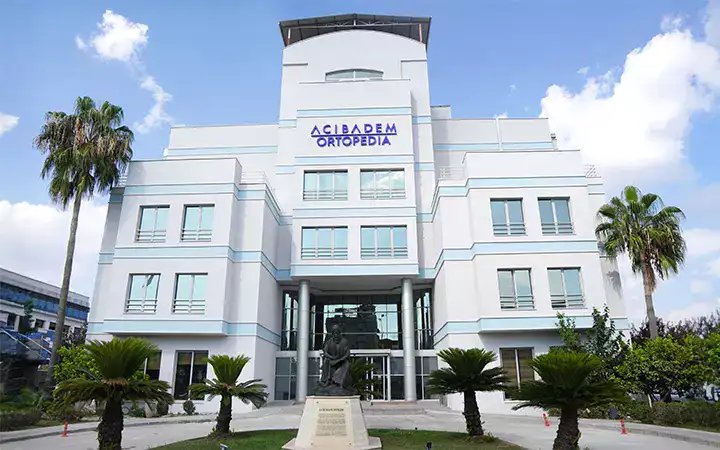
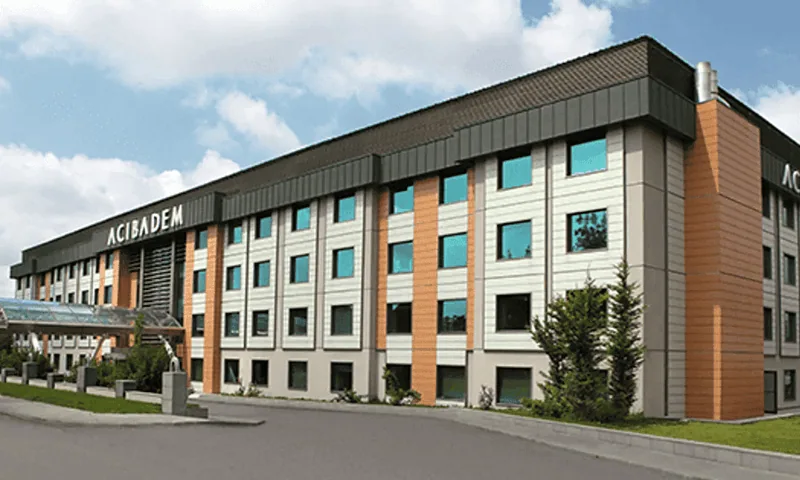
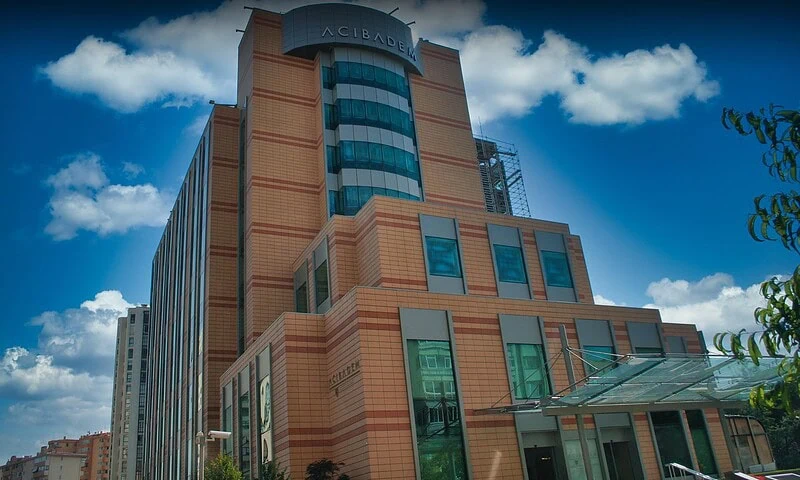
Available at these Hospitals















Related Treatments
Speak with our medical team
Find out how this technology could support your diagnosis or treatment.