

Posturography (Balance) Device
Diagnosis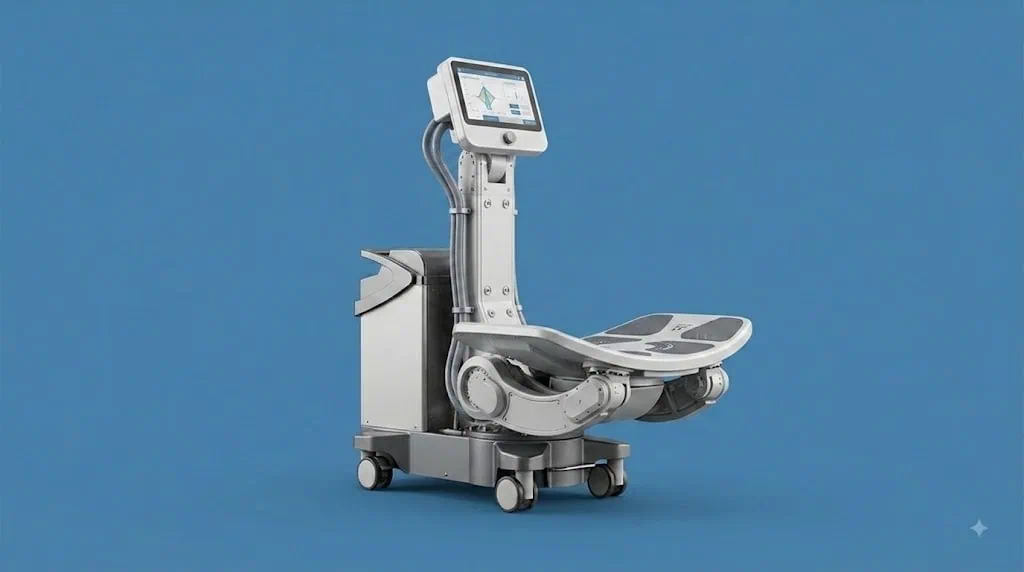
Quick answer
A posturography device is a non-invasive diagnostic system that measures how the body maintains balance while standing in controlled conditions. At Acibadem in Turkey, ENT and neurology specialists use posturography to assess dizziness, vertigo, postural instability, and possible vestibular or neurological balance disorders.
Posturography (Balance) Device
Posturography is an advanced, non-invasive diagnostic assessment used to measure how well a person maintains balance and posture while standing. It gives ENT and neurology specialists objective information about the body’s balance system, helping them investigate dizziness, vertigo, unsteadiness and other symptoms that may affect daily life.
Balance depends on several systems working together: the inner ear, vision, muscles and joints, and the brain’s ability to interpret signals from each of them. When one of these systems is not functioning as expected, a person may feel dizzy, unstable, light-headed or less confident while walking. A Posturography (Balance) Device helps specialists understand how the patient responds when balance conditions change in a controlled setting.
Unlike imaging examinations, posturography does not create pictures of internal organs. Instead, it measures movement, weight distribution and postural control. The information can support a clearer diagnosis and help the clinical team plan appropriate treatment, rehabilitation or further testing.
At Acibadem International, posturography may be used by Otorhinolaryngology (ENT) and Neurology teams as part of a comprehensive assessment for patients with balance-related symptoms. The examination is designed to be comfortable and does not involve surgery, injections or ionising radiation.
What Is Posturography?
Posturography is a balance test performed while a patient stands on a specialised platform. The platform records subtle shifts in body position and pressure through the feet. During the assessment, the patient may be asked to stand with eyes open or closed, on a stable or moving surface, or while following simple instructions from the clinical team.
The purpose is to assess how the body maintains stability when visual, vestibular and sensory information changes. This can help identify whether balance symptoms may be linked to the inner ear, the nervous system, vision, musculoskeletal control or a combination of factors.
There are different forms of posturography. Static posturography assesses balance while standing on a stable surface. Dynamic posturography may introduce controlled movement or changes in the surface to evaluate how the body adapts. The type of assessment recommended depends on the patient’s symptoms, medical history and the specialist’s clinical questions.
Posturography is not usually used as a stand-alone diagnosis. It is commonly interpreted together with the patient’s symptoms, physical examination, hearing or vestibular tests, neurological assessment and, when needed, other diagnostic investigations.
How the Posturography (Balance) Device Works
The examination uses a pressure-sensitive platform and computer-based analysis system. As the patient stands on the platform, the device measures the centre of pressure beneath the feet and records small movements of the body over time. These movements are normal to some degree; the assessment evaluates their pattern, size and response to changing conditions.
During testing, the specialist may assess how balance changes when the patient closes their eyes, stands on a less stable surface or responds to controlled visual surroundings. These tasks help reveal which sources of balance information the body relies on most and whether there may be difficulty integrating sensory signals.
The device produces objective measurements rather than relying only on the patient’s description of symptoms. This can be valuable when symptoms are intermittent, when a patient finds it difficult to explain the sensation of dizziness, or when the clinical team needs to monitor changes over time.
Results are reviewed by trained specialists. They look for patterns that may suggest vestibular dysfunction, impaired sensory integration, neurological causes of imbalance, reduced postural control or an increased risk of falling. The findings are then considered alongside the wider clinical picture.
Clinical Applications
Posturography can support the investigation of many balance and posture concerns. It may be recommended for patients who experience dizziness, spinning sensations, instability when standing or walking, recurrent falls, or a feeling of being pulled or swaying.
| Clinical application | How posturography may help | Specialist teams involved |
|---|---|---|
| Dizziness and vertigo assessment | Provides objective information about postural stability and the body’s response to balance challenges. | ENT, Neurology |
| Suspected vestibular disorders | Helps assess whether the inner-ear balance system may be contributing to symptoms. | ENT, vestibular assessment teams |
| Postural instability | Measures sway, weight distribution and balance control during standing tasks. | Neurology, ENT |
| Neurological balance symptoms | Can support the evaluation of balance difficulties associated with neurological conditions. | Neurology |
| Fall-risk evaluation | May identify reduced stability or difficulty adapting to changes in sensory input. | Neurology, ENT, rehabilitation teams |
| Monitoring rehabilitation progress | Provides measurable data that may be used to track response to vestibular or balance rehabilitation. | ENT, Neurology, rehabilitation teams |
For patients with vertigo or dizziness, posturography can be particularly useful when symptoms affect confidence, work, travel, walking or everyday activities. It may also help specialists distinguish between different patterns of balance impairment and decide whether further vestibular, hearing, neurological or imaging tests are appropriate.
In some cases, the results support treatment planning for vestibular rehabilitation. This is a personalised programme of exercises intended to help the brain and body adapt to balance-related difficulties. Not every patient requires rehabilitation, and the most suitable approach is determined after medical assessment.
Conditions It May Help Specialists Evaluate
Posturography may be considered when a patient has symptoms associated with vestibular, neurological or sensory balance disorders. It can contribute useful information in the evaluation of conditions affecting the inner ear and the nervous system.
- Vertigo and recurrent dizziness
- Suspected peripheral vestibular dysfunction
- Balance problems following an inner-ear disorder
- Unsteadiness while standing or walking
- Persistent symptoms after a vestibular event
- Neurological conditions associated with impaired balance or coordination
- Balance changes after head injury, where clinically appropriate
- Age-related reduction in postural stability
- Recurrent falls or fear of falling
- Symptoms that worsen in low light, crowded environments or on uneven surfaces
It is important to remember that dizziness is a symptom rather than a diagnosis. It can have many possible causes, including inner-ear disorders, migraine-related conditions, neurological conditions, blood pressure changes, medication effects, anxiety and other medical factors. The Posturography (Balance) Device helps provide additional clinical data, but results must always be interpreted by a qualified specialist.
Benefits and Advantages for Patients
A key advantage of posturography is that it offers objective measurement of balance. Rather than depending only on observations during a consultation, the system records how the body responds to standardised tasks. This can make the assessment more precise and support informed decisions about the next steps in care.
The examination is also designed to be patient-friendly. It is non-invasive, does not use ionising radiation and usually does not require needles, contrast agents or recovery time. Most patients can return to their usual activities after the assessment, unless their specialist advises otherwise.
| Patient benefit | What it means in practice |
|---|---|
| Objective balance measurement | Records measurable information about posture, sway and balance control under controlled conditions. |
| Non-invasive assessment | No surgery, injections or internal instruments are used during the test. |
| No ionising radiation | The assessment does not use X-rays or radiation-based imaging. |
| Supports personalised care | Results can help specialists decide whether further testing, treatment or rehabilitation may be useful. |
| Useful for monitoring | Repeat testing may help assess changes in balance and response to rehabilitation when clinically indicated. |
| Comfortable and efficient | The test is generally performed while standing, with specialist supervision and clear instructions throughout. |
For patients travelling from abroad, objective testing can also improve continuity of care. A written report and relevant test results can be reviewed with the treating specialist and may be shared with the patient’s physician at home when appropriate.
What to Expect During a Posturography Procedure
Before the assessment, the specialist reviews the patient’s symptoms, medical history, previous reports and any relevant scans or test results. This is important because the right diagnostic pathway depends on the individual. Posturography may be recommended as part of a wider ENT or neurology evaluation.
Patients are usually asked to wear comfortable clothing and stable footwear, or may be asked to remove shoes depending on the testing protocol. The clinical team will explain where to stand, how to position the feet and what tasks will be performed.
During the test, the patient stands on the balance platform while the device records postural movement. The specialist may ask the patient to look straight ahead, close their eyes, keep their arms in a certain position or remain still for a short period. In dynamic testing, the surface or visual environment may change in a controlled way.
The patient is supervised throughout the procedure. If someone feels dizzy, anxious or unsteady, they should tell the team immediately. Safety support is available, and the assessment can be paused or adjusted according to the patient’s comfort and clinical needs.
The procedure is generally brief, although the total appointment may take longer because it includes preparation, clinical review and discussion of the findings. In some cases, results can be discussed on the same day. In others, the specialist may need to review the information together with other tests before providing recommendations.
Before Your Appointment
Your care coordinator can advise what documents to bring or send in advance. These may include previous ENT or neurology reports, hearing tests, vestibular assessments, brain or inner-ear imaging, medication lists and details of prior treatments.
Some medicines can affect balance, alertness or vestibular test results. Do not stop prescribed medication on your own. Your specialist will tell you if any changes are needed before the examination.
If you have severe mobility limitations, recent surgery, significant pain while standing, or a history of falls, please inform the international patient team before your visit. This allows the hospital to coordinate appropriate support and make the appointment as safe and comfortable as possible.
After the Assessment
Posturography does not normally require recovery time. However, a patient who already experiences significant dizziness may prefer to rest briefly after testing or arrange assistance for travel following the appointment.
Your specialist will explain what the measurements may mean in the context of your symptoms. Possible next steps may include further diagnostic testing, medication review, vestibular rehabilitation, neurological follow-up or advice on fall prevention. Recommendations are always personalised.
Safety, Quality and Accreditation
Posturography is widely used as a non-invasive balance assessment. It does not involve radiation exposure and is generally well tolerated. Because some tasks may temporarily reproduce dizziness or a sense of instability, the examination is performed under the supervision of trained healthcare professionals.
At Acibadem International, patients are assessed by experienced specialists who determine whether posturography is appropriate for their condition. The team follows clinical safety procedures and adapts the assessment when necessary, particularly for patients with significant balance limitations, mobility concerns or anxiety related to dizziness.
Acibadem hospitals serving international patients include JCI-accredited facilities, reflecting a commitment to recognised standards in patient safety, quality of care and clinical processes. Suitability for a specific hospital, specialist and technology pathway is confirmed individually according to the patient’s medical needs and travel plans.
Posturography findings are interpreted as one part of a complete medical assessment. A result does not replace consultation with an ENT specialist, neurologist or other appropriate physician. This careful approach helps ensure that treatment recommendations are based on the full clinical picture.
Why Posturography Matters for International Patients
Travelling for dizziness or balance care can feel challenging, especially when symptoms make long journeys, unfamiliar surroundings or crowded airports difficult. Acibadem International supports patients with coordinated care planning designed around their medical needs and travel process.
Before arrival, patients can share medical reports for preliminary review through a consultation request. This helps the clinical team understand the reason for referral, determine whether posturography may be relevant and advise which specialist evaluation may be needed. Final recommendations are always made after a direct medical assessment.
International patient coordinators can help organise appointments, support communication in the patient’s preferred language and guide patients through the hospital journey. When several investigations or consultations are required, coordinated scheduling can help make the visit more efficient.
For patients whose symptoms include severe dizziness, unsteadiness or a history of falls, it is helpful to mention this before travel. The team can advise on practical planning and ensure the care pathway takes the patient’s mobility and comfort into account.
After the evaluation, patients can receive medical documentation for continuity of care. If follow-up is needed after returning home, the team can explain the recommended next steps and help patients understand which records should be shared with their local physician.
Frequently Asked Questions
Is posturography safe?
Yes. Posturography is a non-invasive assessment that does not use ionising radiation, injections or surgery. Some patients may briefly feel dizzy or unsteady during balance tasks, but trained staff supervise the procedure and provide support throughout.
Does posturography diagnose the exact cause of dizziness?
Posturography provides valuable objective information about balance and postural control, but it is usually one part of a broader evaluation. ENT and neurology specialists consider the results together with symptoms, examination findings and other tests when needed.
Do I need a referral?
Requirements can vary according to your medical situation and the hospital pathway. You may submit your reports through a consultation request, and the international patient team can arrange specialist review to determine whether posturography is suitable.
Will I need to stay in hospital?
Posturography is usually performed on an outpatient basis. Most patients do not need hospital admission for the test itself. If additional assessments are recommended, your coordinator can help organise the schedule.
Will insurance cover posturography?
Insurance coverage depends on your policy, insurer and the medical indication. You can share your insurance information with the international patient team, who can help clarify the available options and explain the planned care process in advance.
How can I get started?
Send your available medical reports, symptom history and previous test results through a consultation request. A specialist can review the information and advise whether posturography may be appropriate as part of your diagnostic and treatment plan.
Related Medical Units
Available at these Hospitals



















Related Treatments
Speak with our medical team
Find out how this technology could support your diagnosis or treatment.