Prostatitis: Pelvic Pain, Urinary Symptoms, and Treatment

Prostatitis is not one single condition; it includes bacterial and non-bacterial forms with different treatment approaches. Common symptoms include pelvic or perineal pain, burning urination, frequent urination, and discomfort with ejaculation.
Key Takeaways
- Prostatitis is not one single condition; it includes bacterial and non-bacterial forms with different treatment approaches.
- Common symptoms include pelvic or perineal pain, burning urination, frequent urination, and discomfort with ejaculation.
- Diagnosis may involve a medical history, physical examination, urine tests, and sometimes imaging or specialist evaluation.
- Treatment can include antibiotics when infection is present, pain relief, alpha-blocker medicines, pelvic floor therapy, and lifestyle measures.
- Men should seek medical care promptly for fever, severe pain, inability to urinate, blood in urine, or worsening symptoms.
Prostatitis is inflammation or irritation of the prostate gland that can cause pelvic pain, urinary symptoms, and changes in sexual comfort. With the right evaluation, most men can find a treatment plan that reduces symptoms and improves daily life.
Overview
Prostatitis is a group of conditions involving inflammation, irritation, or infection of the prostate gland. The prostate is a small gland below the bladder that surrounds the urethra, the tube that carries urine out of the body. Because of its location, prostate problems can affect urination, pelvic comfort, and sometimes sexual function.
Many people think prostatitis always means a bacterial infection, but this is not the case. Some forms are caused by bacteria and need targeted antibiotics, while others are related to pelvic floor muscle tension, nerve sensitivity, previous inflammation, or a combination of factors. This is why a careful medical assessment is important before treatment is chosen.
Prostatitis can occur in adult men of many ages, including younger and middle-aged men. It is different from prostate enlargement, which usually affects older men, and it is not the same as prostate cancer. Although symptoms can be frustrating, prostatitis is often manageable with a structured plan and follow-up care.
Types of Prostatitis
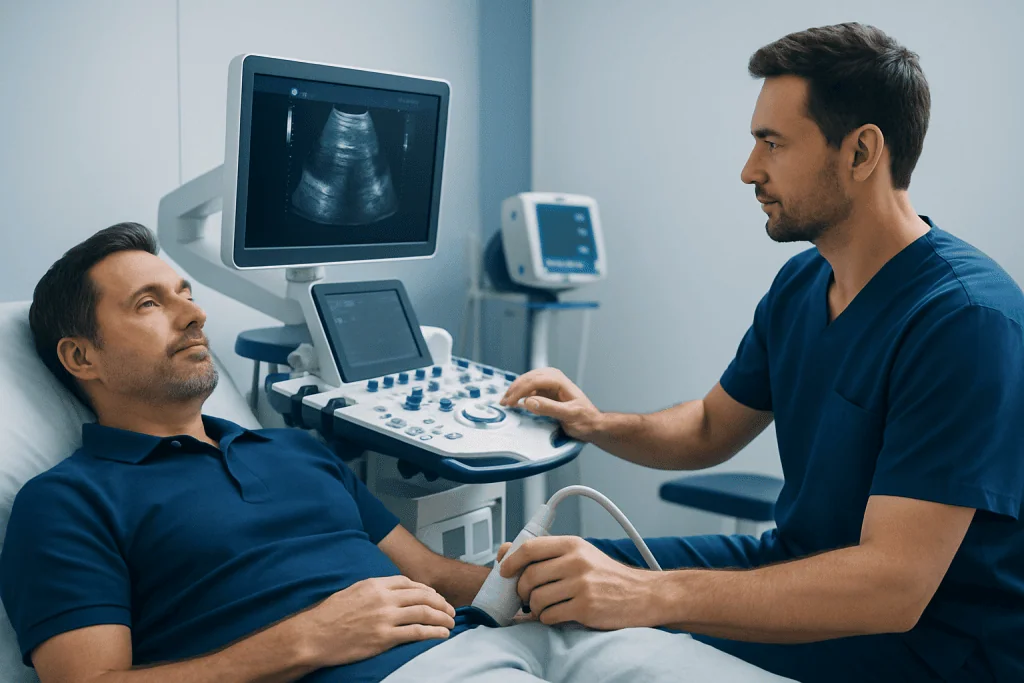
Doctors commonly classify prostatitis into several types. Acute bacterial prostatitis is a sudden infection of the prostate that may cause urinary symptoms along with fever, chills, and feeling generally unwell. It requires prompt medical care because early treatment helps control infection and relieve symptoms.
Chronic bacterial prostatitis is a longer-lasting or recurring infection of the prostate. Symptoms may be milder than in acute infection but can return over time, often with urinary discomfort, pelvic pain, or recurrent urinary tract infections. Urine testing and sometimes additional cultures help guide treatment.
Chronic prostatitis or chronic pelvic pain syndrome is the most common form. In this type, bacteria are not usually found, and symptoms may come and go for months. It may involve pelvic floor muscle dysfunction, inflammation, nerve sensitivity, stress-related muscle tension, or bladder and bowel factors.
Asymptomatic inflammatory prostatitis is usually found by chance during tests for another reason. It does not cause noticeable symptoms and may not need treatment unless it is linked to a specific medical issue being evaluated by a doctor.
Symptoms of Prostatitis
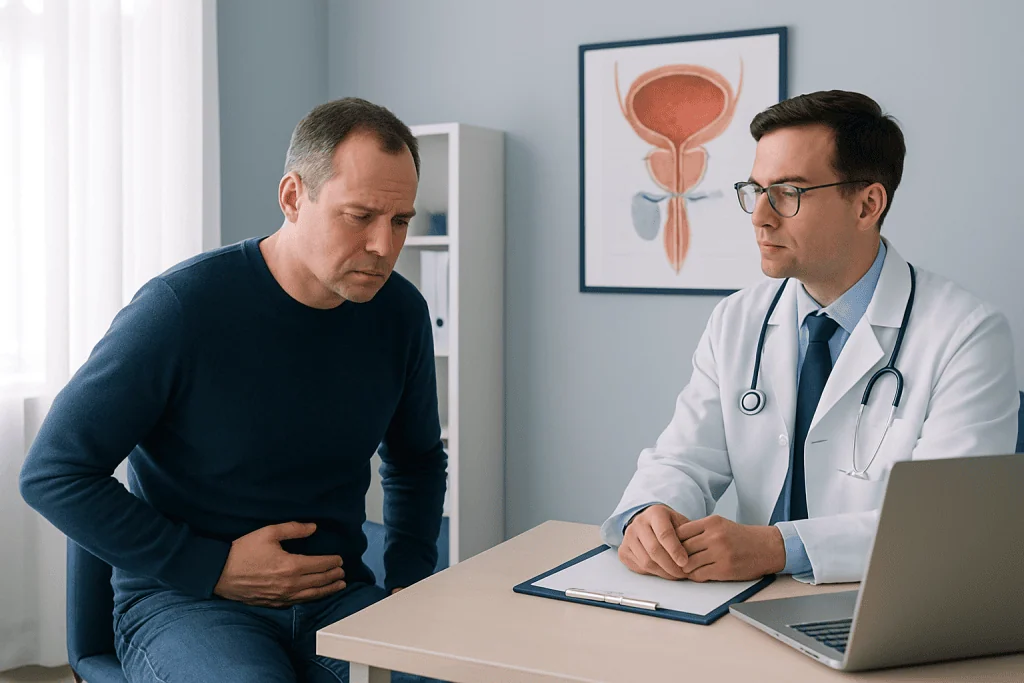
Symptoms vary depending on the type of prostatitis and the individual. Pain is often felt in the pelvis, lower abdomen, lower back, groin, testicles, penis, or the area between the scrotum and anus, known as the perineum. Some men describe a dull ache, pressure, burning, or discomfort that changes with sitting, urination, bowel movements, or sexual activity.
Urinary symptoms are also common. These may include burning or stinging during urination, needing to urinate often, urgency, waking at night to urinate, difficulty starting the stream, weak flow, or a feeling that the bladder has not emptied completely. Symptoms may resemble a urinary tract infection, which is why urine testing is often useful.
Sexual symptoms can occur, particularly with chronic prostatitis or chronic pelvic pain syndrome. Some men notice pain during or after ejaculation, reduced sexual comfort, or anxiety around sexual activity because symptoms are unpredictable. These symptoms are medical issues and can be discussed openly with a urologist.
In acute bacterial prostatitis, symptoms may include fever, chills, body aches, marked fatigue, and more intense urinary problems. A man who feels unwell with pelvic pain and urinary symptoms should seek timely medical attention, especially if urination becomes difficult.
Causes and Risk Factors
Bacterial prostatitis occurs when bacteria enter the prostate, often from the urinary tract. In some cases, bacteria may be related to a urinary tract infection, bladder outlet obstruction, recent urinary catheter use, or certain urological procedures. The specific organism and treatment plan are best determined through medical testing.
Chronic pelvic pain syndrome is more complex. It may develop after an infection, but ongoing symptoms often continue without active bacteria. Possible contributors include pelvic floor muscle tightness, nerve irritation, inflammation, bladder sensitivity, constipation, stress-related tension, and repeated strain from prolonged sitting or certain physical activities.
Risk factors can vary, but may include previous prostatitis, recurrent urinary tract infections, recent urinary instrumentation, pelvic injury, dehydration, and conditions that affect bladder emptying. Some men notice symptom flares after cycling, long periods of sitting, high stress, alcohol, spicy foods, or caffeine, although triggers differ from person to person.
Prostatitis is not simply caused by poor hygiene or personal failure. It is a genuine medical condition with physical and sometimes lifestyle-related contributors. Identifying the likely pattern helps doctors choose treatment that fits the individual rather than relying on one approach for every patient.
Diagnosis
Diagnosis begins with a detailed discussion of symptoms, medical history, urinary habits, sexual health, previous infections, medications, and any recent procedures. The doctor may ask when symptoms started, where pain is located, what improves or worsens it, and whether fever or blood in the urine has occurred. This information helps distinguish prostatitis from other causes of pelvic pain and urinary problems.
A physical examination may include an abdominal and genital examination and, when appropriate, a digital rectal examination to assess the prostate. In acute bacterial prostatitis, the prostate may be tender, and the examination is performed carefully. The aim is to gather useful information while minimizing discomfort.
Urine tests are commonly used to look for infection, blood, or inflammation. A urine culture may identify bacteria and help select an antibiotic if needed. Depending on the situation, doctors may also consider blood tests, sexually transmitted infection testing, prostate-specific antigen testing at an appropriate time, ultrasound, MRI, or tests that evaluate bladder emptying and urine flow.
Not every patient needs every test. The diagnostic plan depends on age, symptoms, examination findings, and whether the condition appears acute, recurrent, or chronic. Clear communication with the healthcare team can help patients understand why certain tests are recommended.
Treatment Options
Treatment depends on the type of prostatitis. If bacterial infection is confirmed or strongly suspected, antibiotics may be prescribed. The choice and duration of antibiotics should be guided by a qualified doctor, based on clinical findings and test results. It is important not to start or stop antibiotics without medical advice, as incomplete or unnecessary antibiotic use can cause problems.
For pain and urinary symptoms, doctors may recommend anti-inflammatory or pain-relieving medicines, warm baths, hydration, and temporary avoidance of personal triggers. Alpha-blocker medicines may help some men relax muscles around the prostate and bladder neck, improving urinary flow and reducing discomfort. These medicines are not suitable for everyone, so medical supervision is needed.
For chronic prostatitis or chronic pelvic pain syndrome, a combined approach often works best. Pelvic floor physical therapy can be helpful when muscle tension contributes to pain. Techniques may include relaxation training, stretching, posture work, breathing exercises, and guidance on avoiding strain. Some patients may also benefit from support for stress management, sleep, bowel regularity, and gradual return to activity.
Because chronic symptoms can fluctuate, improvement may take time and adjustments. A treatment plan may include several steps rather than one quick solution. Follow-up allows the doctor to review test results, monitor response, and consider other causes if symptoms do not improve as expected.
Prevention and Self-care
Not all cases of prostatitis can be prevented, but some habits may reduce irritation and support recovery. Drinking enough water, avoiding long delays in urination, and treating urinary infections promptly may help protect urinary tract health. Men who notice symptom flares after specific foods or drinks can discuss a short trial of reducing those triggers with their doctor.
Pelvic comfort can sometimes improve with practical changes. These may include taking breaks from prolonged sitting, using a supportive cushion, avoiding heavy straining, and gradually adjusting cycling or high-impact activities if they worsen symptoms. Gentle movement, stretching, and relaxation breathing may reduce pelvic floor tension in some men.
Helpful self-care measures may include:
- Warm baths or heat applied to the pelvic area for comfort.
- Regular bowel habits and treatment of constipation if present.
- Limiting alcohol, excessive caffeine, or spicy foods if they trigger symptoms.
- Safe sexual practices and testing when infection risk is possible.
- Keeping a symptom diary to identify patterns and treatment response.
Self-care should complement, not replace, medical evaluation. This is especially important when symptoms are new, severe, recurrent, or associated with fever or blood in the urine.
When to See a Doctor
A man should see a doctor if he has persistent pelvic pain, burning urination, frequent urination, painful ejaculation, or recurring urinary symptoms. Early evaluation can clarify whether infection is present and can help avoid repeated trial-and-error treatment. A urologist can also assess other conditions that may mimic prostatitis, such as bladder problems, kidney stones, urethral conditions, or benign prostate enlargement.
Medical care should be sought promptly if symptoms include fever, chills, severe pelvic or back pain, vomiting, inability to urinate, confusion, or feeling very unwell. Blood in the urine, unexplained weight loss, or rapidly worsening symptoms also require medical assessment. These signs do not always mean a serious condition is present, but they should not be ignored.
Men with chronic or recurrent prostatitis may benefit from coordinated care that addresses urinary symptoms, pain, pelvic floor function, and emotional wellbeing. At Acibadem International, multidisciplinary specialists in JCI-accredited hospitals diagnose and treat prostatitis and related urological conditions for international patients, with care plans tailored to the individual.
Frequently asked questions
Is prostatitis the same as prostate cancer?
No. Prostatitis is inflammation, irritation, or infection of the prostate, while prostate cancer is a different disease involving abnormal cell growth. Some symptoms can overlap with other prostate or urinary conditions, so medical evaluation is important if symptoms persist.
Can prostatitis go away on its own?
Mild symptoms may improve, especially if they are related to temporary irritation. However, bacterial prostatitis needs medical treatment, and chronic pelvic pain symptoms often need a structured plan. A doctor can help determine the cause and the safest approach.
Are antibiotics always needed for prostatitis?
Antibiotics are used when bacterial infection is confirmed or strongly suspected. They are not always helpful for chronic prostatitis or chronic pelvic pain syndrome when no infection is found. Using antibiotics only when appropriate helps reduce side effects and antibiotic resistance.
Can prostatitis affect sexual function?
Yes, some men experience pain during or after ejaculation, reduced sexual comfort, or anxiety related to symptoms. These problems are common enough that doctors are used to discussing them. Treatment of pain, pelvic floor tension, and urinary symptoms may improve sexual comfort.
What can make chronic prostatitis worse?
Triggers differ from person to person. Some men report flares with prolonged sitting, cycling, stress, constipation, alcohol, caffeine, or spicy foods. Keeping a symptom diary can help identify patterns to discuss with a healthcare professional.
When is prostatitis urgent?
Urgent medical care is needed if pelvic or urinary symptoms occur with fever, chills, severe pain, inability to urinate, vomiting, or feeling very unwell. These symptoms can suggest acute bacterial prostatitis or another condition requiring prompt treatment. A clinician can assess the situation and start appropriate care.
References
- European Association of Urology
- American Urological Association
- National Institute of Diabetes and Digestive and Kidney Diseases
- Mayo Clinic
- Cleveland Clinic
This article is for general information only and is not a substitute for professional medical advice. Please consult a qualified doctor about your individual situation.
Prostatitis in Turkey — costs, top hospitals & a free quote
JCI-accredited · board-certified surgeons · reply within 24h
Add us as a Preferred Source to see more of our trusted health content across Google Search, AI Overviews and Discover.