Soft Tissue Sarcoma
Soft Tissue Sarcoma is a rare cancer of muscles, fat, nerves or blood vessels. Learn symptoms, diagnosis and treatment options.
Quick answer
Soft tissue sarcoma is a rare cancer that begins in muscles, fat, blood vessels, nerves, or other supporting tissues, and treatment depends on the tumor’s type, size, location, and stage. At Acibadem in Turkey, care is planned through detailed imaging and biopsy, then may include surgery, radiation therapy, chemotherapy, targeted treatment, or reconstruction when needed.
Soft Tissue Sarcoma is a rare type of cancer that starts in the body’s soft tissues, such as muscle, fat, fibrous tissue, blood vessels, lymph vessels or nerves. It can occur almost anywhere in the body and is best assessed by a specialist team experienced in sarcoma care.
Overview
Soft Tissue Sarcoma is a rare cancer that develops in soft tissues, the structures that support, connect and surround organs and bones. These tissues include muscles, fat, tendons, fibrous tissue, blood vessels, lymph vessels and nerves. Because soft tissue is present throughout the body, Soft Tissue Sarcoma can arise in the arms, legs, trunk, abdomen, pelvis, head and neck, or deeper areas such as the retroperitoneum.
There are many subtypes of Soft Tissue Sarcoma, and each can behave differently. Some grow slowly and remain localized for a long time, while others grow more quickly or have a higher chance of spreading. The exact subtype, tumor grade, size, depth and location all help doctors understand the likely behavior of the disease and choose the most appropriate treatment approach.
Soft Tissue Sarcoma is uncommon compared with many other cancers, which is why evaluation by clinicians who regularly manage sarcomas is important. A careful sequence of imaging, biopsy and treatment planning can help protect function, avoid unnecessary procedures and guide care. Patients should not assume that every lump is cancer, but a lump that is enlarging, deep, painful or larger than expected deserves medical attention.
Symptoms
Soft Tissue Sarcoma symptoms vary widely because the disease can begin in many different parts of the body. In the limbs or trunk, the most common sign is a lump or swelling that may be painless at first. The lump may feel firm, may slowly enlarge, and may be located beneath the skin or deeper in the muscle. Pain can develop if the tumor presses on nerves, muscles or surrounding tissues.
When Soft Tissue Sarcoma occurs in the abdomen or pelvis, it may not cause noticeable symptoms until it becomes larger. Possible symptoms include abdominal fullness, discomfort, a visible or felt mass, changes in bowel or urinary habits, or unexplained weight loss. In the head, neck or chest area, symptoms depend on what nearby structure is affected and may include swelling, pressure symptoms or reduced movement.
Common warning signs that should be assessed include:
- A lump that is growing over weeks or months
- A lump that is deep, firm or larger than a few centimeters
- Persistent pain or pressure in a soft tissue area
- Swelling that returns after removal of a previous lump
- Unexplained abdominal fullness, discomfort or a newly noticed mass
Many soft tissue lumps are benign conditions such as lipomas, cysts or scar tissue. However, it is not possible to reliably distinguish all benign and malignant lumps by touch alone. Medical assessment and appropriate imaging help determine whether further testing is needed.
Causes & Risk Factors
In most people, the exact cause of Soft Tissue Sarcoma is not known. Cancer develops when cells acquire genetic changes that allow them to grow and divide in an uncontrolled way. These changes usually occur in the tumor cells themselves and are not necessarily inherited from a parent. Most patients with Soft Tissue Sarcoma do not have an identifiable inherited risk factor.
Some factors can increase the risk in certain people. Previous radiotherapy to an area of the body can rarely lead to a sarcoma years later. Certain inherited cancer predisposition syndromes are also associated with a higher risk of sarcoma, although these are uncommon. Long-standing lymph swelling, called chronic lymphedema, has been linked with rare sarcoma types. Exposure to some industrial chemicals has been studied, but risk varies and individual cause is often difficult to prove.
Known or possible risk factors may include:
- Prior radiation treatment to the affected body area
- Rare inherited syndromes that increase cancer risk
- Chronic lymphedema
- Previous history of certain cancers or cancer treatments
- Age, as some subtypes are more common in adults while others may occur in children or young adults
Injury is sometimes noticed before a lump is found, but trauma itself is not usually considered a direct cause of Soft Tissue Sarcoma. More often, an injury draws attention to an area where a lump was already present. Anyone concerned about a persistent or enlarging swelling after an injury should seek evaluation.
Diagnosis
Diagnosis of Soft Tissue Sarcoma starts with a medical history and physical examination. The doctor will ask when the lump or symptoms began, whether the area is growing, whether there is pain, and whether there are any previous treatments or family cancer history. The examination focuses on the size, depth, mobility and location of the mass and on nearby nerves, blood vessels and joints.
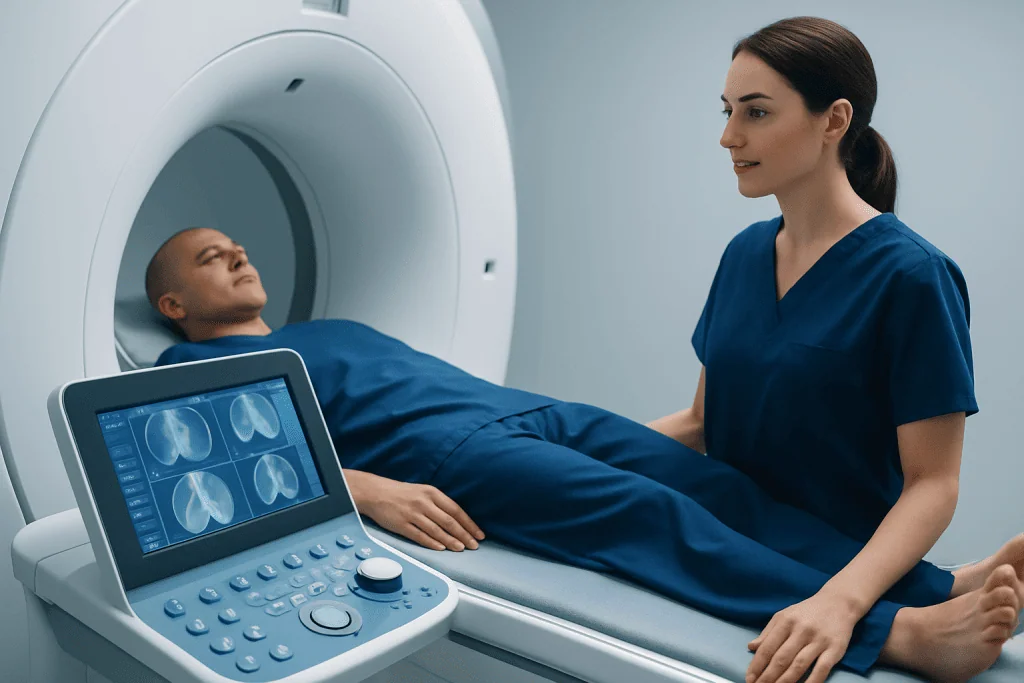
Imaging is usually needed before any biopsy or surgery is performed. Magnetic resonance imaging is often used for tumors in the arms, legs, pelvis or trunk because it shows soft tissue detail and the relationship of the mass to muscles, nerves and blood vessels. Computed tomography may be used for tumors in the chest, abdomen or retroperitoneum, and also to check whether disease has spread, particularly to the lungs. Ultrasound can help assess some superficial lumps, but deeper or suspicious masses often require advanced imaging.
A biopsy is required to confirm the diagnosis. This is usually done with a core needle biopsy, which removes small tissue samples for laboratory testing. The biopsy route must be carefully planned so that it does not interfere with later surgery. For this reason, biopsy should ideally be arranged by the team that will treat the sarcoma, rather than performed as an unplanned removal of the lump.
The pathology report identifies the sarcoma subtype and grade, which describes how abnormal the cells look and how actively they are growing. Additional tests may include immunohistochemistry, molecular testing or genetic analysis of the tumor when needed. These results help the multidisciplinary team stage the cancer and plan treatment based on the tumor’s biology and extent.
Treatment Options
Soft Tissue Sarcoma treatment is individualized. The right approach depends on the tumor subtype, grade, size, depth, location, whether it has spread, the patient’s overall health and the expected effect on movement, organ function and quality of life. Treatment should be decided by a specialist after full assessment, often through a multidisciplinary tumor board that includes surgical oncology, medical oncology, radiation oncology, radiology, pathology and rehabilitation experts.
Surgery is a main treatment for many localized Soft Tissue Sarcomas. The goal is to remove the tumor completely with an appropriate margin of healthy tissue while preserving as much function as possible. In limb sarcomas, modern surgical planning often aims to avoid amputation when safe and feasible, but the best operation depends on the tumor’s relationship to nerves, blood vessels, bones and joints. Reconstructive surgery may sometimes be needed to close the wound or restore function.
Radiotherapy may be recommended before or after surgery in selected cases to reduce the risk of local recurrence. It is often considered when tumors are high grade, large, deep or close to important structures. The timing and dose are planned carefully to balance cancer control with wound healing and long-term tissue effects. Not every patient needs radiotherapy, and the decision depends on the full clinical picture.
Systemic treatment uses medicines that travel through the bloodstream. It may include chemotherapy, targeted therapy, immunotherapy in selected rare settings, or other specialized drug approaches depending on sarcoma subtype and stage. These treatments may be used before surgery, after surgery, or when the cancer has spread or cannot be removed safely. Supportive care, pain control, nutritional support, physiotherapy and rehabilitation are also important parts of treatment, helping patients maintain strength, movement and daily function.
Living With / Prognosis
The outlook for Soft Tissue Sarcoma depends on several factors, including subtype, grade, size, location, surgical margins and whether the cancer has spread. Some low-grade sarcomas may be controlled with local treatment, while higher-grade sarcomas may require combined treatment and closer follow-up. Prognosis should be discussed with the treating team, because general information cannot accurately predict an individual person’s outcome.
Living with Soft Tissue Sarcoma often involves follow-up visits after treatment. These appointments may include physical examination and imaging to monitor the treated area and check for recurrence or spread. Follow-up schedules vary depending on the sarcoma type and risk level. Patients are encouraged to report new lumps, persistent pain, unexplained cough, breathlessness or other concerning changes between scheduled visits.
Recovery can include physical and emotional adjustment. Surgery, radiotherapy or systemic therapy may affect movement, strength, energy levels, skin, scars or daily routines. Rehabilitation, occupational therapy, psychological support and symptom management can help patients return to activities safely and adapt to changes. Family members and caregivers may also benefit from education about the condition and treatment plan.
A healthy lifestyle cannot replace cancer treatment, but it can support overall wellbeing. Balanced nutrition, appropriate physical activity, smoking cessation and management of other medical conditions may help patients tolerate treatment and recover. Care decisions should always be made with qualified healthcare professionals who understand the patient’s diagnosis and goals.
When to See a Doctor
A person should see a doctor if they notice a soft tissue lump that is growing, deep, firm, painful, or larger than a small superficial bump. Medical review is also important if a lump returns after being removed, if swelling persists after an injury, or if there are unexplained symptoms such as abdominal fullness, pressure, changes in bowel or urinary habits, or ongoing discomfort.
Early assessment does not mean that cancer is present. Many lumps are benign, but proper evaluation helps identify the small number that need specialist care. A doctor may arrange imaging or refer the patient to an orthopedic oncologist, surgical oncologist, medical oncologist or sarcoma center depending on the findings. Patients should avoid having a suspicious lump removed without appropriate imaging and biopsy planning, because this can make later treatment more complex.
Urgent medical advice is appropriate if a mass is rapidly enlarging, associated with new weakness or numbness, causing severe pain, or affecting breathing, swallowing, bowel or bladder function. People with a previous sarcoma diagnosis should contact their care team promptly if they notice new symptoms or a new lump.
Acibadem International’s multidisciplinary specialists and JCI-accredited hospitals diagnose and treat Soft Tissue Sarcoma for international patients, using coordinated assessment across imaging, pathology, oncology, surgery and rehabilitation. Patients should seek individualized advice from a qualified doctor or sarcoma team before making treatment decisions.
Frequently asked questions
What is Soft Tissue Sarcoma?
Soft Tissue Sarcoma is a rare cancer that starts in soft tissues such as muscle, fat, nerves, blood vessels, lymph vessels or fibrous tissue. It can occur almost anywhere in the body. There are many subtypes, so diagnosis and treatment depend on the exact type and stage.
What are the first symptoms of Soft Tissue Sarcoma?
The first symptom is often a painless lump or swelling that grows over time. Some people develop pain, pressure, reduced movement, or symptoms related to the tumor pressing on nearby organs or nerves. Sarcomas inside the abdomen or pelvis may not cause symptoms until they become larger.
Is every soft tissue lump a sarcoma?
No. Most soft tissue lumps are benign conditions such as lipomas, cysts or scar tissue. However, a lump that is growing, deep, firm, painful or larger than expected should be checked by a doctor. Imaging and, when needed, biopsy can help confirm the diagnosis.
How is Soft Tissue Sarcoma diagnosed?
Diagnosis usually involves a physical examination, imaging tests and a biopsy. MRI or CT scans help show the tumor’s size, location and relationship to nearby structures. A core needle biopsy provides tissue for pathology testing, which identifies the sarcoma subtype and grade.
What treatment is used for Soft Tissue Sarcoma?
Treatment may include surgery, radiotherapy, systemic medication such as chemotherapy or targeted therapy, and rehabilitation. The best approach depends on the tumor type, size, grade, location and whether it has spread. A specialist sarcoma team should decide the treatment plan after a full assessment.
Can Soft Tissue Sarcoma come back after treatment?
Yes, some Soft Tissue Sarcomas can recur in the treated area or spread to other parts of the body. The risk depends on factors such as subtype, grade, size, margins and stage. Follow-up care with examinations and imaging is important to detect changes early.
When should someone seek specialist care for a possible sarcoma?
Specialist assessment is recommended for a growing, deep, firm or unexplained lump, especially if it is painful or returning after previous removal. A suspected sarcoma should be evaluated before any unplanned surgery. Proper imaging and biopsy planning can make treatment safer and more effective.
References
- National Cancer Institute
- American Cancer Society
- European Society for Medical Oncology
- National Comprehensive Cancer Network
- World Health Organization
This article is for general information only and is not a substitute for professional medical advice. Please consult a qualified doctor about your individual situation.
Treatments for This Condition
Doctors Who Treat This Condition

Prof. Dr. Banu Atalar
Radiation Oncology
Prof. Dr. Bünyamin Kaplan
Radiation Oncology
Prof. Dr. Enis Özyar
Radiation Oncology
Prof. Dr. Evrim Kadriye Tezcanlı
Radiation Oncology
Prof. Dr. Fulya Ağaoğlu
Radiation Oncology
Prof. Dr. Gamze Uğurluer Sümer
Radiation Oncology
Prof. Dr. H. Armağan Arıcan
Radiation Oncology
Prof. Dr. Işık Aslay
Radiation Oncology
Prof. Dr. Lütfi Özkan
Radiation Oncology
Prof. Dr. Mehmet Ufuk Abacıoğlu
Radiation Oncology
Prof. Dr. Meltem Serin
Radiation Oncology