

Vertebral Compression Fracture
Vertebral Compression Fracture is a collapse of a spinal bone. Learn symptoms, causes, diagnosis, treatment options, and when to seek care.

Quick answer
A vertebral compression fracture is a collapse of one of the spinal bones, often linked to osteoporosis, trauma, or cancer, and it can cause sudden back pain, height loss, and reduced mobility. Treatment depends on the cause and severity and may include pain control, bracing, osteoporosis care, minimally invasive cement augmentation procedures, or surgery when spinal stability or nerve function…
A vertebral compression fracture is a collapse or loss of height in one of the bones of the spine, usually causing back pain and sometimes changes in posture. It most often occurs when bones are weakened by osteoporosis, but it can also follow trauma or, less commonly, disease affecting the spine.
Overview
A vertebral compression fracture is a break in a vertebra, one of the small bones that form the spine, where the bone loses height and becomes compressed. This can happen when the front part of the vertebra collapses, creating a wedge shape. The condition is sometimes called a spinal compression fracture or osteoporotic vertebral fracture when it is related to weak bones.
The spine supports body weight, protects the spinal cord, and allows movement. When a vertebra collapses, it may cause localized back pain, reduced mobility, and changes in spinal alignment. Many fractures occur in the thoracic spine, which is the upper and middle back, or in the lumbar spine, the lower back.
The most common cause is osteoporosis, a condition that reduces bone strength and makes fractures more likely even after minor strain, coughing, bending, or lifting. In younger people, vertebral compression fractures are more often linked to significant trauma, such as a fall from height or a traffic accident. Less commonly, infection or tumors involving the spine can weaken a vertebra and lead to fracture.
Symptoms
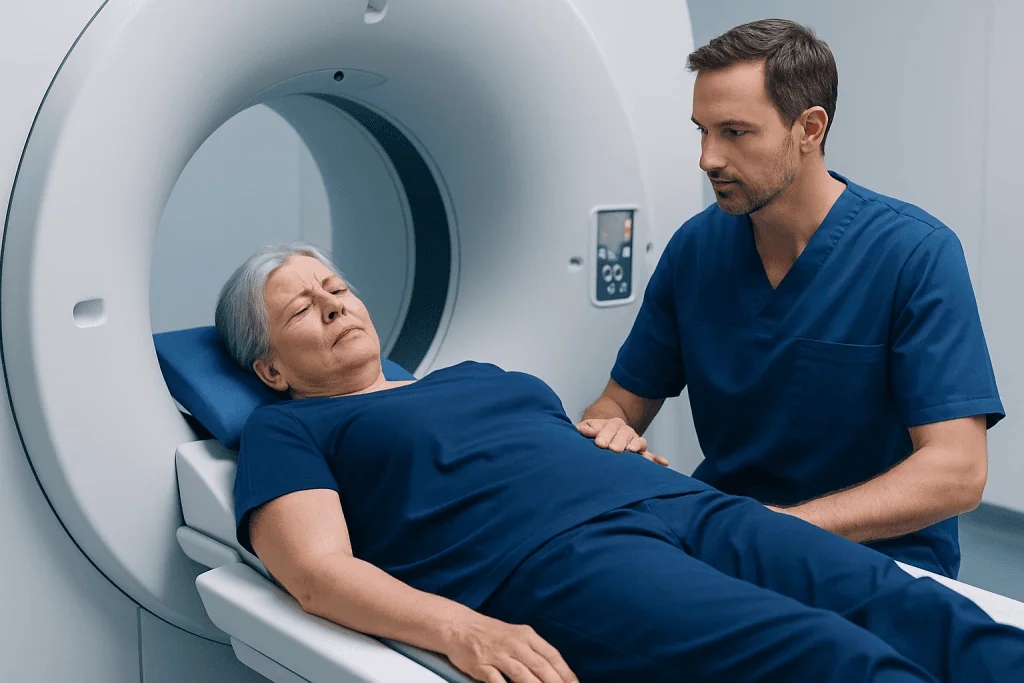
Vertebral compression fracture symptoms vary from mild discomfort to severe back pain. Some people notice sudden pain after a simple movement, fall, or lifting activity. Others develop pain gradually, especially if several small fractures occur over time due to osteoporosis.
Common symptoms include back pain that is often felt at the level of the fracture, pain that worsens when standing or walking, and pain that improves when lying down. The area may feel tender to touch, and everyday activities such as bending, turning in bed, or getting up from a chair may become difficult.
Over time, repeated vertebral fractures can lead to height loss and a rounded upper back, sometimes called kyphosis. This change in posture can affect balance, walking comfort, breathing space, and quality of life. Some people also feel muscle spasms as the surrounding muscles try to protect the injured area.
Compression fractures do not always cause nerve problems, but warning symptoms can occur if the fracture narrows the spinal canal or affects nearby nerves. These may include numbness, tingling, leg weakness, difficulty walking, or changes in bladder or bowel control. Such symptoms need prompt medical assessment.
Causes & Risk Factors
The leading cause of vertebral compression fracture is osteoporosis. In osteoporosis, bones become less dense and less able to resist normal forces. A vertebra may fracture after a minor fall, sudden twist, lifting a light object, or sometimes without a clear injury. Because osteoporosis can be silent until a fracture occurs, a compression fracture may be the first sign of low bone strength.
Trauma is another important cause. A healthy vertebra usually requires a larger force to fracture, such as a major fall, sports injury, or motor vehicle collision. In these cases, doctors also check for other injuries because spinal trauma can affect multiple bones, ligaments, or nerves.
Less commonly, a vertebra may weaken because of cancer, blood disorders, infection, or long-term inflammatory disease. When a fracture occurs without an obvious injury, or when symptoms are unusual, doctors may investigate for these causes. This is especially important in people with a known cancer history, unexplained weight loss, fever, or persistent night pain.
- Risk factors include older age, postmenopausal status, previous fragility fracture, low bone density, family history of osteoporosis, long-term use of medicines that weaken bone, low body weight, smoking, heavy alcohol use, poor nutrition, low vitamin D, and reduced physical activity.
- Falls risk also matters. Poor balance, vision problems, unsafe home environments, muscle weakness, and some medical conditions can increase the chance of falling and fracturing a vertebra.
Diagnosis
Diagnosis begins with a medical history and physical examination. The doctor asks when the pain started, whether there was a fall or strain, what makes the pain better or worse, and whether there are symptoms such as fever, weight loss, numbness, weakness, or bladder and bowel changes. The examination may include checking posture, spinal tenderness, movement, strength, sensation, and reflexes.
Imaging is usually needed to confirm the fracture and assess its age and severity. An X-ray can show loss of vertebral height and spinal alignment. MRI is often helpful when doctors need to determine whether a fracture is recent, evaluate the spinal cord and nerves, or look for causes such as infection or tumor. CT scan can show bone detail and may be used when the fracture pattern is complex or trauma is suspected.
Because many vertebral compression fractures are linked to osteoporosis, bone health assessment is an important part of diagnosis. This may include a bone density scan, blood tests for calcium, vitamin D, kidney function, thyroid function, or other factors, depending on the patient’s history. Identifying and treating low bone strength helps reduce the chance of future fractures.
Doctors may classify the fracture by location, degree of height loss, stability, and whether there is pressure on nerves or the spinal cord. This information guides treatment decisions and helps determine whether conservative care, rehabilitation, or a procedure should be considered.
Treatment Options
Vertebral compression fracture treatment depends on the cause, severity, pain level, fracture stability, nerve involvement, and overall health of the patient. The right approach is decided by a qualified spine specialist, orthopedic surgeon, neurosurgeon, or other relevant specialist after clinical assessment and imaging. Many stable fractures improve with non-surgical treatment over time.
Conservative treatment may include short-term rest, activity modification, pain-relieving medication, and a brace in selected patients. A brace can support the spine while healing, but it must be fitted and monitored properly to avoid stiffness or muscle weakening. Physical therapy is often introduced gradually to improve posture, core strength, balance, safe movement, and confidence with daily activities.
When osteoporosis is present, treatment should also address bone health. This may include nutrition guidance, vitamin and mineral correction when needed, fall-prevention strategies, weight-bearing activity as appropriate, and medicines that improve bone strength. Preventing another fracture is a major goal because a previous vertebral fracture increases the likelihood of future fragility fractures.
Some patients with persistent severe pain, progressive collapse, or selected fracture patterns may be assessed for minimally invasive procedures such as vertebral augmentation. These procedures are not suitable for everyone and are considered after careful review of symptoms, imaging findings, and risks. If the fracture is unstable, caused by tumor or infection, or associated with nerve compression, more complex surgical or medical treatments may be required.
Living With / Prognosis
Many people with a stable vertebral compression fracture improve with appropriate treatment, time, and rehabilitation. Pain often becomes easier to manage as the fracture heals, although recovery can vary depending on age, bone strength, number of fractures, and other medical conditions. Staying active within safe limits is usually encouraged because prolonged inactivity can weaken muscles and bones.
Daily life adjustments may help during recovery. Patients may be advised to avoid heavy lifting, sudden twisting, or deep bending until cleared by a doctor. Learning safe ways to get out of bed, lift objects, and maintain posture can reduce discomfort. Supportive footwear, home fall-prevention measures, and balance exercises may also reduce the risk of further injury.
Long-term prognosis is closely linked to preventing additional fractures. For people with osteoporosis, follow-up is important to monitor bone health, treatment response, posture, and function. A rehabilitation plan may include strengthening exercises, walking, balance training, and education about safe movement.
International patients who need evaluation for spinal pain or fracture may be assessed by multidisciplinary specialists at Acibadem International’s JCI-accredited hospitals, where orthopedic, neurosurgical, radiology, rehabilitation, and pain-management teams can coordinate diagnosis and care when appropriate.
When to See a Doctor
A person should see a doctor for new back pain that is severe, persistent, or occurs after a fall, lifting injury, or sudden twist. Medical assessment is especially important for older adults, people with known osteoporosis, and anyone who has had a previous fragility fracture. Early diagnosis can help control pain, protect mobility, and identify underlying bone weakness.
Urgent medical care is needed if back pain is accompanied by leg weakness, numbness, tingling, difficulty walking, loss of bladder or bowel control, fever, unexplained weight loss, or a history of cancer. These features do not always mean a serious complication is present, but they require prompt evaluation to rule out nerve compression, infection, or other conditions.
Patients should also seek follow-up if pain does not improve as expected, if posture changes rapidly, or if new pain develops at another spinal level. Compression fractures can sometimes occur in more than one vertebra, particularly when osteoporosis is untreated. Ongoing care helps reduce recurrence and supports safer return to normal activities.
Frequently asked questions
What is a vertebral compression fracture?
A vertebral compression fracture is a collapse of one of the bones in the spine. It most often happens when the bone is weakened by osteoporosis, although trauma, cancer, or infection can also cause it. The fracture may cause sudden or gradual back pain and sometimes height loss or a rounded posture.
What does a vertebral compression fracture feel like?
It often feels like sharp or aching back pain at one level of the spine. The pain may worsen when standing, walking, bending, or lifting, and may improve when lying down. Some people have mild symptoms, while others find daily activities difficult.
Can a vertebral compression fracture heal on its own?
Many stable vertebral compression fractures heal or become much less painful with conservative treatment and time. However, medical evaluation is important to confirm that the fracture is stable and to identify causes such as osteoporosis. A doctor can also recommend safe activity, pain control, and prevention of future fractures.
How is a spinal compression fracture diagnosed?
Diagnosis usually includes a medical history, physical examination, and imaging. X-rays can show loss of vertebral height, while MRI can help determine whether the fracture is recent and whether nerves or the spinal cord are affected. CT scan and bone density testing may also be used depending on the situation.
What treatments are available for vertebral compression fracture?
Treatment may include pain management, activity modification, bracing, physical therapy, and treatment of osteoporosis when present. Some patients may be considered for minimally invasive spine procedures or surgery if pain is persistent, the fracture is unstable, or nerves are affected. The most suitable approach should be decided by a specialist after assessment.
Is walking good for a vertebral compression fracture?
Gentle walking may be helpful for many patients because it supports circulation, muscle strength, and general mobility. However, the amount and timing should be guided by a doctor or physiotherapist, especially soon after the fracture. Activities that involve heavy lifting, twisting, or high impact are usually avoided until medical clearance.
How can future vertebral compression fractures be prevented?
Prevention focuses on improving bone strength and reducing falls. This may include bone density assessment, osteoporosis treatment when indicated, adequate nutrition, vitamin D correction if needed, balance training, muscle strengthening, and safer home arrangements. People with a previous compression fracture should have regular follow-up for bone health.
References
- American Academy of Orthopaedic Surgeons
- National Institute of Arthritis and Musculoskeletal and Skin Diseases
- Mayo Clinic
- International Osteoporosis Foundation
- North American Spine Society
This article is for general information only and is not a substitute for professional medical advice. Please consult a qualified doctor about your individual situation.
